FOR RENTExpat
Rs450K/mo
Riviere Noire · West
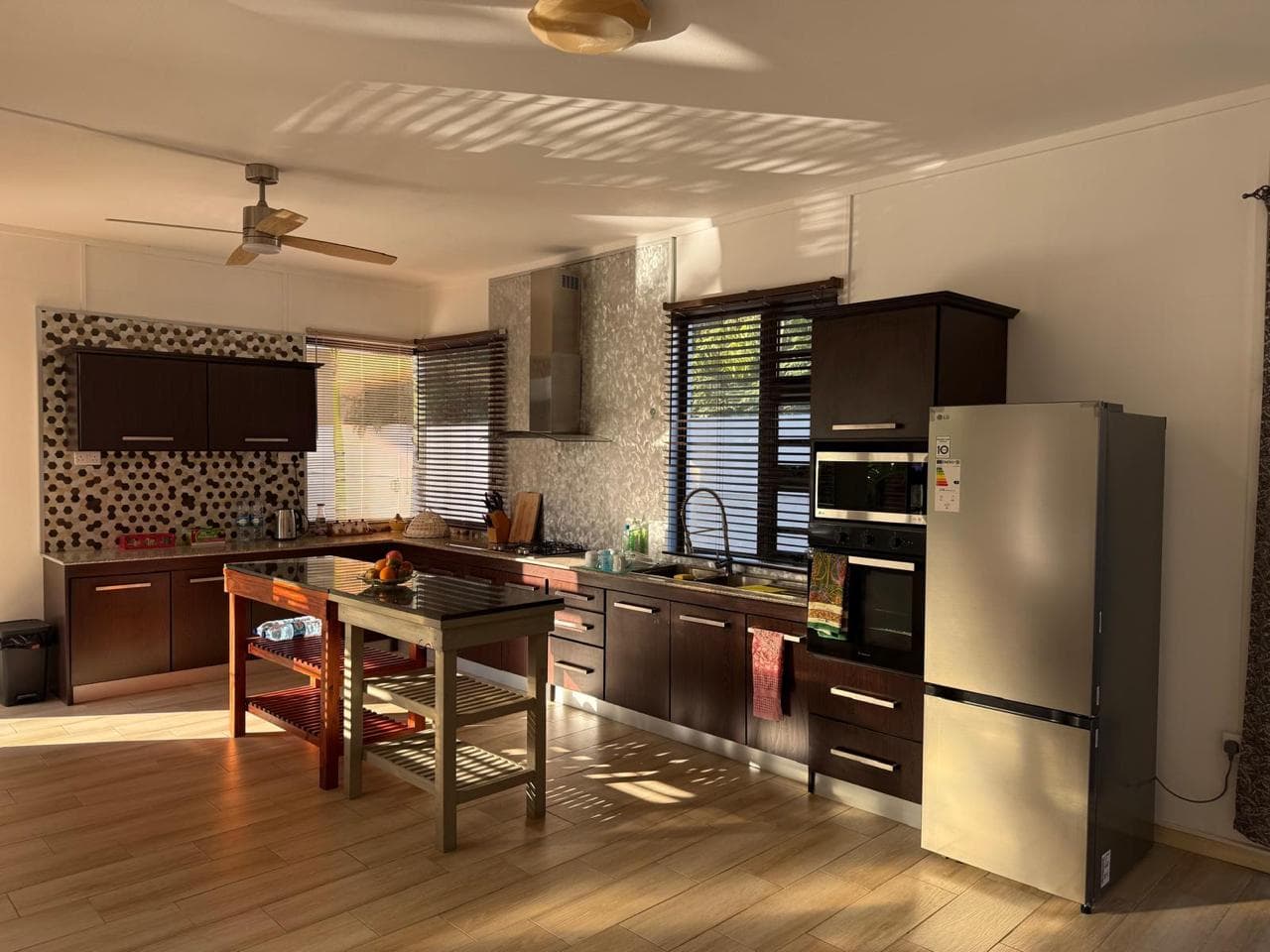
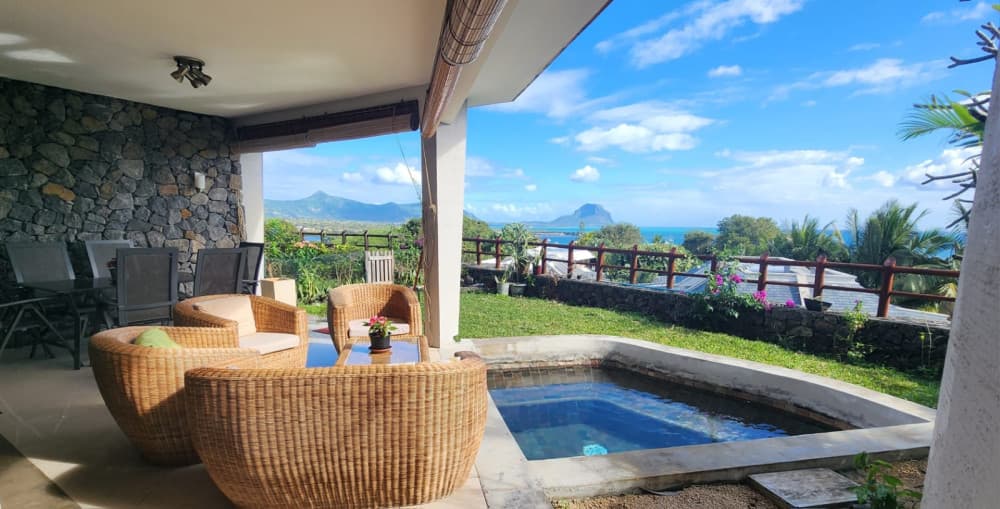
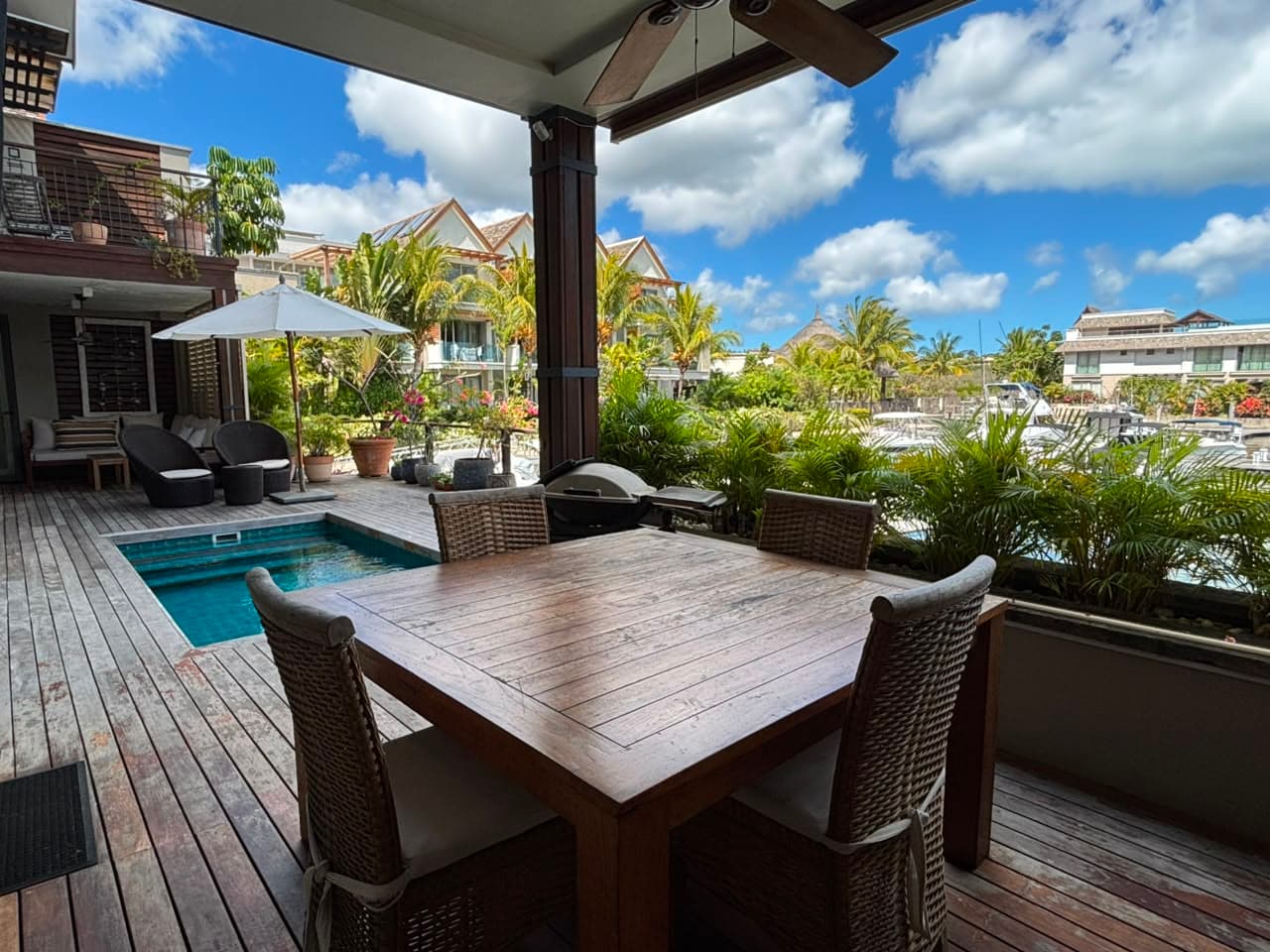
Ultimate Marina Lifestyle – Luxury Waterfront Residence, Private Mooring & Boat
44

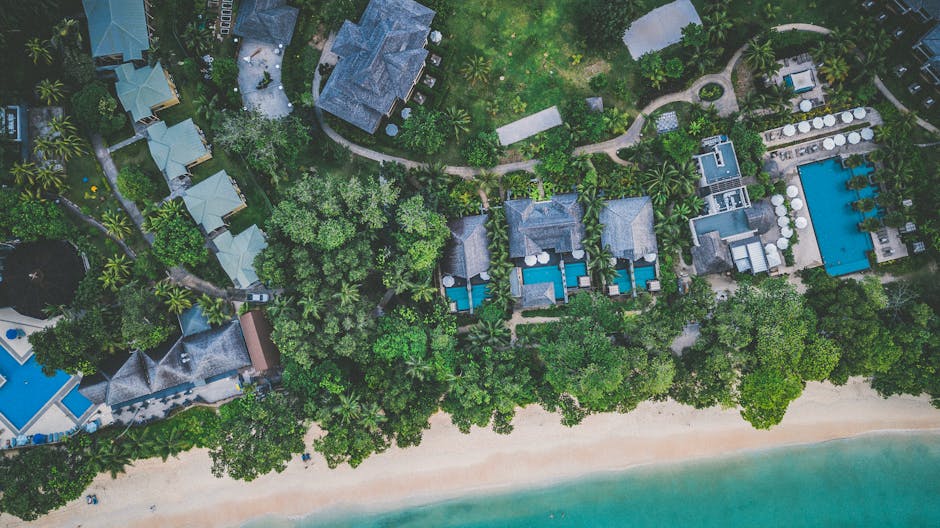
From understanding foreign ownership schemes to choosing between Grand Baie and Tamarin, navigating the Mauritius property market requires local know-how and careful planning. This guide gives British and European buyers a clear, practical roadmap to renting or buying a home on the island.
Whether you're relocating for lifestyle, retirement, or investment, the Mauritius property market offers genuine opportunity — but it helps to know the landscape before you dive in. From beachside villas in Grand Baie to contemporary apartments in Tamarin, the island's real estate scene is both diverse and dynamic. Here's what you need to know to navigate it with confidence.
The first decision most newcomers face is whether to rent before buying — and for good reason. Mauritius is a varied island, and the lifestyle in the quiet, rural south feels worlds apart from the buzzing marina scene of Grand Baie in the north. Spending six to twelve months renting in different areas gives you an invaluable feel for neighbourhoods, commute times, and the local community before committing to a purchase.
Rental prices vary considerably by location and property type. A modern two-bedroom apartment in Flic en Flac might rent for MUR 35,000–55,000 per month, while a luxury villa with ocean views in Bel Ombre or Cap Malheureux can easily exceed MUR 150,000. Utilities and internet connectivity have improved dramatically in recent years, making even more remote coastal areas perfectly viable for remote workers.
One of the most common questions from British and European buyers is: can I actually own property here? The short answer is yes — but within a defined framework.
Foreign nationals are permitted to purchase residential property in Mauritius through specific government-approved schemes. The most prominent are:
It's worth noting that purchasing agricultural land or standalone plots outside these schemes remains restricted for non-citizens, so working with a knowledgeable local agent and a qualified notary (notaire) is essential.
The Mauritian property transaction process follows a French-influenced legal system, which will feel somewhat familiar to buyers from continental Europe. Key stages include:
The entire process typically takes between two and four months. Budget for additional costs including notary fees (approximately 1–2% of the purchase price), registration duties, and legal fees.
Location shapes everything — lifestyle, rental yields, and resale value. Here's a quick orientation:
Mauritius rewards those who do their homework — and the lifestyle on offer, from year-round sunshine to a stable, English-friendly business environment and exceptional international schools, makes it one of the most compelling destinations for British and European buyers in the world today.
Ready to explore what's available? Browse curated listings across every budget and lifestyle at PropertyFinder Mauritius — your trusted starting point for finding a home on this remarkable island.
Hand-picked
Riviere Noire · West

Baie du Cap · South
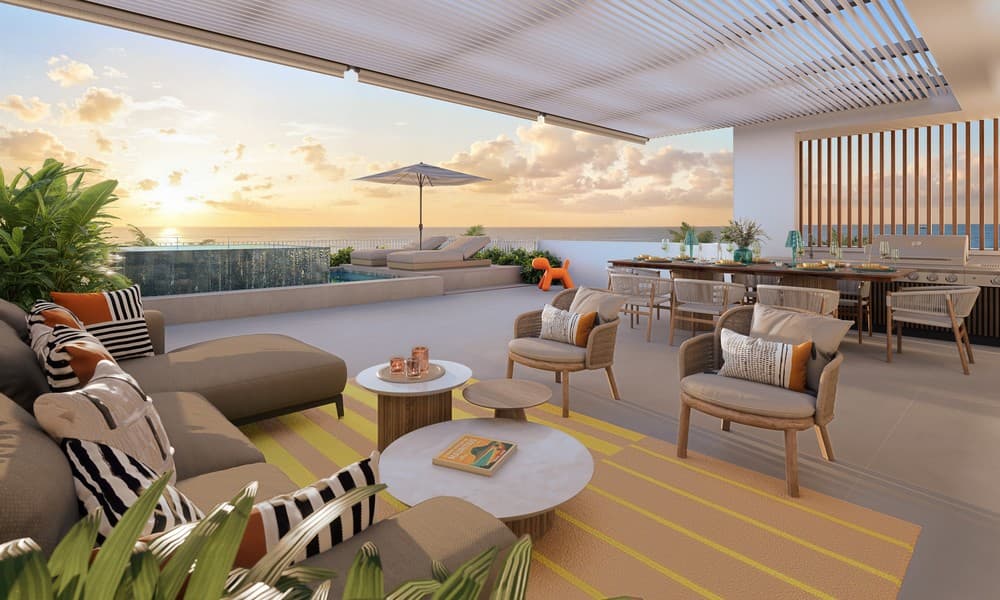
Tamarin · West
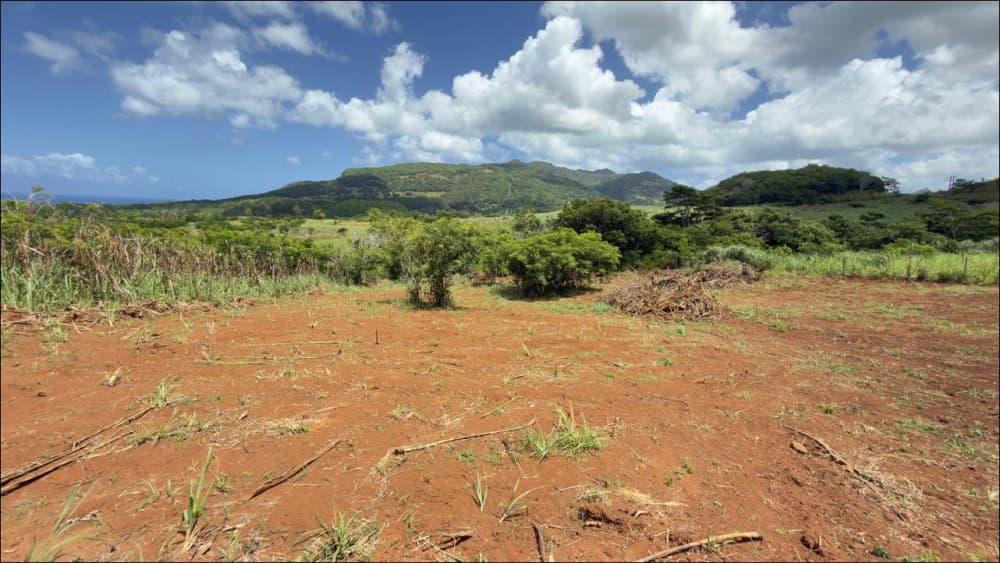
Baie du Cap · South
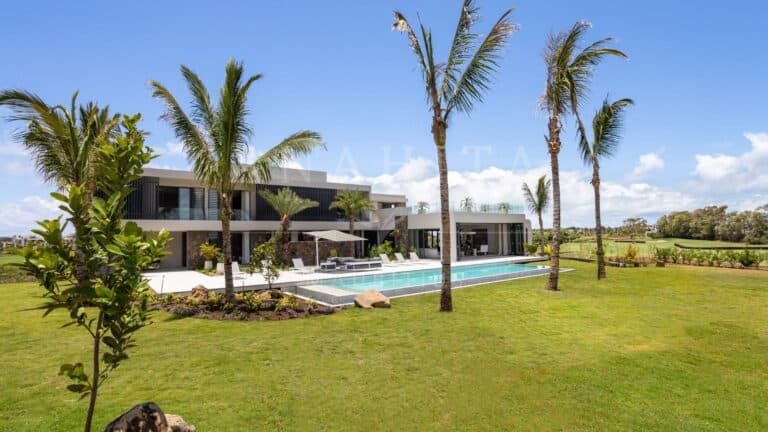
Beau Champ · East
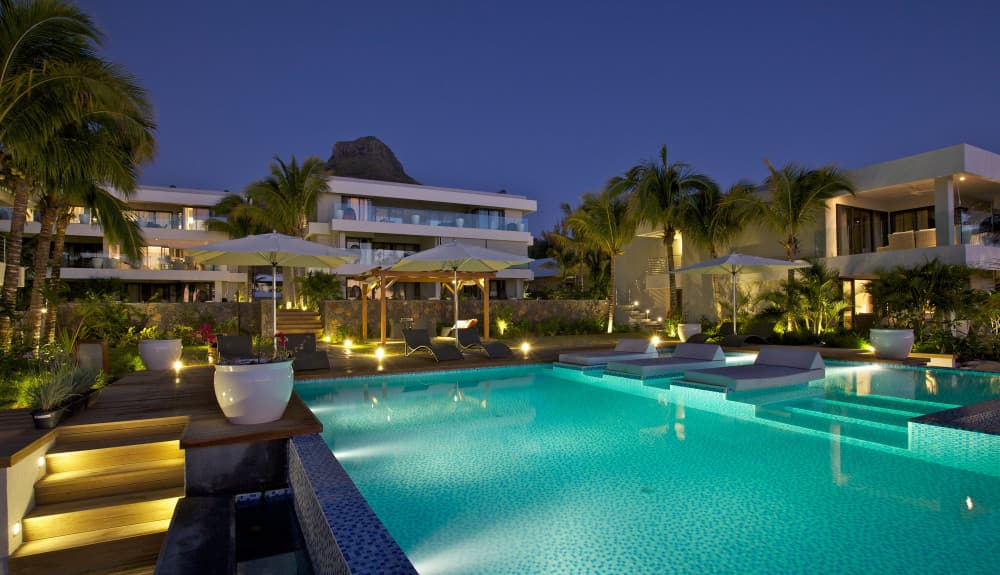
Riviere Noire · West
Explore by region
Explore the site
Market updates, buying guidance and the best new listings, straight to your inbox.
About Mauritius · 28 Aug 2024
Mauritius is one of the safest islands in the Indian Ocean, but that doesn't stop savvy expats from seeking out martial arts and self-defense…
About Mauritius · 26 Aug 2024
Mauritius may be a small island, but its bookshops and online literary scene offer a surprisingly rich experience for expats and book lovers calling…
About Mauritius · 23 Aug 2024
From the UNESCO-listed heights of Le Morne Brabant to the vibrant streets of Grand Baie and the wild interior of Black River Gorges, Mauritius…
About Mauritius · 22 Aug 2024
The Mauritian Wildlife Foundation has spent four decades rescuing the island's rarest species and restoring its native ecosystems — and for those…
About Mauritius · 21 Aug 2024
The brilliantly coloured Mauritius day gecko is far more than a garden curiosity — as a native pollinator, seed disperser, and natural pest…
About Mauritius · 13 Aug 2024
Off the southwestern tip of Mauritius, an extraordinary optical illusion makes the Indian Ocean appear to cascade into an endless abyss — and a…
Browse our current listings or speak to an agent.