FOR RENTExpat
Rs450K/mo
Riviere Noire · West
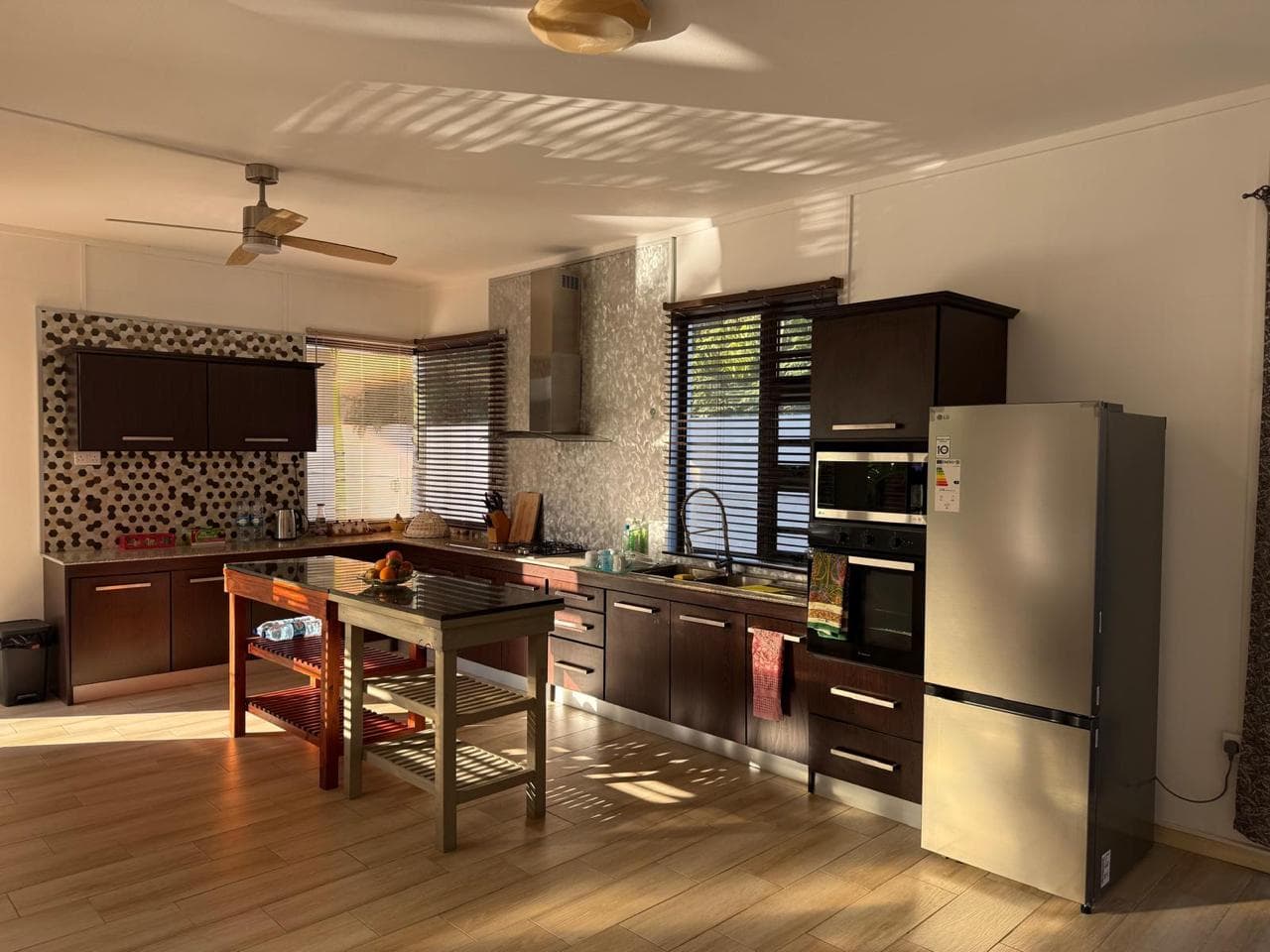
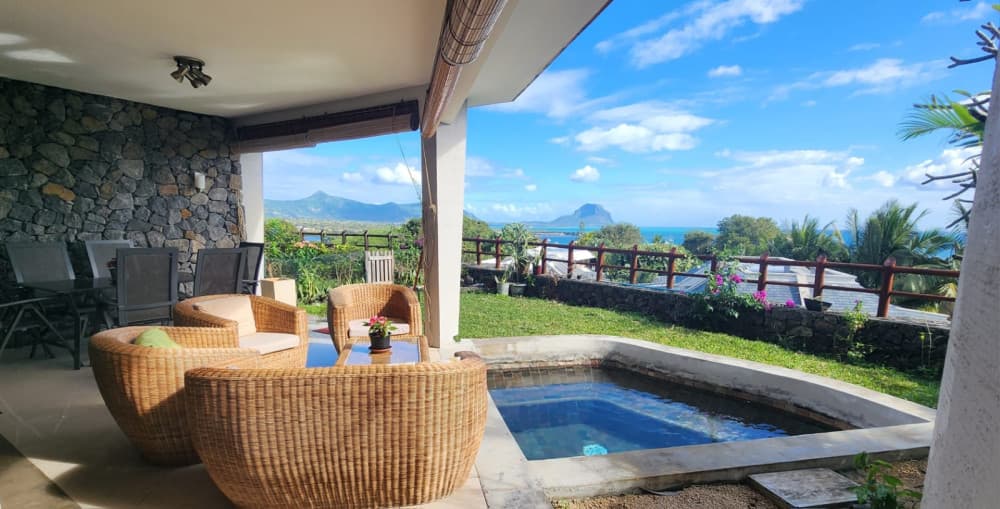
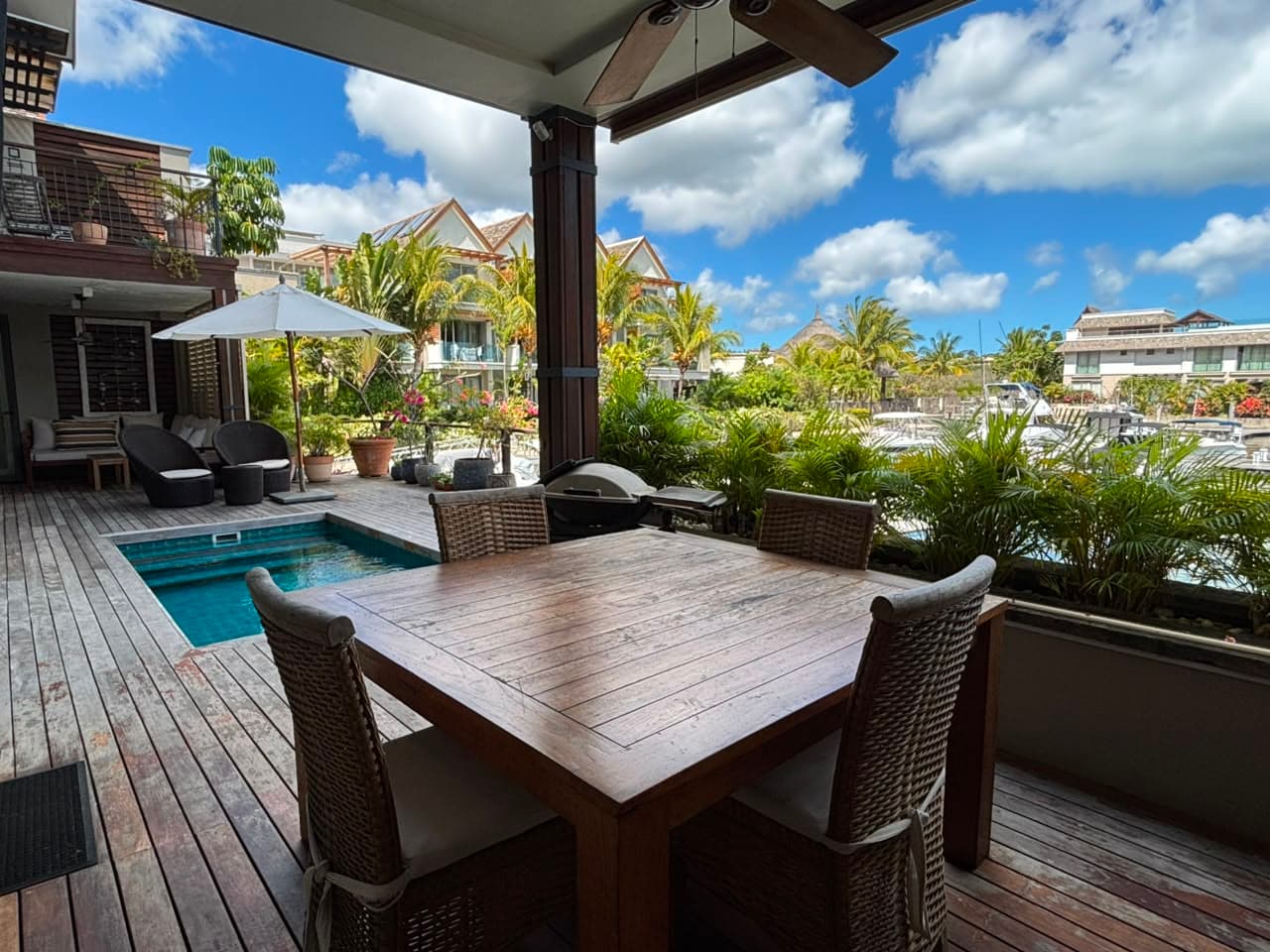
Ultimate Marina Lifestyle – Luxury Waterfront Residence, Private Mooring & Boat
44


The rules for buying property in Mauritius as a foreigner have become more defined — and more rewarding — than ever, with updated residency pathways, expanded apartment schemes, and a streamlined approval process. Here's everything British and European investors need to know before taki…
Mauritius has long been one of the most compelling destinations for foreign property investment — a stable economy, a favourable tax environment, no capital gains tax, and a lifestyle that blends Indian Ocean beauty with world-class infrastructure. But the rules governing how non-citizens can buy property here have evolved considerably in recent years, and staying informed is essential before you commit to a purchase.
Whether you're a British retiree dreaming of a villa overlooking the turquoise lagoon at Grand Baie, or a European investor seeking a solid asset in a growing market, here's what you need to know about the current framework for foreign property ownership in Mauritius.
Foreigners cannot simply purchase any property on the island — ownership is permitted only through specific government-approved investment schemes. The two primary routes are the Property Development Scheme (PDS) and the Smart City Scheme (SCS).
The PDS replaced the older IRS and RES schemes and consolidates luxury residential development under a single framework. It covers high-end villas, apartments, and penthouses developed on plots of at least one arpent (approximately 0.42 hectares). These properties are built by approved developers and must meet strict quality and amenity standards — think private beach access, golf courses, spas, and concierge services.
The Smart City Scheme focuses on integrated, mixed-use developments that combine residential, commercial, and leisure spaces. Projects like Moka Smart City and Beau Plan have transformed how people live and work in Mauritius, attracting both families and entrepreneurs who want more than a holiday home.
A third option, the Ground +2 Apartment Scheme (G+2), now allows foreigners to purchase apartments in buildings of at least two upper floors — significantly expanding access to more affordable property at a minimum purchase price of MUR 6 million (approximately £105,000). This has opened the market to a broader range of buyers beyond the ultra-high-net-worth segment.
One of the most attractive — and often misunderstood — aspects of investing in Mauritian property is the pathway to residency. Foreigners who purchase a qualifying property under the PDS or Smart City Scheme for a minimum of USD 375,000 become eligible for a Residence Permit (RP), valid for as long as the property is held.
This is a significant benefit: the PRP grants the right to live, work, and retire in Mauritius indefinitely, and can be extended to a spouse and dependants. For British expats navigating post-Brexit mobility restrictions, this offers a compelling and legally straightforward route to establishing a new home base within a Commonwealth nation.
The Mauritian government has been actively refining its investment landscape to attract quality foreign investment while maintaining market integrity. Key updates include:
Mauritius remains exceptionally tax-friendly. There is no capital gains tax, no inheritance tax, and no wealth tax. Rental income is subject to personal income tax at progressive rates, from 0% to 35% depending on the amount, which remains low by international standards. Buyers should budget for registration duties of approximately 5% of the purchase price, along with notary fees.
For those purchasing through a company structure, Mauritius's extensive network of Double Taxation Avoidance Agreements (DTAAs) — including with the UK — can provide further efficiencies, though specialist tax advice is essential.
Beyond the legal framework, location remains everything. The north coast — particularly Grand Baie and Pereybere — attracts buyers who want vibrant dining, water sports, and easy access to Sir Seewoosagur Ramgoolam International Airport. The west coast, from Tamarin to Black River, draws surfers, families, and those seeking a more laid-back pace. The east coast, with its calm lagoons and prestigious resort communities, remains a favourite among ultra-luxury buyers.
Each region offers a distinct lifestyle, and understanding which suits your vision is just as important as understanding the legal mechanics of purchase.
Navigating foreign property investment in Mauritius is entirely achievable — but the details matter. Working with the right partners from the outset will save you time, money, and stress.
Browse our curated selection of approved properties at PropertyFinder Mauritius — from beachfront villas in the north to smart city apartments in the highlands. Our team is here to guide you through every step, from your first search to the day you receive your keys.
Hand-picked
Riviere Noire · West

Baie du Cap · South
Tamarin · West

Baie du Cap · South
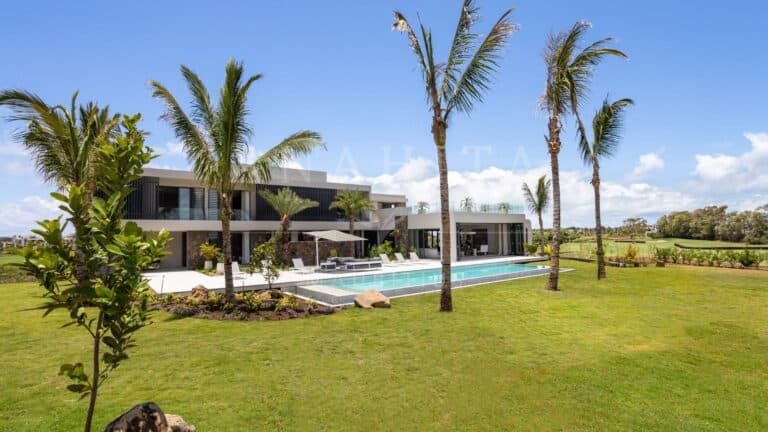
Beau Champ · East
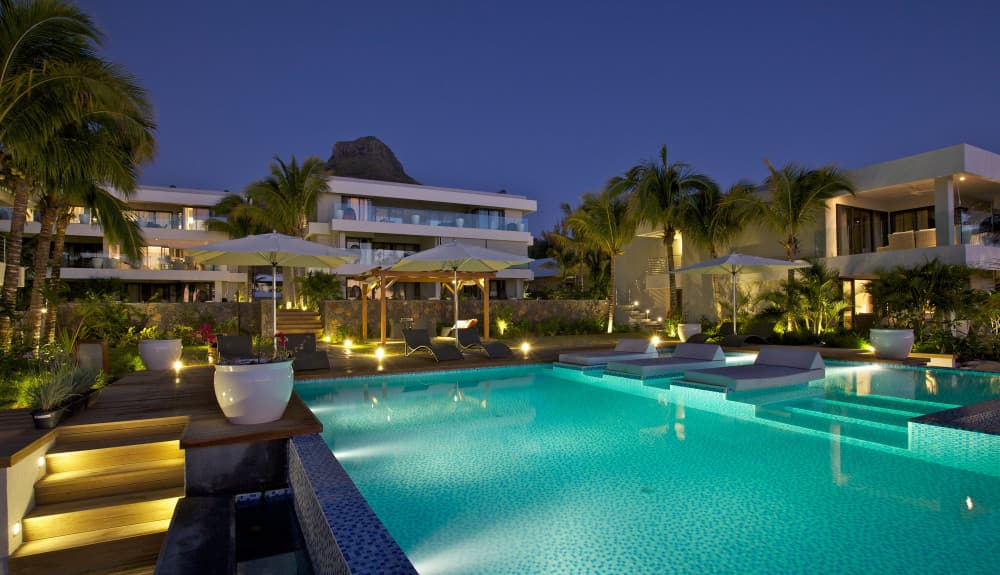
Riviere Noire · West
Explore by region
Explore the site
Market updates, buying guidance and the best new listings, straight to your inbox.
Buying a Property · 29 Jul 2026
Who can buy, the PDS and Smart City schemes, residence permits, the buying process step by step, costs, financing and tax for foreign buyers.
Buying a Property · 19 Aug 2024
Harmonie Golf Estate on Mauritius's scenic west coast offers a rare opportunity to invest in sustainably designed luxury villas within an…
Buying a Property · 9 Aug 2024
Mauritius has evolved well beyond its reputation as a holiday destination — today it offers British and European investors a rare combination of…
Buying a Property · 8 Aug 2024
Mauritius is fast becoming one of the Indian Ocean's most attractive destinations for rental property investment, offering foreign buyers political…
Buying a Property · 29 Jul 2024
Eco Savannah is one of Mauritius's most compelling residential developments, blending sustainable architecture with luxury villa living in the…
Buying a Property · 22 Jul 2024
Les Salines in Black River, a Beachcomber resort, offers branded apartments to foreign buyers under approved schemes. Here is what to verify.
Browse our current listings or speak to an agent.