FOR RENTExpat
Rs450K/mo
Riviere Noire · West
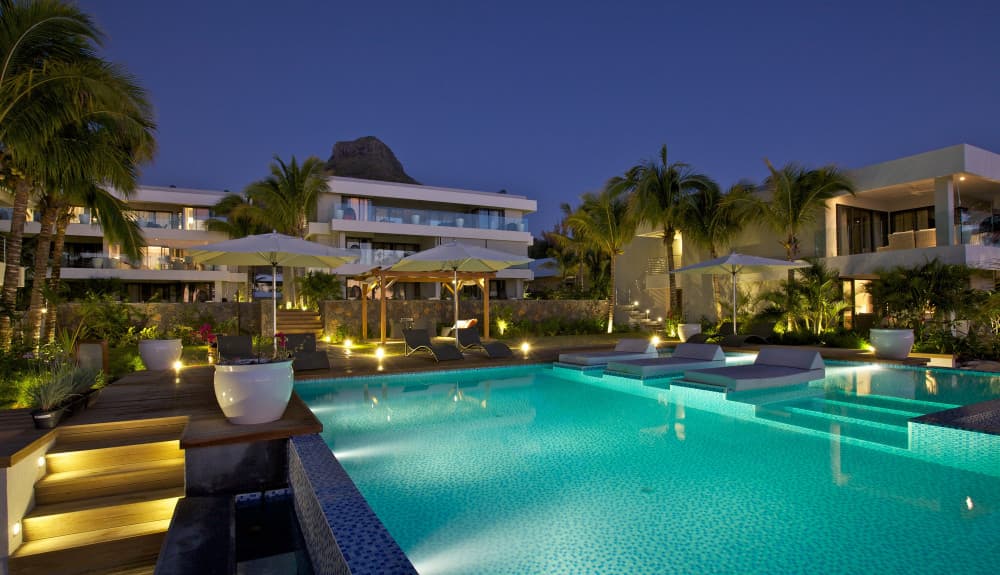
Ultimate Marina Lifestyle – Luxury Waterfront Residence, Private Mooring & Boat
44


Opening a bank account in Mauritius is an essential step for any expat relocating to the island or investing in property, but the process comes with specific requirements that catch many newcomers off guard. This guide breaks down the main banks, account types, and documentation you'll …
Relocating to Mauritius — whether to retire in paradise, invest in property, or embrace a new chapter under the Indian Ocean sun — is an exciting milestone. But before you can settle properly into island life, there's one practical step you'll need to tackle early: opening a local bank account. It sounds straightforward, but navigating Mauritius's banking system as a foreign national comes with its own set of rules, requirements, and nuances. This guide walks you through everything you need to know.
If you're purchasing property in Mauritius — through schemes such as the Property Development Scheme (PDS), the Smart City Scheme, or as an IRS/RES unit — a local bank account is essentially non-negotiable. Property transactions, utility payments, maintenance fees, and any rental income you receive will need to flow through a Mauritian account. Beyond property, a local account simplifies daily life considerably, from paying your domestic staff to settling restaurant tabs without accumulating international transaction fees.
Mauritius has a well-developed, internationally respected banking sector. The key players you'll encounter as an expat are:
For most British and European expats purchasing property or establishing residency, AfrAsia and MCB's private banking division are frequently recommended by relocation specialists.
Banks in Mauritius generally offer two main categories relevant to expats:
Resident accounts are for those who have obtained residency status — such as through the Premium Visa, a property investment of USD 375,000 or more, or an occupation permit. These accounts function much like a standard UK current account.
Non-resident accounts (often called Foreign Currency Accounts or FCAs) are available to foreign nationals who don't yet hold Mauritian residency. They allow you to hold and transact in major currencies including GBP, EUR, and USD — extremely useful when you're in the process of completing a property purchase.
This is where preparation pays off. While exact requirements vary between banks, you should expect to present:
For private banking accounts, minimum deposit thresholds typically start at around USD 100,000 to USD 250,000, though standard accounts have more accessible entry points.
Yes — and this is increasingly common for buyers completing a property purchase from abroad. Several banks, including AfrAsia and SBM, offer remote or online account opening for non-residents, with document submission handled digitally or via notarised post. That said, most banks will still require an in-person visit for full resident account activation, which many buyers combine with their property completion trip to the island.
Opening a bank account is just one piece of the puzzle when building your life in Mauritius. Finding the right property — whether a beachfront villa in Grand Baie, a contemporary apartment in Tamarin, or a golf estate residence in Belle Mare — is where the real adventure begins.
At PropertyFinder Mauritius, we connect British and European buyers with the finest homes and investment opportunities across the island, and our network of trusted legal, financial, and relocation partners means you're never navigating the process alone. Browse our latest listings or get in touch with our team today — your Mauritius story starts here.
Hand-picked
Riviere Noire · West

Baie du Cap · South

Tamarin · West

Baie du Cap · South
Beau Champ · East
Riviere Noire · West
Explore by region
Explore the site
Market updates, buying guidance and the best new listings, straight to your inbox.
Expats Support Services · 9 Oct 2025
Expats Support Services · 8 Oct 2025
With UK living costs continuing to rise in 2025, Mauritius offers British expats and investors a compelling financial alternative, from dramatically…
Expats Support Services · 8 Oct 2025
With record numbers of Brits leaving the UK in 2025 amid rising taxes and declining quality of life, Mauritius has emerged as the destination of…
Expats Support Services · 18 Jul 2024
Relocating to Mauritius with a pet is entirely possible, but it demands careful planning, strict documentation, and months of preparation. This…
Expats Support Services · 8 Feb 2023
South Africa is one of the closest and most convenient gateways to Mauritius, and with the right planning, a scouting trip for property investment…
Expats Support Services · 16 Jan 2023
Mauritius has become one of the most sought-after retirement destinations for South Africans, offering a compelling combination of tax efficiency,…
Browse our current listings or speak to an agent.