FOR RENTExpat
Rs450K/mo
Riviere Noire · West
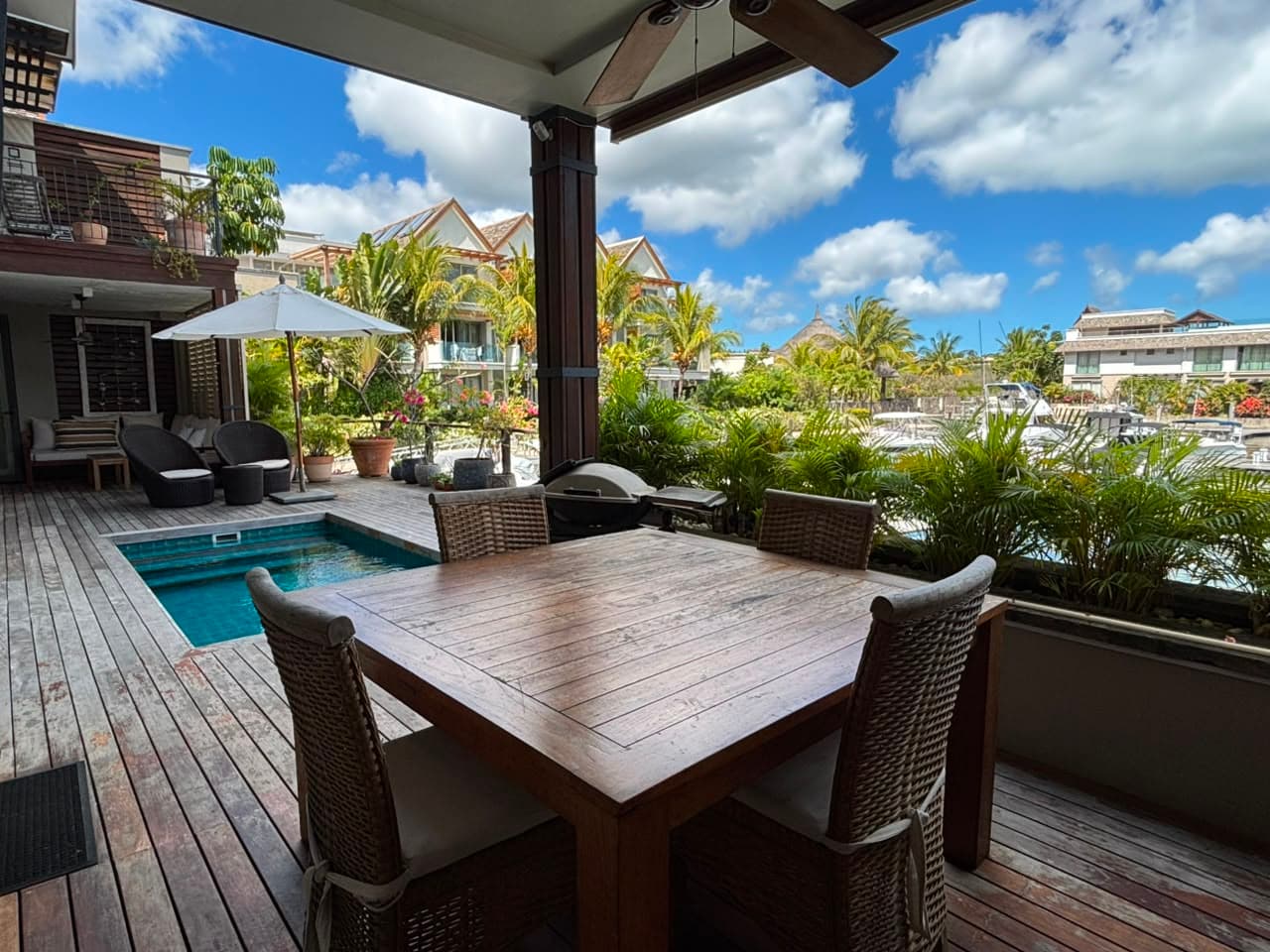
Ultimate Marina Lifestyle – Luxury Waterfront Residence, Private Mooring & Boat
44


Searching for properties homes in Mauritius? This plain-English guide covers the buying process, costs, legal steps, and how to find the right property with confiden
Finding and purchasing properties homes in Mauritius follows a structured legal process that is accessible to foreign nationals, provided you understand which schemes apply to you, what costs to budget for, and how to navigate the local market efficiently. This guide covers each stage clearly, from initial search to registered ownership, so you can make informed decisions without unnecessary delays.
The Mauritian residential market covers a broad spectrum of property types, each suited to different budgets and lifestyles.
Understanding which category a property falls into is essential before making any offer, because the legal pathway and foreign ownership rights differ between scheme types and non-scheme properties.
Foreign buyers cannot purchase just any property in Mauritius. Outside of the approved schemes listed below, freehold land purchases by non-citizens require specific government authorisation.
| Scheme | Minimum Investment | Residency Eligibility | |---|---|---| | Property Development Scheme (PDS) | USD 375,000 | Yes, if threshold met | | Integrated Resort Scheme (IRS) | USD 375,000 | Yes | | Real Estate Scheme (RES) | No minimum (market rate) | Yes, if USD 375,000+ | | Smart City Scheme | Varies by project | Yes, if threshold met | | Ground + 2 (G+2) Apartments | No minimum | No automatic residency |
Each scheme is regulated by the Economic Development Board (EDB) of Mauritius. Your notary will confirm which scheme applies to any property you are considering and whether your purchase qualifies for a residency permit.
Most buyers begin their search online before visiting the island. A reliable property portal allows you to filter by location, price, property type, and scheme eligibility, saving considerable time during an in-person visit.
When evaluating listings, look for:
Property Finder Mauritius is a dedicated local property portal that aggregates residential listings across the island, allowing buyers to search by region, budget, and property type. The platform is designed specifically for the Mauritian market, which means listings are categorised according to local legal frameworks rather than generic international filters.
Budgeting accurately requires accounting for costs beyond the headline purchase price. The following are standard transaction costs for residential property purchases in Mauritius.
For scheme properties, the developer may also charge a one-time infrastructure or membership fee. Always request a full cost breakdown in writing before signing any reservation agreement.
Use a reputable Mauritian property portal or engage a licensed estate agent. Shortlist properties that match your budget, location preference, and legal eligibility as a foreign buyer.
Appoint a Mauritian notary or independent lawyer to verify title, check for encumbrances, confirm scheme registration, and review any existing charges on the property.
Once satisfied with due diligence, submit a written offer. If accepted, a reservation agreement (sometimes called a Promise to Sell or Promesse de Vente) is signed, typically accompanied by a deposit of 5–10% of the purchase price.
For scheme properties, your notary submits an application to the Economic Development Board. Processing times vary but typically range from four to eight weeks.
Once all conditions are met and funds are in place, both parties sign the Deed of Sale before a Mauritian notary. The notary registers the deed with the Registrar-General, at which point legal ownership transfers to the buyer.
If your purchase qualifies for a residency permit, your notary or a licensed immigration consultant submits the application to the Passport and Immigration Office after registration of the deed.
Not all property search tools are built equally for the Mauritian market. A platform designed specifically for local buyers and foreign investors should offer:
Property Finder Mauritius is built around these requirements, offering a curated database of residential listings with structured data that helps buyers and their advisors assess eligibility and costs before committing to a viewing.
Assuming all property is available to foreigners. Only scheme properties and G+2 apartments are freely available to non-citizens without special authorisation. Confirm eligibility before investing time in a property.
Underestimating transaction costs. Registration duty, notary fees, and management fees can add 7–10% to the headline price. Always model the full cost of acquisition.
Skipping independent legal advice. A developer's notary represents the developer. Appoint your own notary or lawyer to protect your interests.
Confusing residency with citizenship. A property purchase above the qualifying threshold grants a residency permit, not citizenship. Citizenship by investment is a separate, more involved process.
Not verifying agent credentials. In Mauritius, real estate agents are regulated by the Estate Agents Authority (EAA). Verify that any agent you work with holds a valid EAA licence.
Buying properties homes in Mauritius as a foreign national is a well-defined process with clear legal frameworks, transparent costs, and established timelines. The key is preparation: understand which scheme applies to your chosen property, budget for all transaction costs from the outset, and appoint qualified independent legal representation. With the right information and the right platform to begin your search, the path from shortlist to registered ownership is straightforward.
No. Foreign nationals can only purchase residential property within government-approved schemes (IRS, RES, PDS, Smart City) or G+2 apartment developments without special authorisation. Other freehold land purchases require government approval.
A purchase price of USD 375,000 or above within an approved scheme qualifies the buyer for a Mauritian residency permit. The permit is linked to continued ownership of the property.
From signed reservation agreement to registered Deed of Sale, the process typically takes three to six months, depending on EDB authorisation timelines and mortgage arrangements.
Buyers should budget approximately 7–10% of the purchase price for transaction costs, including 5% registration duty, 1–2% notary fees, EDB application fees, and any scheme-specific charges.
Yes. All property transfers in Mauritius must be executed before a licensed Mauritian notary. The notary registers the Deed of Sale with the Registrar-General, which is what legally transfers ownership.
The Estate Agents Authority (EAA) is the government body that licenses and regulates real estate agents in Mauritius. Buyers should verify that any agent they engage holds a current EAA licence before entering into any agreement.
Yes. Owners pay local property rates, body corporate or management fees (in gated estates and apartment complexes), buildings insurance, and standard utility costs. Management fees vary widely depending on the development and its facilities.
Hand-picked
Riviere Noire · West

Tamarin · West


Baie du Cap · South

Tamarin · West

Baie du Cap · South

Beau Champ · East
Explore by region
Explore the site
Market updates, buying guidance and the best new listings, straight to your inbox.
Mauritius Real Estate · 16 Oct 2026
Everything you need to know about house rental in Mauritius: costs, locations, lease rules, and how to find the right property. Updated guide for…
Mauritius Real Estate · 16 Oct 2026
Explore the west coast of Mauritius: top neighbourhoods, property market, beaches, lifestyle, and what foreign buyers need to know before purchasing.
Mauritius Real Estate · 15 Oct 2026
Seen our properties on PropertyCloud? How the listings match, what you get searching with us directly, and the essentials of buying in Mauritius.
Mauritius Real Estate · 13 Oct 2026
Where to find a business park in Mauritius, what leasing or buying costs, and how foreign companies set up. Covers Ebène, Grand Baie, Pailles and…
Mauritius Real Estate · 12 Oct 2026
A practical guide to business insurance in Mauritius for property owners, landlords, and investors. Covers key cover types, costs, and what to check…
Mauritius Real Estate · 10 Oct 2026
Everything you need to know about getting a skipper license in Mauritius, from exam requirements to costs, plus how it connects to waterfront living.
Browse our current listings or speak to an agent.


