FOR SALEExpat
€1.0M
Baie du Cap · South
Bioclimatic Villa in Mauritius – 3-Bedroom Luxury Home with Private Pool
33

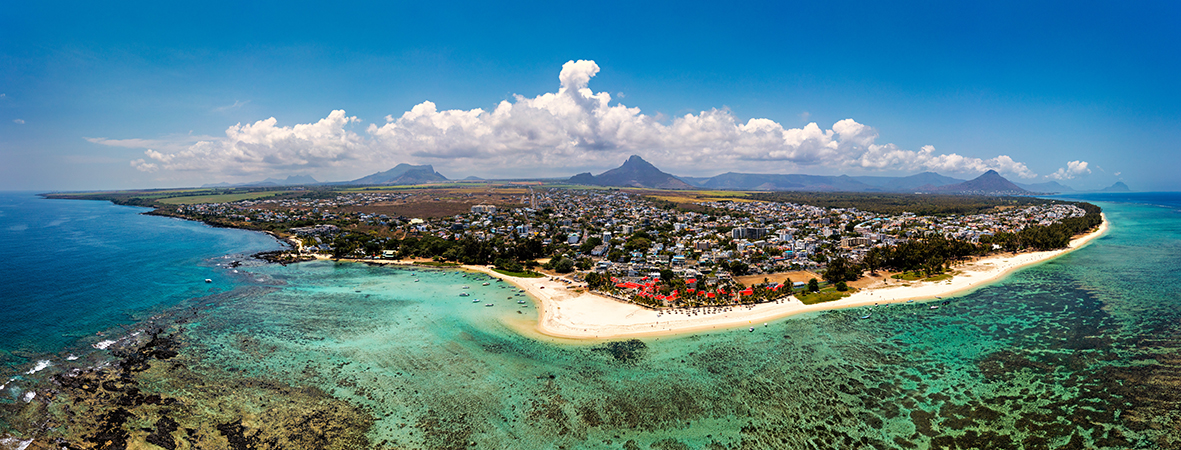
Mauritius offers a diverse property market spanning luxury villas, apartments, and townhouses across stunning coastal and inland locations. Here is everything buyers need to know before investing.
Mauritius consistently ranks among the Indian Ocean's most stable and attractive property markets, combining political stability, a favourable tax regime — zero capital gains tax, no inheritance tax — and a genuine lifestyle appeal that draws buyers from Europe, South Africa, and beyond. Foreign nationals can legally purchase property here through government-approved schemes, and qualifying purchases above USD 375,000 automatically unlock Mauritian residency. In short, buying property in Mauritius is not just a lifestyle decision — it is a sound financial strategy.
The market spans a wide spectrum to suit different budgets and intentions:
Yes — but within a defined framework. Non-citizens must purchase through one of the government-approved property schemes:
It is important to work with a registered notary and a reputable real estate agent to navigate the Economic Development Board (EDB) approval process, which is required for all foreign acquisitions.
The north is the island's social and tourism hub. Grand Baie offers vibrant dining, shopping, and watersports, making it perennially popular for both holiday homes and rental investments. Apartments and villas here command a premium but deliver strong rental yields.
The west coast is known for its dramatic mountain backdrop, surf breaks, and a relaxed expatriate community. Tamarin in particular has seen significant development growth over the past decade, attracting younger buyers and digital nomads.
The south is quieter and greener, home to some of the island's most prestigious golf and beach estate developments. Buyers seeking exclusivity and privacy tend to gravitate here.
Inland living appeals to families and professionals. Moka's smart city development has transformed the central plateau into a modern urban district with international schools, hospitals, and business parks within easy reach.
Buyers should account for additional transaction costs, which typically include:
Annual property taxes in Mauritius are low by international standards, and rental income is taxed at a flat 15% — one of the most competitive rates globally.
Demand from international buyers has remained robust post-pandemic, with the EDB reporting consistent growth in approved foreign property purchases. The government continues to refine schemes to attract high-net-worth individuals, and infrastructure investment — new roads, the Metro Express, and smart city expansion — is actively increasing property values in key corridors. For buyers considering entry, acting before further price appreciation in sought-after areas makes a compelling case.
Ready to find your ideal property in Mauritius? Contact the PropertyFinder Mauritius team via our contact page to arrange a viewing or get expert guidance tailored to your budget and goals. You can also browse our full range of properties for sale in Mauritius to start your search today.
Hand-picked
Baie du Cap · South

Riviere Noire · West

Tamarin · West

Riviere Noire · West

Beau Champ · East

Tamarin · West

Baie du Cap · South
Explore by region
Explore the site
Browse our current listings or speak to an agent.