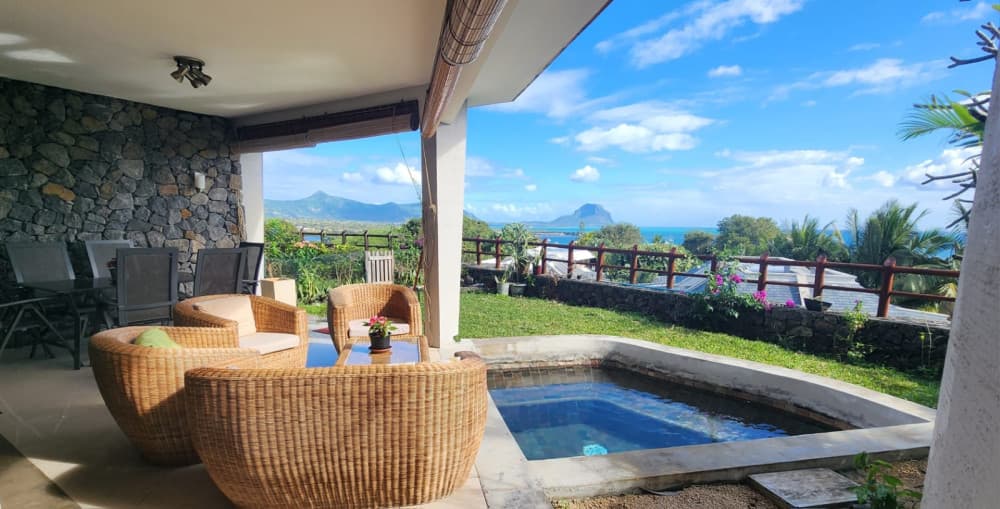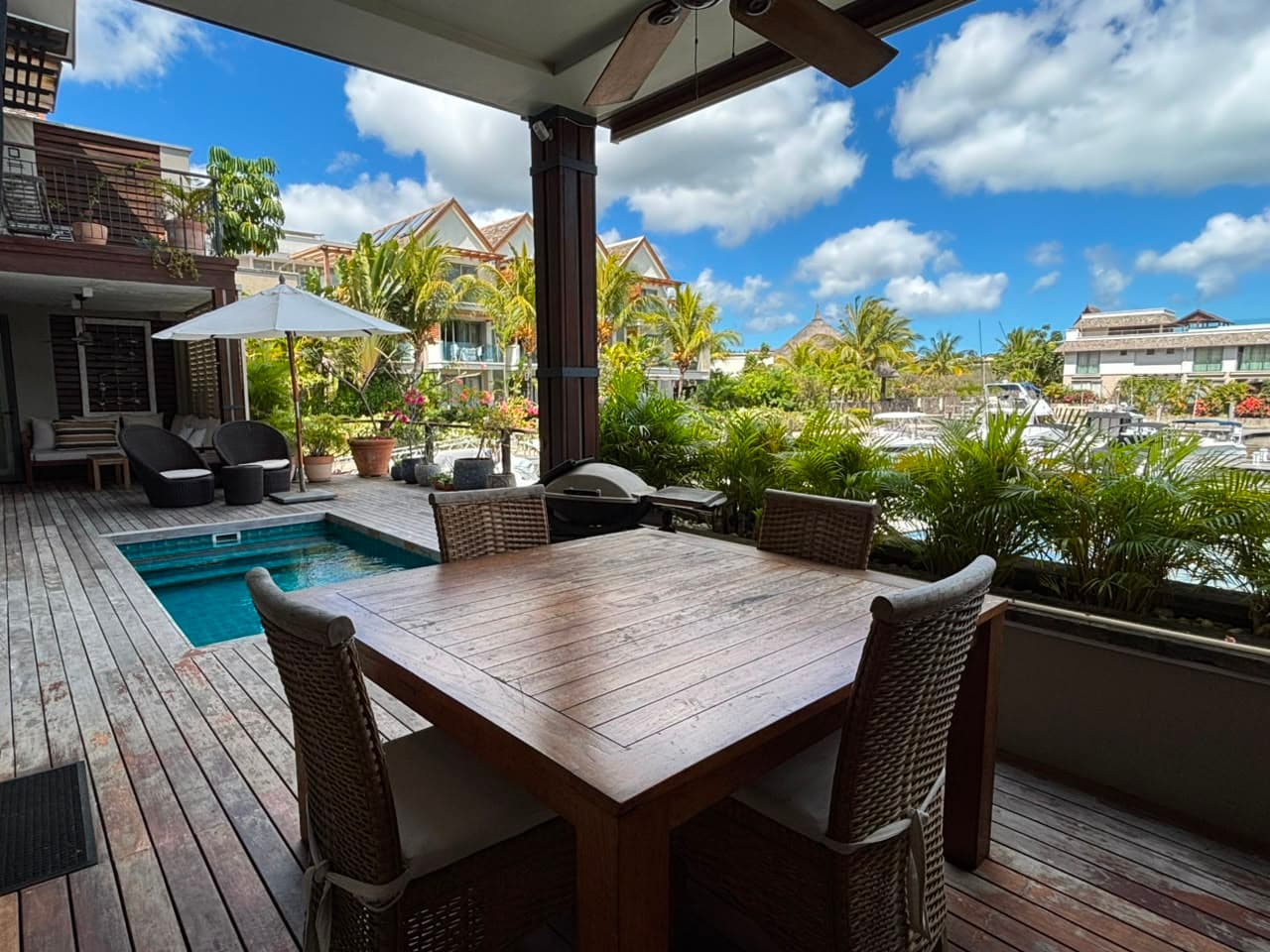
FOR RENTExpat
Rs450K/mo
Riviere Noire · West
Ultimate Marina Lifestyle – Luxury Waterfront Residence, Private Mooring & Boat
44

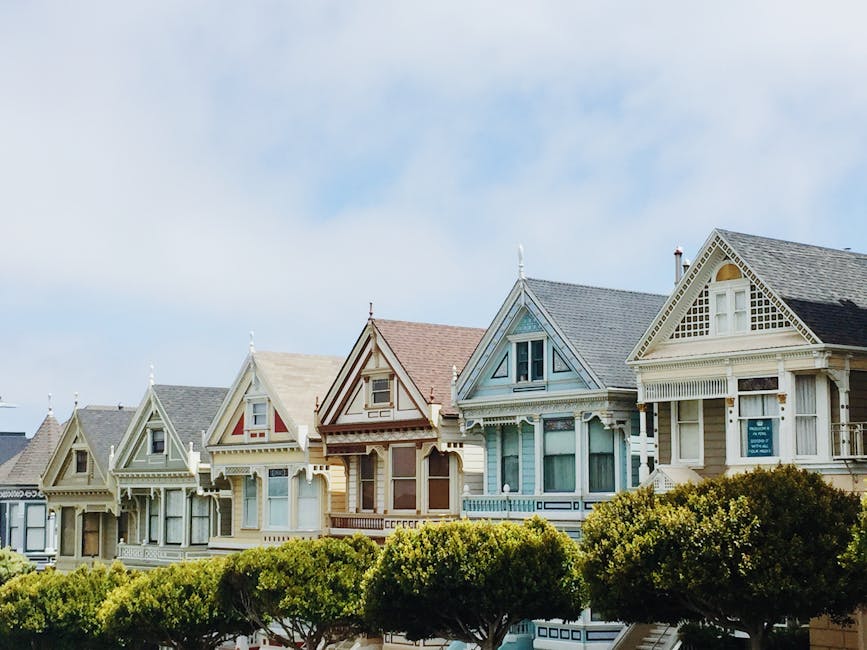
Mauritius is a multilingual island where English, French, and Creole all play a role in everyday life and property transactions — and understanding this linguistic landscape is essential for any British or European buyer serious about investing here. This guide explores what expats need…
Mauritius is one of the most coveted destinations in the Indian Ocean for British and European expats — and with good reason. Stable governance, a favourable tax environment, world-class healthcare, and breathtaking natural beauty make it a compelling place to both live and invest. But for anyone arriving from the UK, France, Germany, or elsewhere in Europe, one question tends to surface early in the property search: how do I navigate a market where the language landscape is far more complex than it first appears?
This is where understanding the linguistic fabric of Mauritius becomes not just culturally enriching, but practically essential for any serious property buyer.
Mauritius is a linguistic mosaic shaped by centuries of colonial history. The island was colonised first by the Dutch, then the French, and finally the British — each leaving their mark on the culture, legal system, and everyday speech. Today, the country has no single official language, though English holds constitutional status and is used in government, law, and formal business. French, however, is the dominant language of the media, commerce, and everyday professional life.
Then there is Mauritian Creole — known locally as Morisyen — the mother tongue of the vast majority of the population. It's a rich, expressive language with roots in French but woven through with influences from Malagasy, Bantu, Tamil, and Hindi. You'll hear it in markets, on beaches, in restaurants, and between neighbours. It is, in every sense, the heartbeat of the island.
For a British buyer accustomed to English-language transactions, this multilingual environment can initially feel disorienting. Legal documents may arrive in French. Estate agents may switch fluidly between English and Creole mid-conversation. A property listing might describe a villa's location using local place names that don't appear on standard maps.
The good news is that English is widely understood in the Mauritian property sector, particularly among reputable developers, legal notaries, and established real estate platforms. The notarial system — inherited from French law — governs all property transactions, which means contracts (actes de vente) are drafted in French. It is not only advisable but essential to engage a bilingual notary or a trusted legal representative who can guide you through these documents with clarity.
For expats purchasing under the Property Development Scheme (PDS) or the Smart City Scheme — the primary frameworks through which foreign nationals can acquire freehold property in Mauritius — understanding the contractual language is critical. Misinterpreting a clause around construction timelines, payment schedules, or land use rights can have significant financial consequences.
Beyond the legal dimension, language also shapes how you experience the lifestyle of living in Mauritius. Making the effort to learn even basic Mauritian Creole phrases — bonzour (good morning), mersi (thank you), kouma ou apele? (what is your name?) — earns immediate warmth and respect from local communities. In a place where relationships matter deeply, this small gesture goes a long way.
Work with bilingual professionals. From your estate agent to your notary, ensure your key advisors are comfortable communicating in English and can translate French legal documents accurately on your behalf.
Don't rely on machine translation for contracts. While tools like Google Translate are useful for casual reading, they are not adequate for interpreting legally binding property documents. A small investment in professional translation could save you from costly misunderstandings.
Learn the local geography. Mauritius is divided into distinct regions — the North Coast around Grand Baie, the luxury belt of Bel Ombre and Black River in the south-west, and the quieter charms of the East Coast near Belle Mare. These regional names carry real meaning in terms of lifestyle, accessibility, and property values. Knowing them helps you ask better questions.
Embrace the cultural richness. The multilingual nature of Mauritius is not a barrier — it is a feature. It reflects a society that is remarkably open, adaptive, and internationally minded. Most Mauritians are genuinely proud of their linguistic versatility and are patient with newcomers finding their feet.
Mauritius has consistently attracted discerning investors from across Europe, and the property market continues to offer strong fundamentals — from capital appreciation in premium coastal zones to rental yields driven by high-end tourism. But getting the most from this market requires more than financial acumen. It requires cultural intelligence and trusted local guidance.
At PropertyFinder Mauritius, we specialise in helping British and European buyers navigate every dimension of the property journey — including the linguistic and cultural nuances that can make all the difference. Our team is bilingual, our listings are transparent, and our knowledge of the local market runs deep.
Ready to explore your options? Browse our curated property listings or get in touch with our advisors today — in whichever language you prefer.
Hand-picked
Riviere Noire · West

Baie du Cap · South

Tamarin · West
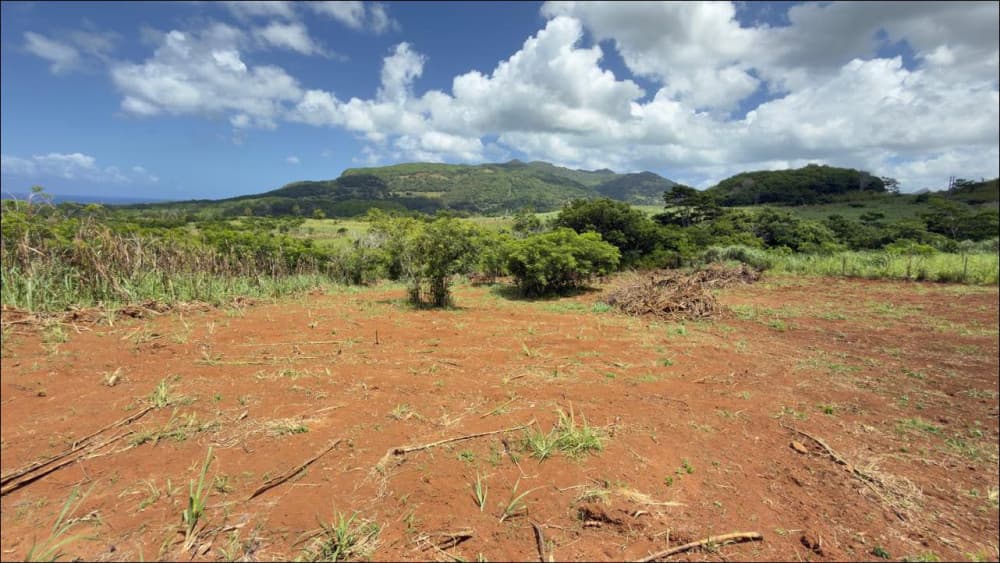
Baie du Cap · South
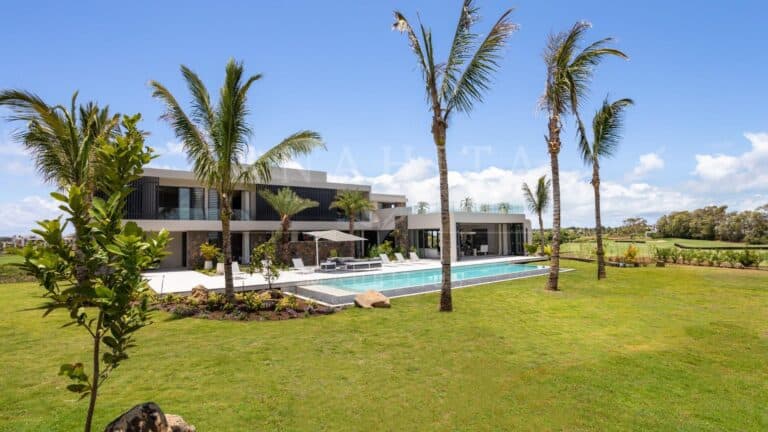
Beau Champ · East

Riviere Noire · West
Explore by region
Explore the site
Market updates, buying guidance and the best new listings, straight to your inbox.
About Mauritius · 28 Aug 2024
Mauritius is one of the safest islands in the Indian Ocean, but that doesn't stop savvy expats from seeking out martial arts and self-defense…
About Mauritius · 26 Aug 2024
Mauritius may be a small island, but its bookshops and online literary scene offer a surprisingly rich experience for expats and book lovers calling…
About Mauritius · 23 Aug 2024
From the UNESCO-listed heights of Le Morne Brabant to the vibrant streets of Grand Baie and the wild interior of Black River Gorges, Mauritius…
About Mauritius · 22 Aug 2024
The Mauritian Wildlife Foundation has spent four decades rescuing the island's rarest species and restoring its native ecosystems — and for those…
About Mauritius · 21 Aug 2024
The brilliantly coloured Mauritius day gecko is far more than a garden curiosity — as a native pollinator, seed disperser, and natural pest…
About Mauritius · 13 Aug 2024
Off the southwestern tip of Mauritius, an extraordinary optical illusion makes the Indian Ocean appear to cascade into an endless abyss — and a…
Browse our current listings or speak to an agent.