FOR RENTExpat
Rs450K/mo
Riviere Noire · West
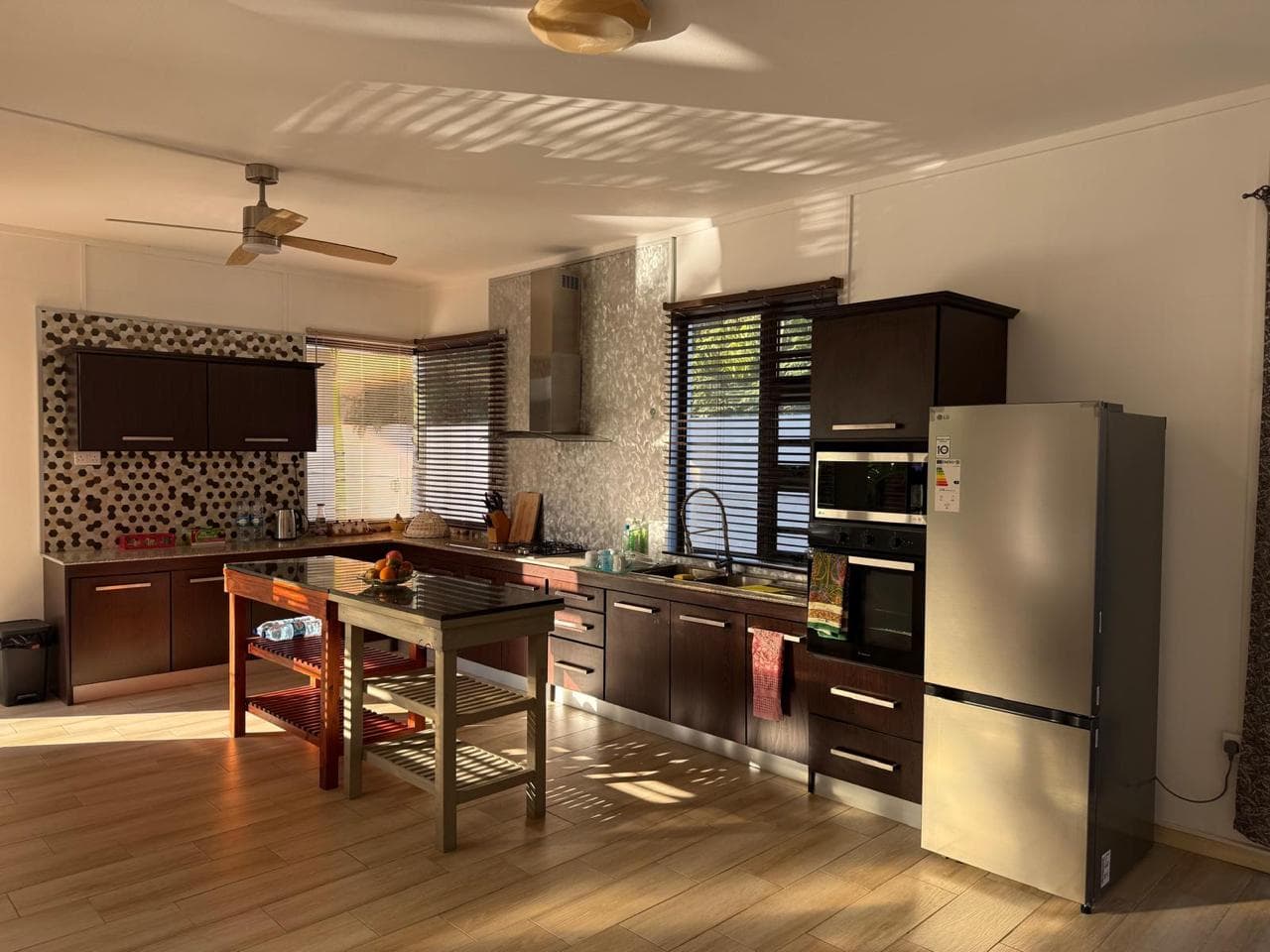
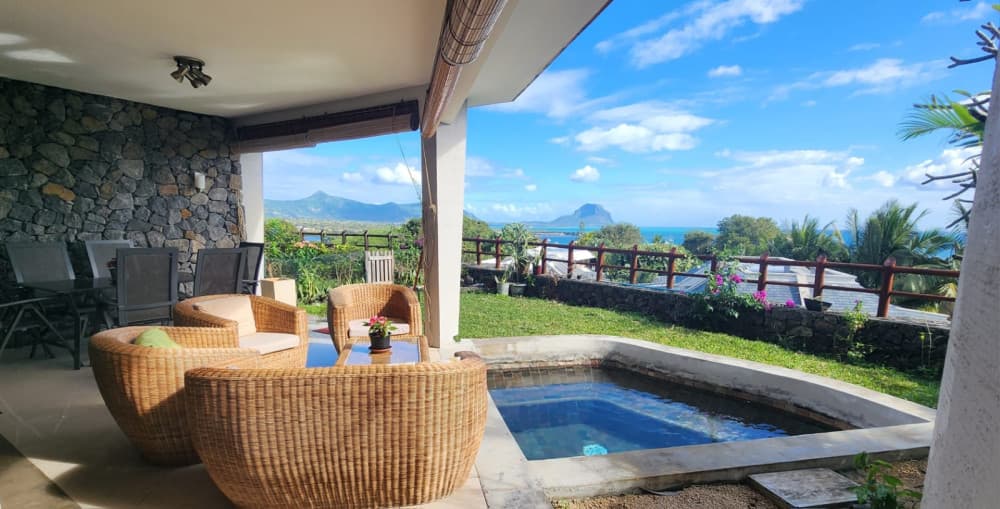
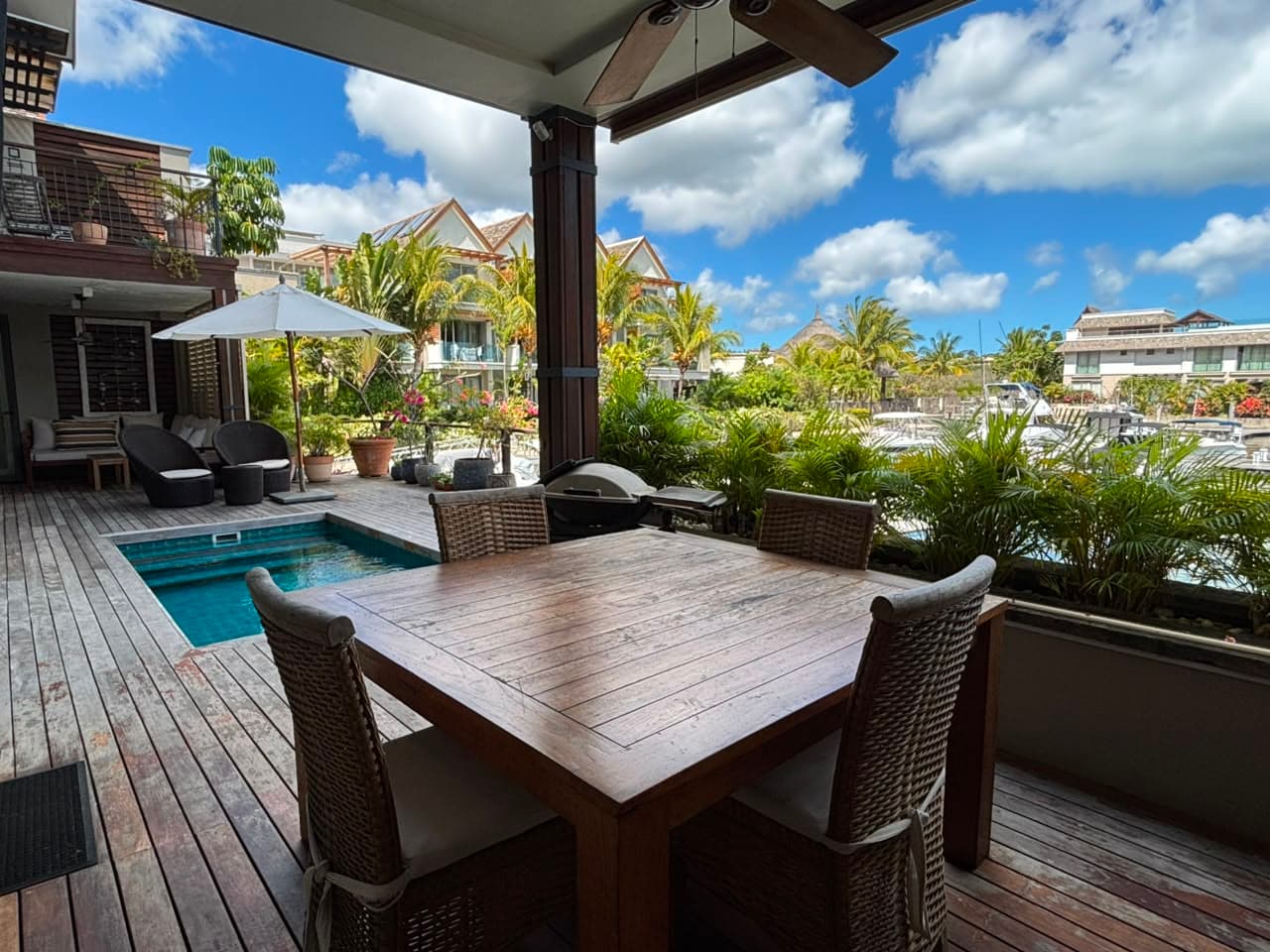
Ultimate Marina Lifestyle – Luxury Waterfront Residence, Private Mooring & Boat
44


Mauritius offers British and European expats a rare combination of low taxation, strong property investment potential, and a high-quality lifestyle at a fraction of Western European costs. This in-depth review explores the true economics of living on the island, from daily expenses and …
For British and European nationals weighing up a move abroad, the financial case for Mauritius is compelling — and increasingly difficult to ignore. Beyond the postcard-perfect beaches and year-round sunshine, the island offers a sophisticated economic environment that rewards both lifestyle seekers and serious investors. But what does it actually cost to live here, and what does your money genuinely get you?
One of the most significant economic draws for European expats is Mauritius's progressive personal income tax, from 0% to 35%, and a 15% corporate tax rate, among the lowest in the world for a fully functioning, well-governed economy. There is no capital gains tax, no inheritance tax, and no wealth tax. For high-net-worth individuals relocating from the UK, France, or Germany — where combined tax burdens can exceed 45% — this represents a transformative shift in personal finances.
Mauritius is also a signatory to Double Taxation Avoidance Agreements (DTAAs) with over 45 countries, including the UK and France, making it a strategically intelligent base for entrepreneurs, retirees, and remote professionals alike.
While Mauritius is by no means a budget destination, it offers exceptional value relative to Western Europe — particularly when lifestyle quality is factored in. A couple living comfortably, dining out regularly, and maintaining a car can expect monthly expenses in the region of €2,500 to €4,000, depending on location and lifestyle preferences.
Groceries sit roughly 20–30% below London prices for local produce, though imported European goods carry a premium. Dining out is a genuine pleasure here — a meal at a good restaurant in Grand Baie or Tamarin rarely exceeds €30 per person, while a casual beachside lunch can come in well under €15.
Private healthcare, favoured by most expats, is of a high standard and significantly more affordable than equivalent coverage in the UK. A comprehensive private health insurance plan for a couple typically runs between €150 and €300 per month.
Perhaps the most powerful economic argument for Mauritius is in property investment. The government's Property Development Scheme (PDS) and Smart City Scheme allow non-citizens to purchase residential property from a threshold of USD 375,000, which also qualifies buyers for a Mauritian residence permit — a significant ancillary benefit.
What does that investment look like in practice? In prestigious areas such as Balaclava, Rivière Noire, or the North Coast, USD 375,000 to USD 600,000 secures a beautifully finished two- or three-bedroom villa or apartment within a managed estate, often with access to private beach clubs, pools, and concierge services. Comparable properties in the South of France or Algarve would command two to three times the price.
Rental yields on the island are also attractive. Well-positioned luxury properties in high-demand corridors consistently achieve gross yields of 5–7%, with strong occupancy driven by high-end tourism and a growing community of long-stay expats.
Flights from London Heathrow to Sir Seewoosagur Ramgoolam International Airport operate year-round, with Air Mauritius and British Airways offering direct services. Flight times average around 11–12 hours, and tickets typically range from £600 to £1,500 return in economy, depending on season.
For those committing to the island long-term, the Premium Visa — introduced in 2020 — allows remote workers and retirees to reside in Mauritius for up to one year, renewable, without the need to establish a formal business. It is a straightforward and increasingly popular entry point for Europeans testing island life before making a full commitment.
Mauritius consistently ranks among Africa's top economies on indices measuring governance, ease of doing business, and political stability — an important consideration for investors placing significant capital offshore. The island's legal system is based on a hybrid of English common law and French civil law, which European buyers tend to find transparent and reassuringly familiar.
Internet infrastructure has improved markedly, with fibre broadband now widely available in expat-heavy areas, making remote work increasingly practical. International schools — including the Lycée de Curepipe and several British-curriculum institutions — ensure that families with children are well catered for.
The economics of living in Mauritius stack up persuasively for Europeans prepared to think beyond the obvious destinations. Low taxation, strong property value, accessible healthcare, and a cost of living that delivers a genuinely elevated lifestyle without the eye-watering price tag of Western Europe — it is a combination that is rare, and increasingly recognised.
If you are considering making Mauritius your next home or investment destination, PropertyFinder Mauritius is your trusted starting point. Browse our curated portfolio of luxury villas, apartments, and PDS-approved estates, or speak with one of our expert advisors to find the property that aligns with your goals — financial and otherwise.
Hand-picked
Riviere Noire · West

Baie du Cap · South
Tamarin · West

Baie du Cap · South
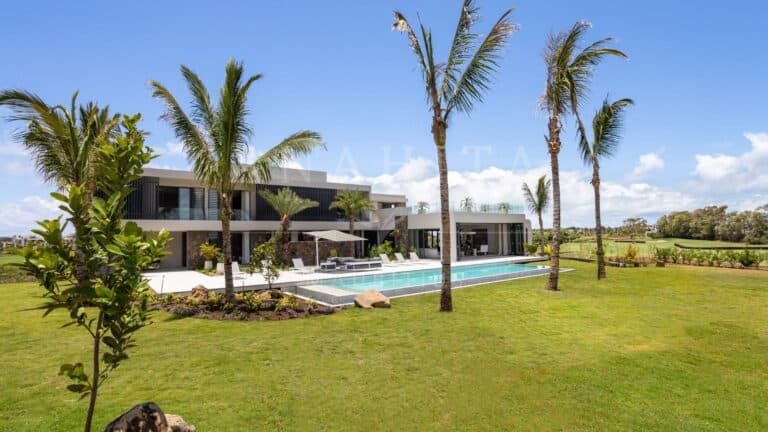
Beau Champ · East
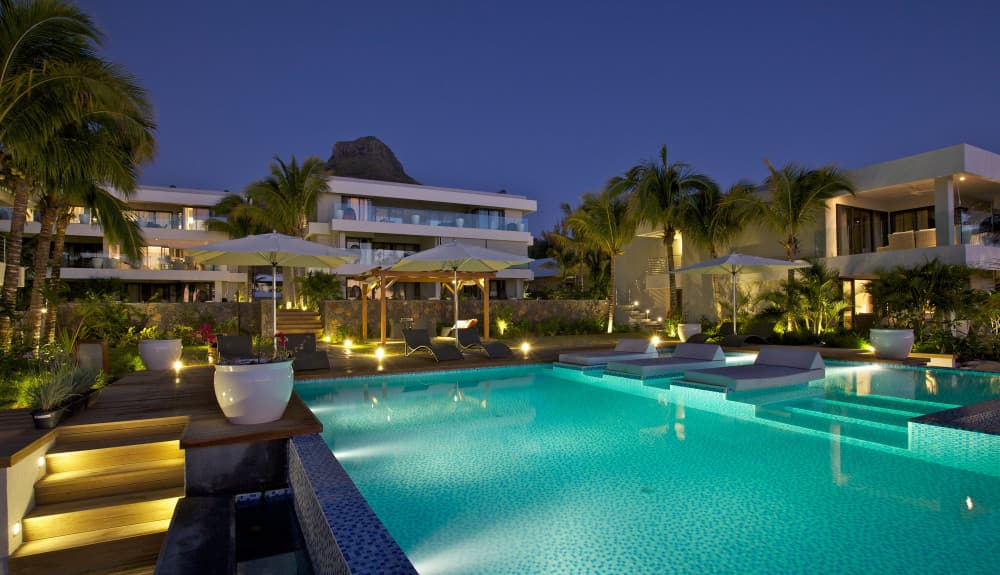
Riviere Noire · West
Explore by region
Explore the site
Market updates, buying guidance and the best new listings, straight to your inbox.
About Mauritius · 28 Aug 2024
Mauritius is one of the safest islands in the Indian Ocean, but that doesn't stop savvy expats from seeking out martial arts and self-defense…
About Mauritius · 26 Aug 2024
Mauritius may be a small island, but its bookshops and online literary scene offer a surprisingly rich experience for expats and book lovers calling…
About Mauritius · 23 Aug 2024
From the UNESCO-listed heights of Le Morne Brabant to the vibrant streets of Grand Baie and the wild interior of Black River Gorges, Mauritius…
About Mauritius · 22 Aug 2024
The Mauritian Wildlife Foundation has spent four decades rescuing the island's rarest species and restoring its native ecosystems — and for those…
About Mauritius · 21 Aug 2024
The brilliantly coloured Mauritius day gecko is far more than a garden curiosity — as a native pollinator, seed disperser, and natural pest…
About Mauritius · 13 Aug 2024
Off the southwestern tip of Mauritius, an extraordinary optical illusion makes the Indian Ocean appear to cascade into an endless abyss — and a…
Browse our current listings or speak to an agent.