FOR RENTExpat
Rs450K/mo
Riviere Noire · West
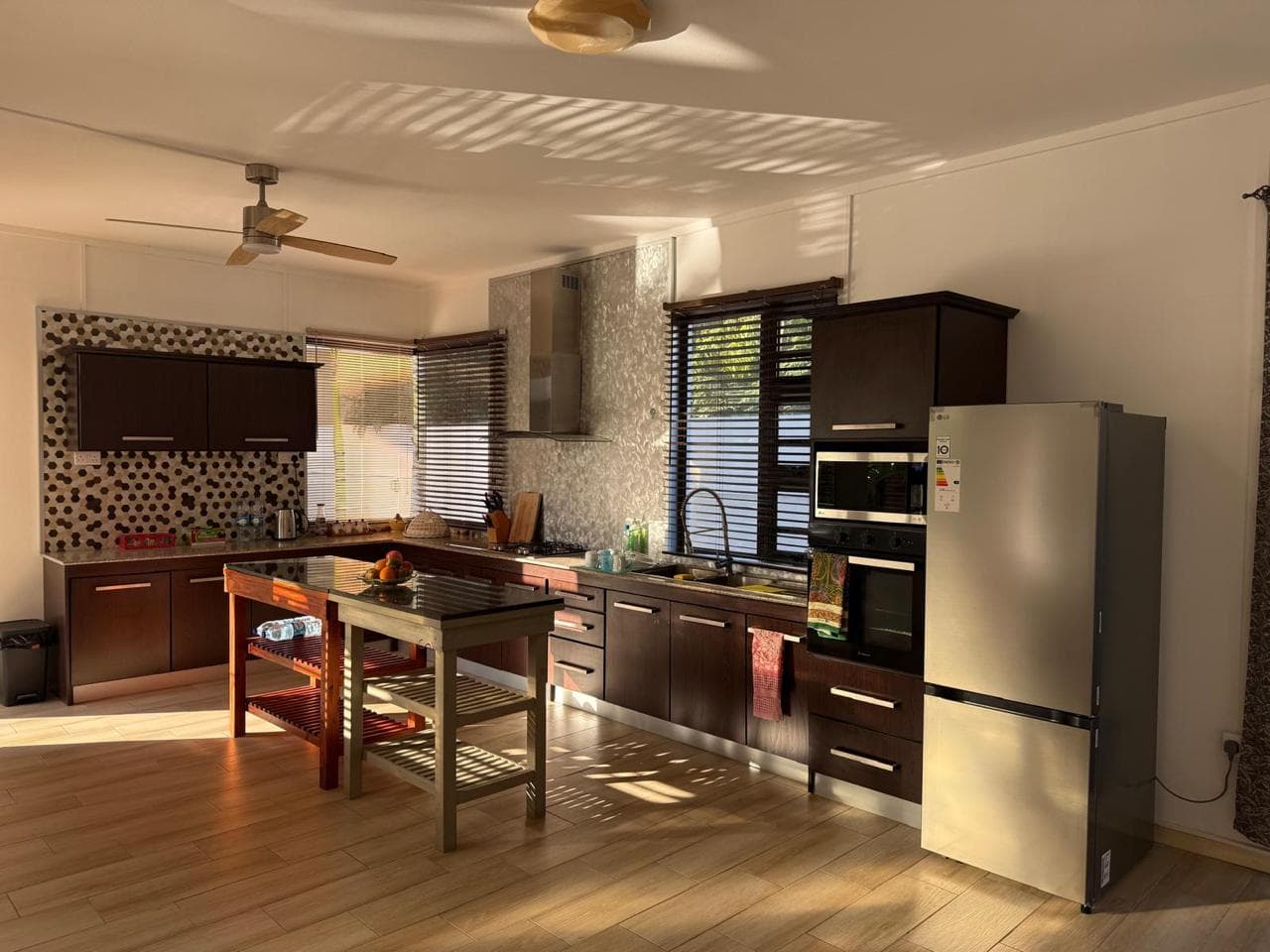
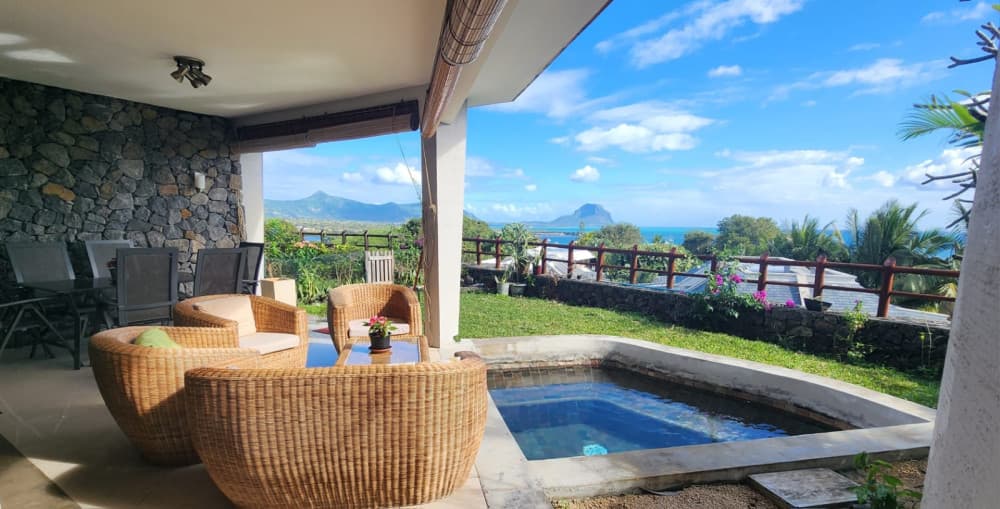
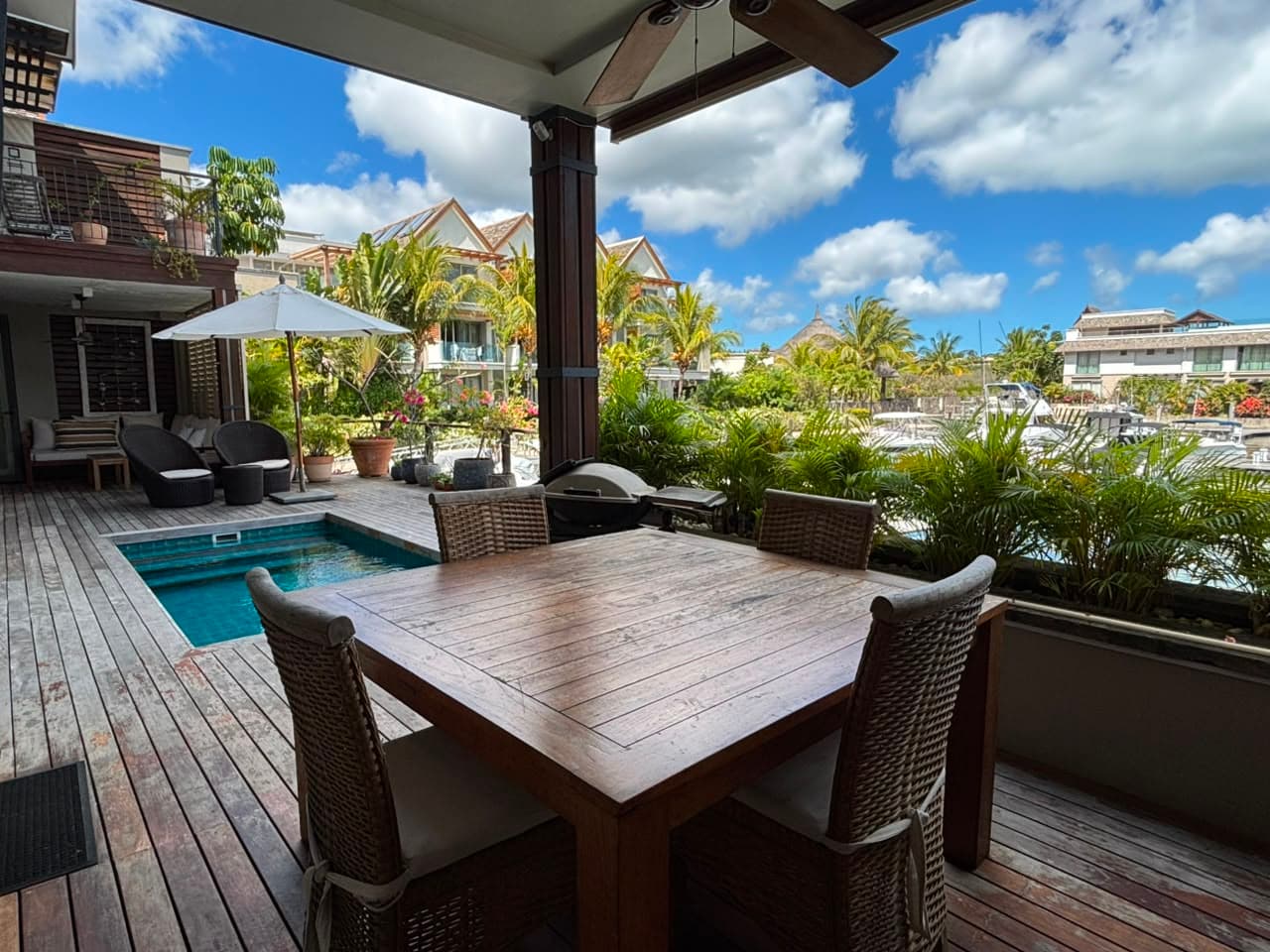
Ultimate Marina Lifestyle – Luxury Waterfront Residence, Private Mooring & Boat
44


From spiced dholl puri at a busy roadside stall to candlelit tasting menus overlooking the Indian Ocean, Mauritius offers one of the most diverse and rewarding food cultures in the world. For British and European expats and investors, it is just one of the many reasons life on this extr…
One of the first things visitors notice when they arrive in Mauritius — after the turquoise lagoons and swaying casuarina trees — is the smell. Drifting from roadside stalls and beachside shacks, it is warm, spiced, and utterly irresistible. The island's food scene is one of its most underrated treasures, and for British and European expats considering a move here, it is often what seals the deal. Mauritius does not simply offer a place to live — it offers a way of eating that is genuinely extraordinary, spanning everything from a five-rupee dholl puri to a multi-course tasting menu overlooking the Indian Ocean.
Street food in Mauritius is a window into the island's multicultural soul. The population is a blend of Indian, Creole, Chinese, and European heritage, and nowhere is this more deliciously evident than at the roadside stalls — known locally as gajak culture — that line busy market towns like Quatre Bornes and Port Louis.
The undisputed king of Mauritian street food is the dholl puri: a soft, turmeric-tinged flatbread made with ground split peas, filled with rougaille (a spiced tomato sauce), white bean curry, and pickled vegetables. It costs almost nothing and is eaten folded in paper, standing up, often for breakfast. Equally beloved is the gato piment — a crispy fried chilli cake made from yellow split peas — sold from baskets and consumed in seconds. Then there are the Chinese-influenced snacks like boulettes (steamed dumplings in broth) served from rolling carts in Port Louis's vibrant Chinatown district.
For expats settling into island life, exploring the street food scene is not just a culinary adventure — it is a cultural education. The Central Market in Port Louis is the best place to start: a labyrinthine, aromatic market where vendors sell fresh tropical fruits, spices, and homemade chutneys alongside ready-to-eat bites that have been perfected over generations.
Mauritius has invested heavily in its luxury hospitality sector, and the results are spectacular. The island is home to some of the finest resort restaurants in the world, with properties like One&Only Le Saint Géran, Constance Belle Mare Plage, and Shangri-La Le Touessrok regularly appearing in global dining rankings. These establishments offer everything from contemporary French cuisine and Japanese omakase to inventive Creole tasting menus — all paired with exceptional wine lists and views that render even the most seasoned traveller speechless.
Beyond the resort bubble, the standalone restaurant scene is flourishing. Le Château de Bel Ombre in the south offers heritage dining inside a restored 19th-century estate surrounded by sugar cane fields — a uniquely Mauritian combination of history, landscape, and gastronomy. In the cooler, leafy highlands of Curepipe, family-run restaurants serve rich carry poulet and slow-braised octopus with a generosity that no prix-fixe menu can replicate.
The coastal village of Grand Baie in the north has evolved into a sophisticated dining hub, with wine bars, Japanese-fusion restaurants, and farm-to-table bistros catering to a cosmopolitan crowd of expats, tourists, and wealthy locals. It is no coincidence that Grand Baie is also one of the most sought-after locations for luxury property investment in Mauritius — the quality of life here, underpinned by world-class dining and a vibrant social scene, makes it enormously attractive to European buyers seeking a permanent base or a high-yielding holiday rental.
For those exploring property investment in Mauritius, the food scene is more than a perk — it is part of the value proposition. Buyers purchasing villas within Integrated Resort Schemes (IRS) or Property Development Schemes (PDS) near the coast often enjoy proximity to both artisan seafood markets and celebrated resort restaurants. This dual access to authentic local culture and five-star amenities is something few other markets in the world can credibly offer.
The island's food culture also reflects its stability and sophistication. Mauritius is not a place that simply imports luxury for foreign consumption — it has its own deep, evolving culinary identity that rewards those who take the time to explore it. From the fishermen selling freshly caught capitaine at Mahébourg's weekly market to the sommelier presenting a Burgundy at a beachfront table in Trou aux Biches, the range is extraordinary and the quality is consistently high.
Whether you are drawn to the simplicity of a perfectly spiced street snack or the theatre of a sunset fine dining experience, Mauritius will meet you exactly where you are. Its food scene is diverse, generous, and deeply human — much like the island itself.
If the Mauritian lifestyle has caught your attention — and a table by the ocean sounds like the kind of view you would like to come home to — PropertyFinder Mauritius can help you find the perfect property to make it a reality. Explore our curated portfolio of luxury villas, penthouses, and beachfront residences, and let us help you write your next chapter in one of the world's most remarkable islands.
Hand-picked
Riviere Noire · West

Baie du Cap · South
Tamarin · West

Baie du Cap · South
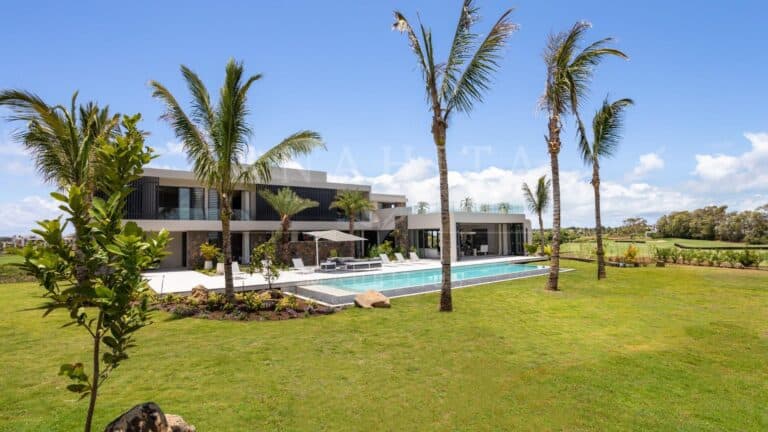
Beau Champ · East
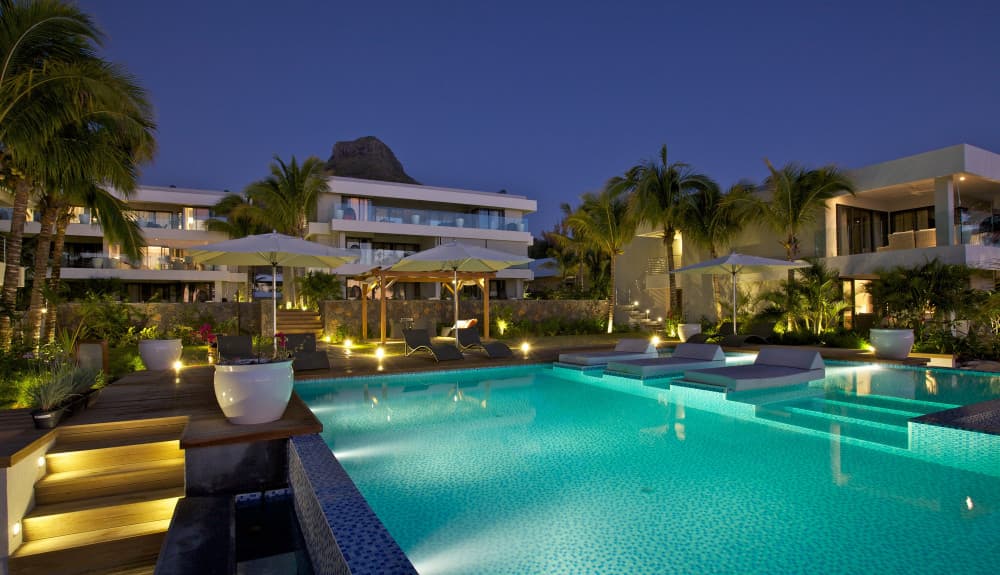
Riviere Noire · West
Explore by region
Explore the site
Market updates, buying guidance and the best new listings, straight to your inbox.
About Mauritius · 28 Aug 2024
Mauritius is one of the safest islands in the Indian Ocean, but that doesn't stop savvy expats from seeking out martial arts and self-defense…
About Mauritius · 26 Aug 2024
Mauritius may be a small island, but its bookshops and online literary scene offer a surprisingly rich experience for expats and book lovers calling…
About Mauritius · 23 Aug 2024
From the UNESCO-listed heights of Le Morne Brabant to the vibrant streets of Grand Baie and the wild interior of Black River Gorges, Mauritius…
About Mauritius · 22 Aug 2024
The Mauritian Wildlife Foundation has spent four decades rescuing the island's rarest species and restoring its native ecosystems — and for those…
About Mauritius · 21 Aug 2024
The brilliantly coloured Mauritius day gecko is far more than a garden curiosity — as a native pollinator, seed disperser, and natural pest…
About Mauritius · 13 Aug 2024
Off the southwestern tip of Mauritius, an extraordinary optical illusion makes the Indian Ocean appear to cascade into an endless abyss — and a…
Browse our current listings or speak to an agent.