FOR RENTExpat
Rs450K/mo
Riviere Noire · West
Ultimate Marina Lifestyle – Luxury Waterfront Residence, Private Mooring & Boat
44

Discover how to find and buy luxury property in Mauritius. Understand costs, processes, and what to expect as a foreign investor in the premium market.
Luxury property in Mauritius refers to high-value residential real estate, typically villas, penthouses, and estate homes, that combines premium construction, managed amenities, and legal frameworks that permit foreign ownership. Prices generally start around USD 375,000 for qualifying schemes and can exceed USD 5 million for beachfront or golf-estate properties. Understanding what drives that pricing, and how to navigate the purchase process, is the foundation of any sound investment decision.
Mauritius has built a well-regulated property market that attracts internationally mobile buyers from the United Kingdom, France, South Africa, and across Europe. The island's combination of political stability, a transparent legal system rooted in French civil law, favourable tax residency rules, and a genuine quality of life makes it one of the few places in the Indian Ocean region where foreign nationals can own freehold property outright.
Foreign buyers cannot purchase just any property in Mauritius, ownership is channelled through specific government-approved schemes. Each scheme defines the type of development, the minimum investment threshold, and the rights attached to ownership.
The IRS and RES were the original frameworks for foreign ownership. IRS properties sit on plots of at least 10 hectares and are positioned at the very top of the luxury market. RES developments are smaller in scale but still deliver high-specification residences. Both allow the buyer to apply for a Mauritian residence permit upon completing the purchase, provided the property meets the minimum value threshold.
The PDS replaced and consolidated the IRS and RES in 2015. It is now the primary route for luxury property acquisition by foreign nationals. A PDS development must dedicate a portion of its land to social amenities and contribute to the local community. Buyers who spend at least USD 375,000 are eligible to apply for a residence permit for themselves and their immediate family.
Smart Cities are large, mixed-use developments that blend residential, commercial, and leisure spaces. Luxury villas and apartments within a Smart City qualify for foreign ownership under the same USD 375,000 threshold. These developments tend to appeal to buyers who want connectivity and infrastructure alongside residential comfort.
This scheme allows foreign buyers to purchase apartments in buildings of at least three storeys. It opens up urban and semi-urban luxury apartment ownership, particularly in cities like Grand Baie, Tamarin, and Ebène.
Pricing in the Mauritius luxury segment is influenced by several distinct factors.
Location is the primary driver. Beachfront or ocean-view properties on the north and west coasts command the highest premiums. Tamarin and Black River on the west coast attract buyers seeking a relaxed, surf-influenced lifestyle. Grand Baie in the north is the most cosmopolitan area, with strong rental demand. The east coast offers quieter, more private estates.
Scheme type affects pricing because IRS and PDS developments carry higher development costs, which are reflected in the sale price. These costs include the mandatory community contribution, landscaping, and managed amenity infrastructure.
Finish specification varies significantly even within the luxury segment. A fully furnished villa with a private pool, smart-home technology, and a dedicated property management service will carry a meaningfully higher price than a shell-and-core unit of comparable size.
Rental yield potential is factored into pricing by developers and resellers alike. Properties in managed resorts with established rental programmes typically trade at a premium because buyers are acquiring both a home and an income-generating asset.
Buying luxury property in Mauritius follows a structured sequence. Knowing each stage in advance removes uncertainty and helps you plan your timeline.
Begin with a clear brief: budget, preferred location, scheme type, and intended use (primary residence, holiday home, or rental investment). A reliable property platform will allow you to filter listings by these criteria and present verified pricing. Property Finder Mauritius provides a curated database of luxury listings across all approved schemes, with transparent pricing and scheme classifications.
Once you identify a property, you sign a Reservation Agreement and pay a reservation deposit, typically 1–2% of the purchase price. This takes the property off the market while legal due diligence is completed. Your notary will verify title, check for any encumbrances, and confirm that the development holds all required approvals from the Economic Development Board (EDB).
The Preliminary Sale Agreement sets out the full terms: price, payment schedule, completion date, and any conditions precedent. At this stage, a further deposit, usually 10% of the purchase price, becomes payable. Both parties are legally bound once this agreement is signed before a notary.
The Deed of Sale is the document that transfers legal ownership. It is signed before a notary and then registered with the Registrar General. Registration fees and transfer duties are settled at this point. Once registered, you hold freehold title.
If your purchase qualifies under PDS or a comparable scheme and meets the minimum investment threshold, you can apply to the EDB for a residence permit. The application is straightforward and is typically processed within a few weeks of title registration.
Beyond the purchase price itself, buyers should account for the following transaction costs.
Total transaction costs for a buyer typically fall in the range of 6–8% of the purchase price.
Choosing where to conduct your property search matters. A quality platform for luxury property in Mauritius should offer:
Property Finder Mauritius is built around these principles, providing a straightforward search experience for foreign buyers who are conducting serious research rather than casual browsing.
The Mauritius luxury property market is mature, well-regulated, and genuinely competitive with comparable destinations in Europe and the Caribbean. Prices are not speculative, they are grounded in real construction costs, controlled land supply within approved schemes, and consistent international demand.
The most common mistake foreign buyers make is approaching the market without a clear understanding of which scheme applies to a given property and what the associated costs are. The second most common mistake is underestimating the timeline, from first viewing to registered title typically takes three to six months for a new-build in a PDS development, and somewhat less for a resale.
Going in with accurate information, on pricing, process, and legal structure, is the most effective way to move confidently and avoid the delays that come from renegotiating terms after the fact.
Hand-picked
Riviere Noire · West

Baie du Cap · South
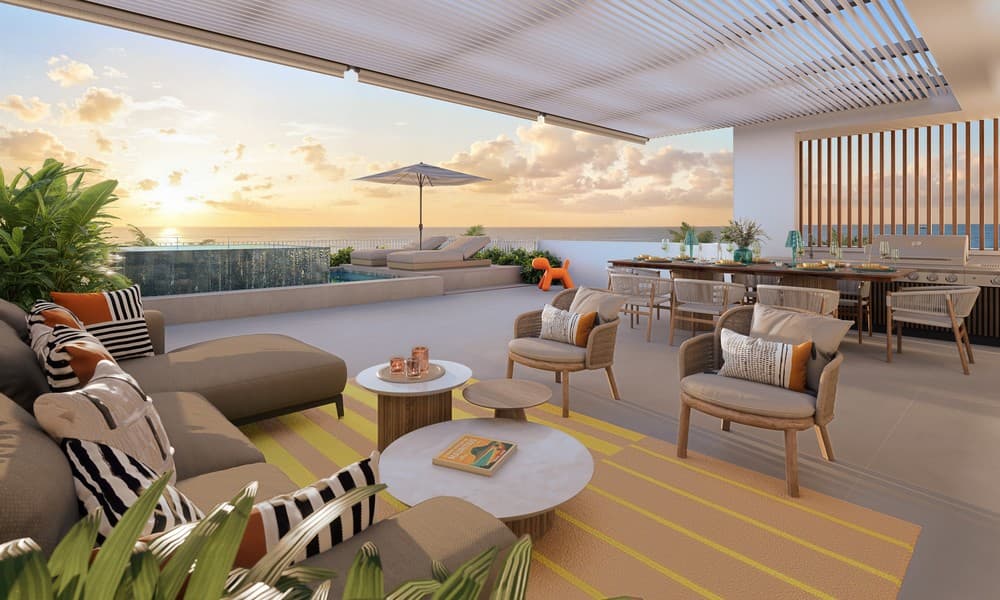
Tamarin · West

Baie du Cap · South
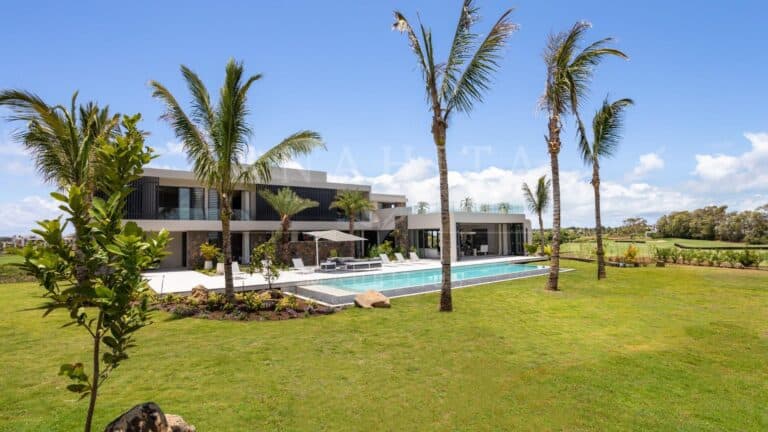
Beau Champ · East

Riviere Noire · West
Explore by region
Explore the site
Market updates, buying guidance and the best new listings, straight to your inbox.
Mauritius Real Estate · 14 Oct 2026
Everything you need to know about house rental in Mauritius: costs, locations, lease rules, and how to find the right property. Updated guide for…
Mauritius Real Estate · 13 Oct 2026
Where to find a business park in Mauritius, what leasing or buying costs, and how foreign companies set up. Covers Ebène, Grand Baie, Pailles and…
Mauritius Real Estate · 12 Oct 2026
A practical guide to business insurance in Mauritius for property owners, landlords, and investors. Covers key cover types, costs, and what to check…
Mauritius Real Estate · 10 Oct 2026
Everything you need to know about getting a skipper license in Mauritius, from exam requirements to costs, plus how it connects to waterfront living.
Mauritius Real Estate · 9 Oct 2026
Find bungalows for rent in Mauritius: coastal, urban, and waterfront options explained, with inspection tips and neighbourhood comparisons.
Mauritius Real Estate · 9 Oct 2026
Explore the business park in Mauritius Riviere Noire, commercial real estate options, waterfront property, and financing routes for foreign buyers.
Browse our current listings or speak to an agent.