FOR SALEExpat
€1.0M
Baie du Cap · South
Bioclimatic Villa in Mauritius – 3-Bedroom Luxury Home with Private Pool
33

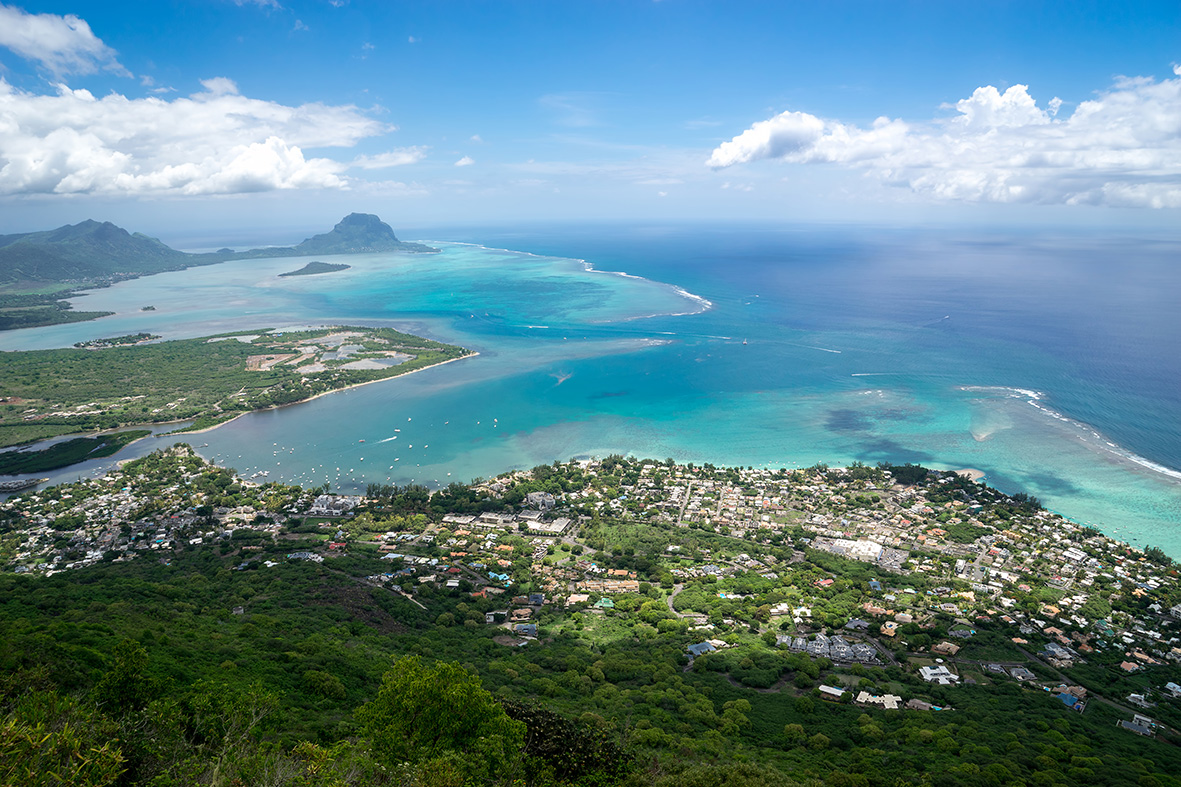
From beachfront villas in Grand Baie to mountain retreats in Tamarin, Mauritius offers exceptional property for every buyer. Here's everything you need to know before you buy.
Mauritius combines political stability, a low-tax environment, and year-round sunshine to create a property market that attracts both lifestyle buyers and serious investors. Foreign nationals can legally own freehold property through government-approved schemes, and a qualifying purchase can unlock full Mauritian residency — making this island far more than a holiday destination.
Location shapes everything from rental yield to lifestyle. The island divides into distinct micro-markets, each with its own character and price point.
The north is the island's social hub — marinas, restaurants, and a lively expat community. Apartments here start around USD 200,000, while luxury villas with direct lagoon access regularly exceed USD 2 million. Rental demand is strong year-round, making the north a reliable income-generating choice.
The west has become Mauritius's fastest-growing residential corridor. Tamarin attracts surfers, families, and remote workers drawn by its relaxed pace and newer infrastructure. Integrated resort communities such as Tamarina Golf Estate offer villas from around USD 500,000, often with golf, spa, and beach-club amenities included.
The east is quieter and greener, home to some of the island's most prestigious estates including Anahita and Heritage Villas Valriche. Expect premium pricing — villas frequently list above USD 1.5 million — alongside world-class golf courses and private beach access.
For buyers prioritising schools, cooler temperatures, and proximity to Port Louis's business district, the central highlands deliver. Moka's smart townships offer contemporary apartments from USD 150,000 and attract a strong local professional market.
Yes — but only within government-regulated frameworks. The main routes are:
Outside these schemes, foreigners cannot purchase bare land or standard residential properties — working with a qualified local notary is essential to navigate the rules correctly.
Yes. A purchase of USD 375,000 or more within an approved scheme automatically qualifies the buyer — and their immediate family — for a Mauritian residence permit. The permit is valid for as long as you own the property. Mauritius imposes no capital gains tax and no inheritance tax, and income tax is capped at a flat 15%, making residency here genuinely advantageous for high-net-worth individuals.
Buyers should budget for the following on top of the purchase price:
In total, allow for roughly 7–10% in transaction costs above the agreed price.
Demand from European, South African, and Asian buyers has remained robust through 2024 and into 2025, with limited new PDS inventory keeping prices firm in the most sought-after locations. The Mauritian rupee's relative stability against the euro and dollar also means that dollar- or euro-denominated buyers retain strong purchasing power. Analysts broadly expect the luxury segment to continue appreciating, particularly in the west and east coast corridors where land supply is constrained.
Ready to explore your options? Our team is on hand to arrange viewings, answer questions about residency rules, and match you with the right property for your budget and lifestyle. Contact PropertyFinder Mauritius today, or start browsing our full range of properties for sale in Mauritius right now.
Hand-picked
Baie du Cap · South

Riviere Noire · West

Tamarin · West

Riviere Noire · West

Beau Champ · East

Tamarin · West

Baie du Cap · South
Explore by region
Explore the site
Browse our current listings or speak to an agent.