FOR RENTExpat
Rs450K/mo
Riviere Noire · West
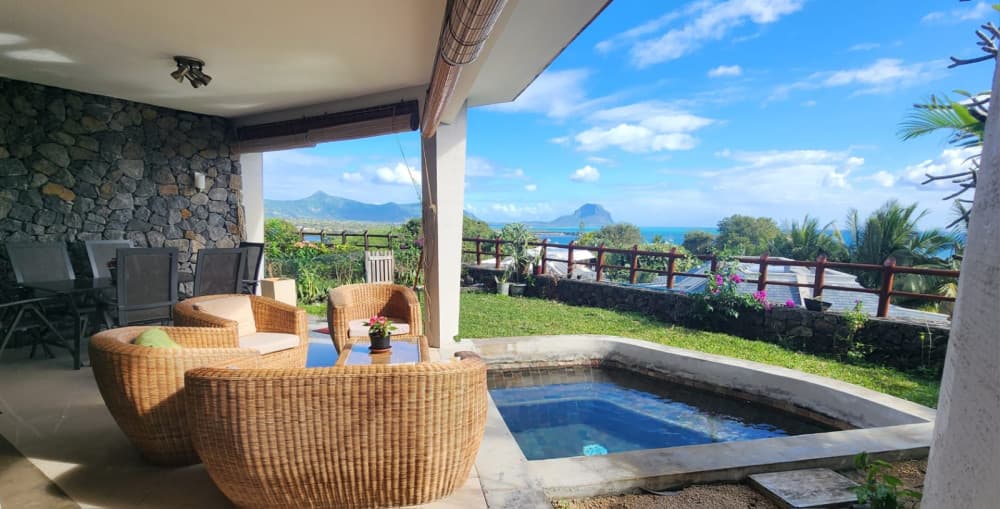
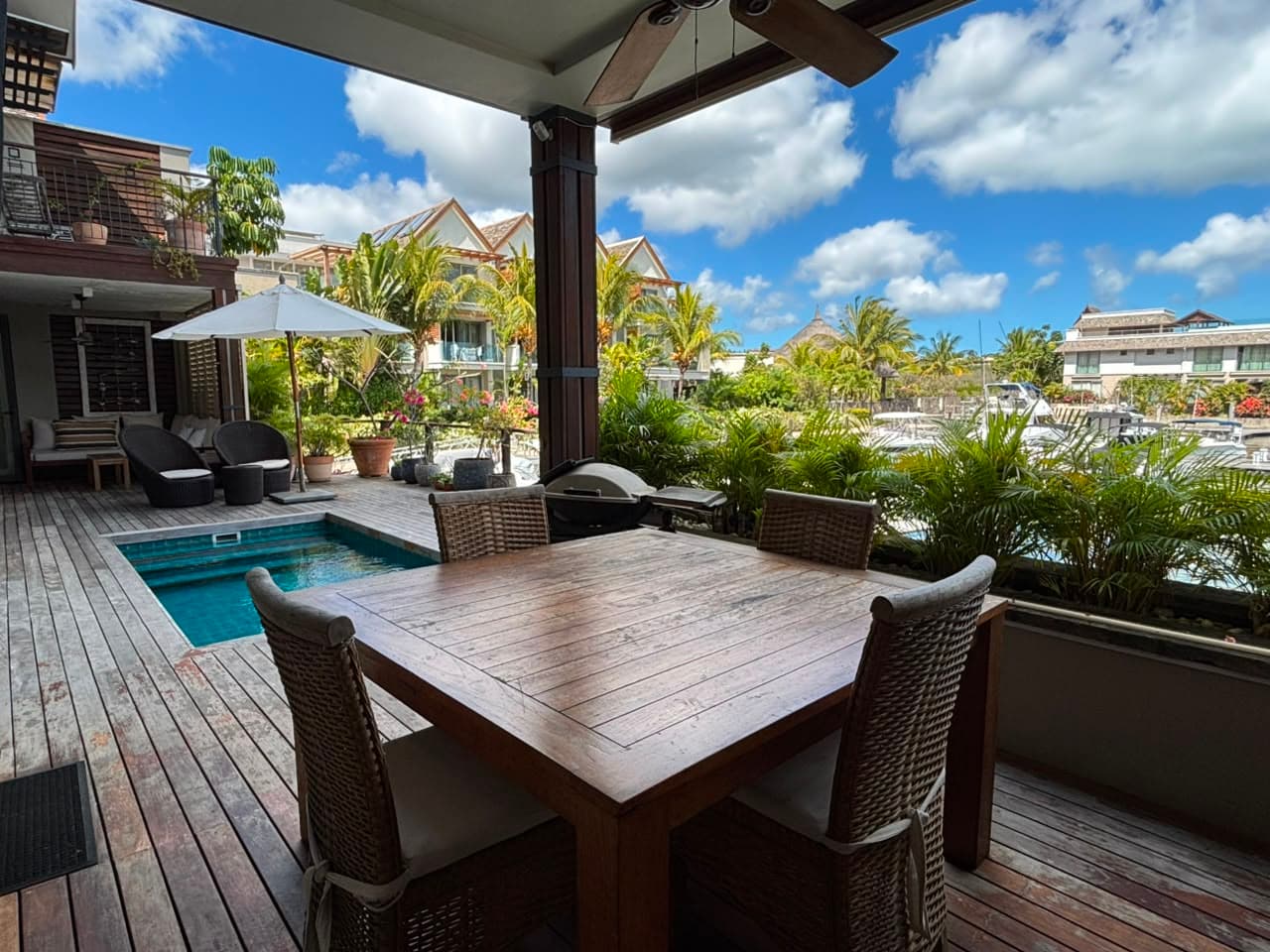
Ultimate Marina Lifestyle – Luxury Waterfront Residence, Private Mooring & Boat
44

Understand residential property in Mauritius, legal frameworks, costs, processes, and how to find the right home as a foreign buyer. Clear, practical guidance.
Residential property in Mauritius refers to any dwelling, apartment, villa, townhouse, or plot of land, purchased or rented for the purpose of living in, rather than for commercial use. For foreign nationals, the distinction matters immediately, because the legal routes available to you depend entirely on whether a property is classified as residential and whether it falls within a government-approved foreign ownership scheme.
This guide explains how residential property works in Mauritius: what it costs, how the process unfolds, and what to look for when searching for the right home.
Mauritius operates a controlled foreign ownership framework. Mauritian citizens and residents can purchase any residential property freely. Foreign nationals, including British, European, and South African buyers, are permitted to buy residential property only through specific schemes:
Each scheme grants the foreign buyer the right to apply for a Mauritian residence permit once the purchase price meets or exceeds USD 375,000.
Foreign nationals cannot purchase standalone land, secondary-market villas outside approved schemes, or properties that fall outside these frameworks without specific government approval.
The process for buying residential property in Mauritius follows a clear sequence. Understanding each stage in advance removes uncertainty and allows you to move quickly when you find the right property.
Begin by identifying properties that match your budget, lifestyle, and legal eligibility. A reputable property finder service will filter listings by scheme type, location, price range, and property type. This saves considerable time and avoids the common mistake of falling in love with a property that a foreign buyer cannot legally purchase.
Once you identify a property, you sign a Reservation Agreement and pay a reservation deposit, typically between MUR 100,000 and MUR 500,000, or a percentage of the purchase price. This takes the property off the market while due diligence proceeds.
A Mauritian notary drafts a preliminary agreement setting out the full terms of the sale: price, payment schedule, completion date, and any conditions. Both parties sign before the notary. At this stage, a further deposit, usually 10% of the purchase price, becomes payable.
Your notary or legal adviser verifies title, checks for encumbrances, and confirms scheme compliance. If you are financing through a Mauritian bank, the bank conducts its own valuation and credit assessment at this stage.
The final Deed of Sale is signed before a notary and registered with the Registrar-General. Ownership transfers at this point. The notary handles registration and issues the title deed.
Prices vary significantly by location, scheme, and property type. The following ranges reflect the current market for foreign-eligible residential property:
Beyond the purchase price, buyers should budget for the following costs:
| Cost | Typical Amount | |---|---| | Notary fees | 1–2% of purchase price | | Registration duty | 5% of purchase price (foreigners buying under schemes) | | Land transfer tax | 5% of purchase price (paid by seller, but affects negotiation) | | Legal/due diligence fees | MUR 30,000–80,000 | | Mortgage arrangement fee (if applicable) | 1–1.5% of loan amount |
Always request a full cost breakdown from your notary before signing any agreement.
Finding the right residential property starts with using a reliable, up-to-date listing service that covers the full range of foreign-eligible schemes. Property Finder Mauritius aggregates listings across PDS, Smart City, Ground +2, and other approved schemes, allowing buyers to filter by price, location, number of bedrooms, and scheme type.
A good property finder service for Mauritius should offer:
Using a structured property finder reduces the risk of wasting time on properties that are not legally available to foreign nationals, or that are listed at prices inconsistent with the current market.
Foreign nationals who are not yet ready to purchase, or who are exploring the island before committing, can rent residential property freely. There are no restrictions on foreigners renting in Mauritius. Rental agreements are typically governed by Mauritian civil law and should be drafted in writing, specifying the monthly rent, deposit terms, notice period, and permitted use.
Monthly rents for furnished residential properties range from approximately MUR 25,000 for a modest apartment outside the main tourist corridors, to MUR 200,000+ for a large villa in a premium coastal area. Rental demand is strong in Grand Baie, Tamarin, Beau Vallon, and the west coast corridor.
Beyond price and legal eligibility, experienced buyers in Mauritius assess the following before committing:
Developer track record: For off-plan purchases, research the developer's completed projects, delivery timelines, and financial standing.
Management and maintenance: PDS and Smart City developments typically include a management company. Review the annual levy, what it covers, and the quality of existing maintenance.
Resale restrictions: Some schemes impose restrictions on who you can resell to and at what price. Confirm resale rules with your notary before purchase.
Rental yield potential: If you plan to rent the property when not in use, check whether the scheme permits short-term lettings and what the expected gross yield is for comparable properties.
Connectivity and infrastructure: Mauritius has reliable fibre internet in most developed areas, but water pressure, road quality, and proximity to services vary by location.
Residential property in Mauritius is accessible to foreign buyers through well-defined legal schemes. The process, from reservation to deed registration, typically takes three to six months for a resale property, and longer for off-plan purchases. Transaction costs add roughly 6–8% to the purchase price. Using a structured property finder service that filters by scheme type and verifies listings saves time and reduces legal risk.
The most important step is engaging a qualified Mauritian notary early in the process. The notary acts as an independent officer of the law, not as an agent for either party, and is responsible for verifying title and registering the transaction.
Hand-picked
Riviere Noire · West
Baie du Cap · South

Tamarin · West

Baie du Cap · South

Beau Champ · East

Riviere Noire · West
Explore by region
Explore the site
Market updates, buying guidance and the best new listings, straight to your inbox.
Mauritius Real Estate · 15 Oct 2026
Seen our properties on PropertyCloud? How the listings match, what you get searching with us directly, and the essentials of buying in Mauritius.
Mauritius Real Estate · 14 Oct 2026
Everything you need to know about house rental in Mauritius: costs, locations, lease rules, and how to find the right property. Updated guide for…
Mauritius Real Estate · 13 Oct 2026
Where to find a business park in Mauritius, what leasing or buying costs, and how foreign companies set up. Covers Ebène, Grand Baie, Pailles and…
Mauritius Real Estate · 12 Oct 2026
A practical guide to business insurance in Mauritius for property owners, landlords, and investors. Covers key cover types, costs, and what to check…
Mauritius Real Estate · 10 Oct 2026
Everything you need to know about getting a skipper license in Mauritius, from exam requirements to costs, plus how it connects to waterfront living.
Mauritius Real Estate · 9 Oct 2026
Find bungalows for rent in Mauritius: coastal, urban, and waterfront options explained, with inspection tips and neighbourhood comparisons.
Browse our current listings or speak to an agent.