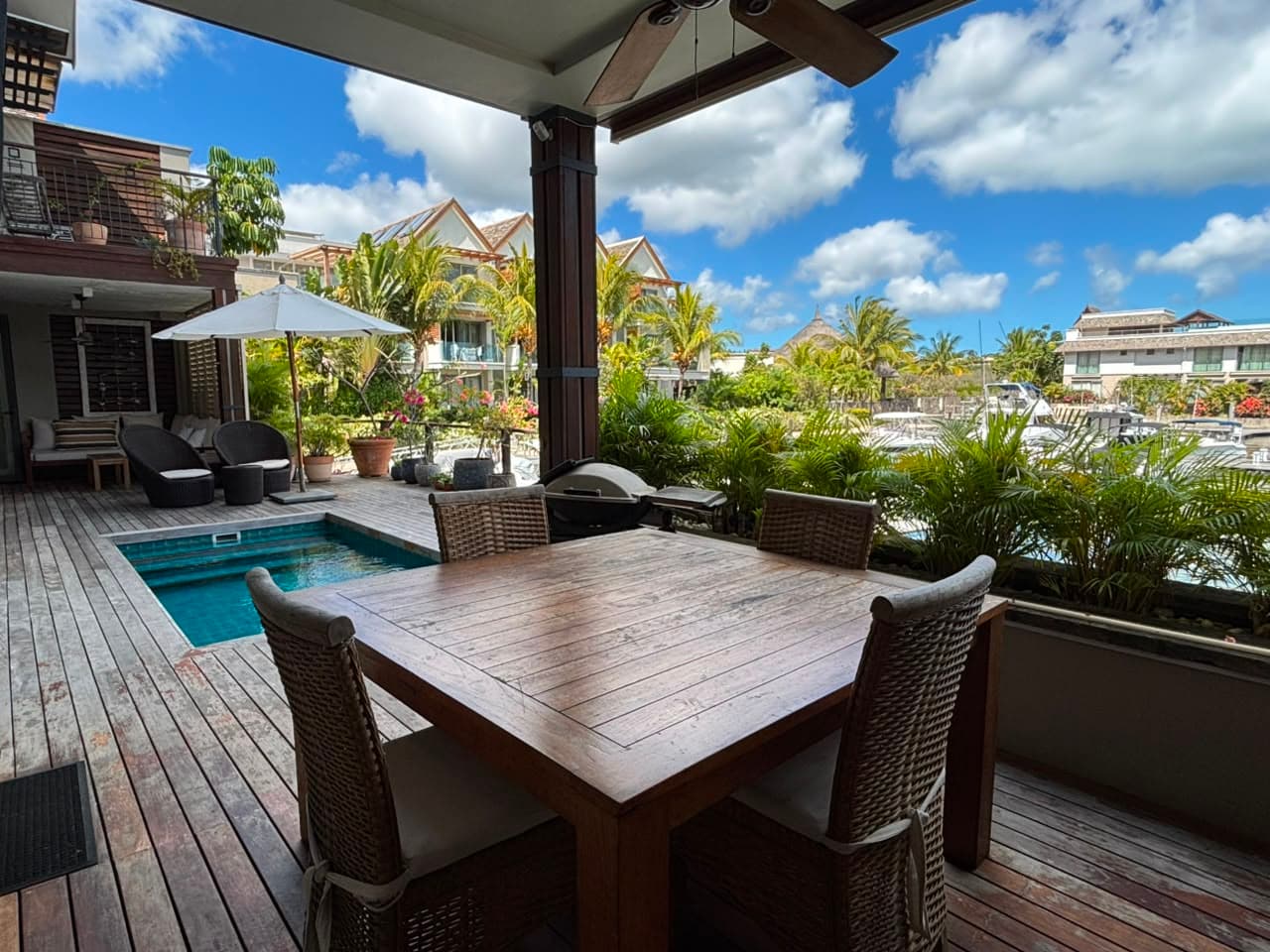
FOR RENTExpat
Rs450K/mo
Riviere Noire · West
Ultimate Marina Lifestyle – Luxury Waterfront Residence, Private Mooring & Boat
44

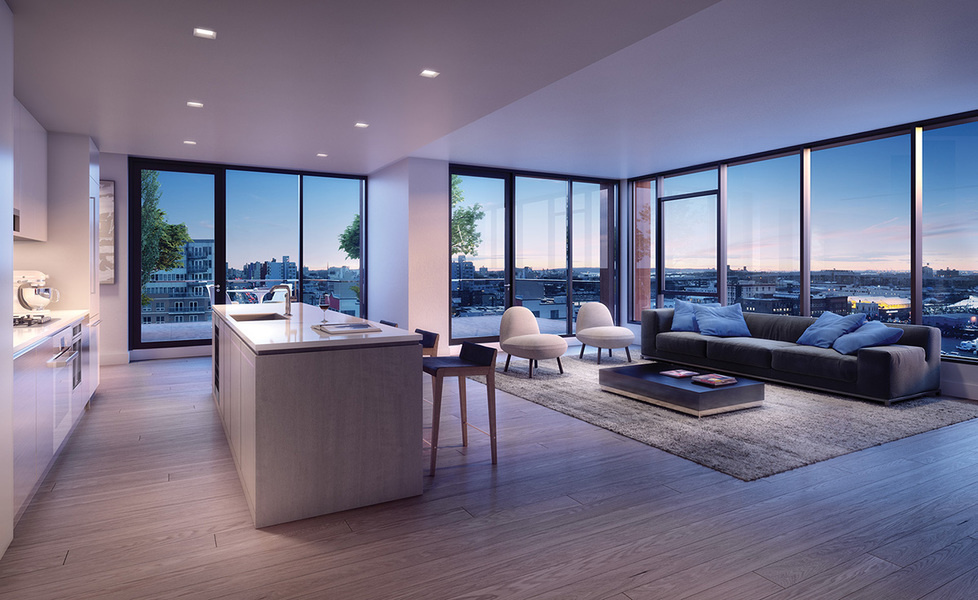
Understand every property type available in Mauritius, from apartments to villas and IRS estates, so you can buy with confidence as a foreign investor.
Mauritius offers a clearly defined range of property types, each with its own legal framework, ownership rules, and price bracket. Whether you are relocating, investing, or planning a second home, knowing which category a property falls into determines what you can legally buy, how the purchase process works, and what costs you should budget for. This guide covers every major property type available to both local and foreign buyers, so you can move forward with a clear picture.
In Mauritius, a foreign national cannot simply purchase any property on the open market. The law distinguishes between properties that are open to foreigners and those reserved for Mauritian citizens. That distinction is tied directly to the property type and the scheme under which it was developed. Getting this wrong at the start of your search wastes time and, in some cases, money spent on due diligence.
Understanding the categories also helps you compare listings accurately. A villa inside a government-approved scheme and a standalone villa outside one carry entirely different legal implications, even if they look identical in a photograph.
The IRS was the original framework introduced by the Mauritian government to allow foreign nationals to purchase freehold residential property. IRS developments are large-scale resort estates, typically featuring villas, apartments, and penthouses set within managed grounds that include amenities such as golf courses, marinas, spas, and private beach access.
Key facts:
IRS properties are among the most straightforward options for international buyers because the legal pathway is well-established and notaries are familiar with the process.
The RES was introduced to allow smaller landowners, those with plots under 10 hectares, to develop and sell property to foreigners. RES properties tend to be more compact developments: smaller villa clusters, townhouses, and apartment complexes.
Key facts:
The PDS replaced both the IRS and RES frameworks in 2015, consolidating the rules into a single, more flexible scheme. All new developments approved after 2015 fall under the PDS. Existing IRS and RES developments retain their original classification.
Key facts:
The Smart City Scheme is a newer framework designed to create self-contained, mixed-use urban developments that combine residential, commercial, and office space. Smart Cities are intended to attract businesses and skilled workers as well as residents.
Key facts:
In 2016, the government opened a specific category of the residential market to foreign buyers: apartments in buildings of ground floor plus at least two upper storeys (G+2), located outside the approved scheme frameworks.
Key facts:
Not all foreign buyers pursue freehold ownership. Long-term leasehold arrangements, typically 20 to 99 years, are available for certain properties, particularly in coastal or agricultural zones where freehold sale to foreigners is restricted.
Key facts:
A significant portion of the Mauritian property market, standalone houses, plots of land, and non-scheme apartments, is legally restricted to Mauritian citizens and residents holding permanent residency. Foreign nationals without the appropriate status cannot purchase these properties.
Attempting to purchase local market property through a Mauritian nominee or company structure to circumvent this restriction is illegal and carries serious legal consequences.
The table below summarises the key criteria at a glance:
| Property Type | Open to Foreigners | Freehold | Residence Permit Eligible | |---|---|---|---| | IRS | Yes | Yes | Yes (at threshold) | | RES | Yes | Yes | Yes (at threshold) | | PDS | Yes | Yes | Yes (at threshold) | | Smart City | Yes | Yes | Yes (at threshold) | | G+2 Apartment | Yes | Yes | Yes (at threshold) | | Leasehold | Conditional | No | No | | Local Market | No |, |, |
Regardless of property type, the purchase process in Mauritius follows a consistent sequence:
Costs at the point of sale include registration duty (currently 5% for most residential transactions), notary fees, and any applicable land transfer tax. Buyers should budget approximately 7–10% of the purchase price for transaction costs, though this varies by property type and price.
A well-structured property search platform allows you to filter listings by scheme type, location, price range, and bedroom count, making it considerably easier to identify which properties are legally available to you before you invest time in viewings. Property Finder Mauritius provides listings across IRS, RES, PDS, Smart City, and G+2 categories, with scheme classification clearly indicated on each listing. This transparency is particularly useful for first-time buyers navigating the market from abroad.
Mauritius has a structured, well-regulated property market with clearly defined categories for foreign buyers. IRS, RES, PDS, Smart City, and G+2 properties are all legally accessible to international purchasers, each with its own characteristics, price points, and eligibility rules. Understanding which type fits your situation, before you begin your search, saves time, reduces risk, and puts you in a stronger position when it comes to negotiation and due diligence.
Hand-picked
Riviere Noire · West

Tamarin · West


Baie du Cap · South

Tamarin · West

Baie du Cap · South

Beau Champ · East
Explore by region
Explore the site
Market updates, buying guidance and the best new listings, straight to your inbox.
Mauritius Real Estate · 16 Oct 2026
Everything you need to know about house rental in Mauritius: costs, locations, lease rules, and how to find the right property. Updated guide for…
Mauritius Real Estate · 16 Oct 2026
Explore the west coast of Mauritius: top neighbourhoods, property market, beaches, lifestyle, and what foreign buyers need to know before purchasing.
Mauritius Real Estate · 15 Oct 2026
Seen our properties on PropertyCloud? How the listings match, what you get searching with us directly, and the essentials of buying in Mauritius.
Mauritius Real Estate · 13 Oct 2026
Where to find a business park in Mauritius, what leasing or buying costs, and how foreign companies set up. Covers Ebène, Grand Baie, Pailles and…
Mauritius Real Estate · 12 Oct 2026
A practical guide to business insurance in Mauritius for property owners, landlords, and investors. Covers key cover types, costs, and what to check…
Mauritius Real Estate · 10 Oct 2026
Everything you need to know about getting a skipper license in Mauritius, from exam requirements to costs, plus how it connects to waterfront living.
Browse our current listings or speak to an agent.


