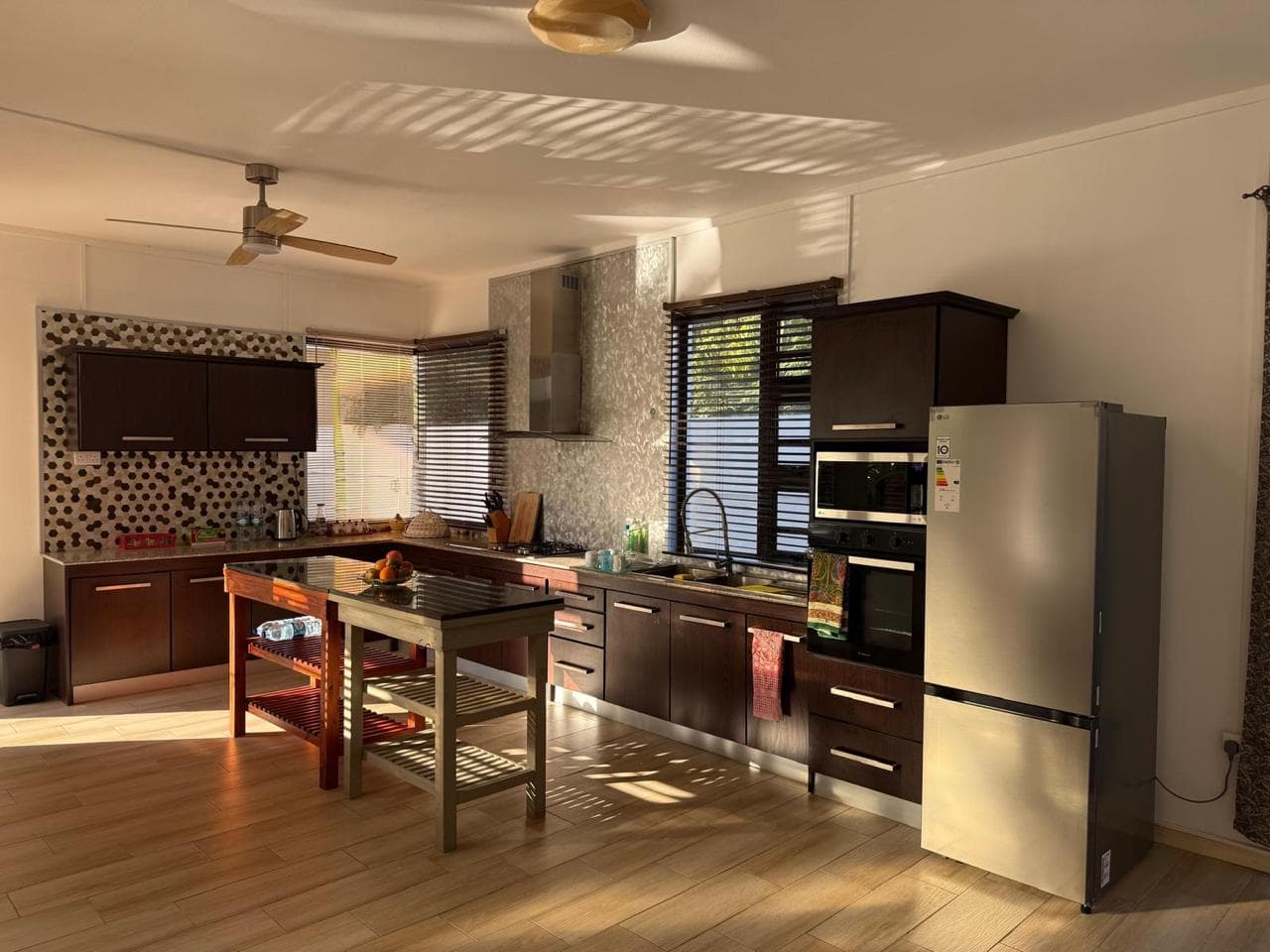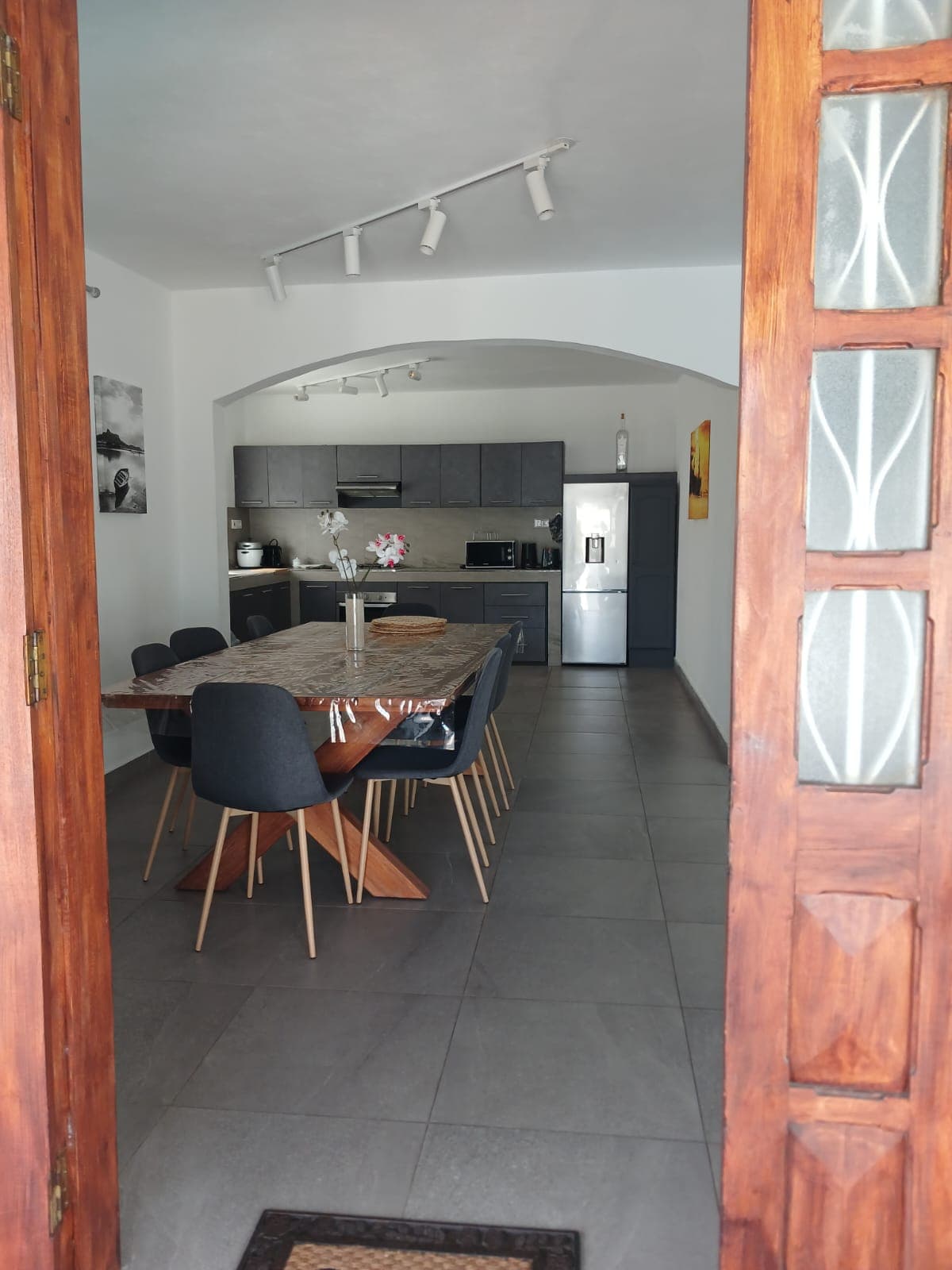
FOR RENTExpat
Rs65K/mo

The Mauritius real estate market remains one of the Indian Ocean's most resilient, with strong foreign demand, a clear legal framework for overseas buyers, and price growth across key coastal and urban corridors.
The Mauritius real estate market remains one of the Indian Ocean's most resilient investment destinations. Driven by sustained foreign demand, a transparent legal framework, and a stable economy, residential prices have continued to appreciate — particularly in the north and west coast corridors — while commercial and mixed-use opportunities are expanding around Grand Baie, Ebène, and Port Louis. For buyers and investors, the fundamentals are strong and the entry pathways are well-defined.
The buyer profile is genuinely international. South Africans, French, British, and increasingly German and Swiss nationals make up a large share of foreign purchasers, attracted by the island's 270 days of sunshine, low crime rate, and favourable tax regime, no capital gains tax, no inheritance tax, and progressive personal income tax rates of 0% to 35%. Local Mauritians remain active buyers too, particularly in the mid-market segment in Quatre Bornes, Rose Hill, and Curepipe.
Yes — but within a structured framework. Foreign nationals cannot purchase bare land or older resale properties on the open market. Instead, they must buy through government-approved schemes:
Each scheme has distinct rules around resale, rental, and residency eligibility, so professional legal advice before signing any Offer to Purchase is essential.
Grand Baie remains the island's lifestyle capital. Demand for luxury villas and sea-view apartments consistently outstrips supply, pushing asking prices for beachfront PDS villas beyond MUR 40–60 million (approximately USD 900,000–1.35 million). The surrounding villages of Pereybere and Cap Malheureux offer slightly softer entry points with the same coastal appeal.
The west coast — centred on Tamarin and Black River — has emerged as the island's surf-and-lifestyle hub. It attracts a younger, active demographic and remote-working expats. PDS developments here often offer larger land parcels and mountain views alongside ocean access, typically at 15–25% below comparable north-coast pricing.
For buyers prioritising connectivity over beach access, Moka is the standout choice. Proximity to the motorway network, top international schools, and Ebène's business district makes it the preferred address for corporate relocators and families. Apartment prices in the Ground+2 segment start from around MUR 6–8 million, making it one of the most accessible markets on the island.
Across the PDS segment, average transaction values have risen by an estimated 8–12% year-on-year since 2022, fuelled by limited new supply and robust enquiry volumes from Europe and southern Africa. The Ground+2 apartment segment has seen similar momentum, particularly in Moka and Bagatelle. Rental yields in well-managed PDS developments typically range from 4–6% gross annually, with short-term holiday rental yields in Grand Baie capable of reaching 7–8% in peak season (July–September and December–January).
With inventory in premium locations tightening, interest from new source markets growing, and the Mauritian government actively promoting the island as a global lifestyle and business hub, the medium-term outlook for the real estate market in Mauritius is positive. Buyers who act before the next wave of PDS completions sell out are likely to benefit most from capital appreciation.
Ready to explore your options? Contact the team at PropertyFinder Mauritius via our contact page to arrange a viewing or get personalised advice. You can also browse our full range of available homes and investment properties at property for sale in Mauritius — updated daily with verified listings across every price point and region.
Hand-picked
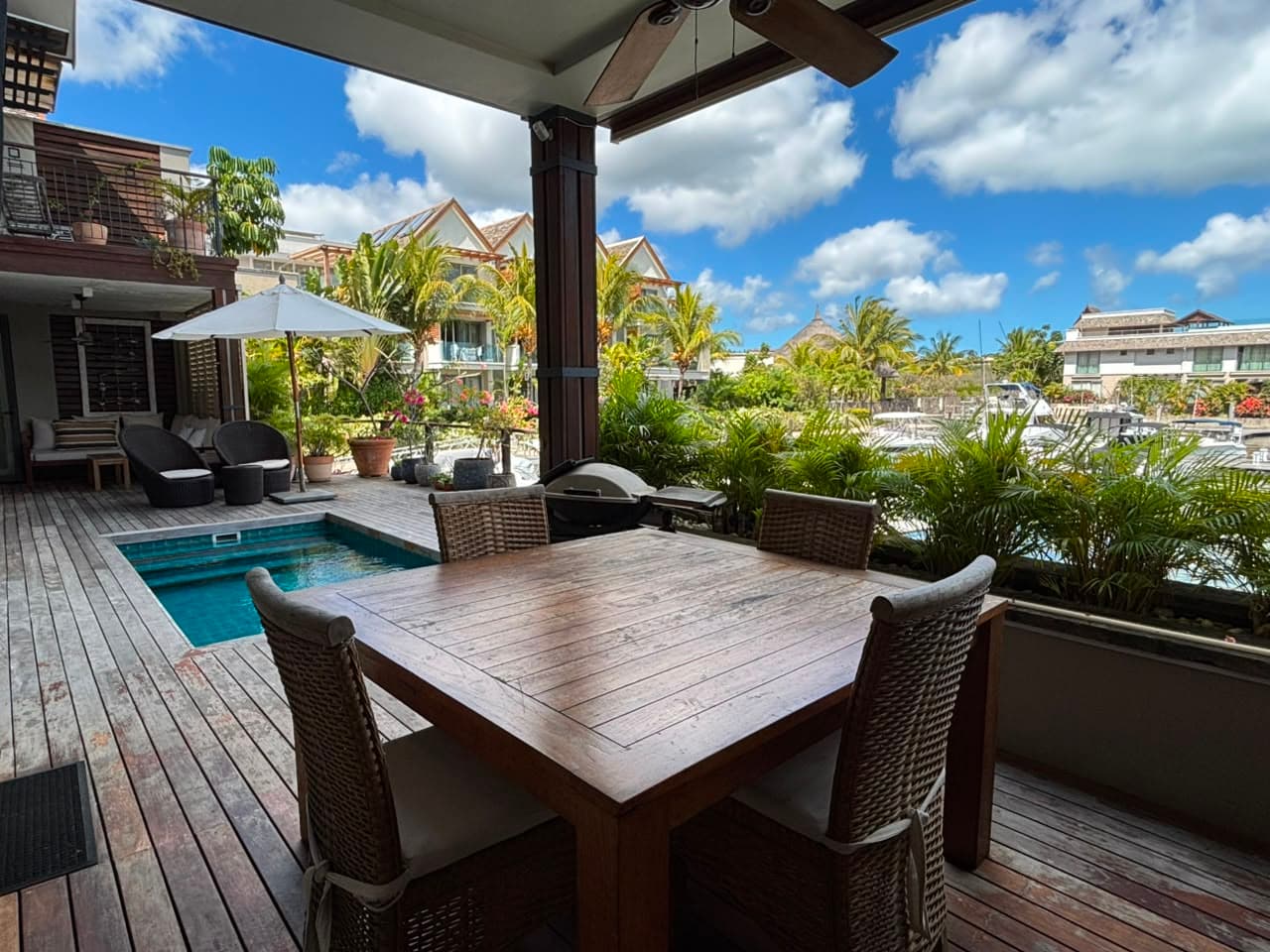
Riviere Noire · West

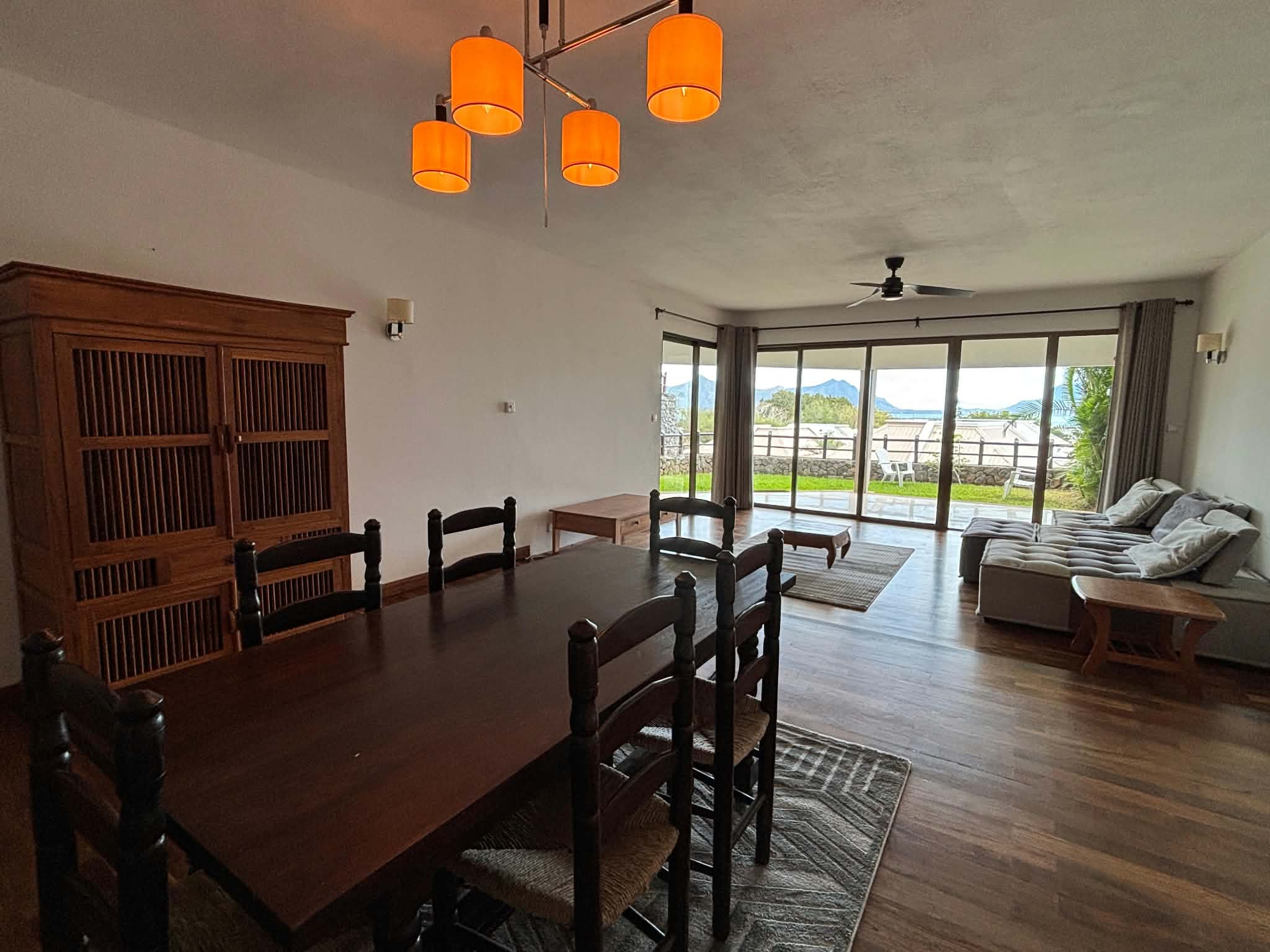
Tamarin · West

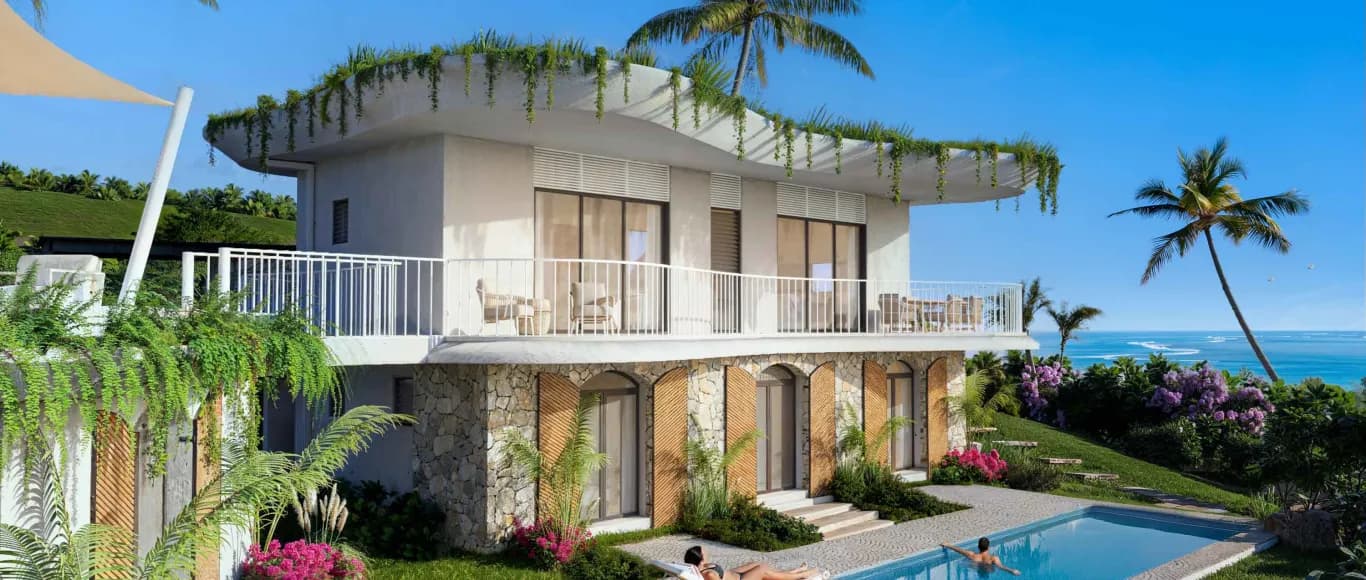
Baie du Cap · South
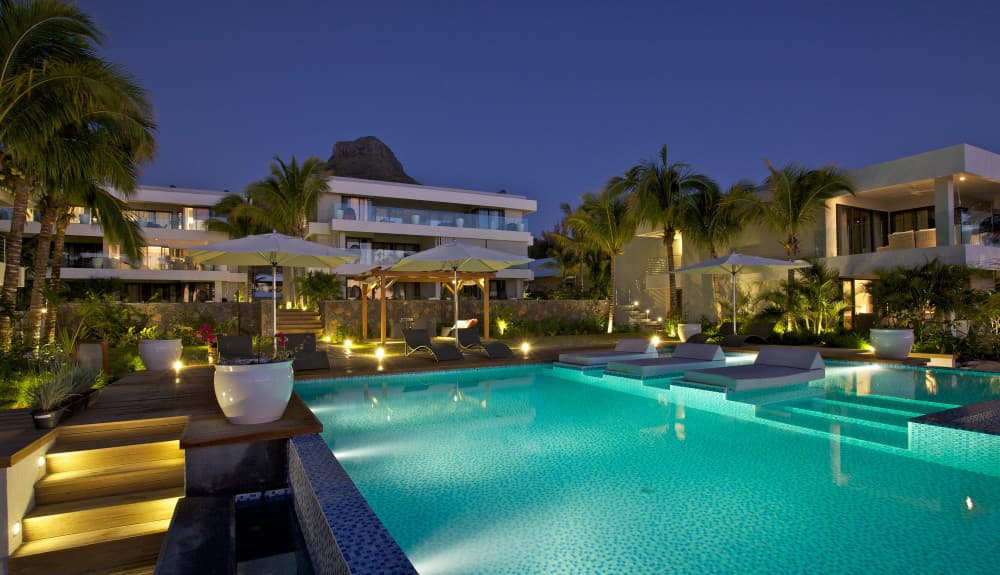
Riviere Noire · West
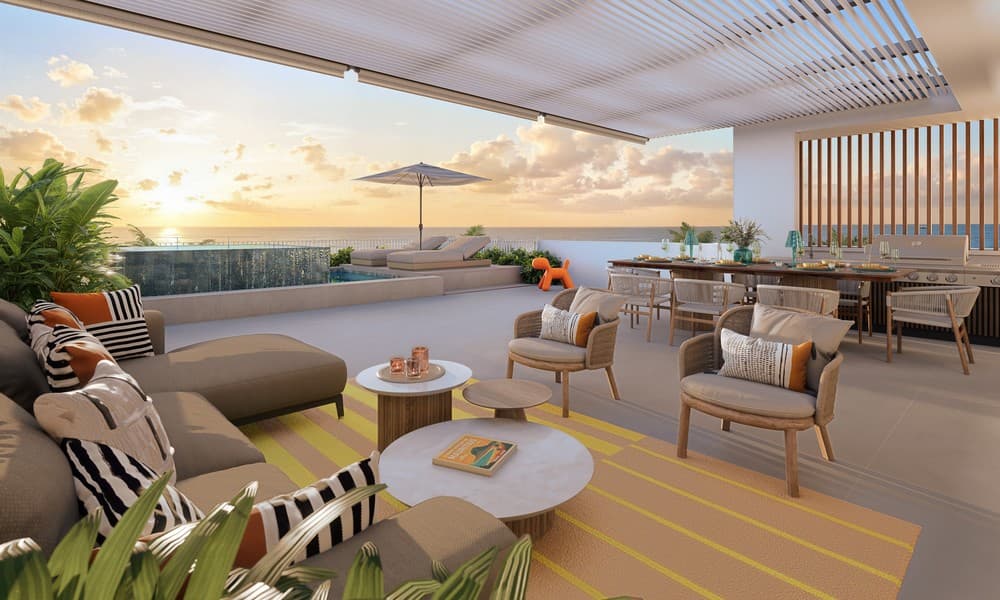
Tamarin · West
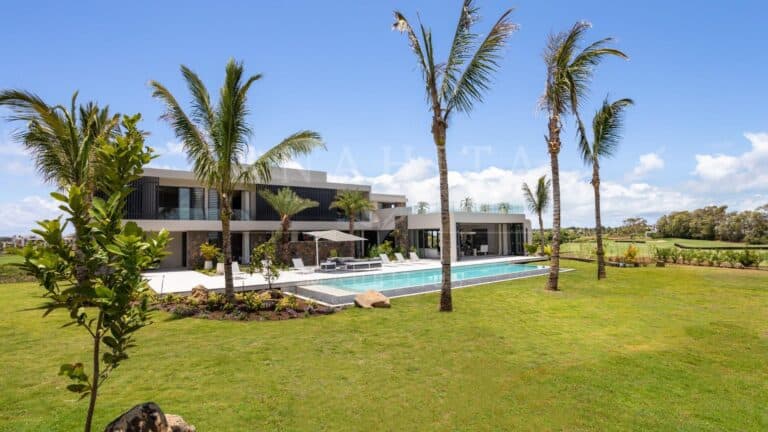
Beau Champ · East
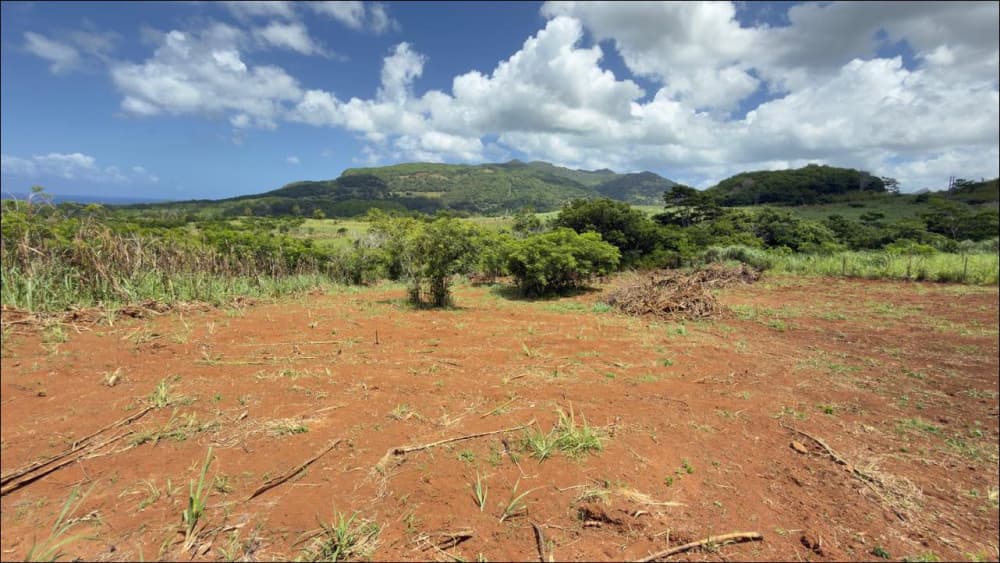
Baie du Cap · South
Explore by region
Explore the site
Market updates, buying guidance and the best new listings, straight to your inbox.
Mauritius Property Guides · 24 Jul 2026
From Grand Baie boutiques to Port Louis commercial hubs, retail property in Mauritius offers strong footfall and growing consumer demand. Here's…
Mauritius Property Guides · 23 Jul 2026
Quatre Bornes is one of Mauritius's most sought-after towns for renters, offering a cool climate, excellent amenities, and strong transport links at…
Mauritius Property Guides · 23 Jul 2026
New property listings in Mauritius move fast. Learn where the freshest homes, villas and apartments appear first, what to expect on price, and how…
Mauritius Property Guides · 23 Jul 2026
A practical guide for owners who want to sell a Mauritius property quickly: pricing, paperwork, presentation and a smooth notary-led completion.
Mauritius Property Guides · 23 Jul 2026
Tamarin is one of Mauritius's most sought-after addresses, blending surf-beach lifestyle with strong investment fundamentals. Here is everything you…
Mauritius Property Guides · 23 Jul 2026
PropertyFinder Mauritius is the island's dedicated property portal, connecting buyers, investors and renters with verified listings across every…
Browse our current listings or speak to an agent.