FOR RENTExpat
Rs450K/mo
Riviere Noire · West
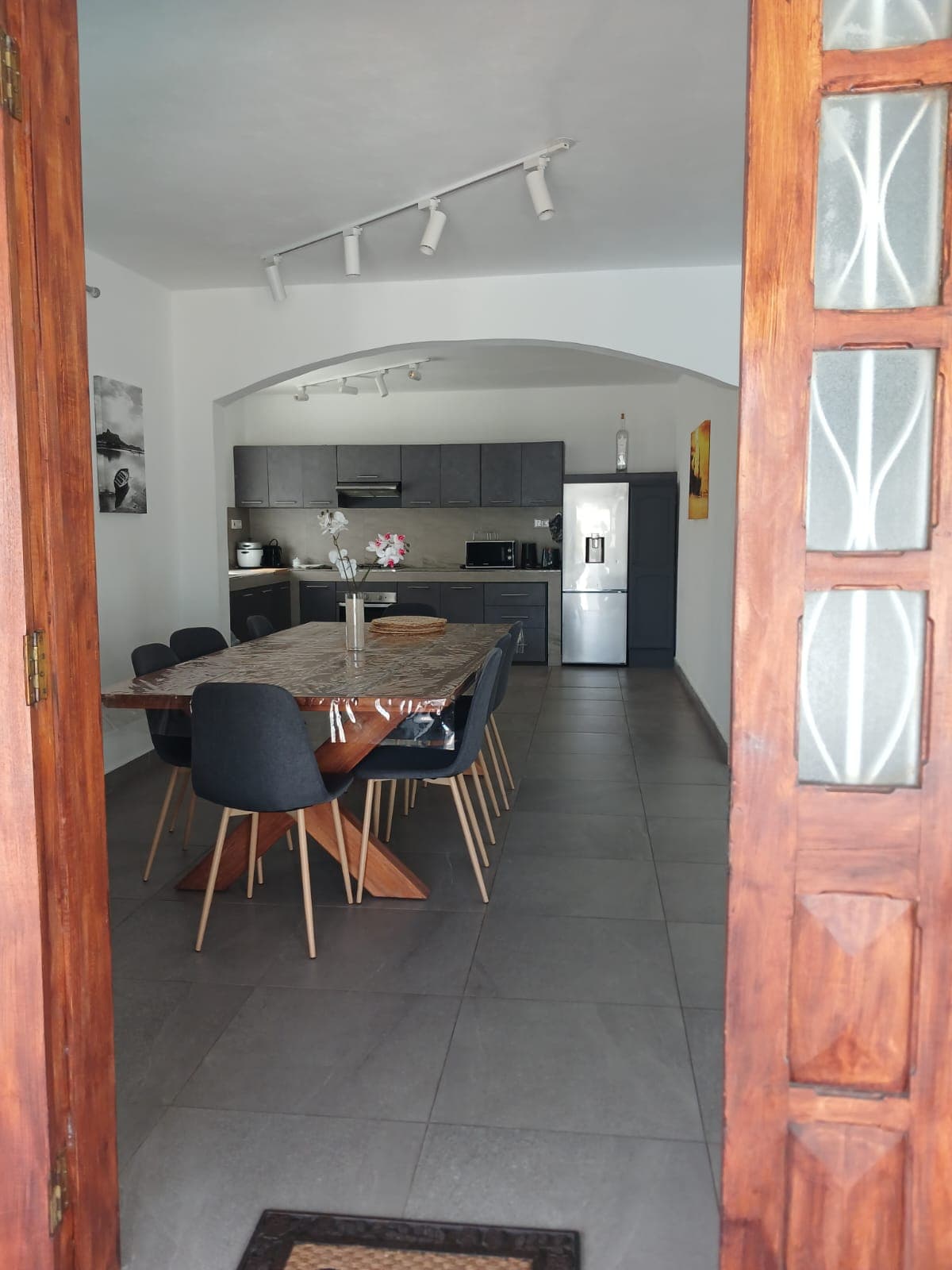
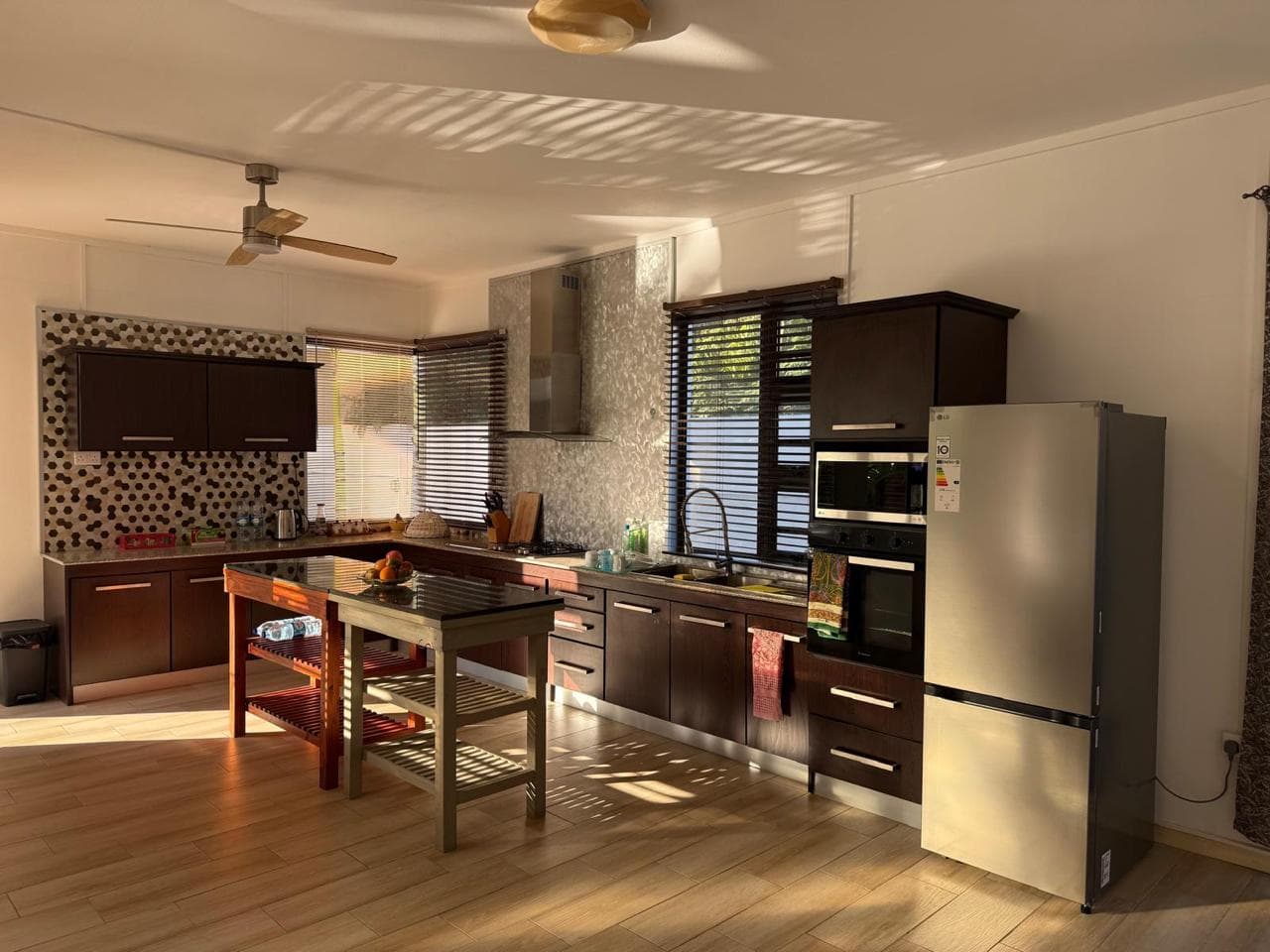
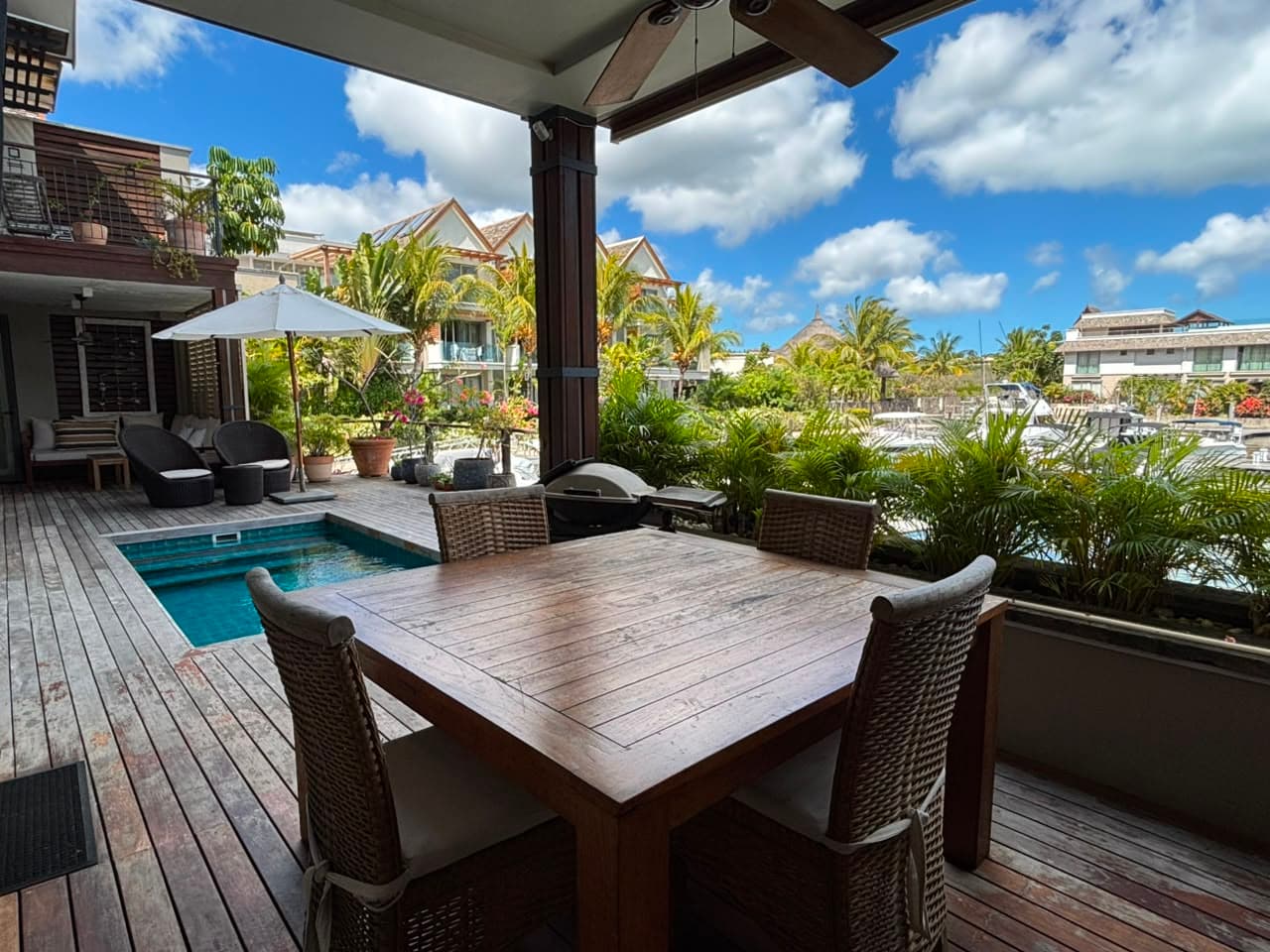
Ultimate Marina Lifestyle – Luxury Waterfront Residence, Private Mooring & Boat
44


Mauritius offers foreign and local investors gross rental yields of 4–7% in prime locations. Learn where to buy, what the tax rules say, and how to maximise your returns.
Mauritius delivers gross rental yields of 4–7% per annum in prime residential locations, with luxury villas in the north and west consistently outperforming. Short-term holiday lets on platforms such as Airbnb can push effective yields above 8% during peak season (June–September and December–January), though occupancy management costs must be factored in. For a buy-to-let investor, Mauritius compares favourably with other Indian Ocean destinations precisely because demand is structural — driven by expatriates, retirees, and a growing digital-nomad community — rather than purely seasonal.
Grand Baie remains the island's most liquid rental market. A two-bedroom apartment here commands MUR 50,000–90,000 per month on a long-term lease, while a four-bedroom villa with a pool can reach MUR 250,000 or more. The area's restaurants, marina, and international schools make it the first choice for expatriate tenants on corporate relocation packages — your most reliable income stream.
Tamarin and Black River attract a younger, lifestyle-oriented crowd — surfers, remote workers, and families priced out of the north. Rents are 15–20% lower than Grand Baie, but so are purchase prices, meaning yields are comparable. The opening of new road infrastructure has cut commute times to Port Louis, boosting long-term tenant demand.
The east coast — anchored by Beau Champ and Pointe de Flacq — is dominated by five-star resort-integrated residences. Properties here often come with hotel-managed rental programmes, offering owners a guaranteed income split (typically 50/50 net revenue) with minimal management effort. Gross yields are lower at 3–5%, but so is the operational headache.
These quieter northern villages offer some of the best value for short-term holiday rental. Smaller villas and bungalows let well to European tourists seeking an authentic Mauritian experience away from resort crowds. Occupancy rates of 60–70% annually are achievable with good listing management.
Yes — but the route matters. Foreign nationals may purchase property and earn rental income through approved schemes, primarily the Property Development Scheme (PDS) and the Smart City Scheme. Buying a PDS property worth USD 375,000 or more also grants the purchaser and their dependants Mauritian residency, which itself can be a valuable secondary benefit for investors.
Foreigners may not purchase freehold land outside approved schemes, so working with a licensed promoter and a local notary is essential. Rental income earned by non-residents is subject to Mauritius income tax at progressive rates of up to 20% (35% above MUR 12,000,000), one of the most competitive rates in the region. There is no capital gains tax in Mauritius, which means appreciation on a well-chosen property is entirely yours to keep on exit.
Long-term lets (12-month leases) offer predictable cash flow and lower management intensity. They suit investors who are overseas and want passive income. Short-term holiday rentals generate higher gross income but require active management, regular furnishing refreshes, and compliance with the Tourism Authority's registration requirements for accommodation providers. A hybrid strategy — holiday let during peak season, corporate let in the shoulder months — is increasingly popular in Grand Baie and Tamarin and can optimise annual yield to 6–8% net.
Ready to find a property that works as hard as you do? Contact the PropertyFinder Mauritius team via our contact page to arrange a viewing or get tailored investment advice. You can also browse our full range of properties for rent in Mauritius to see current market opportunities across every budget and location.
Hand-picked
Riviere Noire · West
Tamarin · West

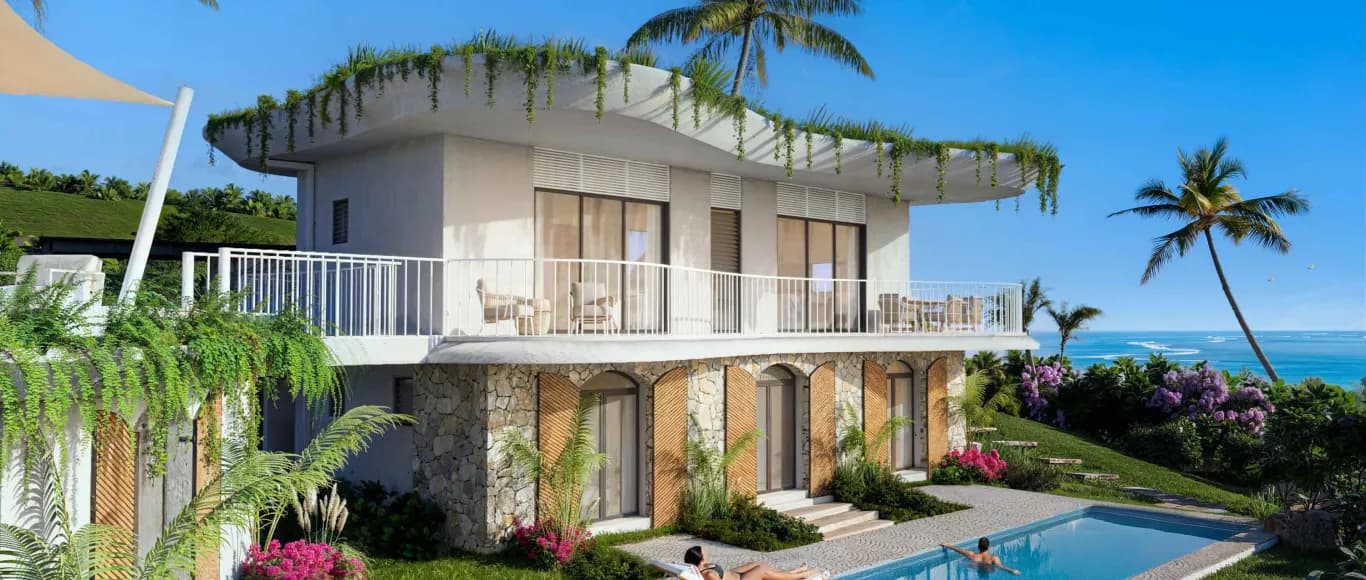
Baie du Cap · South
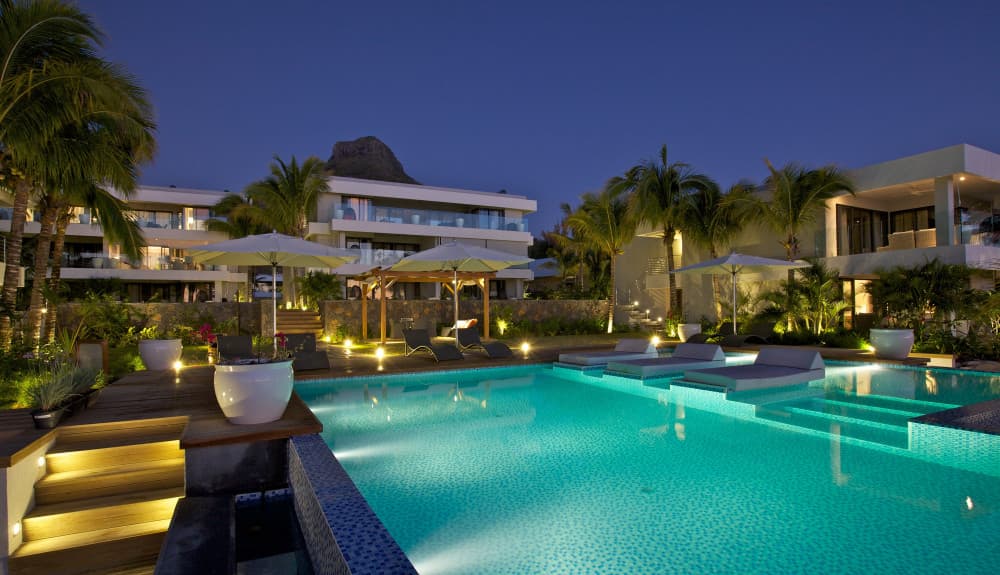
Riviere Noire · West
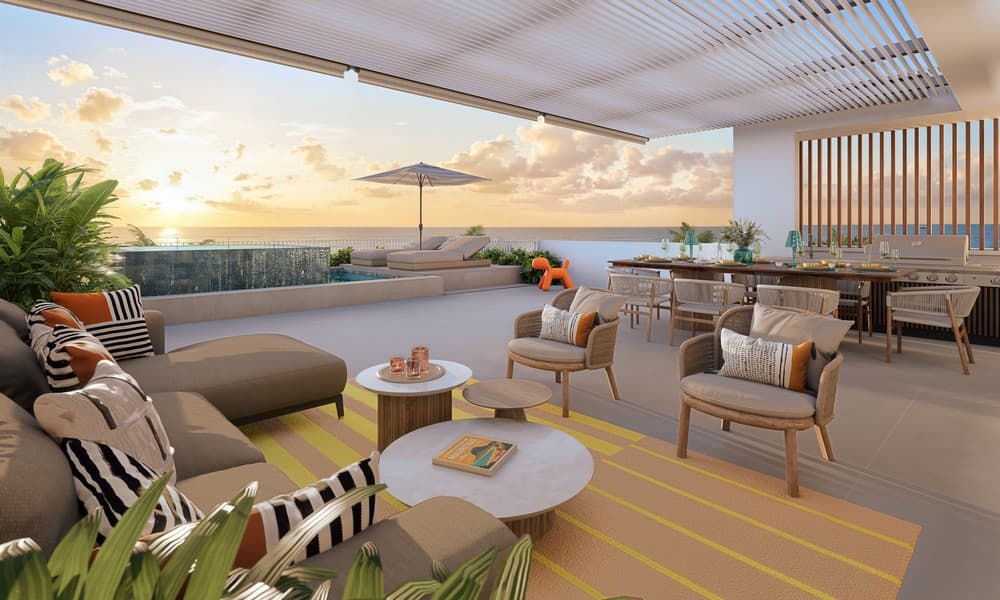
Tamarin · West
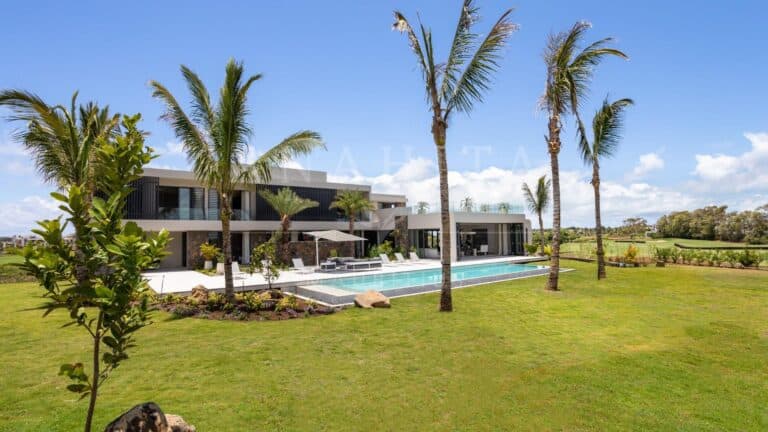
Beau Champ · East

Baie du Cap · South
Explore by region
Explore the site
Market updates, buying guidance and the best new listings, straight to your inbox.
Mauritius Property Guides · 24 Jul 2026
From Grand Baie boutiques to Port Louis commercial hubs, retail property in Mauritius offers strong footfall and growing consumer demand. Here's…
Mauritius Property Guides · 23 Jul 2026
Quatre Bornes is one of Mauritius's most sought-after towns for renters, offering a cool climate, excellent amenities, and strong transport links at…
Mauritius Property Guides · 23 Jul 2026
New property listings in Mauritius move fast. Learn where the freshest homes, villas and apartments appear first, what to expect on price, and how…
Mauritius Property Guides · 23 Jul 2026
A practical guide for owners who want to sell a Mauritius property quickly: pricing, paperwork, presentation and a smooth notary-led completion.
Mauritius Property Guides · 23 Jul 2026
Tamarin is one of Mauritius's most sought-after addresses, blending surf-beach lifestyle with strong investment fundamentals. Here is everything you…
Mauritius Property Guides · 23 Jul 2026
PropertyFinder Mauritius is the island's dedicated property portal, connecting buyers, investors and renters with verified listings across every…
Browse our current listings or speak to an agent.