FOR RENTExpat
Rs450K/mo
Riviere Noire · West
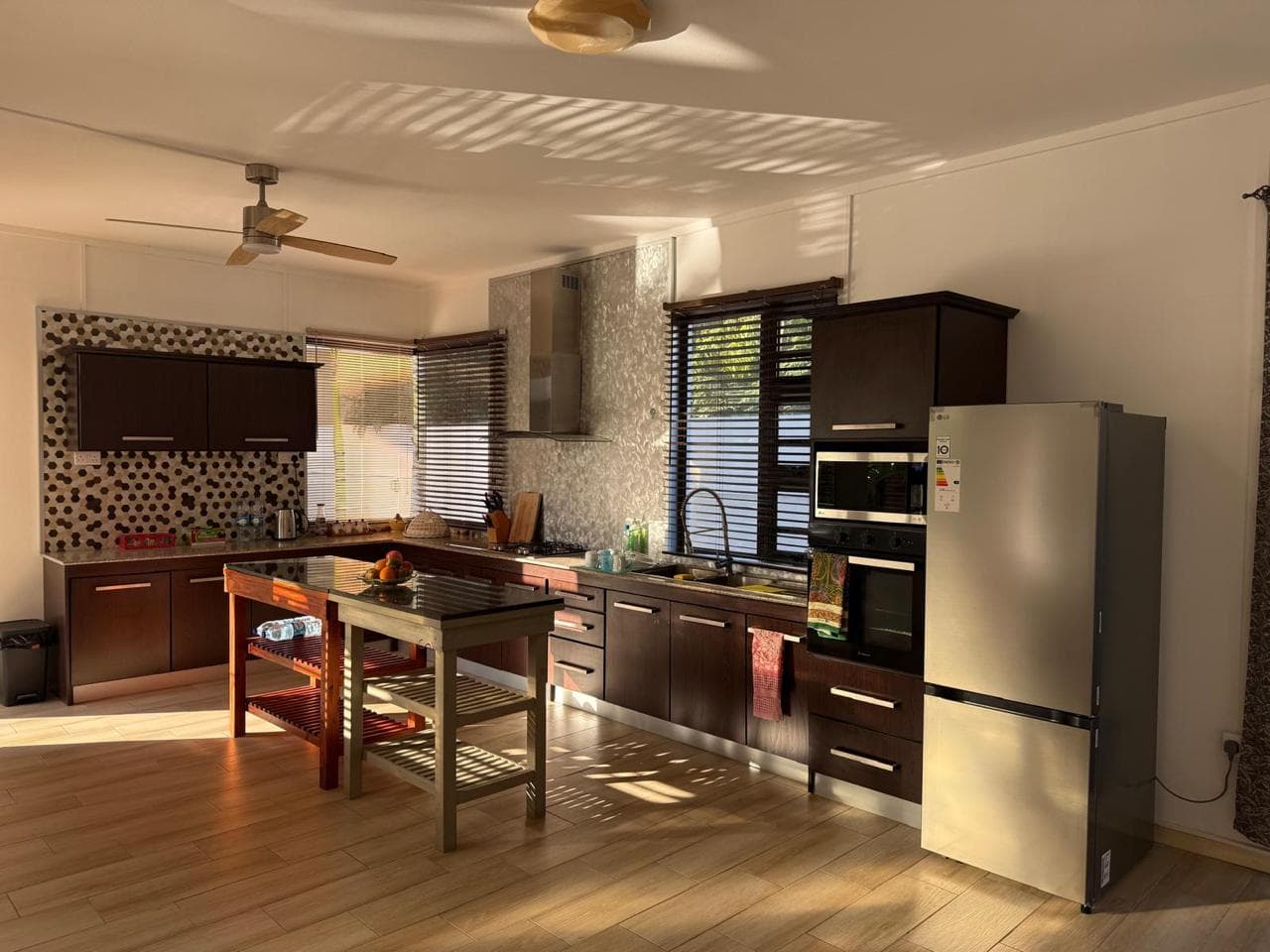
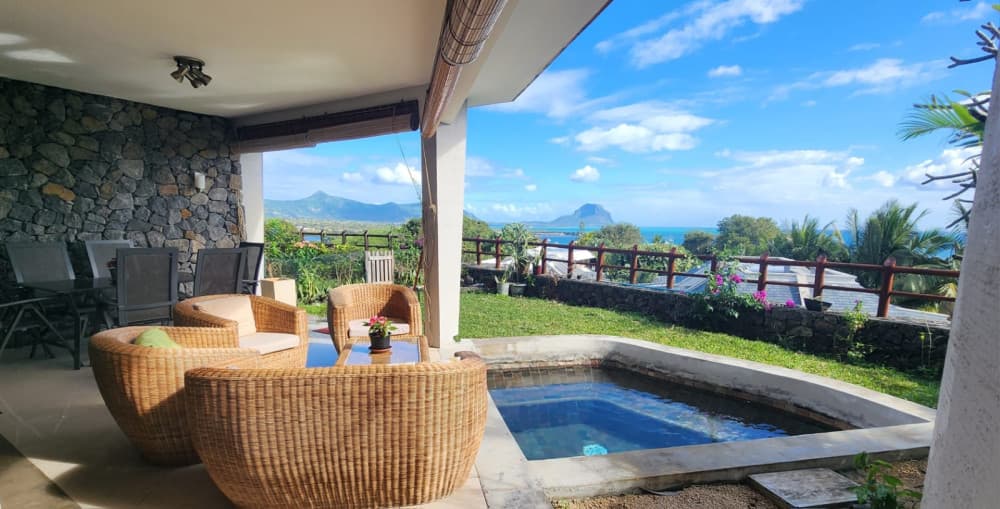
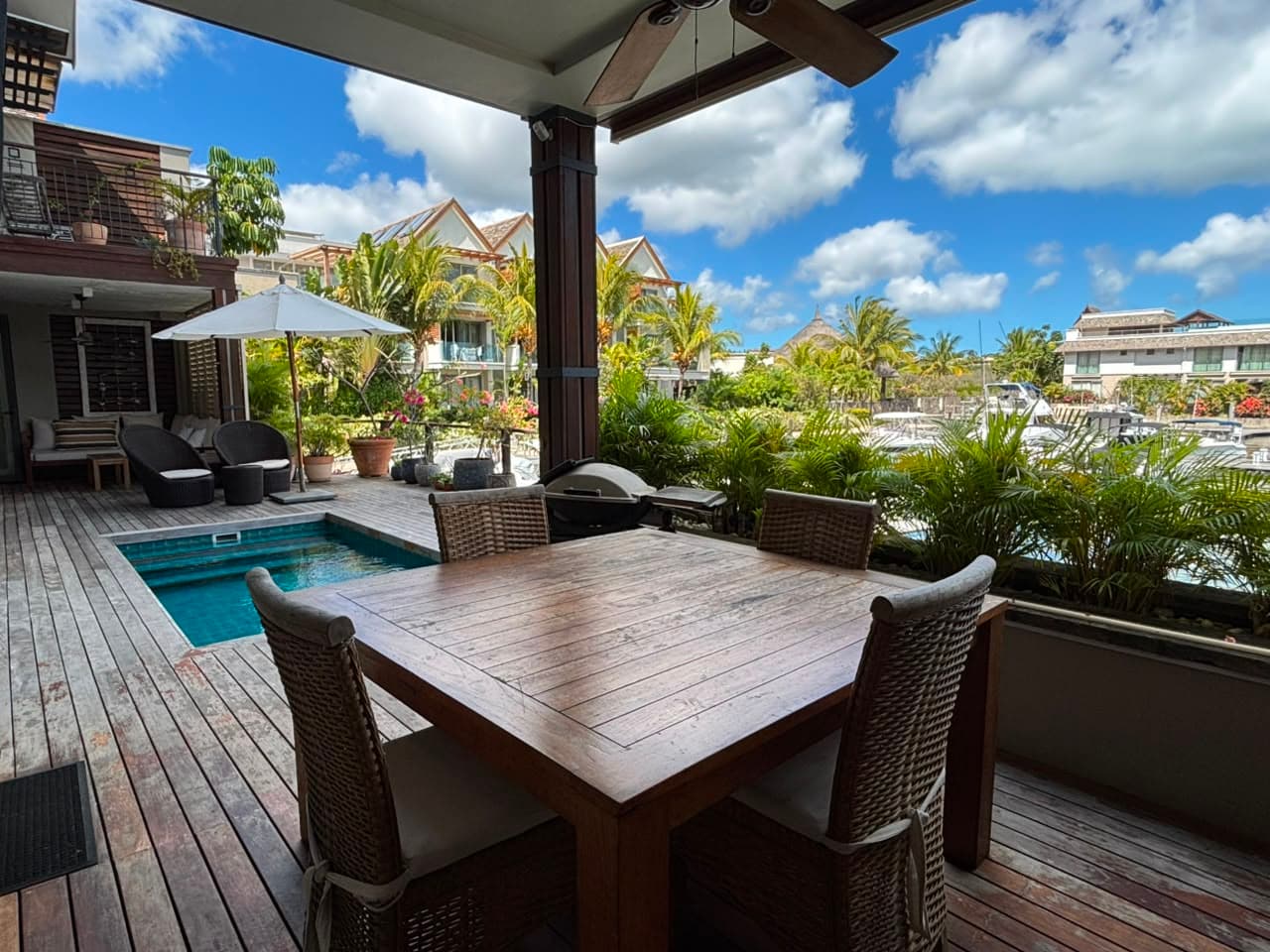
Ultimate Marina Lifestyle – Luxury Waterfront Residence, Private Mooring & Boat
44


Buying property in Mauritius as a foreign investor involves a clear but specific set of legal requirements, from identity documentation and AML compliance to notarised deeds and Economic Development Board approvals. This guide breaks down exactly what you need to have in place before — …
Purchasing property in Mauritius is one of the most rewarding decisions a British or European investor can make. From the sun-drenched shores of Grand Baie to the lush hillsides of Tamarin, the island offers an exceptional quality of life alongside a stable, investor-friendly legal framework. But as with any international property transaction, getting your paperwork in order is essential. Understanding the required documentation before you begin will save you time, protect your investment, and give you the confidence to move forward.
Here is a clear, practical guide to the legal documentation you will need when buying property in Mauritius.
The starting point for any property purchase in Mauritius is establishing your identity. You will need to provide a valid passport — typically with at least six months' validity — along with proof of residential address, such as a recent utility bill or bank statement dated within the last three months. If you are purchasing as a married couple or joint buyers, both parties must provide full identification documentation.
For those purchasing through a company or trust structure, additional corporate documentation will be required, including certificates of incorporation, director registers, and proof of beneficial ownership.
Mauritius has a transparent and attractive tax environment, but buyers are still required to demonstrate the legitimate source of their funds. You will need to provide your Tax Identification Number (TIN) from your country of residence, along with supporting financial documentation such as recent bank statements (typically covering the last three to six months), proof of income, or a letter from your financial institution confirming available funds.
This falls under Anti-Money Laundering (AML) compliance, which is taken seriously by the notary, the developer, and the relevant government authorities. Providing clear, organised financial records from the outset will significantly streamline the process.
Once you have agreed on a property, the transaction formally begins with the signing of a Preliminary Agreement, known locally as a Contrat Préliminaire de Vente or Promise to Sell. This legally binding document outlines the key terms of the sale — including the purchase price, payment schedule, and completion date — and is typically accompanied by a deposit of around 10% of the purchase price.
This agreement is drafted and executed before a Mauritian notary, who plays a central role in the island's property conveyancing system. Unlike in the UK, where solicitors handle conveyancing, in Mauritius it is the notary who prepares, authenticates, and registers all property deeds.
The Deed of Sale, or Acte de Vente, is the definitive legal document that transfers ownership from seller to buyer. This must be signed before a notary and subsequently registered with the Registrar-General. The notary will conduct a thorough title search to confirm the property is free from encumbrances, mortgages, or legal disputes before the deed is executed.
For foreign buyers purchasing under one of Mauritius's approved investment schemes — such as the Property Development Scheme (PDS), the Smart City Scheme, or the Ground + 2 Scheme — the Deed of Sale must also reference the relevant scheme approval. These frameworks specifically permit non-citizens to acquire freehold property in Mauritius, and the documentation must clearly reflect compliance with the applicable scheme guidelines.
Foreign nationals purchasing property in Mauritius must obtain approval from the Economic Development Board (EDB), formerly known as the BOI. This is an administrative step that applies when buying under the approved schemes mentioned above, and your notary or developer will typically manage this process on your behalf. Relevant documents include your passport, proof of funds, and the signed preliminary agreement.
If your purchase qualifies — generally properties priced at USD 375,000 or above under the PDS — you may also be eligible to apply for a Mauritian Residence Permit, adding another compelling dimension to your investment.
Buyers should also be aware of the associated costs beyond the purchase price. Registration duty in Mauritius is typically 5% of the purchase price, along with a notarial fee of approximately 1–2%. Your notary will provide a full breakdown of these charges, and all fees should be factored into your initial financial planning.
Navigating property law in a foreign jurisdiction is always easier with the right team around you. Engaging an experienced Mauritian notary, a reputable real estate agency, and — where necessary — a local tax adviser will ensure that your purchase proceeds smoothly and that your investment is fully protected.
Ready to take the next step towards owning your piece of paradise? At PropertyFinder Mauritius, we connect discerning buyers with the island's finest properties and the professional networks to support every stage of your purchase journey. Browse our curated listings today and let us help you make Mauritius home.
Hand-picked
Riviere Noire · West

Baie du Cap · South

Tamarin · West

Baie du Cap · South
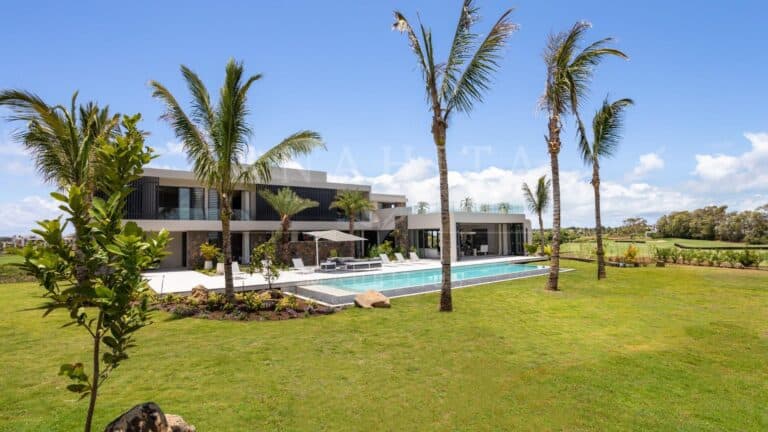
Beau Champ · East
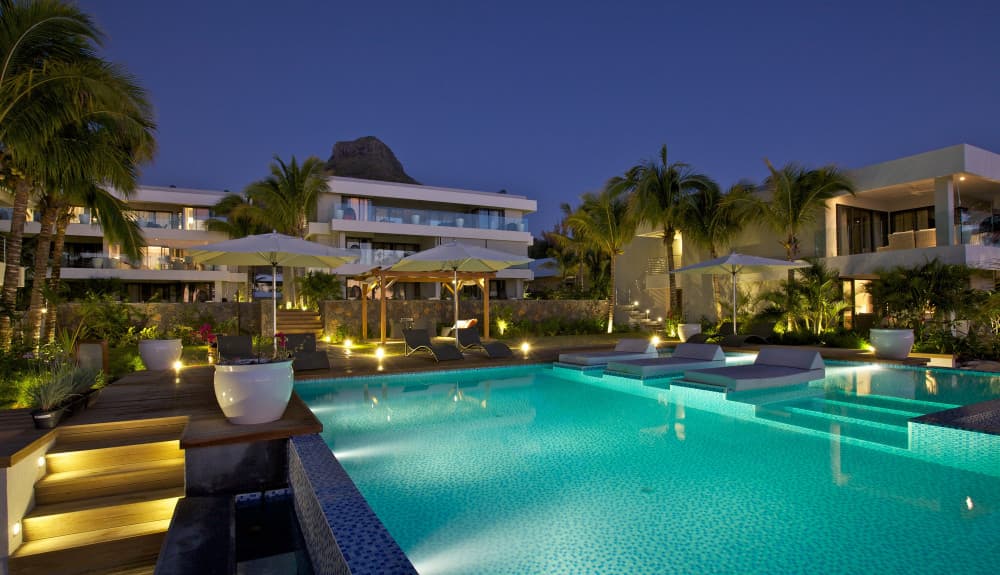
Riviere Noire · West
Explore by region
Explore the site
Market updates, buying guidance and the best new listings, straight to your inbox.
Buying a Property · 29 Jul 2026
Who can buy, the PDS and Smart City schemes, residence permits, the buying process step by step, costs, financing and tax for foreign buyers.
Buying a Property · 19 Aug 2024
Harmonie Golf Estate on Mauritius's scenic west coast offers a rare opportunity to invest in sustainably designed luxury villas within an…
Buying a Property · 9 Aug 2024
Mauritius has evolved well beyond its reputation as a holiday destination — today it offers British and European investors a rare combination of…
Buying a Property · 8 Aug 2024
Mauritius is fast becoming one of the Indian Ocean's most attractive destinations for rental property investment, offering foreign buyers political…
Buying a Property · 29 Jul 2024
Eco Savannah is one of Mauritius's most compelling residential developments, blending sustainable architecture with luxury villa living in the…
Buying a Property · 22 Jul 2024
Les Salines in Black River, a Beachcomber resort, offers branded apartments to foreign buyers under approved schemes. Here is what to verify.
Browse our current listings or speak to an agent.