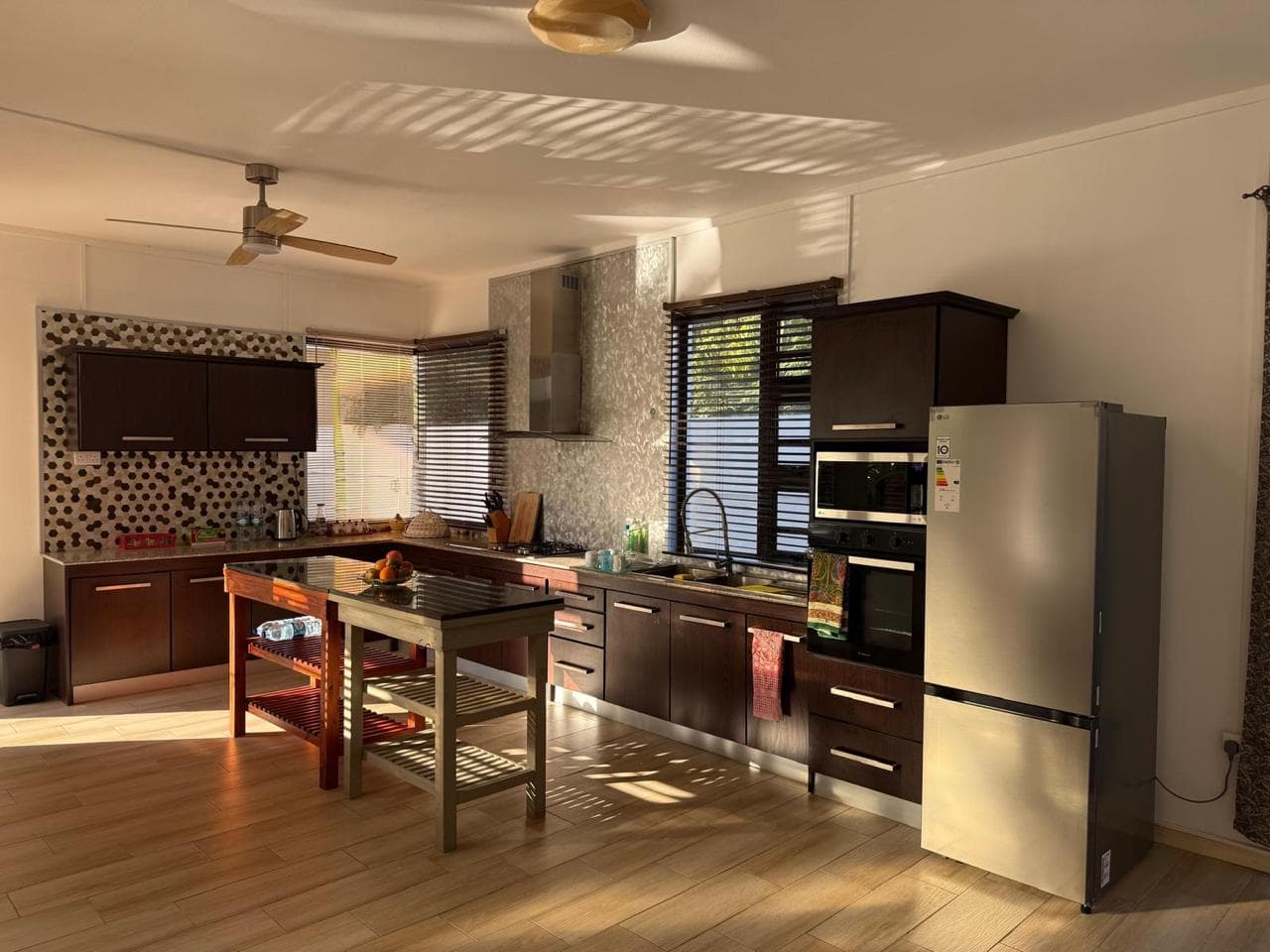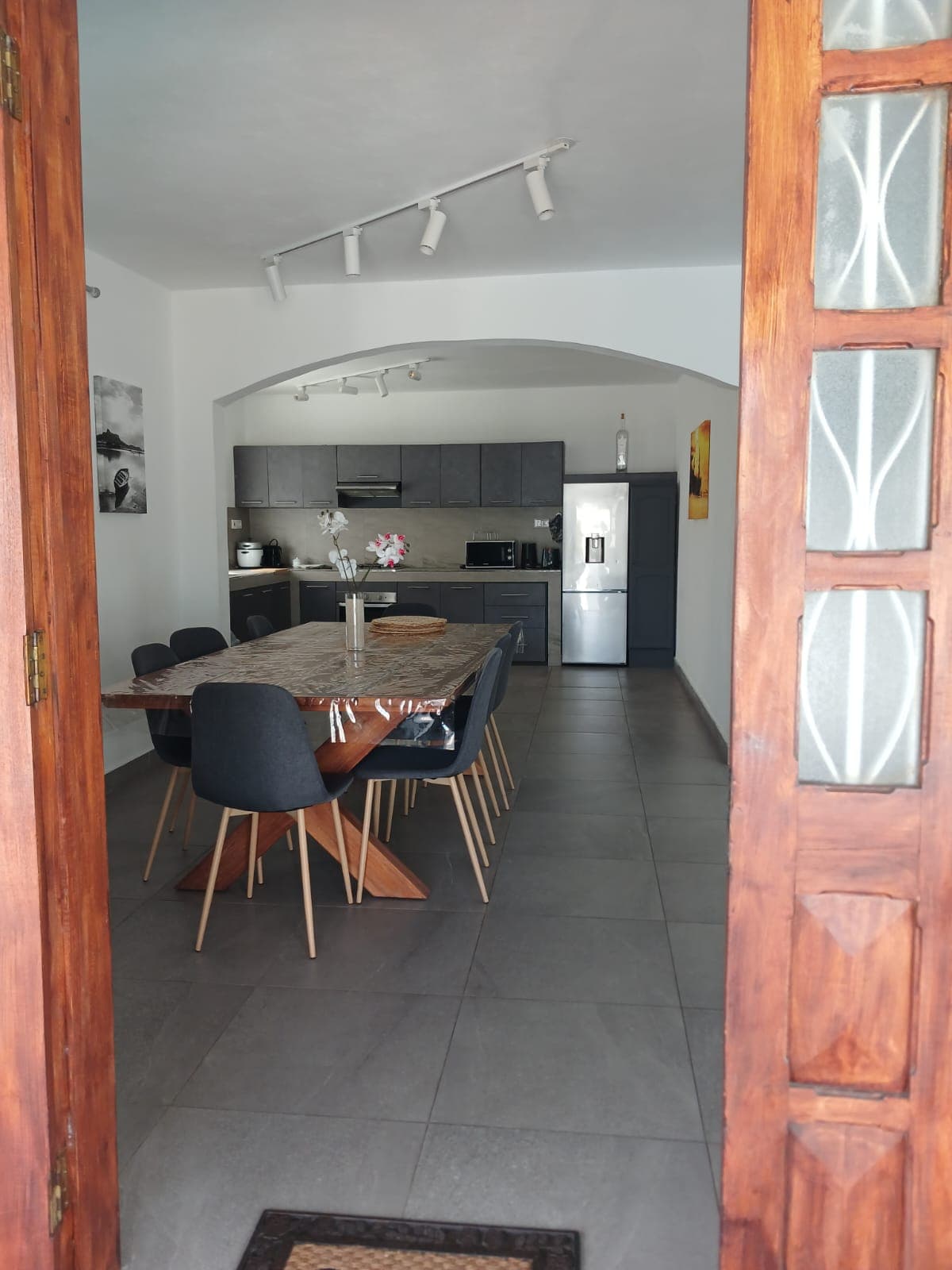
FOR RENTExpat
Rs65K/mo
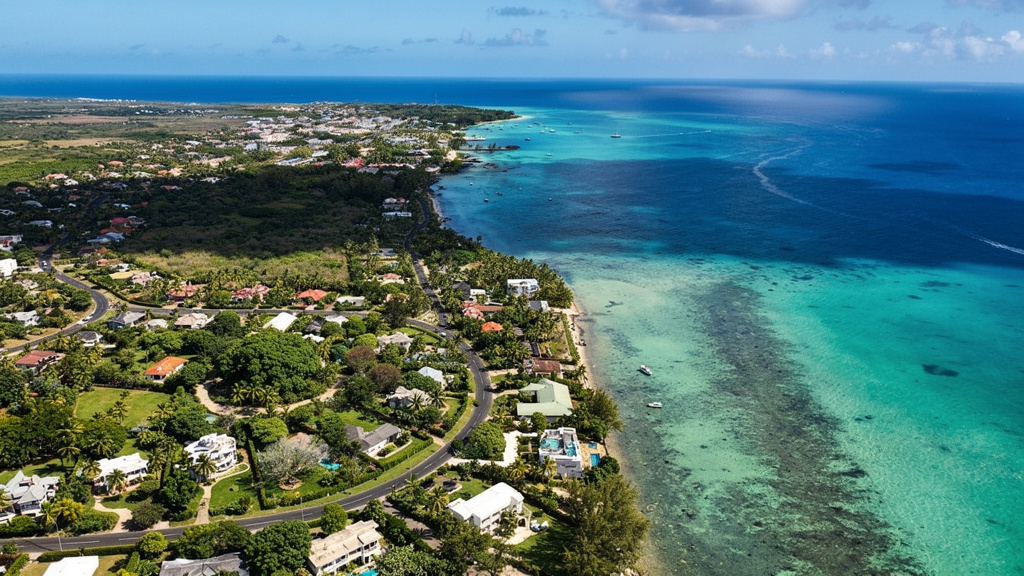
Resale property in Mauritius offers immediate availability, established neighbourhoods and often better value than off-plan. Here is everything buyers need to know before making an offer.
Resale property in Mauritius refers to any home, villa or apartment being sold by a private owner rather than a developer launching a new scheme. It is the fastest route to ownership on the island — you can inspect exactly what you are buying, negotiate directly, and in many cases move in or start earning rental income within weeks of completion. For buyers who want certainty over speculation, resale is often the smarter choice.
Demand is concentrated along the coast and in the established residential belts inland. The areas that consistently attract the most buyer interest include:
Yes — but with important conditions. Non-citizens cannot freely purchase any resale property on the open market. The legal framework distinguishes between two scenarios:
Foreigners may buy resale units inside government-approved residential schemes such as the Property Development Scheme (PDS) or older IRS/RES developments without restriction. A purchase of USD 375,000 or more (approximately MUR 17 million at current rates) automatically qualifies the buyer and their dependants for a Mauritian residency permit — one of the island's most compelling incentives for international buyers.
Foreigners wishing to buy a resale property outside an approved scheme must obtain prior approval from the Prime Minister's Office under the Non-Citizens (Property Restriction) Act. Approval is granted selectively and typically limited to one residential property. This route is less common but not impossible, particularly for long-term residents or those married to Mauritian citizens.
Budgeting correctly is critical. Beyond the agreed purchase price, buyers should account for:
The process runs: offer accepted → preliminary sale agreement (compromis de vente) signed → deposit paid (usually 10%) → notary conducts title searches → final deed signed before a notary → keys handed over. The full process typically takes 60–120 days.
Mauritius continues to attract high-net-worth buyers from Europe, South Africa, India and the Middle East, underpinned by political stability, a favourable tax regime (no capital gains tax, no inheritance tax) and a growing expatriate community. Resale stock in sought-after coastal areas has seen annual price appreciation of 5–8% over the past three years. Rental yields for well-located villas and apartments range from 4–7% gross, with short-term holiday lets often outperforming long-term leases in tourist-heavy zones like Grand Baie and Flic en Flac.
The key advantage of resale over off-plan is price transparency: you know the comparable sales, the maintenance history, and the actual condition of the property before you commit.
Ready to explore resale property in Mauritius? Our team can arrange viewings, explain residency eligibility and guide you through every legal step. Contact PropertyFinder Mauritius today to speak with a local specialist, or browse our full selection of properties for sale in Mauritius to find your perfect match.
Hand-picked
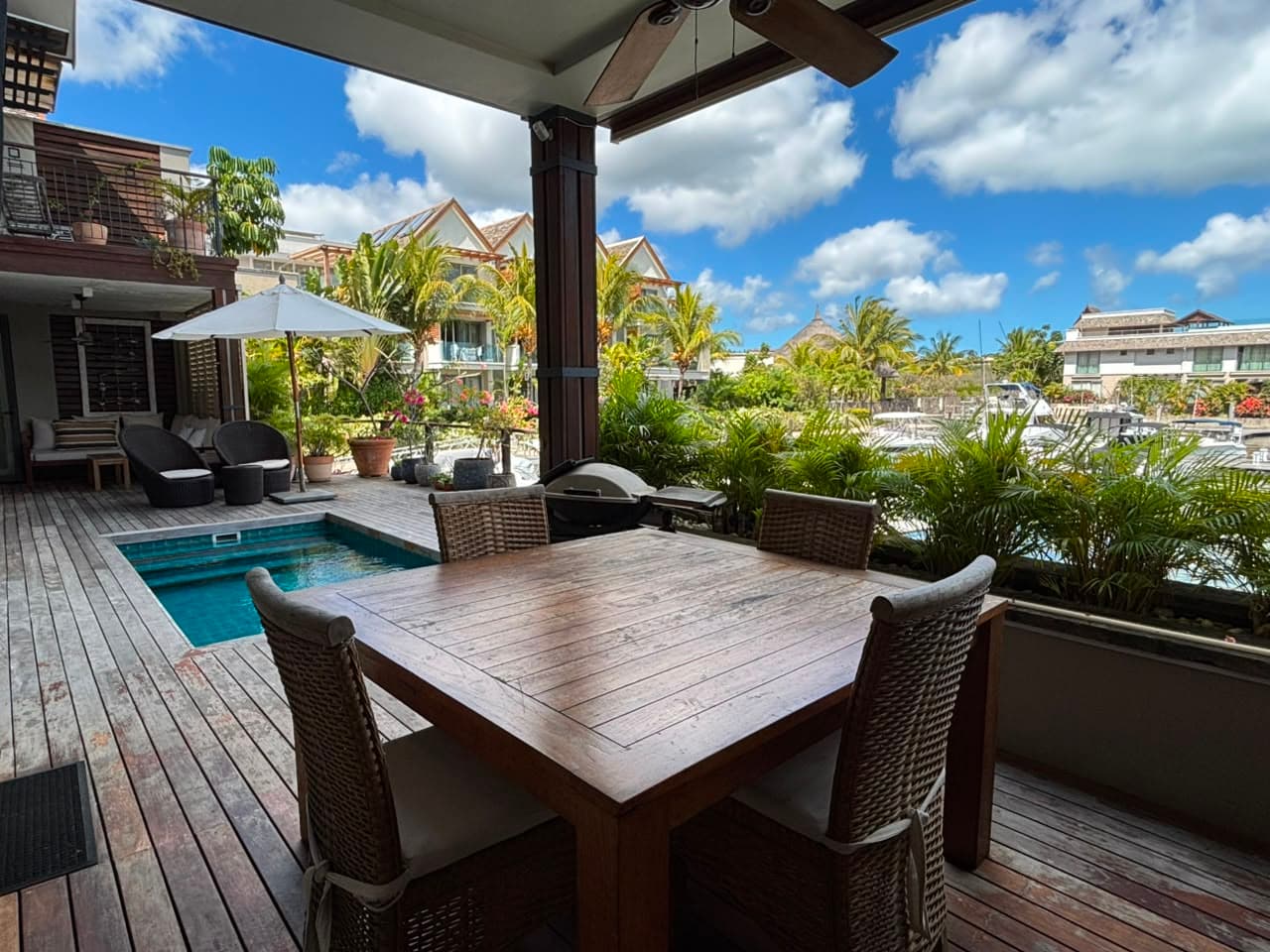
Riviere Noire · West

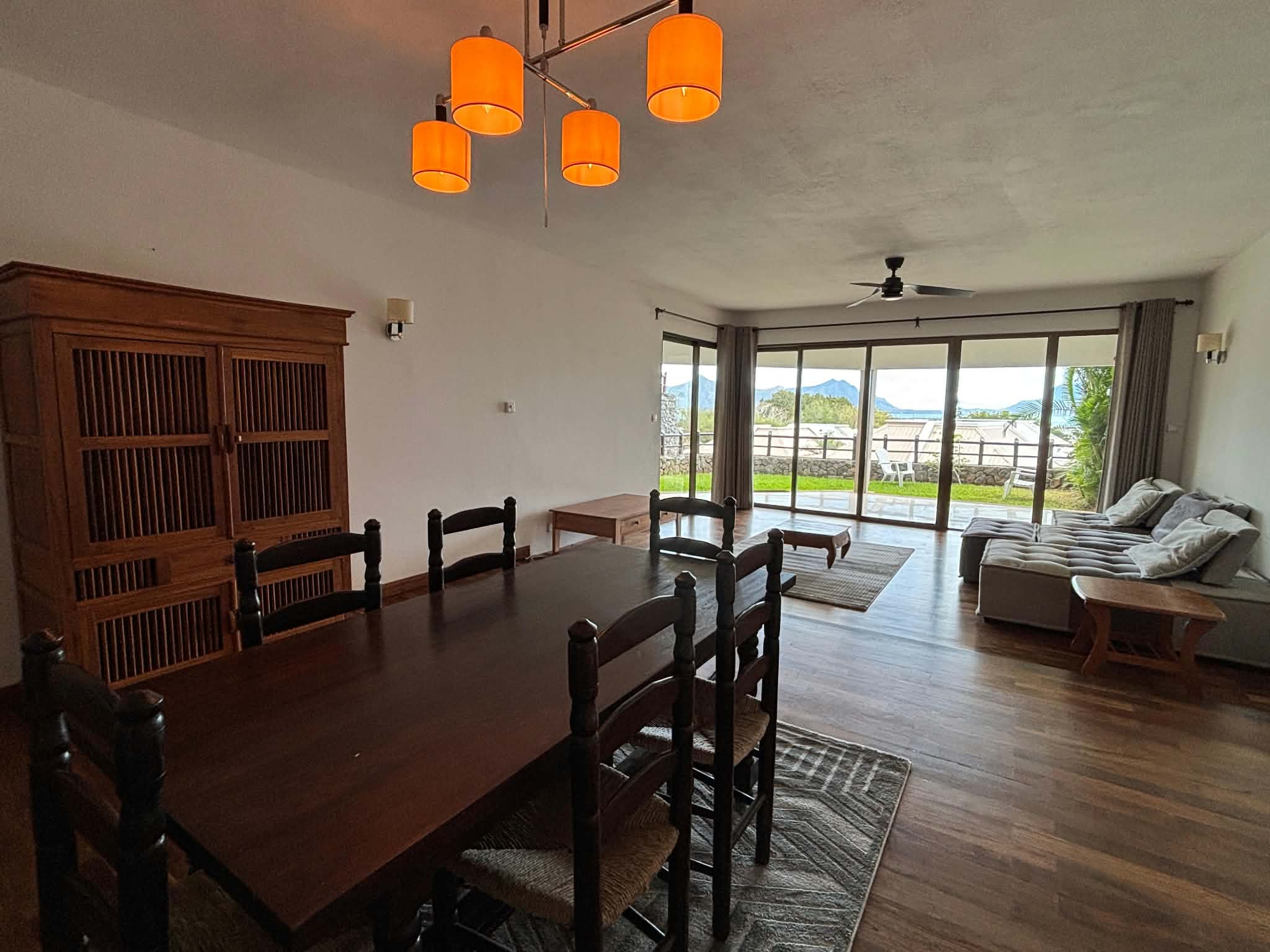
Tamarin · West

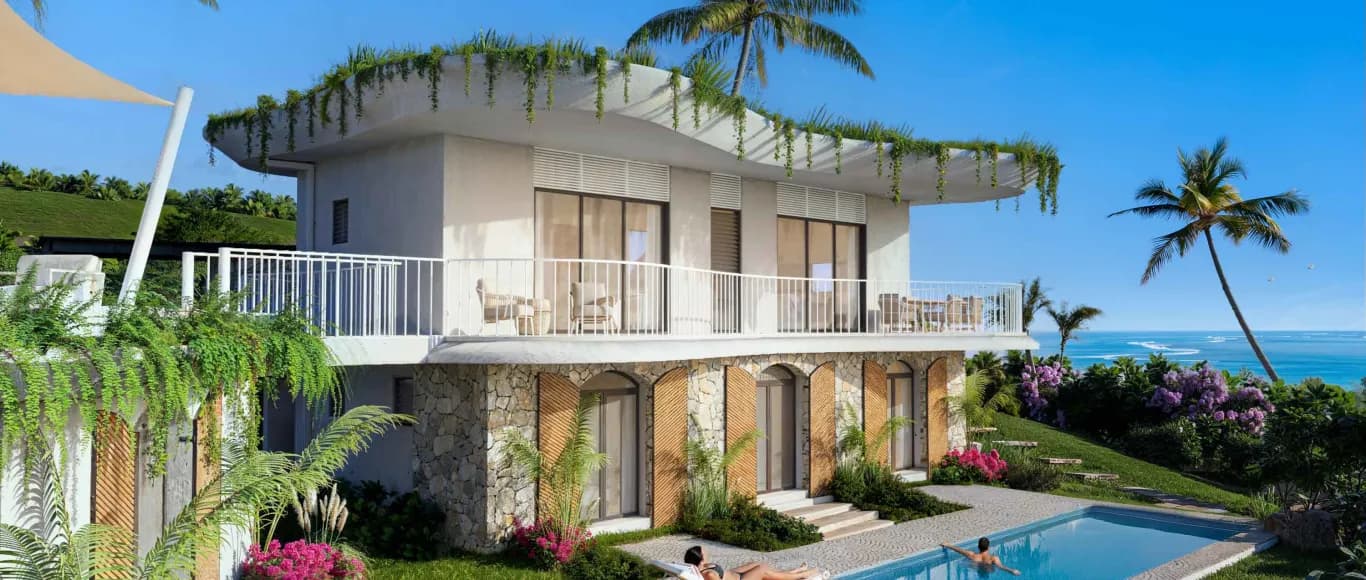
Baie du Cap · South
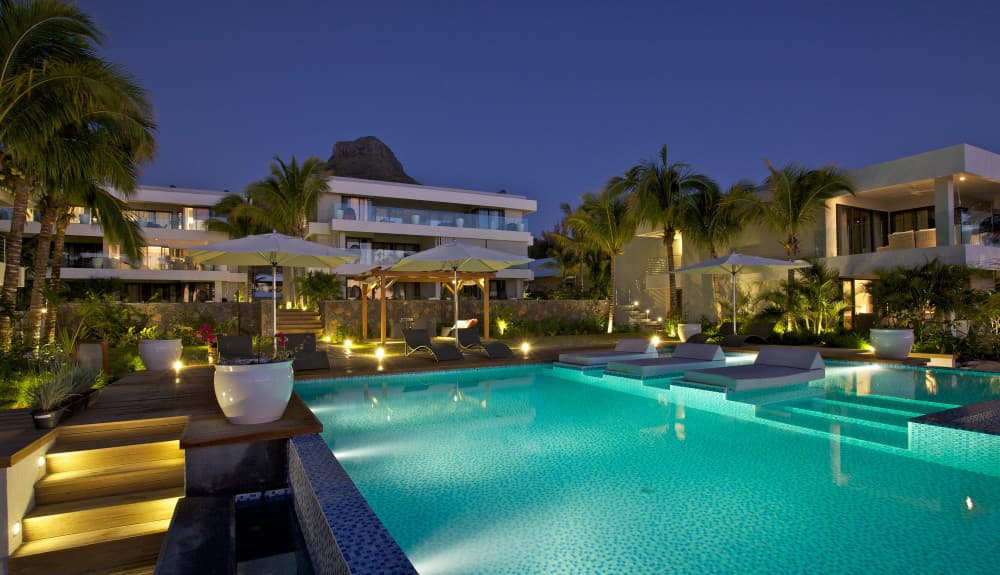
Riviere Noire · West
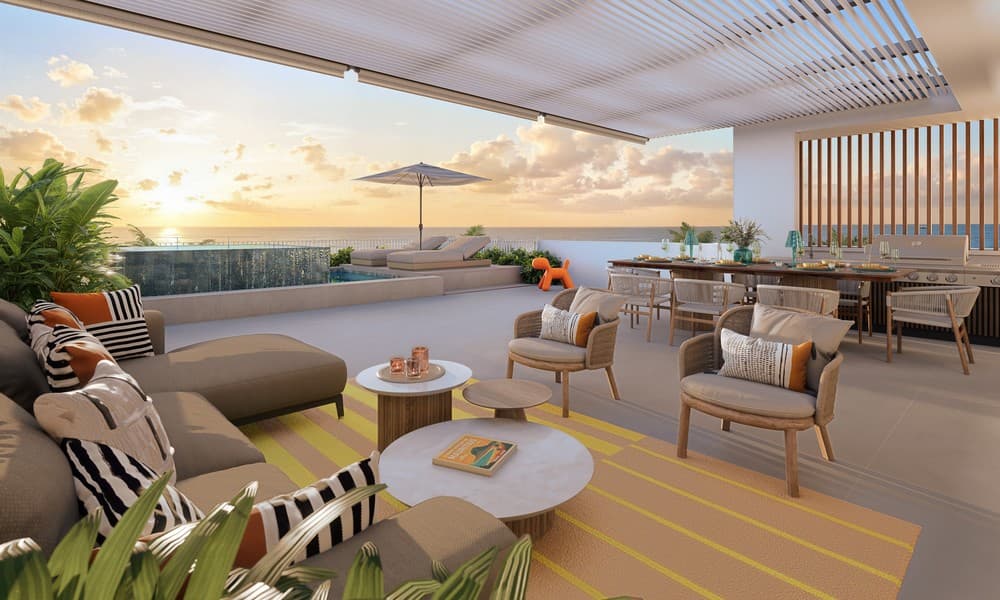
Tamarin · West
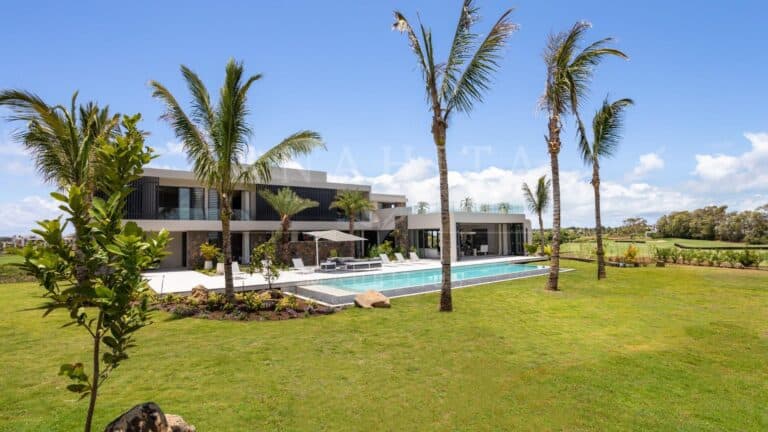
Beau Champ · East

Baie du Cap · South
Explore by region
Explore the site
Market updates, buying guidance and the best new listings, straight to your inbox.
Mauritius Property Guides · 24 Jul 2026
From Grand Baie boutiques to Port Louis commercial hubs, retail property in Mauritius offers strong footfall and growing consumer demand. Here's…
Mauritius Property Guides · 23 Jul 2026
Quatre Bornes is one of Mauritius's most sought-after towns for renters, offering a cool climate, excellent amenities, and strong transport links at…
Mauritius Property Guides · 23 Jul 2026
New property listings in Mauritius move fast. Learn where the freshest homes, villas and apartments appear first, what to expect on price, and how…
Mauritius Property Guides · 23 Jul 2026
A practical guide for owners who want to sell a Mauritius property quickly: pricing, paperwork, presentation and a smooth notary-led completion.
Mauritius Property Guides · 23 Jul 2026
Tamarin is one of Mauritius's most sought-after addresses, blending surf-beach lifestyle with strong investment fundamentals. Here is everything you…
Mauritius Property Guides · 23 Jul 2026
PropertyFinder Mauritius is the island's dedicated property portal, connecting buyers, investors and renters with verified listings across every…
Browse our current listings or speak to an agent.