FOR RENTExpat
Rs450K/mo
Riviere Noire · West
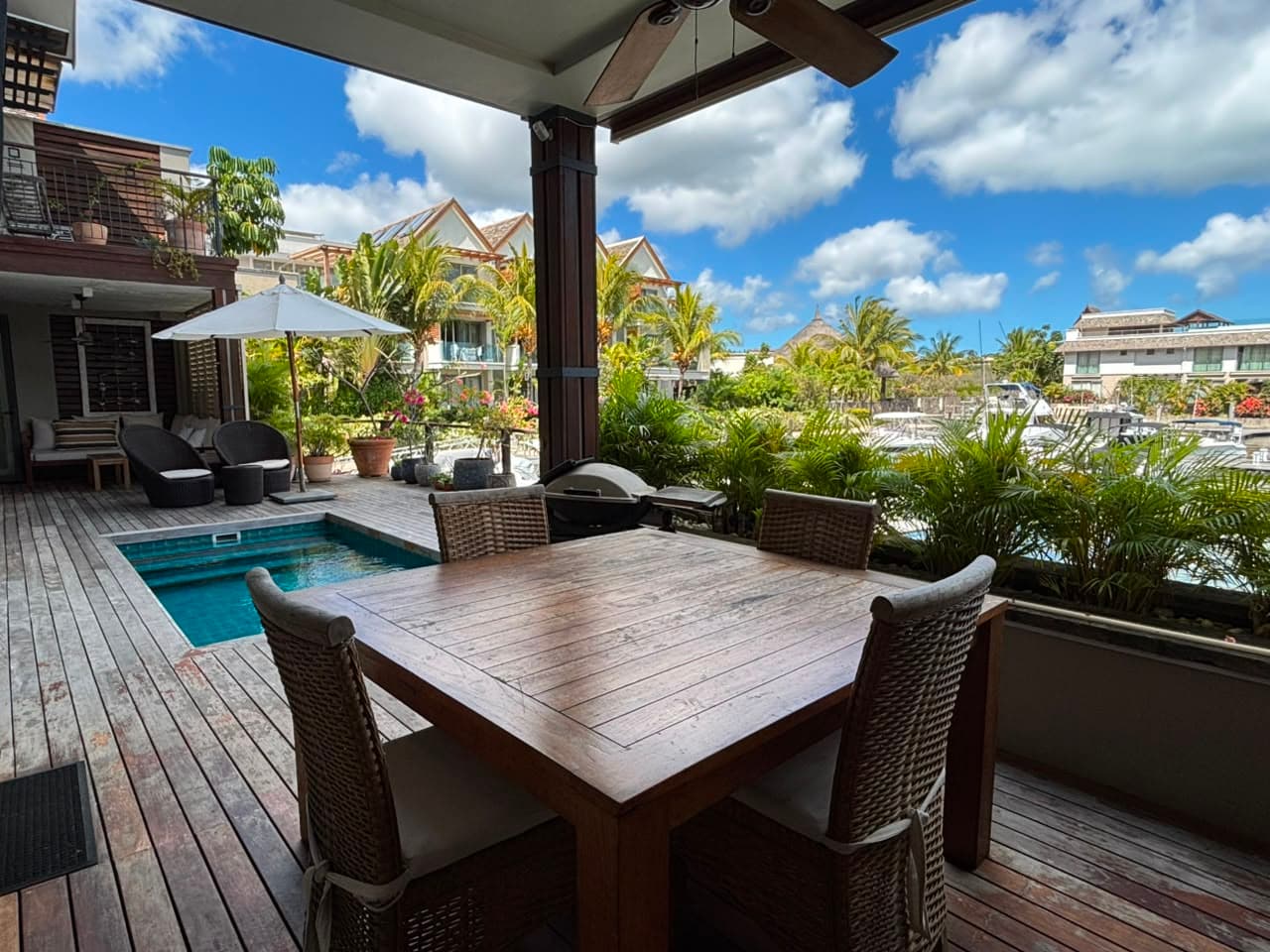
Ultimate Marina Lifestyle – Luxury Waterfront Residence, Private Mooring & Boat
44

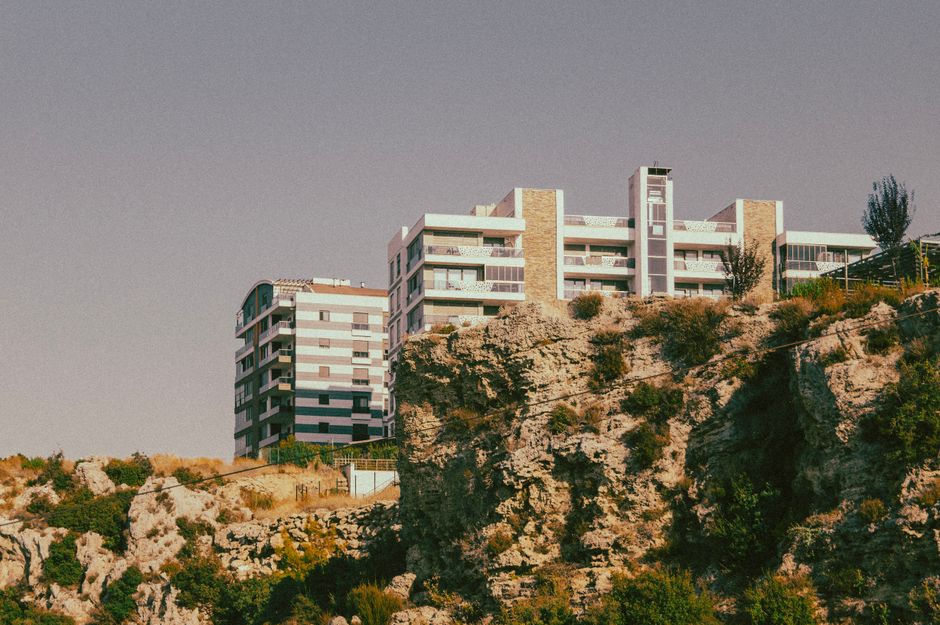
Everything foreign buyers need to know about purchasing in a residential complex in Mauritius, legal frameworks, costs, process, and how to find the right property.
A residential complex in Mauritius is a purpose-built development containing multiple private dwellings, apartments, villas, or townhouses, that share common infrastructure such as gardens, pools, security systems, and management services. These developments are the primary vehicle through which foreign nationals are legally permitted to purchase freehold residential property on the island.
Under Mauritian law, foreigners cannot buy standalone land or resale houses outside designated schemes without government approval. Purchasing within an approved residential complex, most commonly under the Property Development Scheme (PDS) or the Smart City Scheme, provides a clear, legally structured pathway. Understanding what a residential complex is, and which scheme governs it, is the first step any serious buyer should take.
The PDS replaced earlier frameworks (IRS and RES) in 2015. It allows foreign nationals to buy residential units within approved complexes with no minimum purchase price, though in practice most PDS properties are priced above USD 375,000. Purchasing a PDS property above this threshold automatically qualifies the buyer and their dependants for a Mauritian residence permit.
Smart Cities are large, mixed-use developments combining residential, commercial, and leisure zones. Foreign buyers can purchase residential units within the residential complex portions of a Smart City. The same residence permit benefit applies at the USD 375,000 threshold.
Some residential complexes are structured as hotel-integrated developments. Buyers own a unit but participate in a rental pool managed by the hotel operator. This suits investors who want rental income without hands-on management.
A newer category permits foreigners to buy apartments in buildings of at least two floors, at a minimum price of MUR 6 million (approximately USD 135,000). This has opened a more accessible price point within certain residential complexes.
Finding the right residential complex requires a structured approach. The Mauritian property market is not fully centralised, listings are spread across developer websites, local agents, and property portals.
Property Finder Mauritius is a dedicated property portal that aggregates listings of residential complexes across the island, including PDS, Smart City, GFA, and IHS developments. It allows buyers to filter by scheme type, location, price range, and bedroom count, which significantly reduces the time spent cross-referencing multiple sources.
When using any property portal or agent service in Mauritius, confirm the following before proceeding:
Use a reputable property portal or engage a licensed real estate agent. Shortlist two to four developments that match your budget, preferred location, and lifestyle requirements. Coastal areas such as Grand Baie, Tamarin, Beau Champ, and Pereybere each have distinct residential complex offerings.
Once you identify a unit, you sign a Reservation Agreement and pay a holding deposit, typically 1–2% of the purchase price. Your notary then conducts title searches and verifies the development's EDB approval status.
This legally binding contract sets out the full purchase price, payment schedule, completion date, and penalty clauses. A further deposit of around 10% is usually paid at this stage. Both parties sign before a notary.
Foreign nationals must obtain authorisation from the Economic Development Board before the sale is finalised. The notary typically manages this application. Processing times vary but generally fall between four and eight weeks.
The final deed is signed before a notary, the balance of the purchase price is transferred, and the title is registered with the Conservatoire des Hypothèques. Ownership is formally transferred at this point.
Buyers should budget for the following costs in addition to the purchase price:
| Cost Item | Typical Amount | |---|---| | Registration duty | 5% of purchase price | | Notary fees | 1–2% of purchase price | | Land Transfer Tax | 5% (paid by seller, but affects negotiation) | | EDB application fee | MUR 10,000 (approximately USD 220) | | Annual land tax | Varies by property value | | Body corporate / management fees | MUR 5,000–25,000+ per month depending on complex |
Registration duty and notary fees are the two costs buyers most commonly underestimate. On a USD 500,000 property, these two items alone can add USD 35,000–45,000 to the total outlay. Factor them in from the outset.
Not all residential complexes are equal in quality, management, or investment potential. When evaluating a development, consider:
Management and body corporate structure, A well-run residential complex has a transparent body corporate, published maintenance budgets, and clear rules on rental, renovation, and resale. Ask for the management agreement before signing anything.
Construction quality and developer reputation, Request details of the developer's previous projects. Visit completed phases if they exist. Check whether the construction is NHBRC-equivalent certified or independently inspected.
Rental yield potential, If rental income is part of your plan, ask the developer or agent for realistic occupancy data, not projections. Cross-reference with independent rental listings in the same area.
Resale restrictions, Some schemes impose a minimum holding period or right-of-first-refusal clauses. Understand these before committing.
Location and infrastructure, Proximity to international schools, hospitals, and the airport matters both for liveability and resale value. The M1 motorway and upcoming road upgrades have shifted desirability patterns in several regions.
Property Finder Mauritius lists residential complexes across all major approved schemes. When using the platform:
The platform does not charge buyers a fee to browse or enquire. Agent and developer listings are the source of any commercial arrangement on the supply side.
Buying within a residential complex in Mauritius is a well-trodden process for international buyers. The legal framework is clear, the professional infrastructure is established, and the range of developments now covers a broad spectrum of budgets and lifestyles.
Hand-picked
Riviere Noire · West

Baie du Cap · South
Tamarin · West

Baie du Cap · South
Beau Champ · East

Riviere Noire · West
Explore by region
Explore the site
Market updates, buying guidance and the best new listings, straight to your inbox.
Mauritius Real Estate · 14 Oct 2026
Everything you need to know about house rental in Mauritius: costs, locations, lease rules, and how to find the right property. Updated guide for…
Mauritius Real Estate · 13 Oct 2026
Where to find a business park in Mauritius, what leasing or buying costs, and how foreign companies set up. Covers Ebène, Grand Baie, Pailles and…
Mauritius Real Estate · 12 Oct 2026
A practical guide to business insurance in Mauritius for property owners, landlords, and investors. Covers key cover types, costs, and what to check…
Mauritius Real Estate · 10 Oct 2026
Everything you need to know about getting a skipper license in Mauritius, from exam requirements to costs, plus how it connects to waterfront living.
Mauritius Real Estate · 9 Oct 2026
Find bungalows for rent in Mauritius: coastal, urban, and waterfront options explained, with inspection tips and neighbourhood comparisons.
Mauritius Real Estate · 9 Oct 2026
Explore the business park in Mauritius Riviere Noire, commercial real estate options, waterfront property, and financing routes for foreign buyers.
Browse our current listings or speak to an agent.


