FOR RENTExpat
Rs450K/mo
Riviere Noire · West
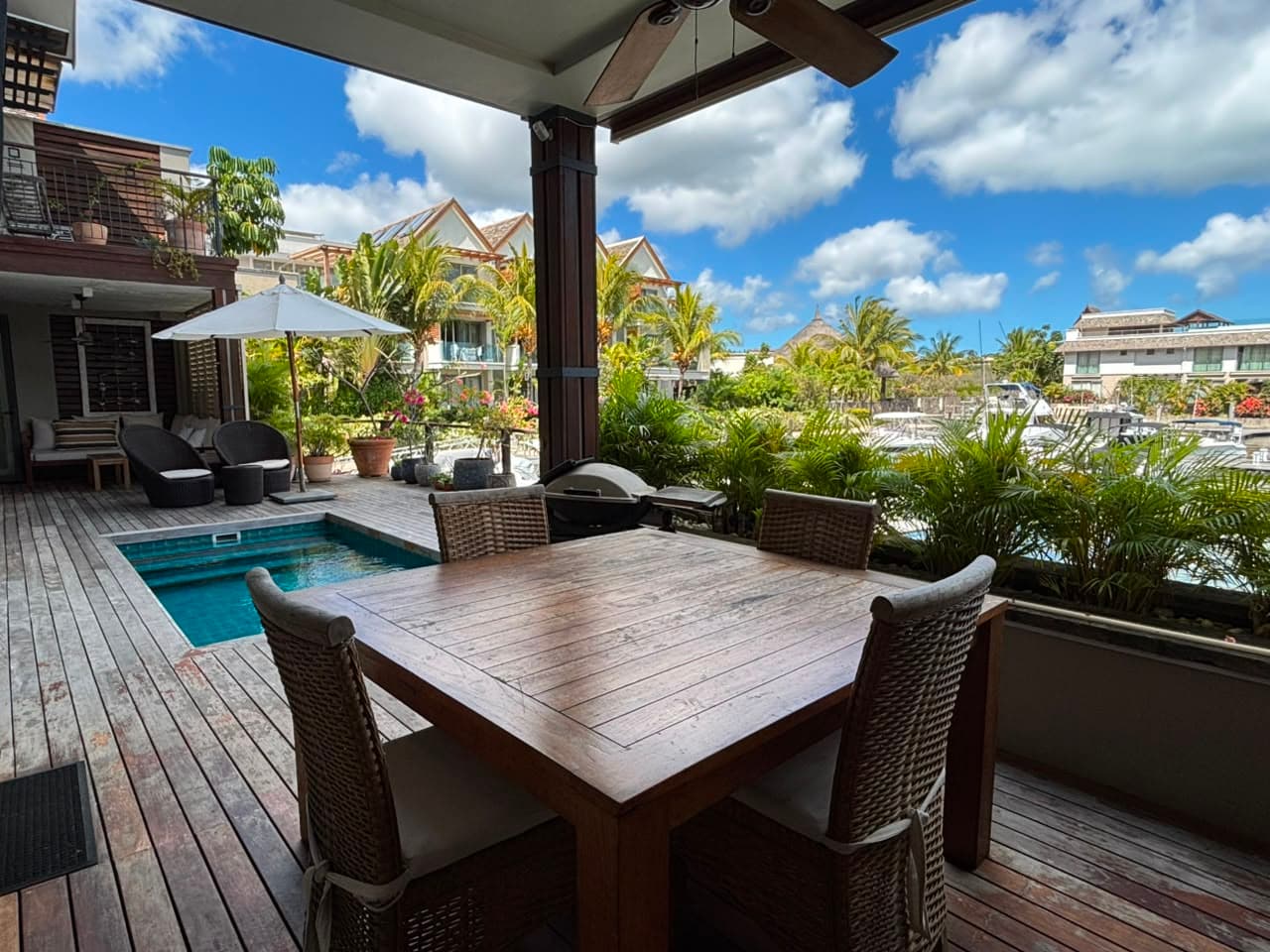
Ultimate Marina Lifestyle – Luxury Waterfront Residence, Private Mooring & Boat
44


Mauritius has become one of the most sought-after retirement destinations for South Africans, offering a compelling combination of tax efficiency, lifestyle quality, and accessible residency pathways. But making the most of the move requires careful planning — here's what you really nee…
For many South Africans, Mauritius occupies a uniquely familiar yet aspirational place in the imagination — close enough to feel like home, different enough to feel like an escape. With its Indian Ocean setting, stable democracy, and deeply connected ties to southern Africa, the island has become one of the most popular retirement destinations for South African nationals. But as with any major life decision, the move deserves careful thought. Here's an honest, detailed look at what retiring in Mauritius as a South African actually looks like.
Let's start with the obvious: quality of life in Mauritius is exceptional. The island offers warm weather year-round, world-class healthcare, low crime rates, and a multicultural society where English and French are widely spoken. For South Africans accustomed to navigating safety concerns, load-shedding, and infrastructure frustrations, Mauritius can feel like a profound relief.
From a financial perspective, the tax environment is one of the most attractive in the world. Mauritius operates a progressive personal income tax rate (0% up to MUR 500,000, 10% up to MUR 1,000,000, 20% up to MUR 12,000,000 and 35% above that) and a 15% corporate tax rate, and crucially, there is no capital gains tax, no inheritance tax, and no withholding tax on dividends. South Africans who have built wealth through property, investments, or business ownership will find this structure significantly more favourable than what they leave behind.
The Double Taxation Agreement (DTA) between South Africa and Mauritius is another important consideration. While South African tax residency rules have tightened in recent years, retirees who successfully cease South African tax residency and establish genuine fiscal domicile in Mauritius can benefit from a streamlined and efficient tax position. This should always be structured with the help of a qualified cross-border tax adviser.
One of the most straightforward routes to long-term residency in Mauritius for South Africans is through property investment. The government's various residential schemes, including the Property Development Scheme (PDS) and the Smart City Scheme, allow foreign nationals to purchase property from USD 375,000 and qualify for a residence permit upon completion.
For retirees, this is an elegant solution: you acquire a tangible, appreciating asset, gain the right to live on the island indefinitely, and enjoy the lifestyle benefits all at once. Developments across Grand Baie, Tamarin, Balaclava, and the south coast offer everything from beachfront villas to contemporary apartments within integrated resort communities, many of which include golf courses, marinas, concierge services, and wellness facilities.
If purchasing property isn't the immediate plan, Mauritius also offers a dedicated Retired Non-Citizen Permit. Applicants must be 50 years or older and transfer a minimum of USD 1,500 per month — or USD 18,000 per year — into a Mauritian bank account. The permit is renewable and provides a legal, stable basis for long-term residence without requiring property ownership from day one.
For all its appeal, Mauritius is not without its nuances. The cost of living, while lower than Europe, can surprise those comparing it to South Africa. Imported goods, international-standard healthcare, and premium residential areas carry price tags that reflect the island's positioning as an upmarket destination. Retirees on fixed incomes should model their expenses carefully before committing.
Healthcare is a mixed picture. Private hospitals such as Wellkin and C-DAM offer genuinely high standards of care, but specialist services — particularly for complex or chronic conditions — can be limited, and medical evacuation to South Africa or further afield may occasionally be necessary. Comprehensive international health insurance is essential, not optional.
Socially, integration takes effort. While South Africans often find the cultural proximity reassuring, Mauritius has its own distinct rhythms, languages, and social codes. Learning a few phrases of Mauritian Creole goes a long way, and investing time in local community life — rather than retreating exclusively into expat circles — makes for a richer experience.
Finally, South Africa's exit tax rules require serious attention. When ceasing tax residency, South Africans are subject to a deemed disposal of worldwide assets, which can trigger a significant capital gains tax liability. This is not a reason to avoid the move, but it is absolutely a reason to plan it well in advance with specialist advice.
Mauritius represents one of the most genuinely rewarding retirement options available to South Africans — combining lifestyle quality, financial efficiency, political stability, and geographic proximity into a compelling package. The key is approaching the decision with the same rigour you would apply to any significant investment: understand the rules, seek the right professional guidance, and choose a property or residency pathway that genuinely fits your life.
Ready to explore what retirement in Mauritius could look like for you? Browse our curated selection of retirement-eligible properties and resort residences at PropertyFinder Mauritius — and speak to our expert team about finding the right home for the next chapter of your life.
Hand-picked
Riviere Noire · West

Baie du Cap · South

Tamarin · West

Baie du Cap · South
Beau Champ · East

Riviere Noire · West
Explore by region
Explore the site
Market updates, buying guidance and the best new listings, straight to your inbox.
Expats Support Services · 9 Oct 2025
Expats Support Services · 8 Oct 2025
With UK living costs continuing to rise in 2025, Mauritius offers British expats and investors a compelling financial alternative, from dramatically…
Expats Support Services · 8 Oct 2025
With record numbers of Brits leaving the UK in 2025 amid rising taxes and declining quality of life, Mauritius has emerged as the destination of…
Expats Support Services · 18 Jul 2024
Opening a bank account in Mauritius is an essential step for any expat relocating to the island or investing in property, but the process comes with…
Expats Support Services · 18 Jul 2024
Relocating to Mauritius with a pet is entirely possible, but it demands careful planning, strict documentation, and months of preparation. This…
Expats Support Services · 8 Feb 2023
South Africa is one of the closest and most convenient gateways to Mauritius, and with the right planning, a scouting trip for property investment…
Browse our current listings or speak to an agent.


