FOR RENTExpat
Rs450K/mo
Riviere Noire · West
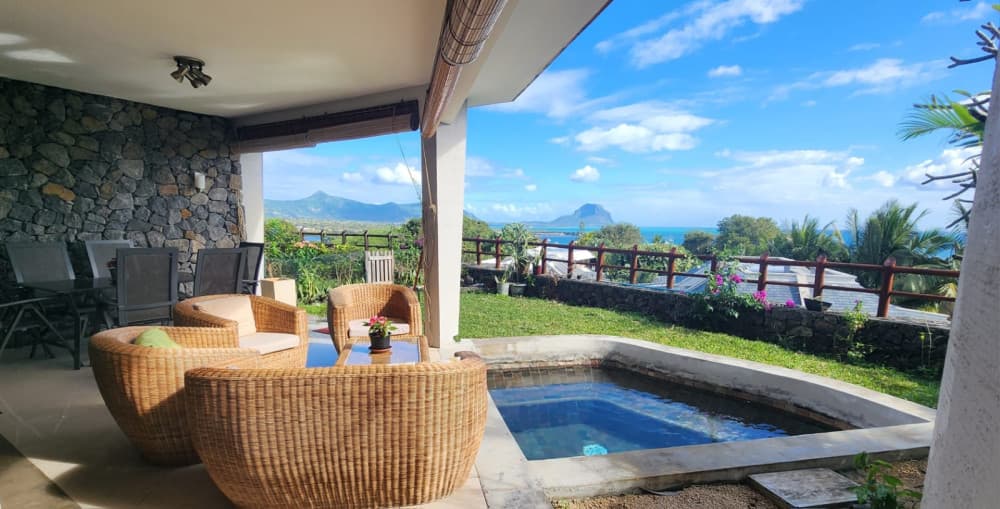
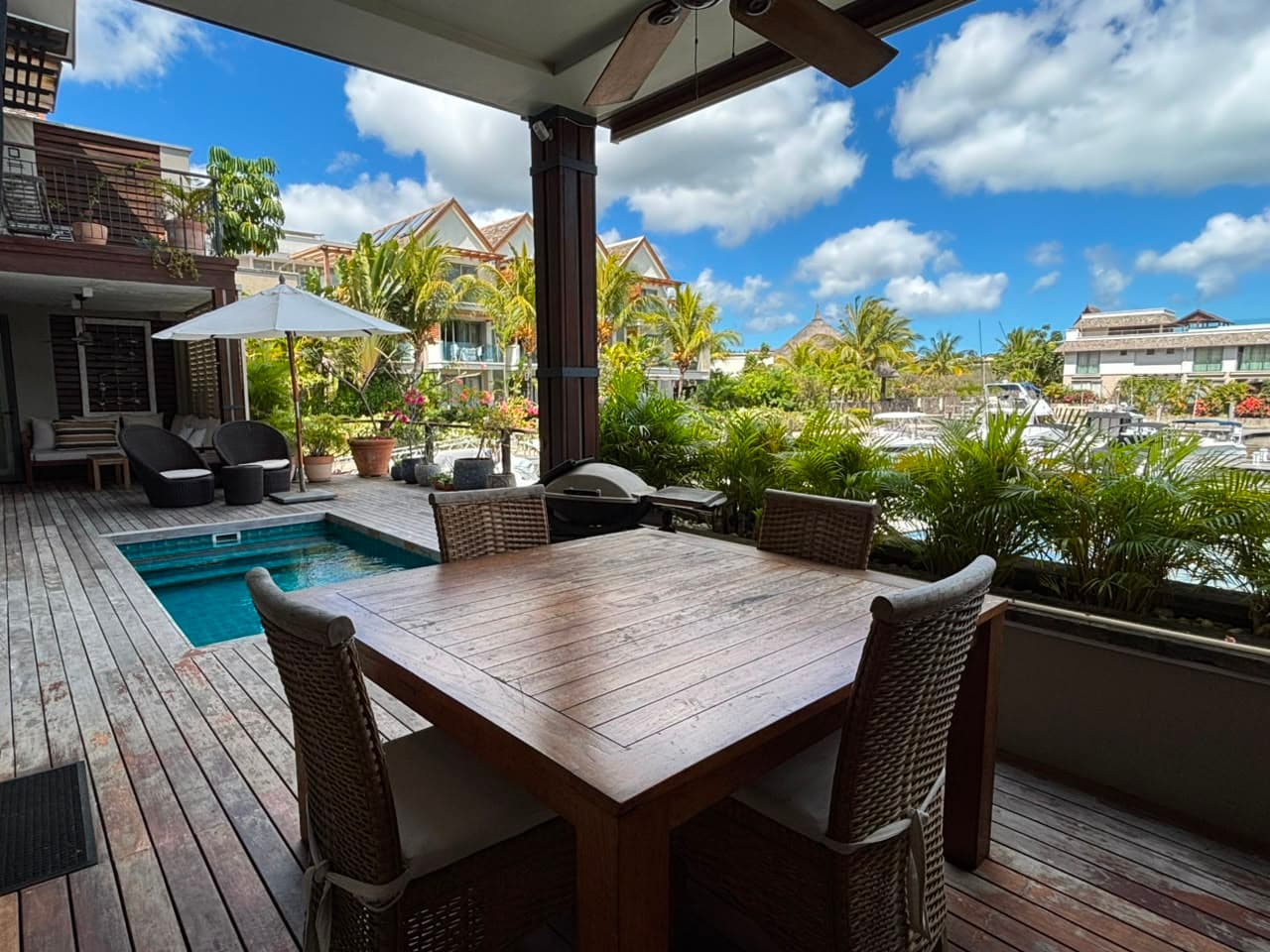
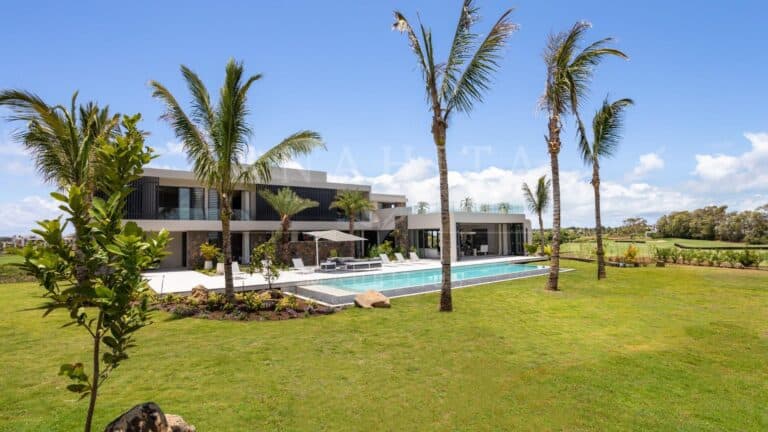
Ultimate Marina Lifestyle – Luxury Waterfront Residence, Private Mooring & Boat
44

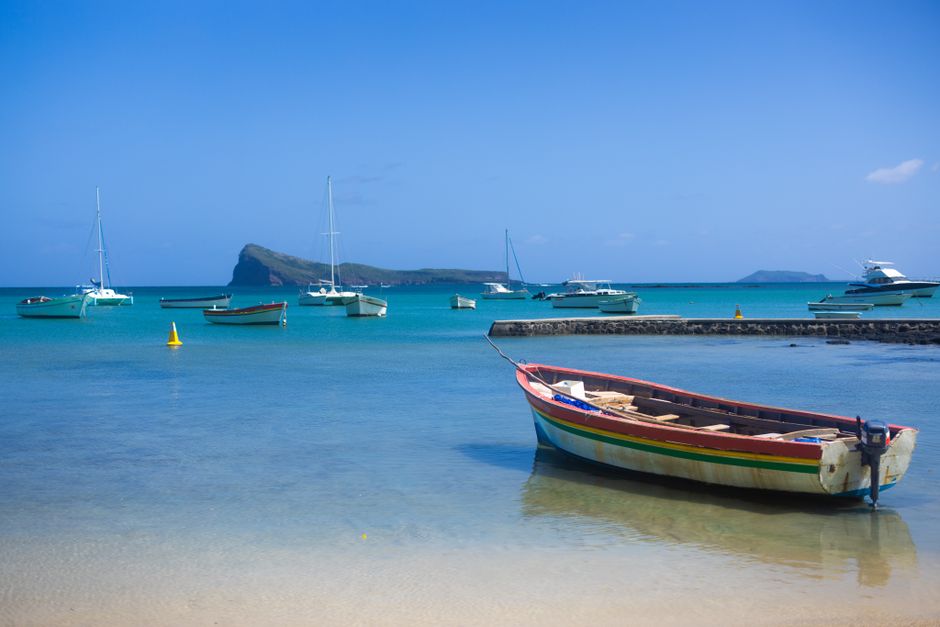
Mauritius offers one of the most business-friendly environments in the world, with low corporate tax, extensive double taxation treaties, and a streamlined company registration process that can be completed in days. Whether you're establishing a global holding structure or relocating yo…
Mauritius has quietly become one of the world's most compelling destinations for business formation — and it's not hard to see why. With a stable political environment, a robust legal framework rooted in both English common law and French civil law, low corporate tax rates, and an enviable network of double taxation agreements, the island offers a genuinely attractive proposition for British and European entrepreneurs and investors looking beyond their home markets.
But knowing where to start can feel overwhelming. This guide breaks down everything you need to know about setting up a company in Mauritius — clearly, practically, and without the jargon.
Before diving into the mechanics, it's worth understanding what makes Mauritius stand out. The country holds investment-grade sovereign credit ratings, ranks consistently among Africa's top business-friendly nations according to the World Bank, and operates a flat corporate tax rate of 15% — one of the most competitive in the region. For high-net-worth individuals and holding company structures, the Global Business Licence (GBL) framework can reduce effective tax rates even further through partial exemption regimes.
Add to this the lifestyle factor: Mauritius offers world-class healthcare, international schools, modern infrastructure, and a cosmopolitan culture. Many entrepreneurs who come to register a business end up making the island their home — and with a growing luxury property market spanning beachfront villas in Grand Baie to hillside residences in Tamarin, it's easy to understand the appeal.
The Financial Services Commission (FSC) and the Registrar of Companies oversee business registration in Mauritius. The most common structures for foreign investors include:
For most European investors entering the market, the GBC or domestic company will be the most relevant starting point.
Setting up a company in Mauritius is notably efficient. Here's how the process typically works:
A licensed Management Company is mandatory for GBC structures and highly recommended for all foreign-owned entities — they handle compliance, registered office requirements, and ongoing regulatory reporting.
Initial registration fees are modest — typically under USD 500 for a domestic company. Annual compliance costs for a GBC, including management company fees, typically range from USD 3,000 to USD 8,000 depending on complexity. Corporate tax returns must be filed annually with the MRA, and financial statements must be audited for GBCs.
Many investors who establish a company in Mauritius do so hand-in-hand with a property acquisition strategy. Owning property through a domestic company can offer estate planning advantages, while certain development and rental investment structures benefit from being held within a corporate entity. Additionally, business owners who relocate to Mauritius under the Occupation Permit or Premium Visa schemes — both of which are accessible to business founders — become eligible to purchase residential property under the Property Development Scheme (PDS) or Smart City Scheme, opening doors to some of the island's most prestigious addresses.
Setting up a company in Mauritius is more straightforward than many expect — but getting the structure right from the outset is crucial. Whether you're establishing a holding vehicle, launching a regional business, or planning a full relocation, the island rewards those who plan carefully.
If your business journey is bringing you to Mauritius, your property search should begin in the right place too. Explore PropertyFinder Mauritius to discover luxury homes, investment properties, and PDS-approved residences across the island — because the best decisions in life are the ones that work on every level.
Hand-picked
Riviere Noire · West

Baie du Cap · South
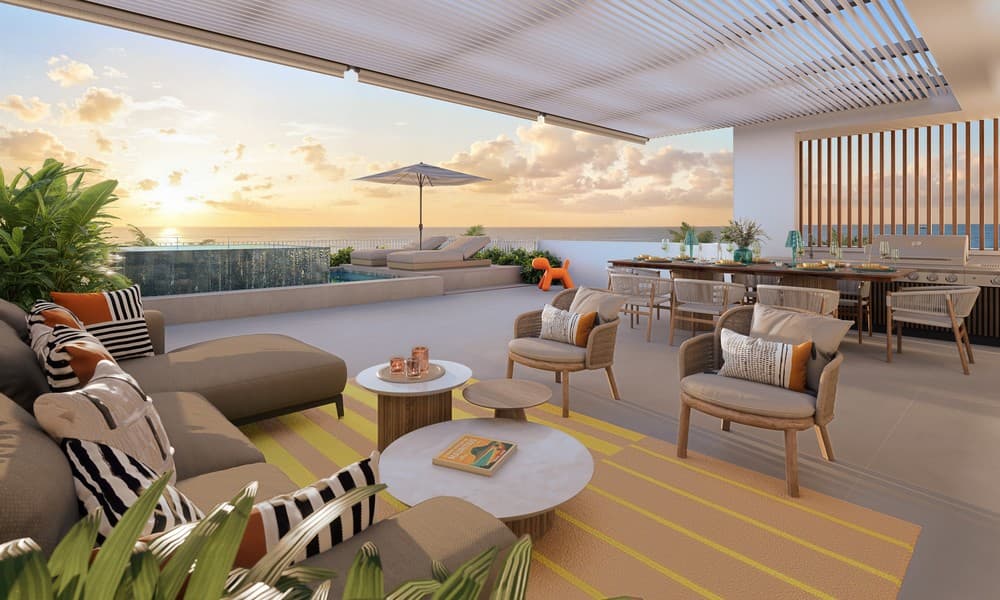
Tamarin · West

Baie du Cap · South
Beau Champ · East

Riviere Noire · West
Explore by region
Explore the site
Market updates, buying guidance and the best new listings, straight to your inbox.
About Mauritius · 28 Aug 2024
Mauritius is one of the safest islands in the Indian Ocean, but that doesn't stop savvy expats from seeking out martial arts and self-defense…
About Mauritius · 26 Aug 2024
Mauritius may be a small island, but its bookshops and online literary scene offer a surprisingly rich experience for expats and book lovers calling…
About Mauritius · 23 Aug 2024
From the UNESCO-listed heights of Le Morne Brabant to the vibrant streets of Grand Baie and the wild interior of Black River Gorges, Mauritius…
About Mauritius · 22 Aug 2024
The Mauritian Wildlife Foundation has spent four decades rescuing the island's rarest species and restoring its native ecosystems — and for those…
About Mauritius · 21 Aug 2024
The brilliantly coloured Mauritius day gecko is far more than a garden curiosity — as a native pollinator, seed disperser, and natural pest…
About Mauritius · 13 Aug 2024
Off the southwestern tip of Mauritius, an extraordinary optical illusion makes the Indian Ocean appear to cascade into an endless abyss — and a…
Browse our current listings or speak to an agent.