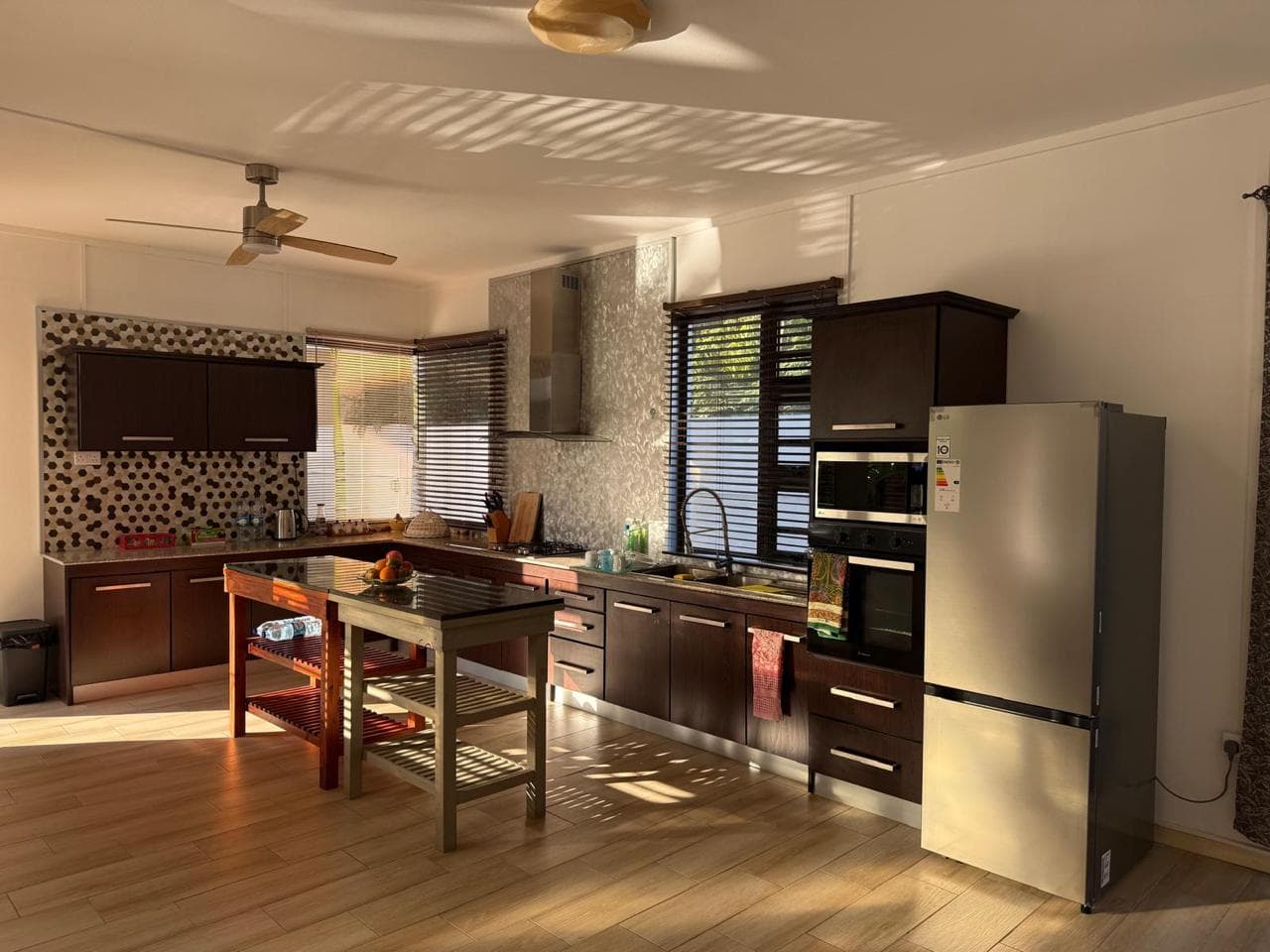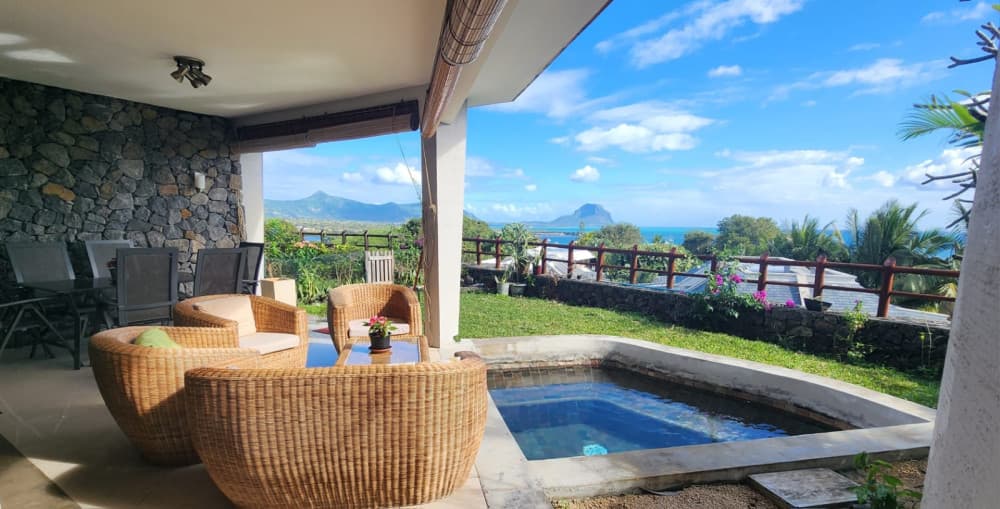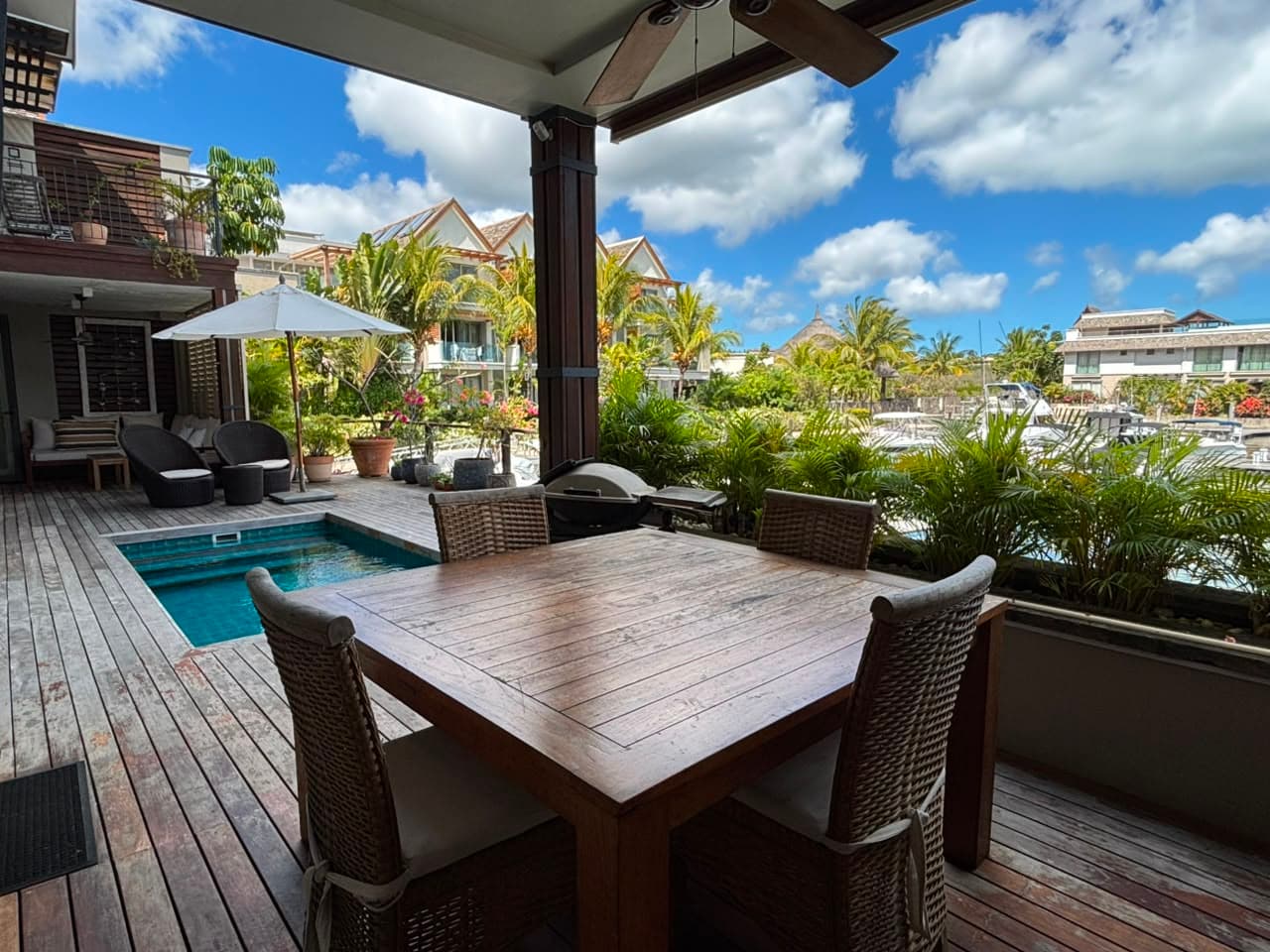
FOR RENTExpat
Rs450K/mo
Riviere Noire · West
Ultimate Marina Lifestyle – Luxury Waterfront Residence, Private Mooring & Boat
44


Thinking of buying in a Mauritius Smart City? Learn what the scheme offers, who qualifies, costs, and how to find the right property with confidence.
A Smart City in Mauritius is a large-scale, mixed-use development built under the Smart City Scheme, a government framework introduced in 2015 and administered by the Economic Development Board (EDB). Each Smart City is designed to integrate residential, commercial, retail, educational, and leisure facilities within a single planned precinct, the idea being that residents can live, work, and access services without long commutes.
For foreign buyers, the Smart City Scheme is one of the clearest legal pathways to owning freehold property in Mauritius and, importantly, to qualifying for a residence permit. Understanding how the scheme works, and what it actually costs, is the starting point for any serious property search.
The Smart City Scheme is governed by the Smart City Act 2015. Developers must obtain Smart City status from the EDB before they can market units to foreign nationals under the scheme's terms. Once a project holds that status, foreign buyers can purchase residential units and, provided the purchase price meets the minimum threshold, apply for a residence permit.
Foreign nationals who purchase a residential property within a certified Smart City for USD 375,000 or more (net of taxes) are entitled to apply for a Mauritian residence permit. This threshold applies to the individual purchaser, and a spouse and dependants can be included in the same application.
This figure is set by the EDB and is subject to change, so always verify the current threshold with a qualified Mauritian notary or property adviser before committing.
Smart Cities typically offer a range of residential product types:
Commercial units, office space, and retail units are also available within Smart Cities, though the residence permit pathway applies specifically to residential purchases.
Several Smart City projects have received EDB certification. The most established include:
Moka Smart City, Located in the central plateau, Moka is the most mature Smart City in Mauritius. It includes a business park, international schools, a hospital, and a growing residential community. It is popular with professionals relocating for work as well as retirees.
Cap Tamarin, Situated on the west coast, Cap Tamarin combines beachside proximity with a planned town centre. It appeals to buyers who want coastal access alongside the infrastructure of a planned community.
Beau Plan Smart City, Built on a former sugar estate in the north, Beau Plan includes a heritage village, a university campus, and commercial offices alongside residential units.
Uniciti, Located in the south of the island near Surinam, Uniciti focuses on education and innovation, with a university at its core.
Each project has its own character, price range, and stage of completion. Some are largely built out; others are still in development phases, which affects both pricing and the timeline to occupation.
The legal process for buying within a Smart City follows the same notarial framework as other foreign-eligible schemes in Mauritius. Here is what to expect.
Once you have identified a unit, the developer will issue a reservation agreement and request a deposit, typically 5–10% of the purchase price. This secures the unit while due diligence and financing are arranged.
For off-plan purchases, a VEFA agreement is signed before a notary. This sets out the full purchase price, payment schedule tied to construction milestones, specifications, and the expected delivery date. The notary acts as an independent officer of the law, not as an agent for either party.
The developer's Smart City status means EDB authorisation for the project is already in place. However, if you intend to apply for a residence permit, you will need to notify the EDB of your purchase once the Deed of Sale is registered.
On completion, the final Deed of Sale is signed before the notary and registered with the Registrar-General's Department. At this point, title passes to you and the residence permit application can proceed.
The application is submitted to the EDB with supporting documents including the registered Deed of Sale, proof of funds, and identification. Processing times vary but typically run between four and eight weeks.
Beyond the purchase price, buyers should plan for the following:
| Cost | Typical Range | |---|---| | Notary fees | 1–2% of purchase price | | Registration duty | Varies; often waived or reduced for first-time buyers under certain conditions | | Land Transfer Tax | 5% of purchase price (paid by seller, but affects negotiation) | | EDB residence permit application fee | USD 1,000 per application | | Legal / advisory fees | Variable; budget USD 2,000–5,000 | | Annual property tax (IRS/RES equivalent) | Nil for Smart City residential units in most cases |
Always request a full cost schedule from your notary before signing any agreement. Costs can vary depending on the structure of the transaction and whether the property is purchased through a company or personally.
A reliable property search platform for Mauritius should list verified Smart City developments with accurate pricing, developer details, and scheme status. When evaluating any property finder service, look for:
Property Finder Mauritius lists Smart City developments across the island with pricing in USD and EUR where applicable, scheme eligibility noted on each listing, and direct access to advisers familiar with the EDB process.
Smart Cities suit buyers who want a structured environment with amenities on their doorstep, a clear legal pathway to residency, and confidence that infrastructure will be maintained by a professional management entity rather than left to ad hoc arrangements.
They are not the right choice for every buyer. Those looking for a standalone villa in a quiet coastal village, or a historic Creole house in a traditional town, will find more relevant options outside the Smart City framework. The trade-off is that those properties do not carry the same automatic residence permit eligibility.
The decision comes down to what you need from your Mauritius property, lifestyle, investment return, residency, or some combination of all three.
Hand-picked
Riviere Noire · West

Baie du Cap · South
Tamarin · West

Baie du Cap · South
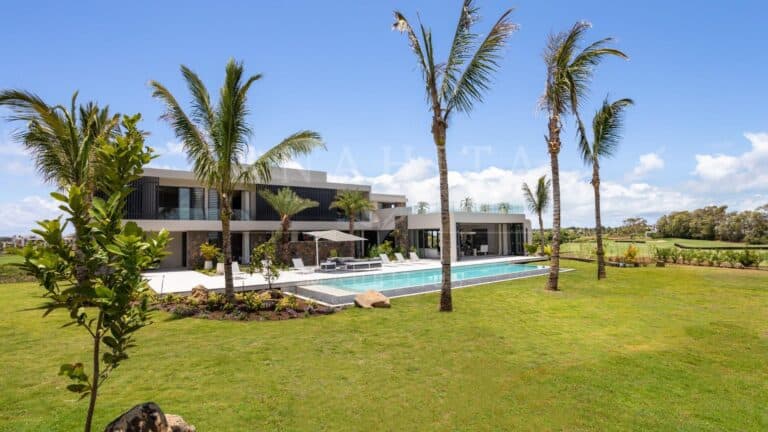
Beau Champ · East
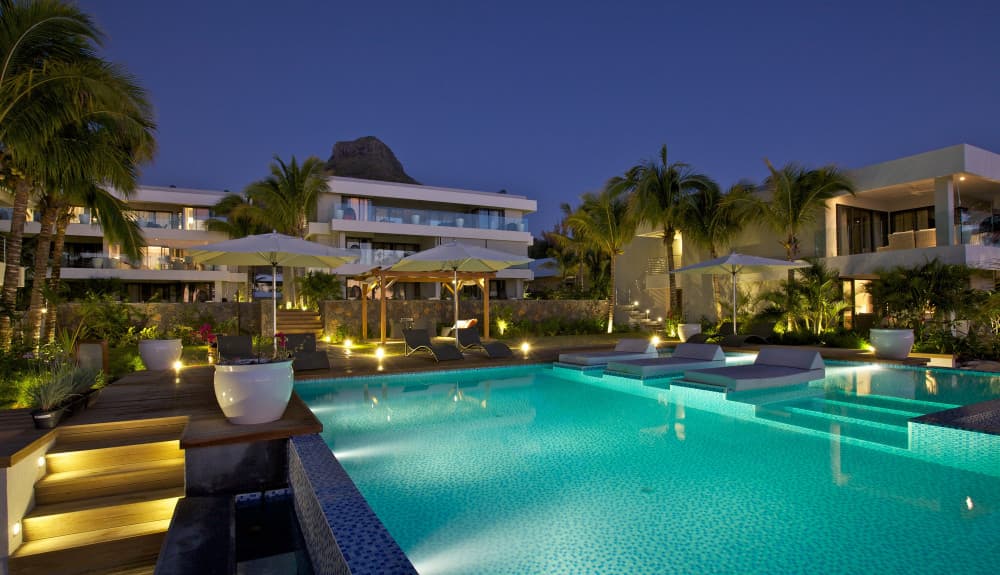
Riviere Noire · West
Explore by region
Explore the site
Market updates, buying guidance and the best new listings, straight to your inbox.
Mauritius Real Estate · 14 Oct 2026
Everything you need to know about house rental in Mauritius: costs, locations, lease rules, and how to find the right property. Updated guide for…
Mauritius Real Estate · 13 Oct 2026
Where to find a business park in Mauritius, what leasing or buying costs, and how foreign companies set up. Covers Ebène, Grand Baie, Pailles and…
Mauritius Real Estate · 12 Oct 2026
A practical guide to business insurance in Mauritius for property owners, landlords, and investors. Covers key cover types, costs, and what to check…
Mauritius Real Estate · 10 Oct 2026
Everything you need to know about getting a skipper license in Mauritius, from exam requirements to costs, plus how it connects to waterfront living.
Mauritius Real Estate · 9 Oct 2026
Find bungalows for rent in Mauritius: coastal, urban, and waterfront options explained, with inspection tips and neighbourhood comparisons.
Mauritius Real Estate · 9 Oct 2026
Explore the business park in Mauritius Riviere Noire, commercial real estate options, waterfront property, and financing routes for foreign buyers.
Browse our current listings or speak to an agent.