FOR RENTExpat
Rs450K/mo
Riviere Noire · West
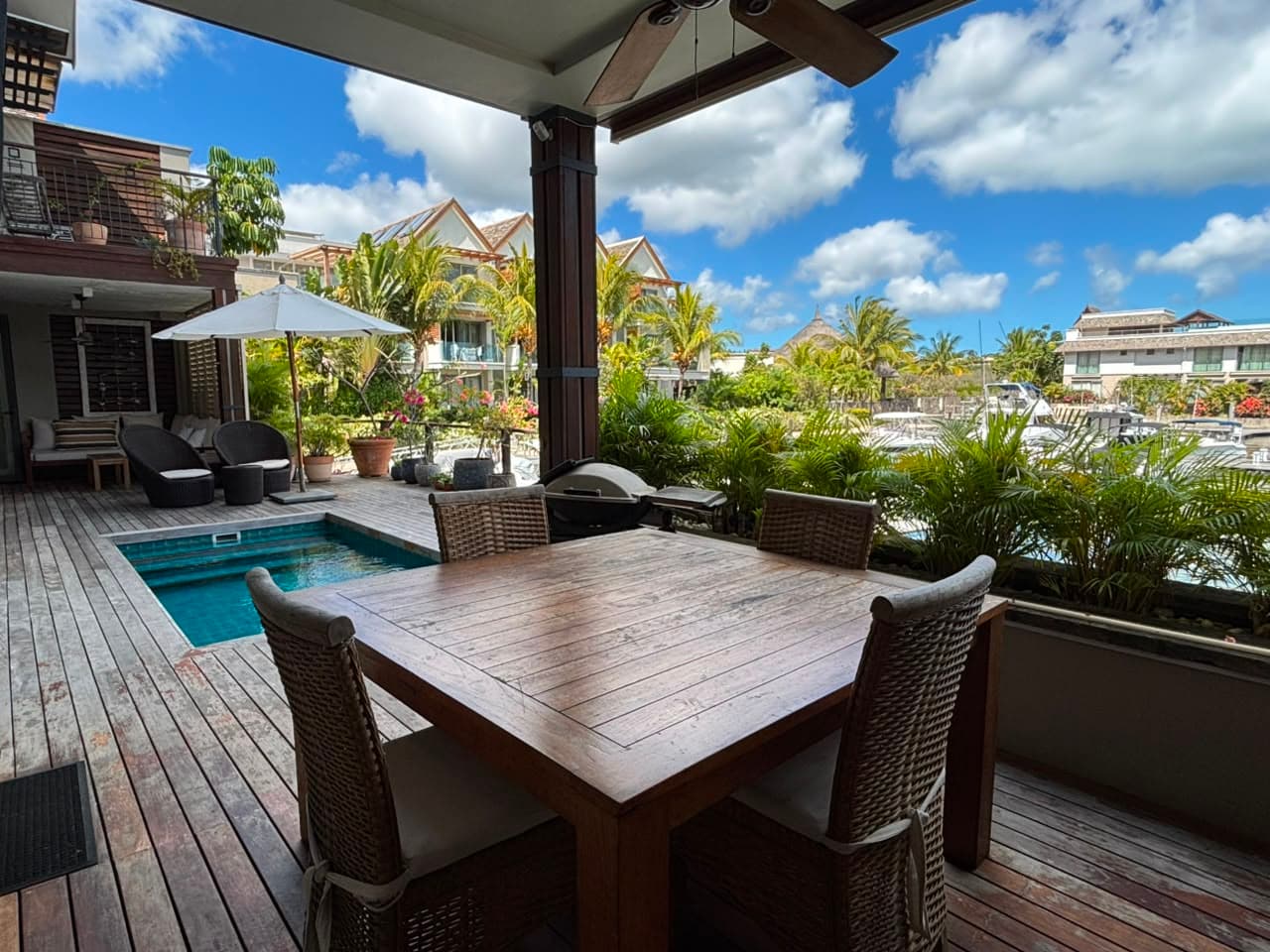
Ultimate Marina Lifestyle – Luxury Waterfront Residence, Private Mooring & Boat
44

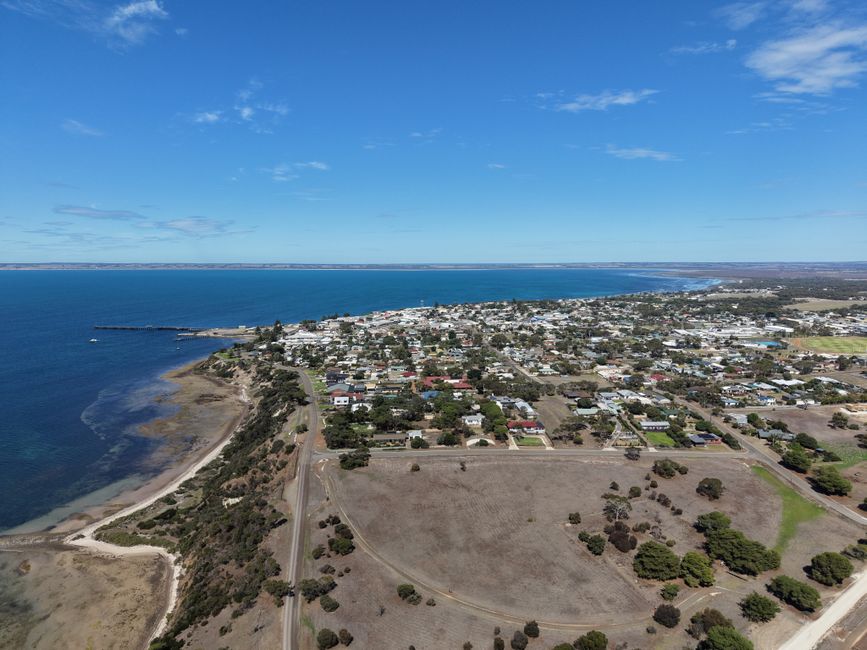
Explore the South Coast of Mauritius, property types, prices, buying process, and what foreign investors need to know before purchasing.
The South Coast of Mauritius is a distinct stretch of coastline running roughly from Mahébourg in the southeast to Baie du Cap in the southwest. It offers a markedly different character from the calmer, resort-heavy north, rougher Atlantic-facing seas, dramatic clifftop scenery, cooler trade winds, and a pace of life that appeals to buyers who want space, privacy, and authenticity over hotel-strip convenience. Property prices here are generally lower per square metre than Grand Baie or Tamarin, making the South Coast one of the more accessible entry points for foreign buyers and long-term residents alike.
Mauritius divides broadly into four coastal regions, north, east, west, and south, and each has a distinct microclimate, infrastructure profile, and buyer demographic. The South Coast sits in a wetter, windier band of the island. That means lush vegetation, green hills, and rivers that run year-round, but also more overcast days between May and September compared with the drier west coast.
The main towns along the South Coast include:
The South Coast offers a wider range of property types than many buyers expect:
Villas and standalone houses are the most common residential option. These range from modest three-bedroom local-style homes in Mahébourg priced from around MUR 6–9 million, to architect-designed villas in Bel Ombre or Blue Bay that can exceed USD 1.5 million.
Apartments and penthouses are available in smaller numbers than on the north coast, but Blue Bay and the area around Mahébourg have seen new developments come to market over the past five years, some within EDB-approved schemes that allow foreign ownership.
Land plots are available in some areas, though foreign nationals cannot purchase bare land in Mauritius outside of an approved development scheme. Any land purchase must be structured carefully within the correct legal framework.
IRS, RES, PDS, and Smart City units, the four main foreign-ownership frameworks, are present on the South Coast, particularly in Bel Ombre and the broader Grand Port district. These schemes allow non-citizens to buy property and, in most cases, qualify for a residence permit when the purchase price meets the threshold set by the Economic Development Board.
Prices vary considerably depending on location, scheme type, and finish quality. As a broad reference:
Foreign buyers purchasing within an EDB-approved scheme must meet a minimum investment threshold, currently set at USD 375,000, to be eligible for a residence permit. Properties below this threshold can still be purchased by foreigners within the correct scheme, but the permit entitlement does not apply.
Transaction costs to budget for include notary fees (approximately 1–2% of the purchase price), registration duty (5% for most residential transactions), and land transfer tax where applicable. Your notary will confirm the exact breakdown based on the specific property and scheme.
The legal process for buying property in Mauritius is the same regardless of which coast you are buying on. It follows a clear sequence:
For off-plan properties, the sequence includes staged payment milestones tied to construction progress, with the Deed of Sale executed on completion.
Several practical factors are worth investigating before committing to a purchase on the South Coast:
Road access and driving times. The south is roughly 45–60 minutes from Port Louis by motorway, and the M2 motorway extension has improved connectivity significantly. However, some village roads remain narrow and slow.
Cyclone exposure. The south and southeast face greater cyclone impact than the sheltered west coast. Check that any property has been built to current cyclone-resistant standards, and factor cyclone insurance into your annual costs.
Rental yield potential. The south is less developed as a short-term rental market than Grand Baie or Flic en Flac. Yields are possible, particularly in Blue Bay, but the pool of short-stay tourists is smaller. Long-term rental demand from expats and locals is steadier.
Infrastructure and amenities. Mahébourg has a hospital, supermarkets, banks, and schools. More remote parts of the south coast require driving for most daily needs. If you plan to live here full-time, proximity to services matters.
Searching for South Coast properties requires access to listings that cover the full market, not just the high-profile resort developments. A reliable property search platform will let you filter by region, property type, price range, and scheme eligibility, giving you a realistic picture of what is available and at what price.
When using any property search tool, look for platforms that display accurate pricing, clearly indicate whether a property is within an EDB-approved scheme, and provide enough detail to support informed comparison. Independent guidance from a qualified notary or property adviser remains essential before signing any agreement.
The South Coast suits buyers who prioritise space, natural scenery, and lower price points over proximity to beach clubs and tourist infrastructure. It is a practical choice for:
It is less suited to buyers who want a ready-made short-term rental business, immediate access to international schools, or the social infrastructure of Grand Baie.
The South Coast is not the obvious first choice for every foreign buyer, but for those who take the time to understand it, it offers some of the most compelling value on the island.
Hand-picked
Riviere Noire · West

Tamarin · West


Baie du Cap · South

Tamarin · West

Baie du Cap · South

Beau Champ · East
Explore by region
Explore the site
Market updates, buying guidance and the best new listings, straight to your inbox.
Mauritius Real Estate · 16 Oct 2026
Everything you need to know about house rental in Mauritius: costs, locations, lease rules, and how to find the right property. Updated guide for…
Mauritius Real Estate · 16 Oct 2026
Explore the west coast of Mauritius: top neighbourhoods, property market, beaches, lifestyle, and what foreign buyers need to know before purchasing.
Mauritius Real Estate · 15 Oct 2026
Seen our properties on PropertyCloud? How the listings match, what you get searching with us directly, and the essentials of buying in Mauritius.
Mauritius Real Estate · 13 Oct 2026
Where to find a business park in Mauritius, what leasing or buying costs, and how foreign companies set up. Covers Ebène, Grand Baie, Pailles and…
Mauritius Real Estate · 12 Oct 2026
A practical guide to business insurance in Mauritius for property owners, landlords, and investors. Covers key cover types, costs, and what to check…
Mauritius Real Estate · 10 Oct 2026
Everything you need to know about getting a skipper license in Mauritius, from exam requirements to costs, plus how it connects to waterfront living.
Browse our current listings or speak to an agent.


