FOR RENTExpat
Rs450K/mo
Riviere Noire · West
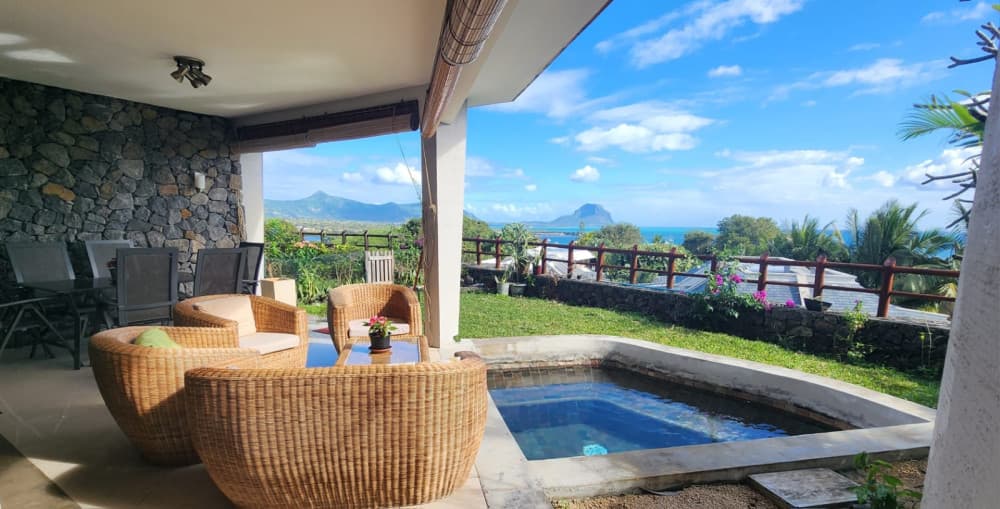
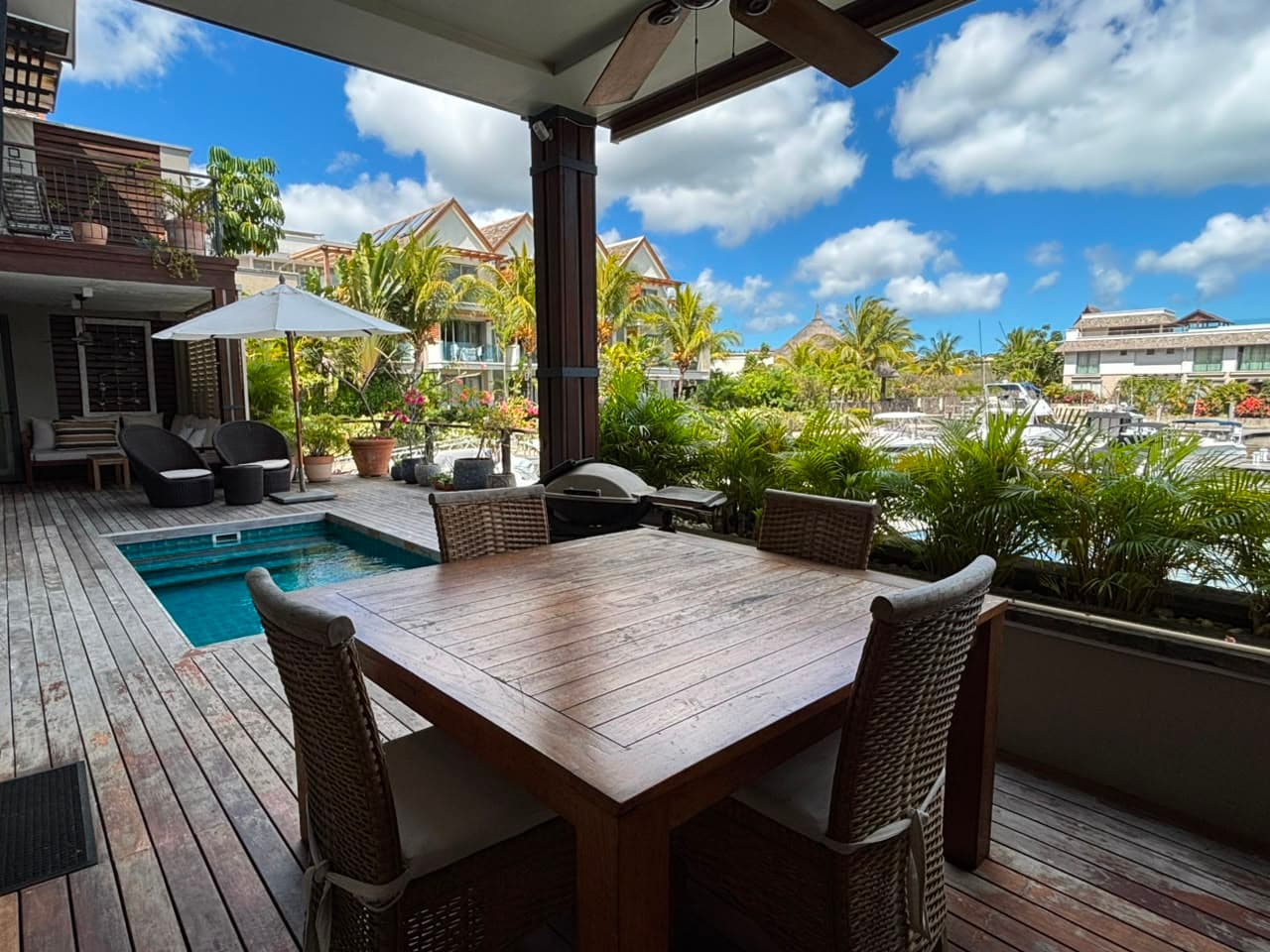
Ultimate Marina Lifestyle – Luxury Waterfront Residence, Private Mooring & Boat
44


If you own or are considering buying property within a managed development in Mauritius, understanding the syndic — the body responsible for administering common areas and shared services — is essential to protecting your investment. This guide breaks down exactly how the syndic system …
If you've recently purchased — or are considering purchasing — an apartment, villa within a managed residence, or property within a Smart City scheme in Mauritius, you've almost certainly come across the word syndic. For many British and European buyers, it's an unfamiliar term that can feel like a bureaucratic hurdle. In reality, understanding the syndic is one of the most important steps to protecting your investment and enjoying a seamless ownership experience on the island.
A syndic is a professional property management body — broadly equivalent to a managing agent or residents' management company in the UK — responsible for administering the common areas and shared services of a co-owned property development, known in Mauritian law as a copropriété (co-ownership).
When you purchase a unit within a co-owned development, you automatically become a co-owner of the shared spaces: gardens, swimming pools, lifts, car parks, lobbies, security infrastructure, and any other communal facilities. The syndic is the legal entity appointed to manage these spaces on behalf of all co-owners, ensuring everything runs smoothly and the asset retains its value over time.
In Mauritius, the syndic operates under the Mauritius Civil Code, which governs co-ownership arrangements. Upon purchase, every co-owner receives a set of règlements de copropriété — the co-ownership regulations — which outline the rules, responsibilities, financial obligations, and governance structure of the development.
The syndic must be formally appointed at a general assembly (assemblée générale), where co-owners vote on key decisions including budgets, maintenance contracts, capital expenditure, and any amendments to the regulations. This is your opportunity as an owner to have a direct say in how your building or estate is managed.
The day-to-day responsibilities of a syndic are broad and, frankly, essential. Here's what a well-run syndic handles:
One of the first questions buyers ask is: how much will this cost me? Syndic fees vary considerably depending on the size and quality of the development. A modest apartment block will carry lower charges than a fully serviced beachfront residence with a gym, tennis courts, and 24-hour security.
Fees are typically calculated on a tantième basis — your proportional share of the common areas relative to the size of your unit. Expect fees to be itemised clearly, covering day-to-day running costs as well as contributions to a sinking fund for future capital works. In Mauritius's premium property market — particularly within Integrated Resort Schemes (IRS), Property Development Schemes (PDS), and Smart City developments — these fees are generally well-structured and professionally managed.
Mauritius has firmly established itself as one of the Indian Ocean's most sought-after destinations for property investment and relocation. Whether you're buying a lock-up-and-leave apartment in Grand Baie or a spacious villa in Tamarin, the quality of the syndic will directly affect your rental yields, resale value, and day-to-day quality of life.
A well-managed development with transparent finances, proactive maintenance, and responsive management will always command stronger rental demand and higher capital appreciation than one plagued by neglected common areas or spiralling unplanned repair costs. Before committing to any purchase, always request the development's last three years of syndic accounts, the current budget, and the reserve fund balance. These documents will tell you more about a building's health than almost anything else.
The syndic system, once understood, is actually a reassuring framework — it exists to protect your asset and maintain the standard of your community. For busy expat owners or overseas investors who aren't on the island full-time, a professional syndic is not a burden, but a genuine safeguard.
At PropertyFinder Mauritius, our team works with buyers at every stage of the purchasing journey, including helping you understand the management structures of the developments we list. Browse our curated portfolio of luxury properties across the island and speak with one of our advisors today — we'll make sure you go into your investment with complete clarity and confidence.
Hand-picked
Riviere Noire · West

Baie du Cap · South

Tamarin · West

Baie du Cap · South
Beau Champ · East

Riviere Noire · West
Explore by region
Explore the site
Market updates, buying guidance and the best new listings, straight to your inbox.
Property Maintenance · 1 Jun 2023
Owning property in Mauritius offers outstanding lifestyle value and tax advantages, but smart buyers know the purchase price is just the beginning.…
Mauritius Real Estate · 14 Oct 2026
Everything you need to know about house rental in Mauritius: costs, locations, lease rules, and how to find the right property. Updated guide for…
Mauritius Real Estate · 13 Oct 2026
Where to find a business park in Mauritius, what leasing or buying costs, and how foreign companies set up. Covers Ebène, Grand Baie, Pailles and…
Mauritius Real Estate · 12 Oct 2026
A practical guide to business insurance in Mauritius for property owners, landlords, and investors. Covers key cover types, costs, and what to check…
Mauritius Real Estate · 10 Oct 2026
Everything you need to know about getting a skipper license in Mauritius, from exam requirements to costs, plus how it connects to waterfront living.
Mauritius Real Estate · 9 Oct 2026
Find bungalows for rent in Mauritius: coastal, urban, and waterfront options explained, with inspection tips and neighbourhood comparisons.
Browse our current listings or speak to an agent.