FOR RENTExpat
Rs450K/mo
Riviere Noire · West
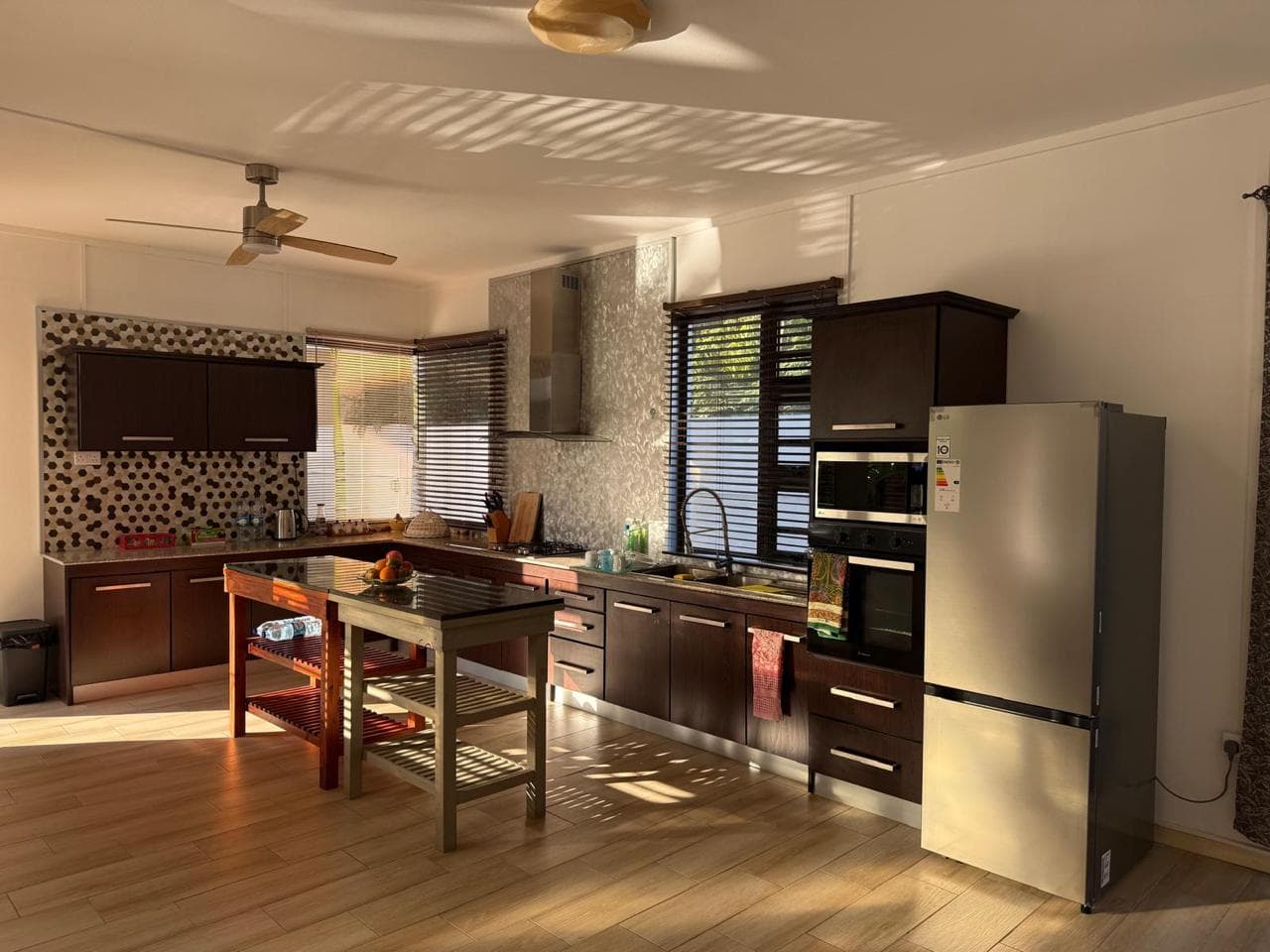
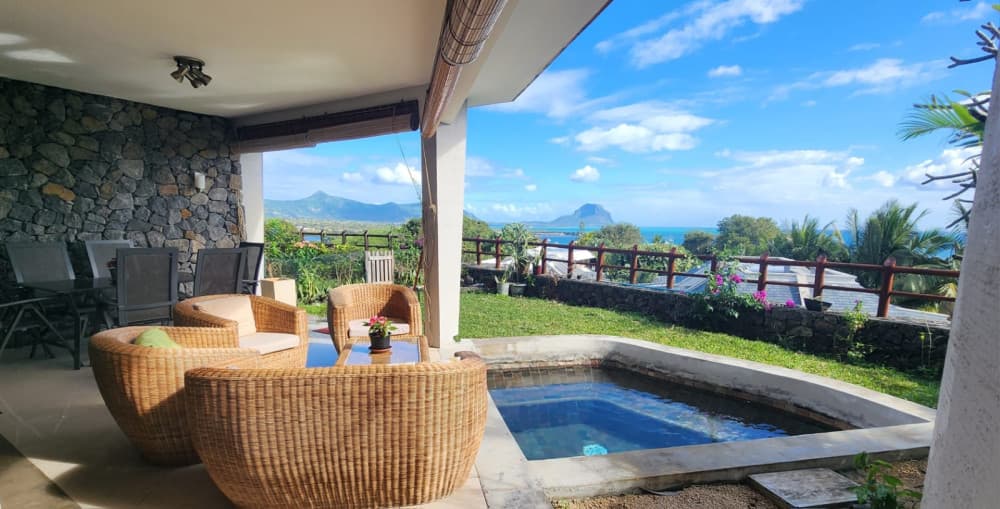
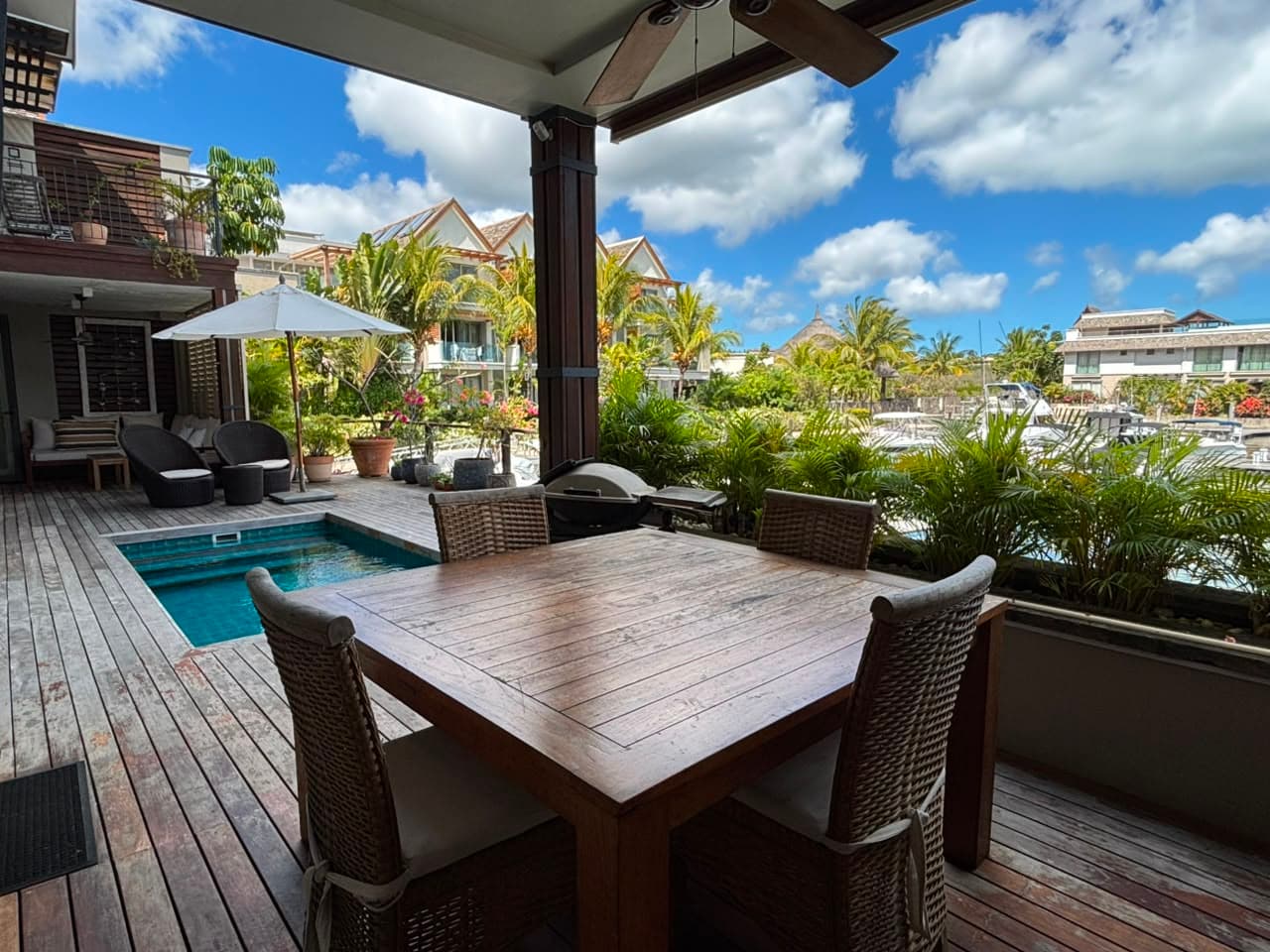
Ultimate Marina Lifestyle – Luxury Waterfront Residence, Private Mooring & Boat
44


Mauritius is attracting a growing number of South African expats drawn by its safety, stability, and Indian Ocean lifestyle — but understanding the true cost of living is essential before making the move. From housing and groceries to healthcare and international schooling, this guide b…
For South Africans eyeing a fresh start across the Indian Ocean, Mauritius has become far more than a holiday destination — it's a serious relocation proposition. With a stable political environment, English and French widely spoken, and a cost of living that rewards smart planning, the island offers a quality of life that is genuinely difficult to match. But what does day-to-day life actually cost? Here's a grounded, specific breakdown of what South Africans can realistically expect.
The Mauritian Rupee (MUR) currently trades at roughly 2.8 to 3.0 MUR per South African Rand, depending on market fluctuations. While this may suggest strong purchasing power at first glance, Mauritius imports a significant portion of its goods, which means certain products — particularly electronics, imported foods, and branded clothing — can feel expensive relative to South Africa. Where Mauritius pulls ahead is in safety, infrastructure quality, and lifestyle consistency, factors that many South Africans find justify a higher monthly outlay.
Housing is typically the largest expense for expats. Rental prices vary considerably by location and property type. In popular expat areas like Tamarin, Grand Baie, and Balaclava, a well-appointed two-bedroom apartment typically rents for between MUR 35,000 and MUR 65,000 per month (approximately R12,000–R22,000). Luxury villas in gated estates with ocean views can command MUR 120,000 or more.
For those considering property ownership, non-citizens can legally purchase property in Mauritius through approved schemes such as the Property Development Scheme (PDS) and the Smart City Scheme. Entry-level pricing starts at USD 375,000, and qualifying purchases grant the buyer and their dependents a Mauritian Residence Permit — a compelling incentive for South Africans seeking long-term security on the island.
Day-to-day grocery costs are manageable, provided you adapt your shopping habits. Locally produced goods — fresh fish, tropical fruits, vegetables, and Mauritian staples like dhal and roti — are genuinely affordable. A local market haul for a couple can cost as little as MUR 1,500–2,500 per week. Where costs climb is with imported items: South African wines, branded cereals, and specialty products can be two to three times more expensive than back home.
Dining out offers tremendous value at the local level. A meal at a Mauritian 'table d'hôte' or roadside canteen costs MUR 200–400 per person. Mid-range restaurants in Grand Baie or Tamarin will set you back MUR 800–1,500 per head, while fine dining at beachfront establishments can easily reach MUR 3,000 or more per person, comparable to top-end restaurants in Cape Town or Johannesburg.
Utilities for a mid-sized home typically run MUR 3,000–6,000 per month, covering electricity, water, and internet. Fibre internet is increasingly widespread in residential areas and costs around MUR 1,500–2,500 monthly for reliable speeds.
Mauritius does not have an extensive public transport network suited to expat lifestyles, so owning or leasing a vehicle is almost essential. Vehicle import duties are steep, making leasing or buying locally preferable. Budget MUR 15,000–25,000 per month for a reliable leased vehicle.
Healthcare is a significant draw for South African expats. Private medical care in Mauritius is of a high standard, with facilities like Wellkin Hospital and C-Care offering world-class services. A comprehensive private health insurance plan costs roughly MUR 5,000–12,000 per month depending on coverage and age, which is broadly comparable to South African medical aid rates — but without load-shedding interrupting your appointment.
Families relocating with children will find a strong selection of international schools, including those offering the British curriculum and the International Baccalaureate. Annual school fees range from MUR 150,000 to over MUR 400,000 per child, which is a significant consideration when budgeting for the move.
As a realistic benchmark, a couple living comfortably in Mauritius — renting a quality two-bedroom apartment, eating out a few times per week, and running one vehicle — should budget between MUR 80,000 and MUR 130,000 per month (approximately R27,000–R44,000). This is not a cheap destination by African standards, but for South Africans earning in dollars, euros, or pounds, or drawing from a well-structured investment portfolio, the value proposition is compelling.
Beyond the numbers, Mauritius offers something harder to quantify: peace of mind. Crime rates are among the lowest in Africa, the infrastructure is reliable, and the natural environment — turquoise lagoons, lush mountains, year-round warmth — forms the backdrop of everyday life. For many South Africans, that is worth every rupee.
If you're considering making Mauritius your home, PropertyFinder Mauritius can help you navigate the property landscape with confidence. From rental searches to qualifying investment purchases that unlock residency, our team connects discerning buyers and renters with the island's finest properties. Explore listings on PropertyFinder Mauritius and take the first step toward your Indian Ocean lifestyle today.
Hand-picked
Riviere Noire · West

Baie du Cap · South

Tamarin · West

Baie du Cap · South
Beau Champ · East
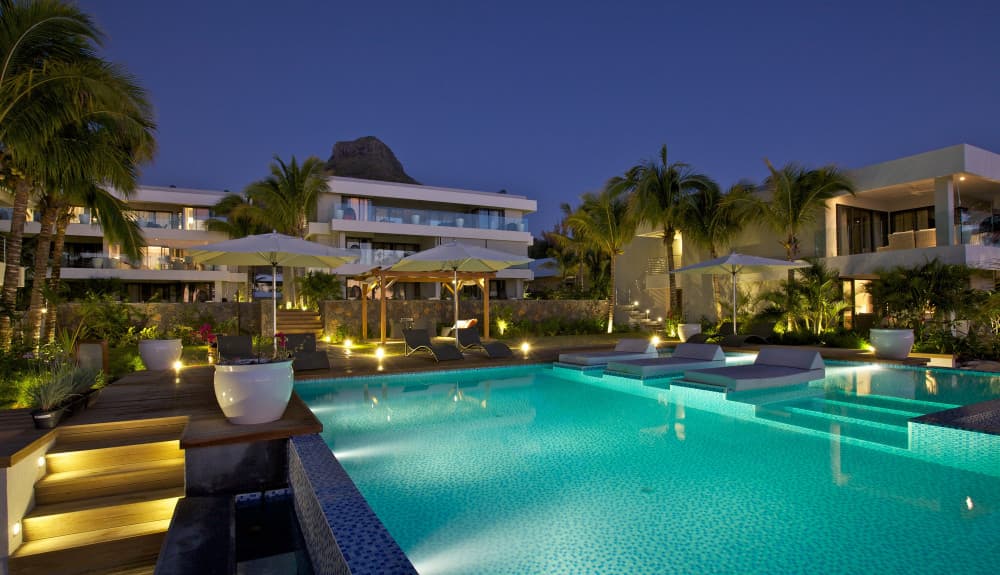
Riviere Noire · West
Explore by region
Explore the site
Market updates, buying guidance and the best new listings, straight to your inbox.
Expats Support Services · 9 Oct 2025
Expats Support Services · 8 Oct 2025
With UK living costs continuing to rise in 2025, Mauritius offers British expats and investors a compelling financial alternative, from dramatically…
Expats Support Services · 8 Oct 2025
With record numbers of Brits leaving the UK in 2025 amid rising taxes and declining quality of life, Mauritius has emerged as the destination of…
Expats Support Services · 18 Jul 2024
Opening a bank account in Mauritius is an essential step for any expat relocating to the island or investing in property, but the process comes with…
Expats Support Services · 18 Jul 2024
Relocating to Mauritius with a pet is entirely possible, but it demands careful planning, strict documentation, and months of preparation. This…
Expats Support Services · 8 Feb 2023
South Africa is one of the closest and most convenient gateways to Mauritius, and with the right planning, a scouting trip for property investment…
Browse our current listings or speak to an agent.