FOR RENTExpat
Rs450K/mo
Riviere Noire · West
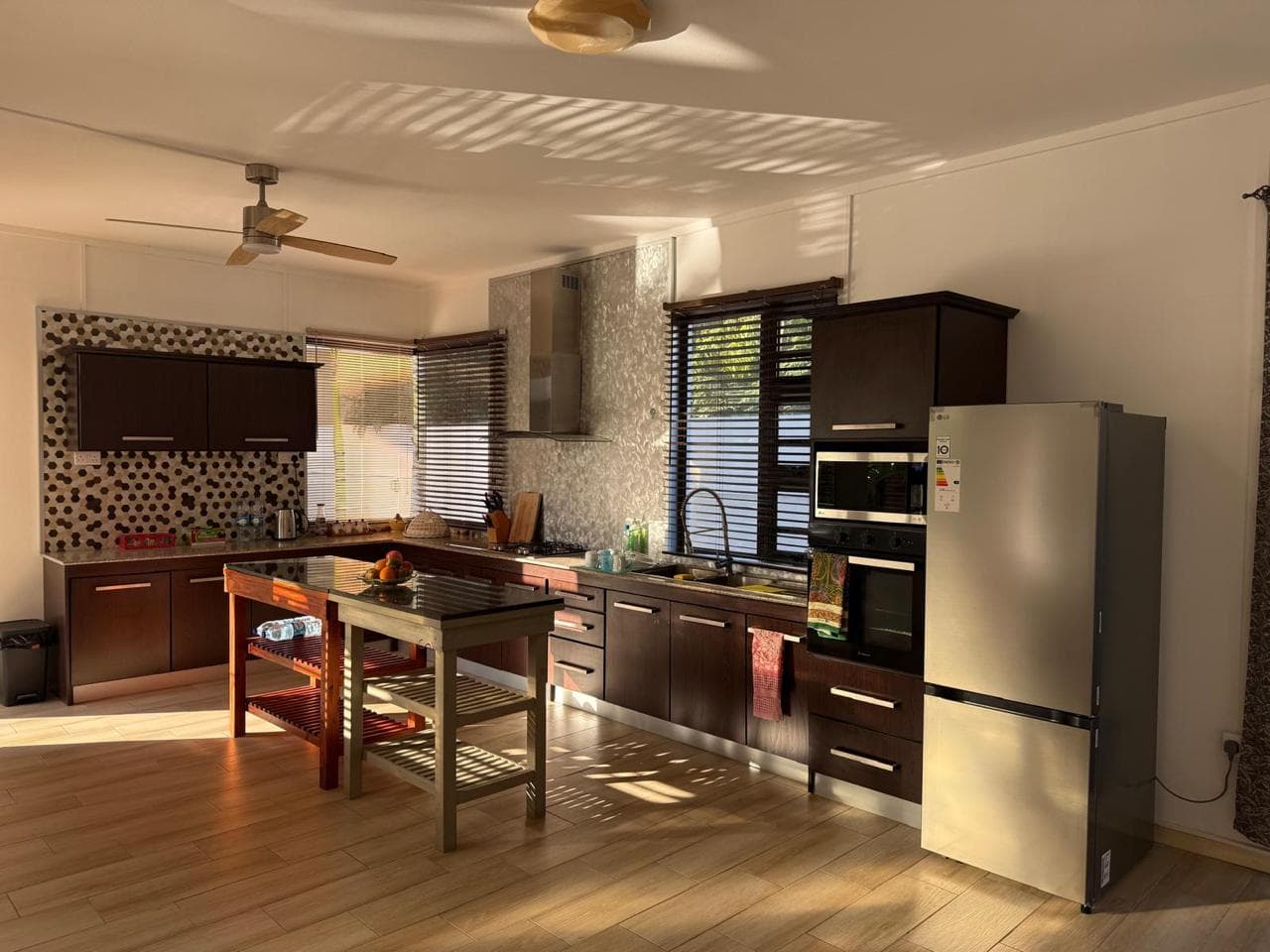
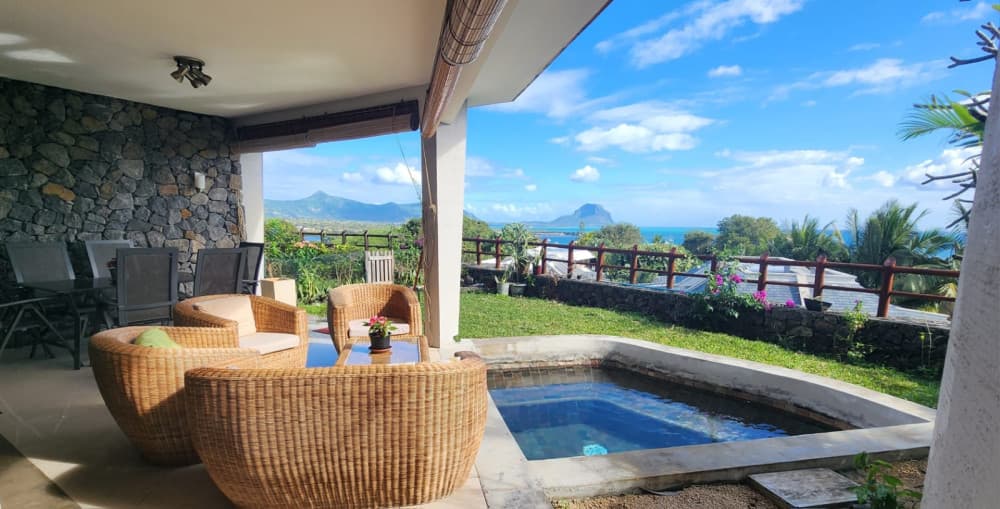
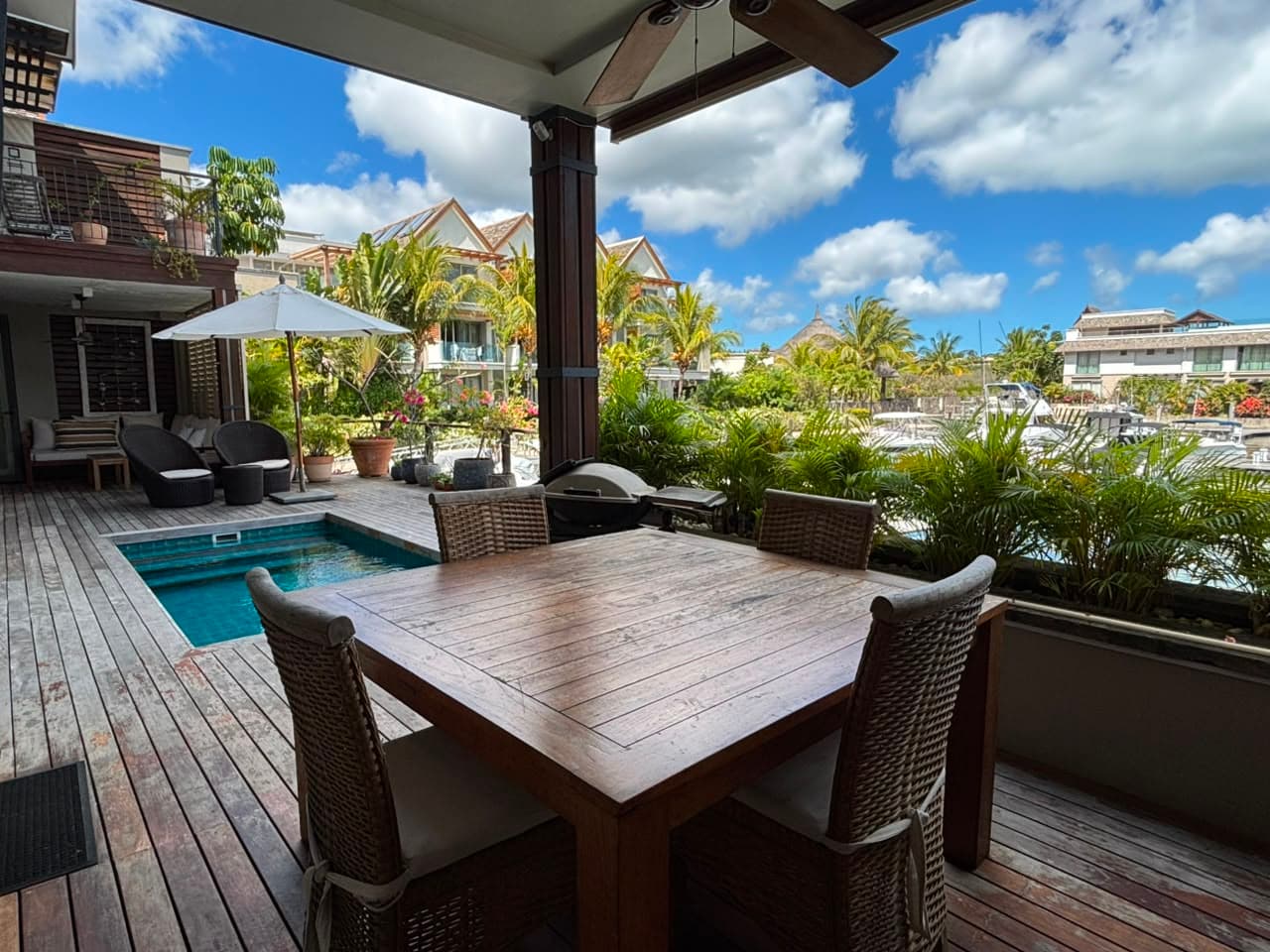
Ultimate Marina Lifestyle – Luxury Waterfront Residence, Private Mooring & Boat
44


Mauritius is one of the world's most sought-after destinations for expats and property investors, but its position in the Indian Ocean cyclone belt means that seasonal storms are a reality of island life. From the devastating flooding caused by Cyclone Belal in 2024 to the broader lesso…
Mauritius is rightly celebrated for its turquoise lagoons, year-round sunshine, and an enviable quality of life that draws expats and investors from across Europe and beyond. Yet this Indian Ocean paradise is not without its natural challenges. Cyclone season — running broadly from November to May — is a fact of life on the island, and understanding its impact is essential for anyone considering making Mauritius their home or investment destination.
Mauritius sits within the South-West Indian Ocean cyclone belt, making it susceptible to tropical storms that form over warm ocean waters. The island has a well-established Meteorological Services warning system, issuing alerts from Class 1 through Class 4 as a cyclone approaches. Most residents — locals and expats alike — are well-versed in the protocols: securing shutters, stocking provisions, and staying indoors during peak conditions. This preparedness culture significantly reduces the human cost of most storms.
That said, cyclones vary enormously in intensity, and even a mid-range storm can cause significant disruption to daily life, infrastructure, and property.
Cyclone Belal (January 2024) stands as one of the most disruptive storms to hit Mauritius in recent memory. Making a near-direct pass over the island, Belal brought sustained winds of over 165 km/h and torrential rainfall that triggered severe flooding across low-lying areas including the capital, Port Louis. Roads were submerged, rivers burst their banks, and tragically, several lives were lost — a sobering reminder of nature's power. The storm caused widespread damage to infrastructure, disrupted the tourism sector during peak season, and prompted urgent reviews of urban drainage systems.
Prior to Belal, Cyclone Freddy (2023) — one of the longest-lived tropical cyclones ever recorded — skirted close to Mauritius before devastating neighbouring Madagascar and Mozambique. While Mauritius was largely spared the worst, the storm underscored the island's vulnerability and kept residents and businesses on high alert for weeks.
Further back, Cyclone Berguitta (2018) and Cyclone Fakir (2018) both impacted the island within months of each other, a reminder that some seasons deliver multiple significant events.
For those living on or investing in the island, the practical consequences of a major cyclone are worth understanding clearly. Flash flooding is arguably the most damaging phenomenon associated with these storms — particularly in low-elevation coastal areas and riverine zones. Properties situated in flood-prone districts have faced structural damage, disrupted access, and in some cases, reduced market valuations in the aftermath of significant events.
Conversely, well-constructed, elevated properties — particularly those built to modern Mauritian building codes, which mandate cyclone-resistant design standards — fare considerably better. Many luxury developments and Integrated Resort Scheme (IRS) and Smart City properties are engineered with resilience in mind, incorporating reinforced concrete construction, impact-resistant glazing, and drainage systems designed for tropical rainfall levels.
For British and European buyers accustomed to mild weather, it is worth noting that cyclone-related disruption is typically short-lived. The island's infrastructure recovers quickly, and the vast majority of seasons pass without a Class 3 or above event making direct landfall.
The Mauritian government and private sector have invested meaningfully in disaster resilience. The National Disaster Risk Reduction and Management Centre coordinates emergency response, while the meteorological services provide reliable, timely warnings. Building regulations have been progressively strengthened, and there is growing focus on improving urban drainage capacity — a key lesson from Cyclone Belal's flooding in Port Louis.
For property investors, this institutional resilience matters. It signals a government committed to protecting long-term liveability and economic stability — both critical foundations for a healthy real estate market.
If you are considering purchasing property in Mauritius, cyclone risk is simply one factor to weigh carefully — much as a buyer in southern France considers wildfire risk, or a London investor considers flood zones. The key is informed due diligence: understanding a property's elevation, construction standard, proximity to waterways, and historical exposure to flooding.
The western and northern coastal strips, including areas around Tamarin, Grand Baie, and Mont Choisy, are popular with expats and generally benefit from more sheltered microclimates. Gated estate developments frequently offer additional structural reassurance through high-specification build standards.
Cyclones are part of the Mauritian story — but so is the island's extraordinary resilience, beauty, and enduring appeal as one of the world's most desirable places to live and invest.
Thinking about buying property in Mauritius? At PropertyFinder Mauritius, our team of expert advisors can help you identify the right location, construction standard, and lifestyle fit for your needs — with full transparency on every aspect of island living, including the ones that matter most. Explore our listings today and take the first step towards your Mauritian dream.
Hand-picked
Riviere Noire · West

Baie du Cap · South
Tamarin · West

Baie du Cap · South
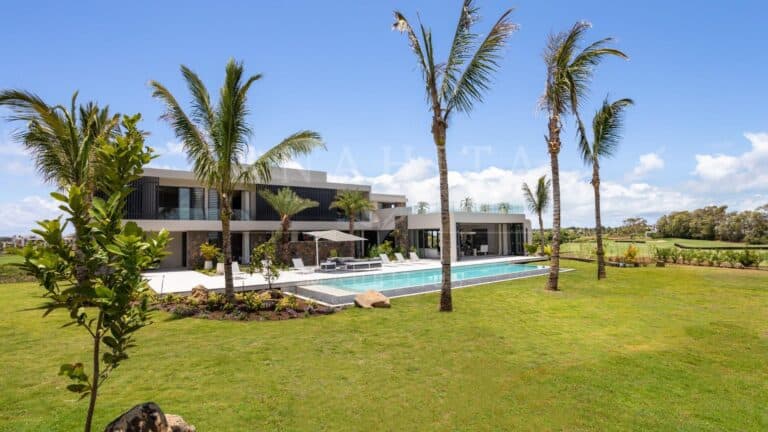
Beau Champ · East
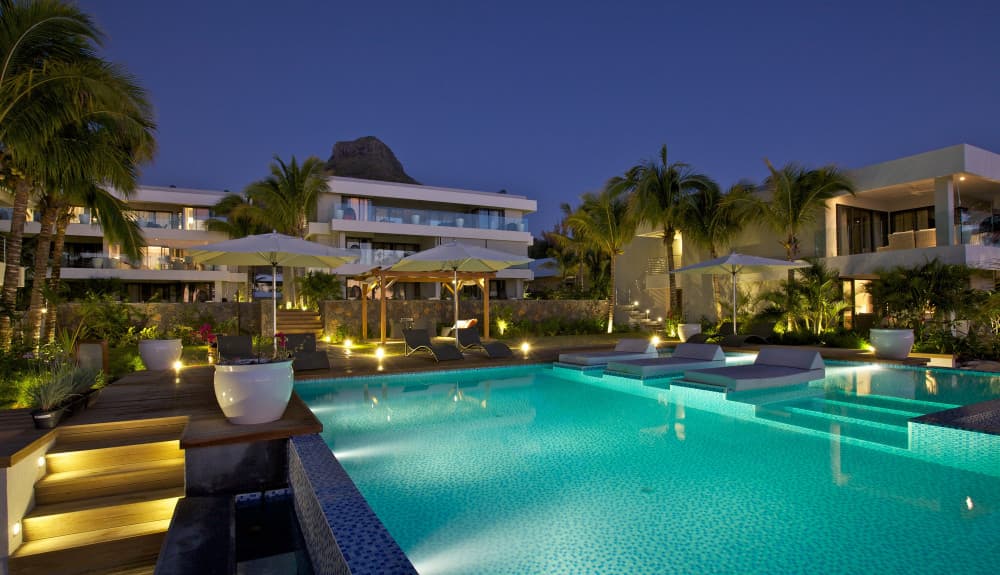
Riviere Noire · West
Explore by region
Explore the site
Market updates, buying guidance and the best new listings, straight to your inbox.
About Mauritius · 28 Aug 2024
Mauritius is one of the safest islands in the Indian Ocean, but that doesn't stop savvy expats from seeking out martial arts and self-defense…
About Mauritius · 26 Aug 2024
Mauritius may be a small island, but its bookshops and online literary scene offer a surprisingly rich experience for expats and book lovers calling…
About Mauritius · 23 Aug 2024
From the UNESCO-listed heights of Le Morne Brabant to the vibrant streets of Grand Baie and the wild interior of Black River Gorges, Mauritius…
About Mauritius · 22 Aug 2024
The Mauritian Wildlife Foundation has spent four decades rescuing the island's rarest species and restoring its native ecosystems — and for those…
About Mauritius · 21 Aug 2024
The brilliantly coloured Mauritius day gecko is far more than a garden curiosity — as a native pollinator, seed disperser, and natural pest…
About Mauritius · 13 Aug 2024
Off the southwestern tip of Mauritius, an extraordinary optical illusion makes the Indian Ocean appear to cascade into an endless abyss — and a…
Browse our current listings or speak to an agent.