FOR RENTExpat
Rs450K/mo
Riviere Noire · West
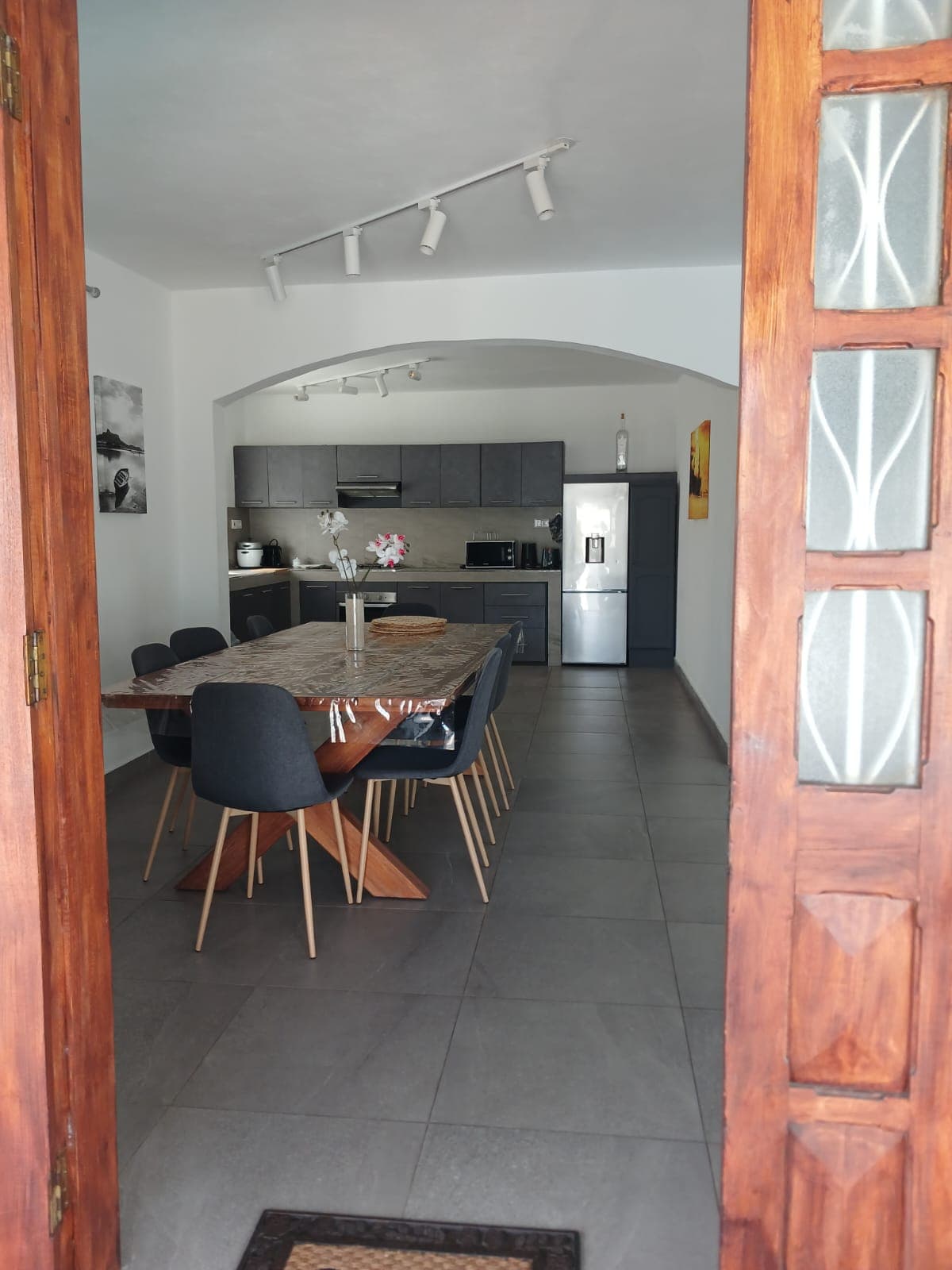
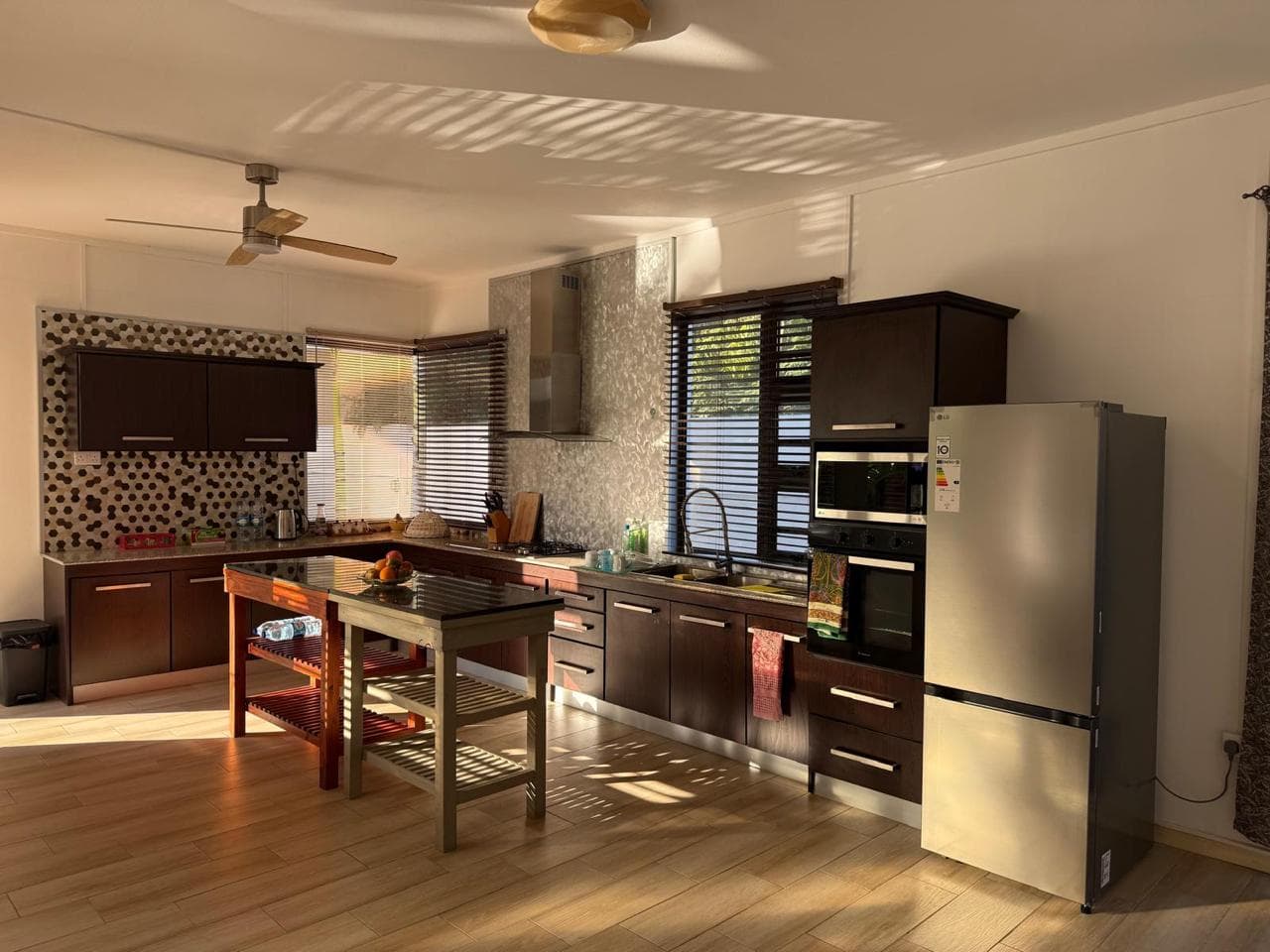
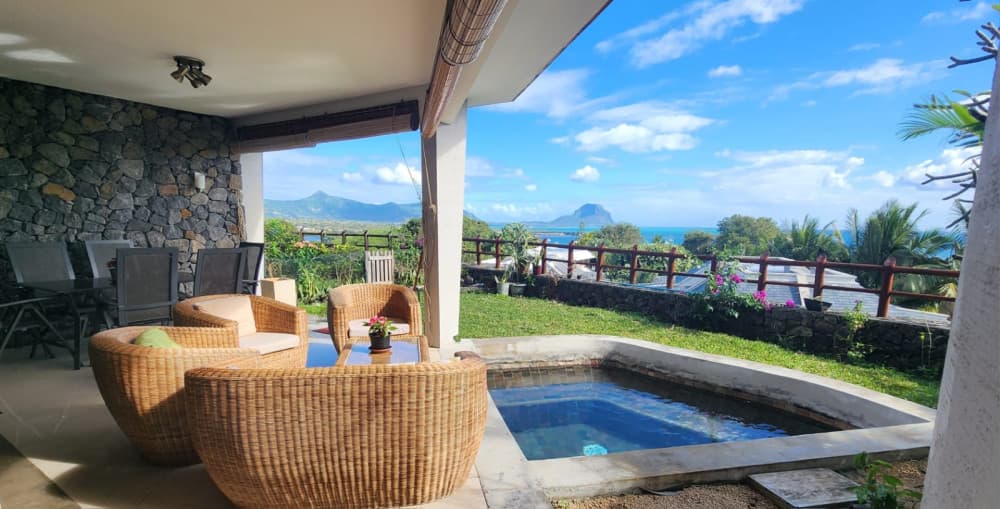
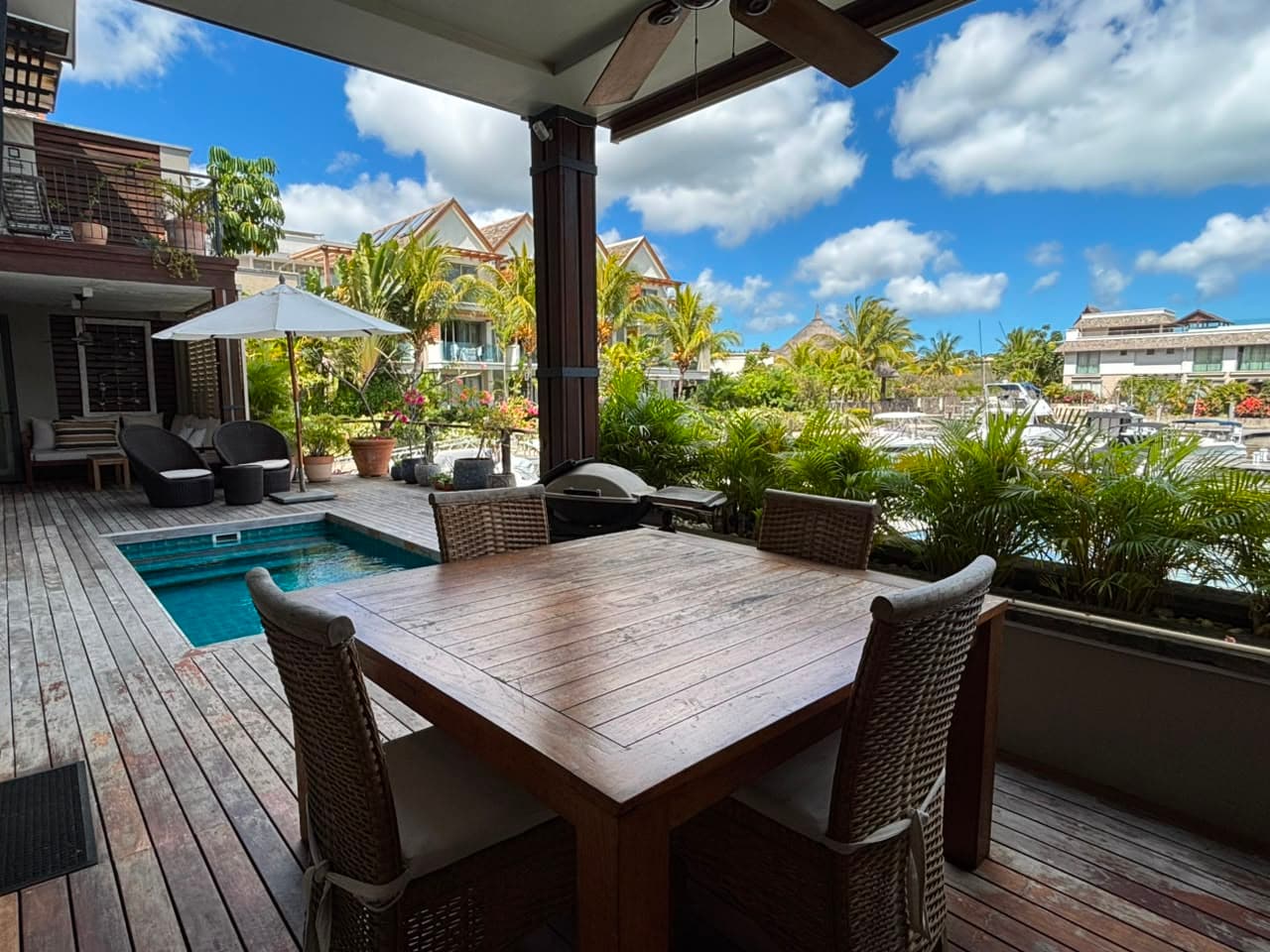
Ultimate Marina Lifestyle – Luxury Waterfront Residence, Private Mooring & Boat
44


Cyclone season is a reality of life in the Indian Ocean, and for investors and expats considering Mauritius, understanding its economic impact — on tourism, business, and property — is essential due diligence. The good news is that the island's infrastructure, construction standards, an…
Mauritius enjoys a well-deserved reputation as one of the Indian Ocean's most alluring destinations — pristine lagoons, world-class hotels, and a stable, business-friendly economy that has attracted investors and expatriates from across Europe and beyond. Yet every year, between November and April, the island enters its cyclone season, a period that carries real implications for tourism, commerce, and long-term investment confidence. Understanding those implications isn't cause for alarm — it's simply smart thinking for anyone serious about life or business on the island.
Tourism accounts for roughly 8–9% of Mauritius's GDP and supports tens of thousands of jobs across hospitality, transport, retail, and the arts. When a significant cyclone makes landfall or passes close enough to trigger a Class 3 or Class 4 warning, the effects ripple outward quickly. Flights are cancelled, resort guests are evacuated or confined indoors, and beach activities grind to a halt for days at a time.
The losses are measurable. A single severe storm during the peak December–January holiday season can cost the industry millions of rupees in cancellations and refunds, with smaller guesthouses and independent tour operators hit hardest. Unlike the large hotel chains — many of which have robust insurance arrangements and diversified revenue streams — family-run villas and boutique properties have less financial cushion to absorb a week of zero occupancy.
That said, direct landfalls are relatively rare. Most years, tropical systems pass at a distance, prompting precautionary warnings without causing catastrophic damage. The Mauritius Meteorological Services maintains one of the region's most sophisticated early-warning infrastructures, and the population is well-drilled in cyclone preparedness.
The economic disruption extends well beyond the resort pools. Agriculture, particularly the sugarcane and vegetable sectors, can suffer significant crop damage from sustained winds and flooding. The construction industry faces project delays, with contractors factoring seasonal weather risk into timelines — something property developers and buyers should be aware of when planning renovation works or new builds.
Retail, logistics, and financial services in Port Louis and Ebène also experience short-term shutdowns during warnings, though recovery is typically swift. Mauritius has invested heavily in resilient infrastructure — from reinforced public buildings to improved drainage systems — and the country's post-storm recovery times compare favourably with other Indian Ocean island nations.
For businesses operating in export-oriented sectors such as ICT, financial services, and textile manufacturing, cyclone disruption is largely manageable. Many companies in Ebène Cybercity, for instance, operate on business continuity protocols that allow remote working during warning periods, limiting productivity losses to a matter of hours rather than days.
For European investors and relocating expats, cyclone season is a factor worth understanding rather than fearing. Property construction standards in Mauritius are regulated under the Building Act, and modern developments — particularly those in the premium residential sector — are engineered to withstand wind speeds of up to 250 km/h, the category associated with the most intense Indian Ocean cyclones.
Luxury villas and apartments within integrated resort schemes such as Smart City developments, Property Development Schemes (PDS), and Invest Hotel Schemes (IHS) are typically built to the highest specifications, with storm shutters, reinforced roofing, and backup power systems as standard features. When evaluating a property, it's worth asking developers directly about cyclone resilience certifications and what maintenance protocols are in place.
Insurance is another consideration. Cyclone cover is widely available through Mauritian insurers and is strongly advisable for any property owner. Premiums are reasonable relative to coverage, and policies typically include provisions for both structural damage and loss of rental income — an important detail for those letting their property during the tourist season.
It's worth noting that Mauritius has not experienced a truly catastrophic cyclone landfall since Cyclone Carol in 1960 — a remarkable statistic for a tropical island nation. The country's geographic position and the increasing sophistication of its meteorological monitoring mean that residents and businesses can prepare effectively, rather than simply hoping for the best.
For the discerning investor, this resilience — institutional, infrastructural, and community-level — is actually part of what makes Mauritius such a compelling long-term proposition. The island doesn't merely weather storms; it plans for them, rebuilds efficiently, and continues to attract record numbers of high-net-worth residents year after year.
The economic impact of cyclones is real but manageable, and for those who approach island life with clear eyes and good preparation, it need not diminish the extraordinary quality of life that Mauritius offers.
Thinking about investing in property in Mauritius? At PropertyFinder Mauritius, we help British and European buyers navigate every aspect of island ownership — from understanding seasonal risks to identifying developments built to the very highest standards. Explore our listings and speak with our team today.
Hand-picked
Riviere Noire · West
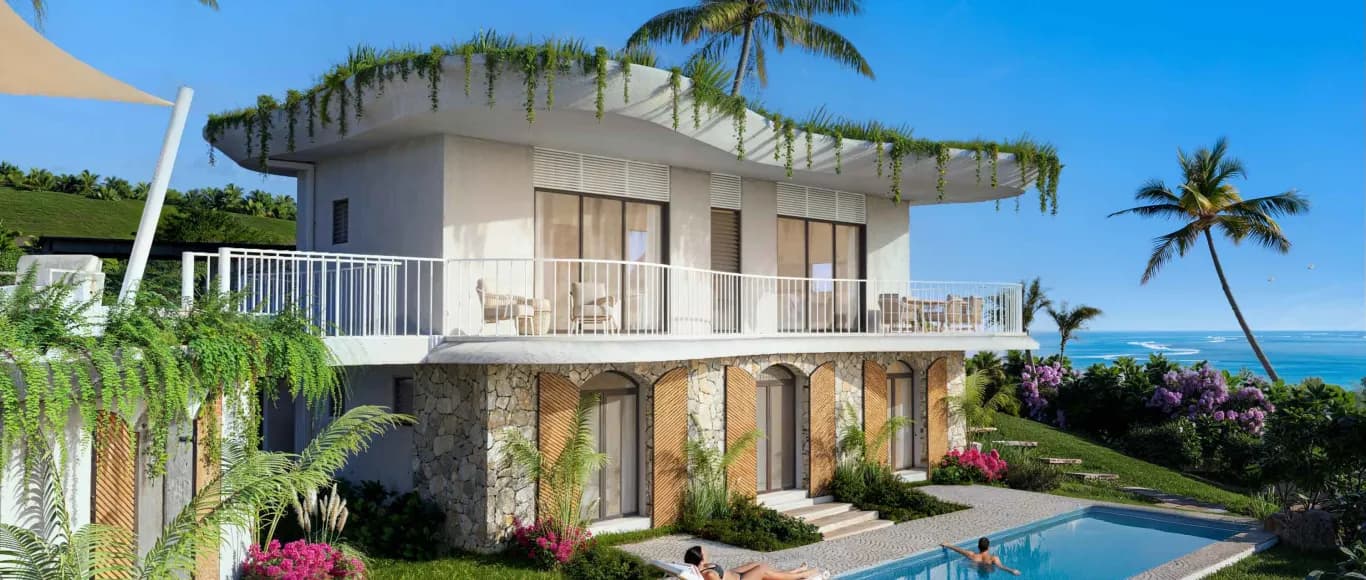
Baie du Cap · South

Tamarin · West
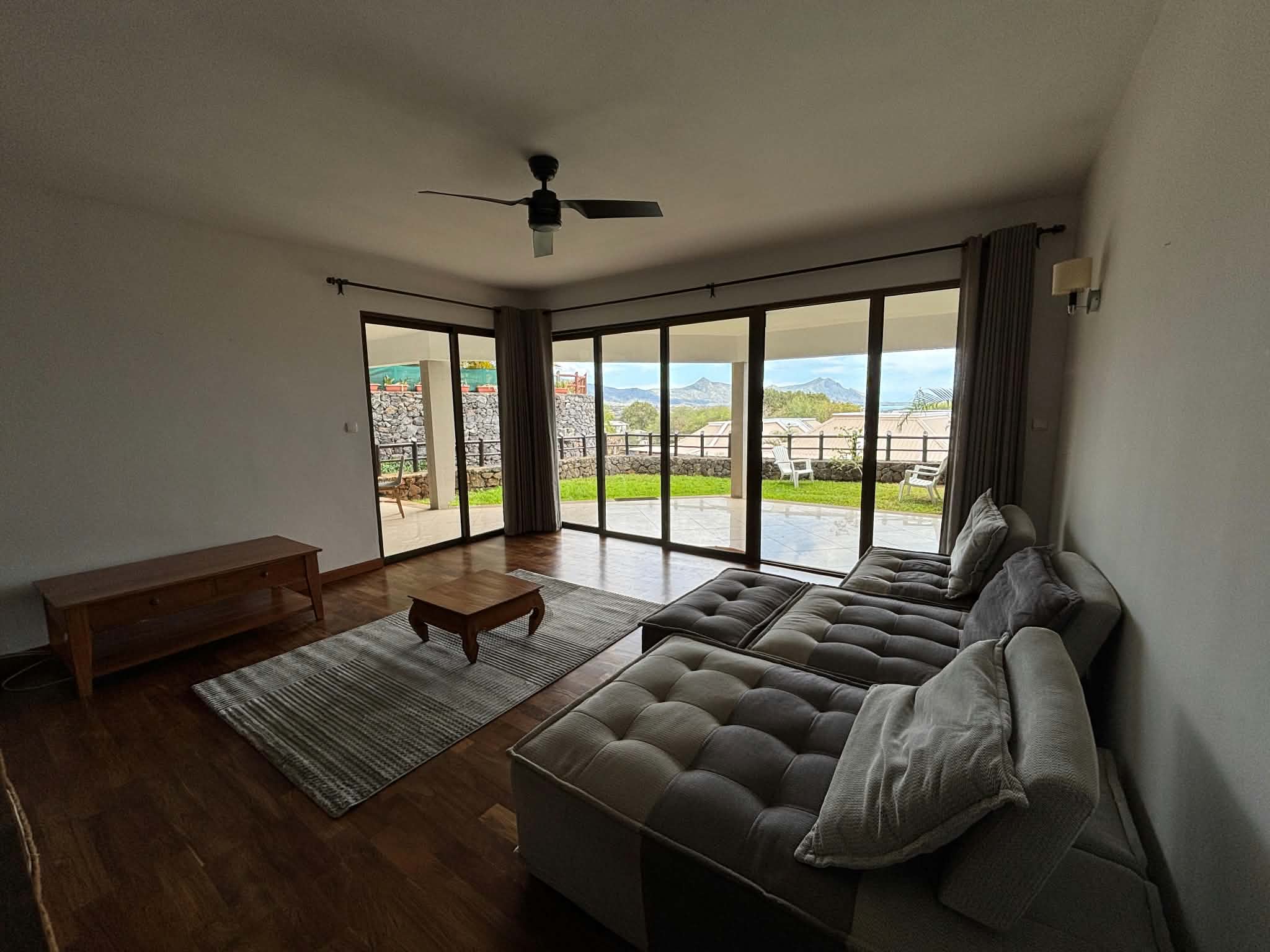
Tamarin · West

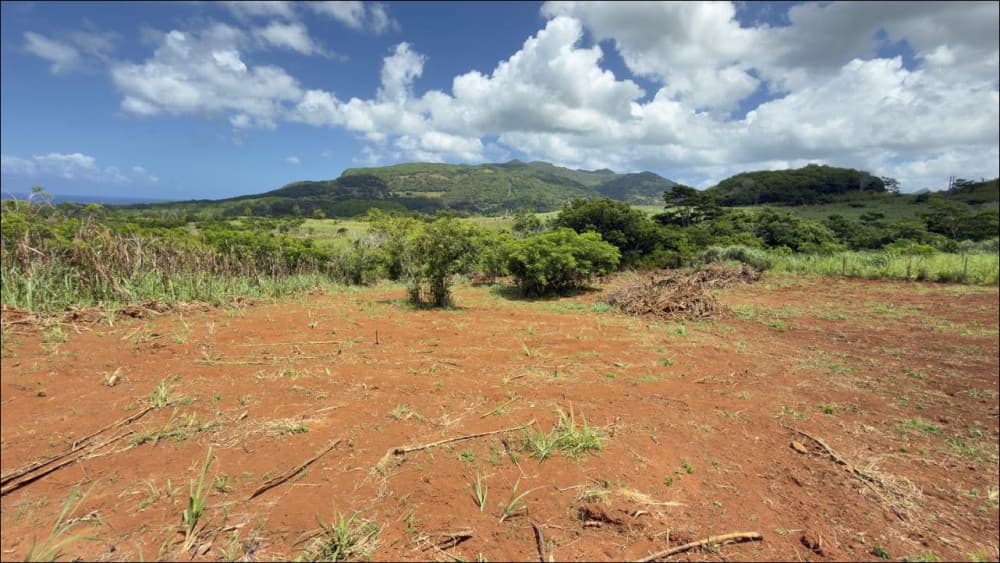
Baie du Cap · South
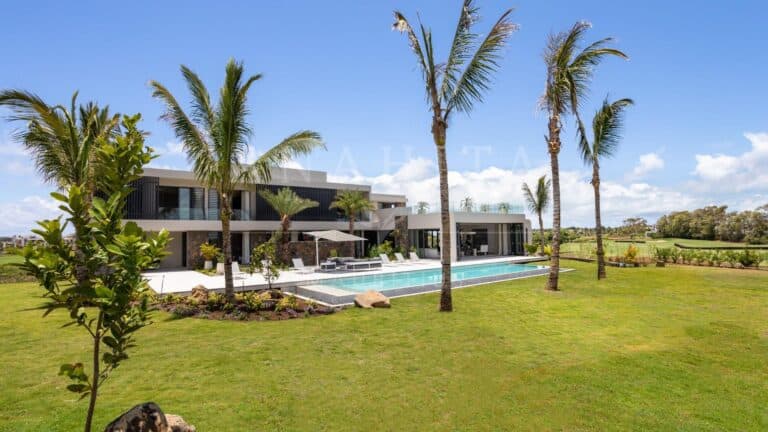
Beau Champ · East
Explore by region
Explore the site
Market updates, buying guidance and the best new listings, straight to your inbox.
About Mauritius · 28 Aug 2024
Mauritius is one of the safest islands in the Indian Ocean, but that doesn't stop savvy expats from seeking out martial arts and self-defense…
About Mauritius · 26 Aug 2024
Mauritius may be a small island, but its bookshops and online literary scene offer a surprisingly rich experience for expats and book lovers calling…
About Mauritius · 23 Aug 2024
From the UNESCO-listed heights of Le Morne Brabant to the vibrant streets of Grand Baie and the wild interior of Black River Gorges, Mauritius…
About Mauritius · 22 Aug 2024
The Mauritian Wildlife Foundation has spent four decades rescuing the island's rarest species and restoring its native ecosystems — and for those…
About Mauritius · 21 Aug 2024
The brilliantly coloured Mauritius day gecko is far more than a garden curiosity — as a native pollinator, seed disperser, and natural pest…
About Mauritius · 13 Aug 2024
Off the southwestern tip of Mauritius, an extraordinary optical illusion makes the Indian Ocean appear to cascade into an endless abyss — and a…
Browse our current listings or speak to an agent.