FOR RENTExpat
Rs450K/mo
Riviere Noire · West
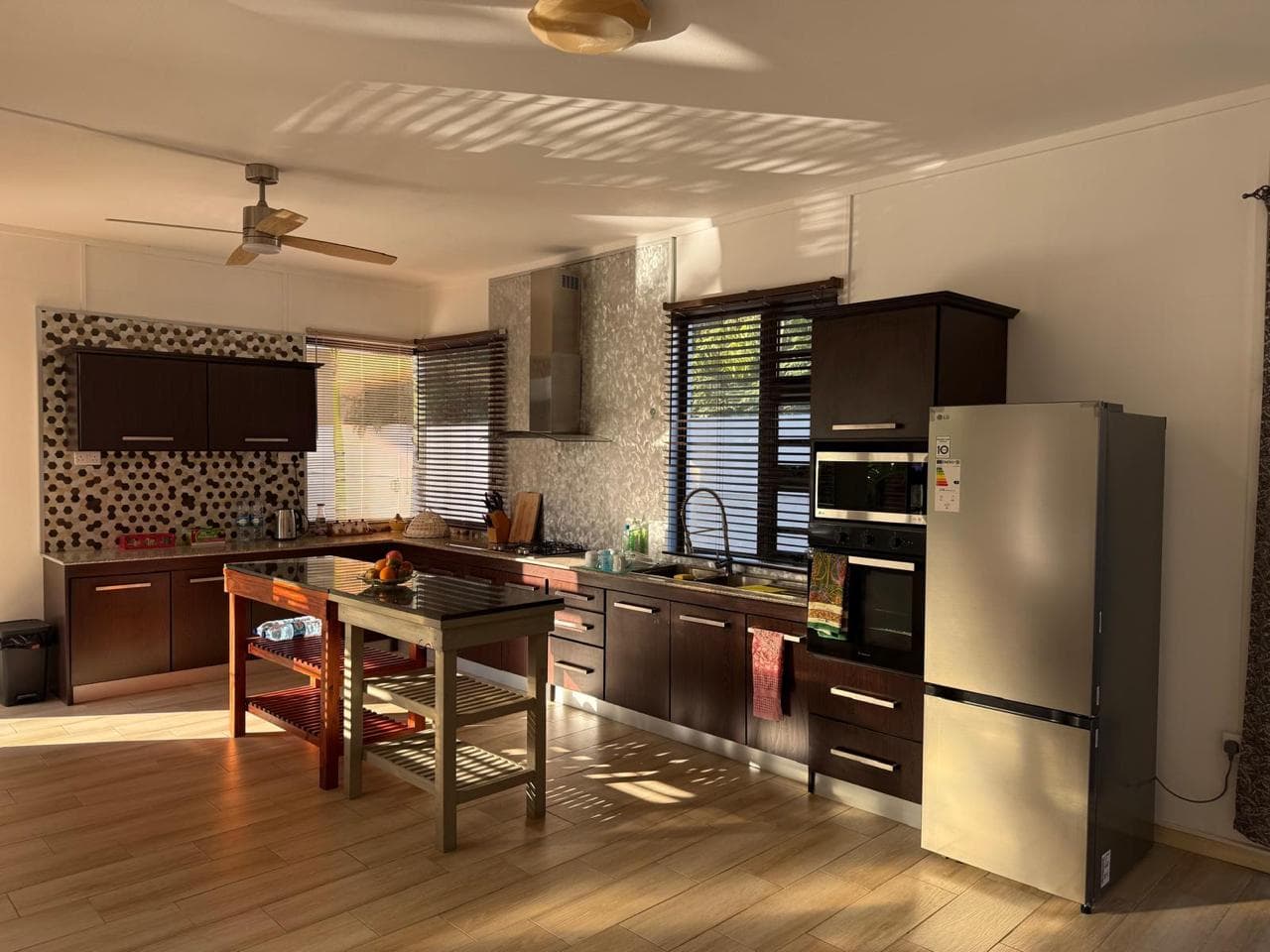
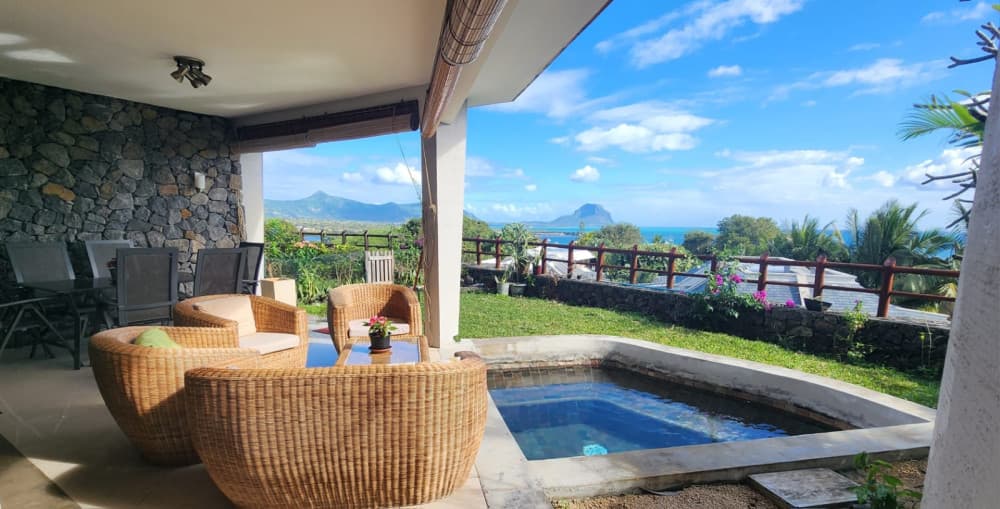
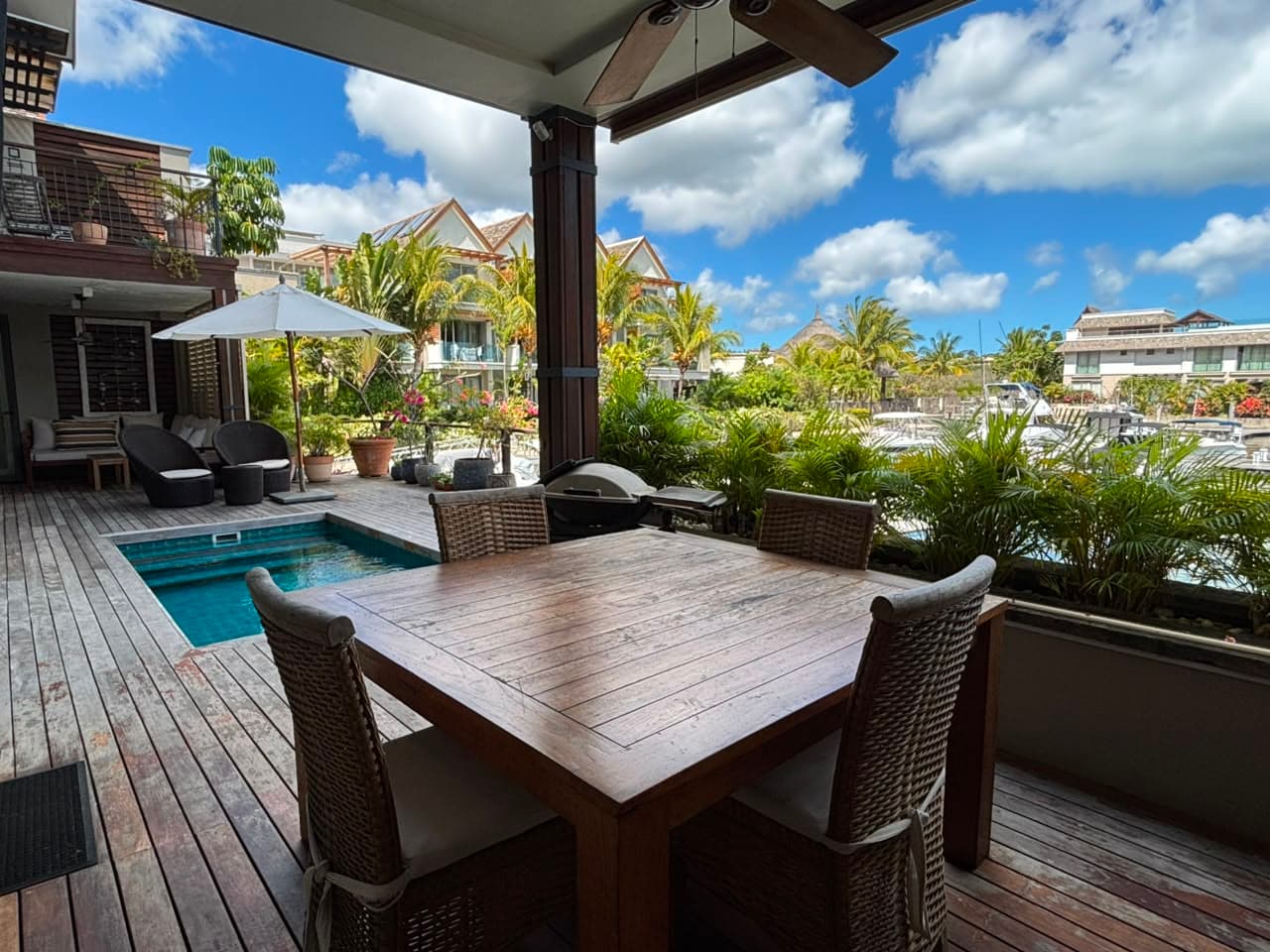
Ultimate Marina Lifestyle – Luxury Waterfront Residence, Private Mooring & Boat
44

From the elegant timber fretwork of French Creole plantation houses to award-winning contemporary villas designed for the modern luxury buyer, Mauritian architecture is a rich, layered story spanning three centuries of colonial history, cultural migration, and tropical ingenuity. Discov…
Stand on the veranda of a Creole plantation house in Chamarel, watch the sun sink behind the Moka mountain range, and you begin to understand something essential about Mauritius: this island does not have a single architectural identity — it has many. Layered over centuries of colonial rule, cultural migration, and tropical necessity, Mauritian architecture tells the story of a nation built by many hands, each leaving a distinct and beautiful mark.
The most iconic chapter in Mauritian architectural history begins with the French colonial period, which shaped the island from 1715 until the British took control in 1810. The result was the Creole style — a vernacular architecture that remains one of the most beloved on the island today.
Creole houses are immediately recognisable: wide wrap-around verandas supported by ornate timber columns, steep pitched roofs designed to channel tropical rains, and elaborate lacework fretwork (known locally as dentelle) adorning every eave and balustrade. These decorative wooden trims were not merely aesthetic — they allowed hot air to circulate, cooling the home naturally in the days before air conditioning.
The finest surviving examples can be found at Eureka House in Moka, a 109-room colonial mansion dating to the 1830s, now open to visitors as a living museum. For those exploring Mauritian property investment, original Creole houses — when authentically restored — command extraordinary premiums and attract significant rental income from high-end tourism.
When Britain assumed control, the colonial architecture shifted towards a more neoclassical civic language. The grand buildings of Port Louis — including the Natural History Museum and the Supreme Court on Place d'Armes — reflect the British preference for imposing stone facades, Roman columns, and formal symmetry. These structures were designed to project authority and permanence, and they succeeded.
British-era sugar estate architecture also proliferated during this period. The great sugar mill chimneys that still punctuate the landscape of the Plaines Wilhems and Rivière Noire districts are industrial monuments, now reimagined as dramatic backdrops for boutique hotels and luxury residential developments.
The arrival of Indian indentured workers from the 1830s onwards introduced an entirely new visual vocabulary to the island. Hindu and Tamil temples began appearing across the countryside, their gopurams (towering entrance gateways) adorned with vivid painted deities and intricate sculptural detail. The Sri Siva Subramaniasamy Kovil in Port Louis and the Grand Bassin temple in the highlands are extraordinary examples of this tradition, still thriving today.
In residential neighbourhoods, Indo-Mauritian influence manifests in courtyard-oriented homes, prayer rooms built as extensions of family houses, and a use of bold colour — terracotta, saffron, turquoise — that contrasts beautifully with the lush tropical greenery. These communities shaped the urban fabric of towns like Rose Hill, Quatre Bornes, and Beau Bassin in ways that remain deeply visible.
The most recent chapter in Mauritian architecture is being written by world-class designers responding to the demands of a sophisticated international market. The island's Integrated Resort Scheme (IRS) and Property Development Scheme (PDS) — which allow foreign nationals to purchase freehold property — have attracted ambitious architectural projects that blend seamlessly with their natural surroundings.
Developments across Tamarin, Balaclava, and the East Coast now feature award-winning villas that combine biophilic design principles with local materials: basalt stone walls, sustainable hardwoods, and vast glass facades that frame the Indian Ocean as living art. Landscape architects are engaging seriously with endemic planting, ensuring that contemporary Mauritian homes feel rooted in the island rather than imposed upon it.
Architects such as Jean-François Adam have pioneered a distinctly modern Mauritian aesthetic — one that honours Creole spatial logic (the veranda, the shaded courtyard, the indoor-outdoor flow) while embracing clean contemporary lines and sustainable construction techniques. This fusion of heritage and innovation is precisely what makes Mauritian property so compelling to European buyers seeking both beauty and investment value.
What makes Mauritian architecture so remarkable is that it has never fully discarded its past. Walk through any village and you will find a Creole house next to a Tamil temple next to a modernist bungalow next to a Chinese merchant's shophouse with its painted timber shutters. This layered diversity is not disorganised — it is vibrant, authentic, and alive.
For investors and lifestyle buyers, understanding this architectural context is key to making the right property decision. Whether you are drawn to a lovingly restored colonial estate in the highlands or a sleek contemporary villa overlooking a turquoise lagoon, the story of Mauritian architecture enriches every choice you make.
Ready to find your place within this extraordinary architectural legacy? Explore our curated listings at PropertyFinder Mauritius and let our team of local experts guide you to the property that truly speaks to you — whether it whispers in Creole woodwork or gleams in contemporary stone.
Hand-picked
Riviere Noire · West

Baie du Cap · South
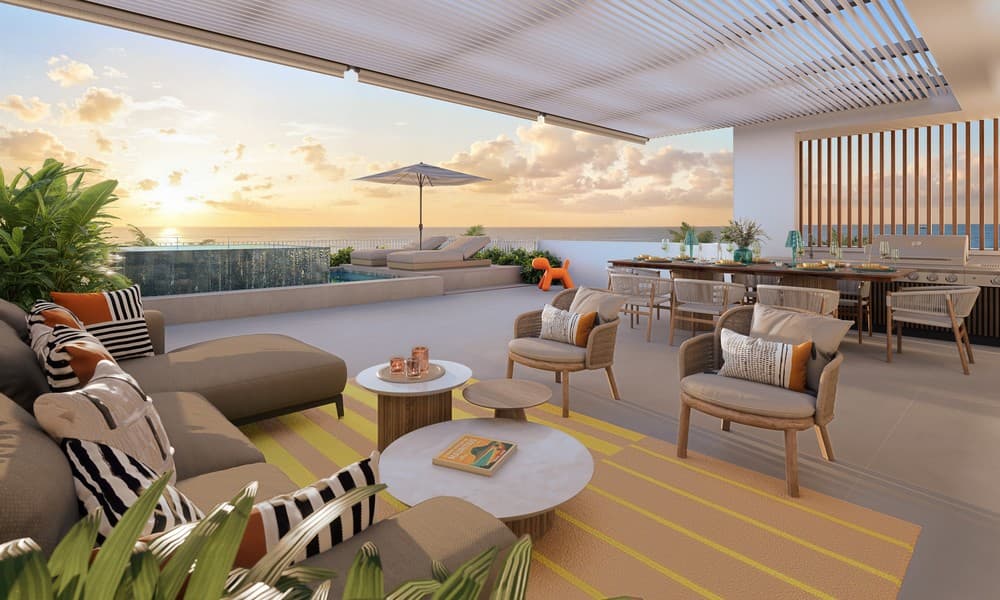
Tamarin · West
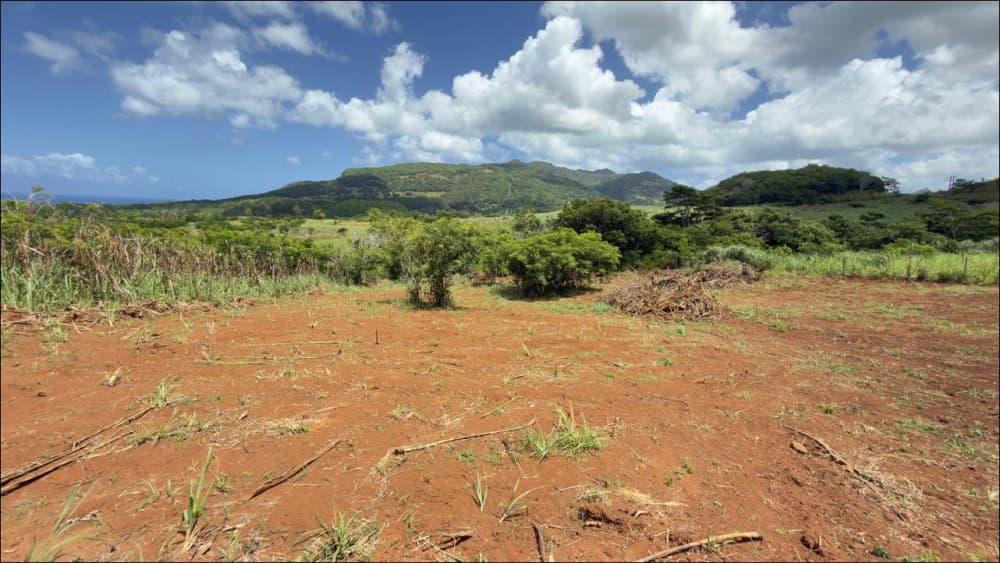
Baie du Cap · South
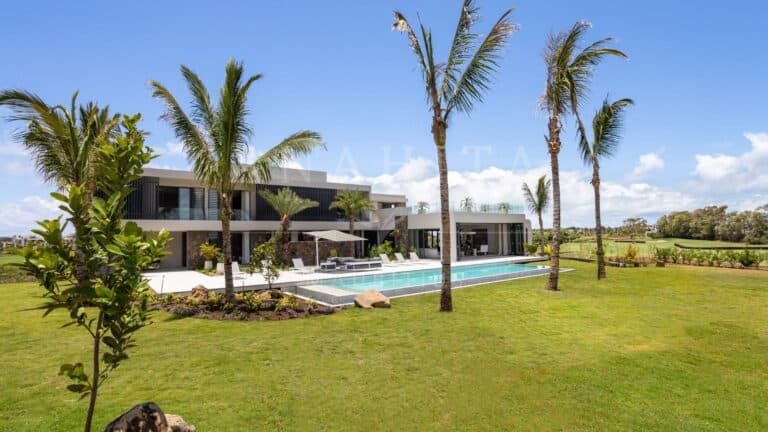
Beau Champ · East
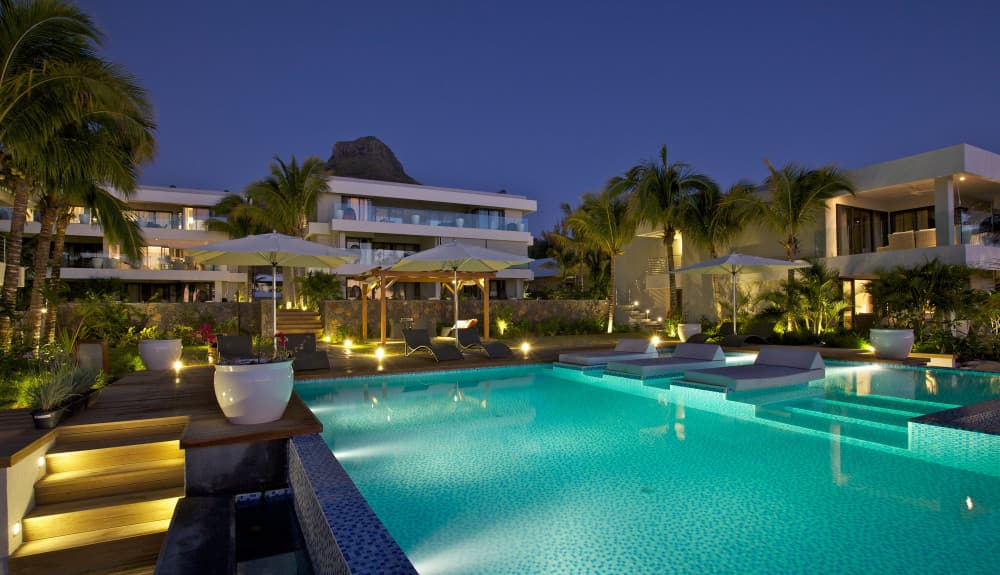
Riviere Noire · West
Explore by region
Explore the site
Market updates, buying guidance and the best new listings, straight to your inbox.
About Mauritius · 28 Aug 2024
Mauritius is one of the safest islands in the Indian Ocean, but that doesn't stop savvy expats from seeking out martial arts and self-defense…
About Mauritius · 26 Aug 2024
Mauritius may be a small island, but its bookshops and online literary scene offer a surprisingly rich experience for expats and book lovers calling…
About Mauritius · 23 Aug 2024
From the UNESCO-listed heights of Le Morne Brabant to the vibrant streets of Grand Baie and the wild interior of Black River Gorges, Mauritius…
About Mauritius · 22 Aug 2024
The Mauritian Wildlife Foundation has spent four decades rescuing the island's rarest species and restoring its native ecosystems — and for those…
About Mauritius · 21 Aug 2024
The brilliantly coloured Mauritius day gecko is far more than a garden curiosity — as a native pollinator, seed disperser, and natural pest…
About Mauritius · 13 Aug 2024
Off the southwestern tip of Mauritius, an extraordinary optical illusion makes the Indian Ocean appear to cascade into an endless abyss — and a…
Browse our current listings or speak to an agent.