FOR RENTExpat
Rs450K/mo
Riviere Noire · West
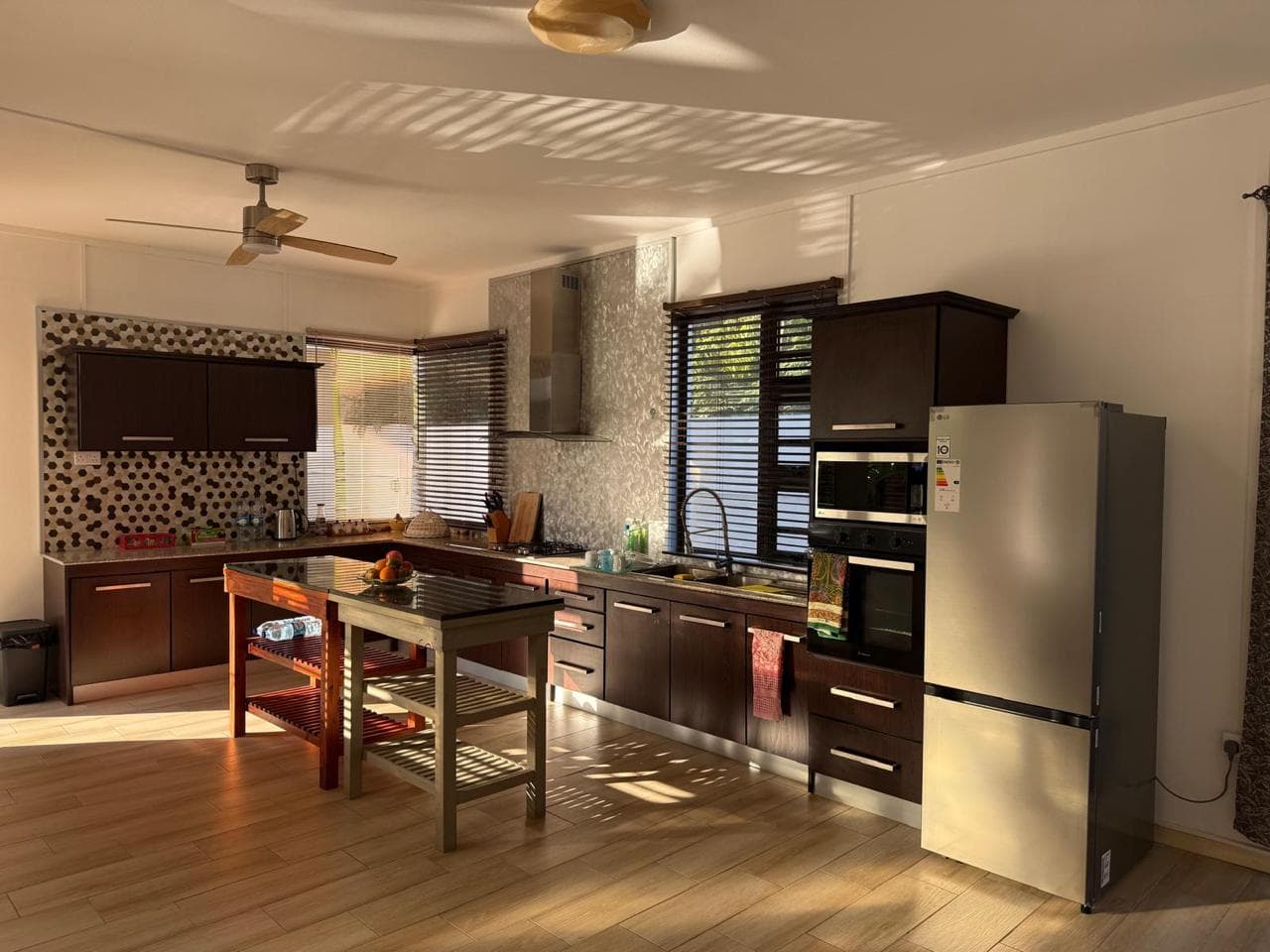
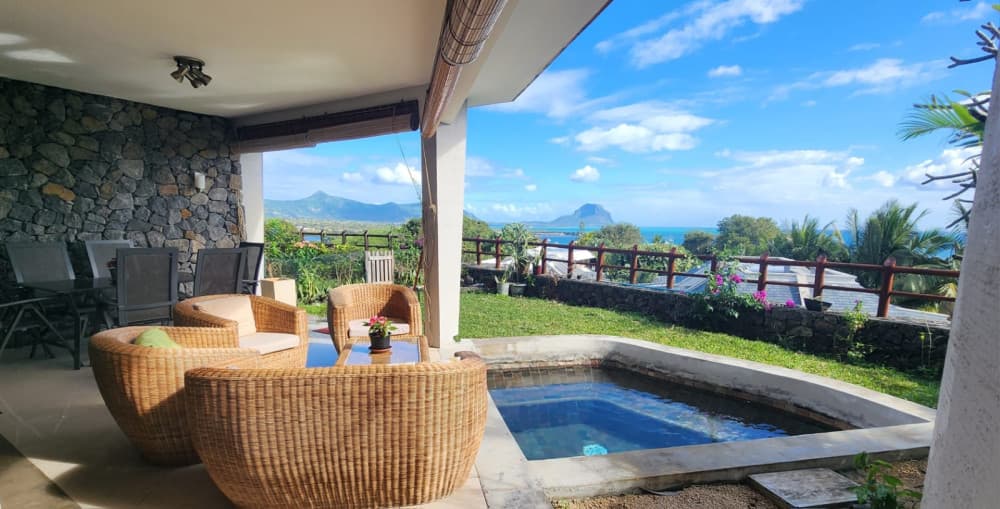
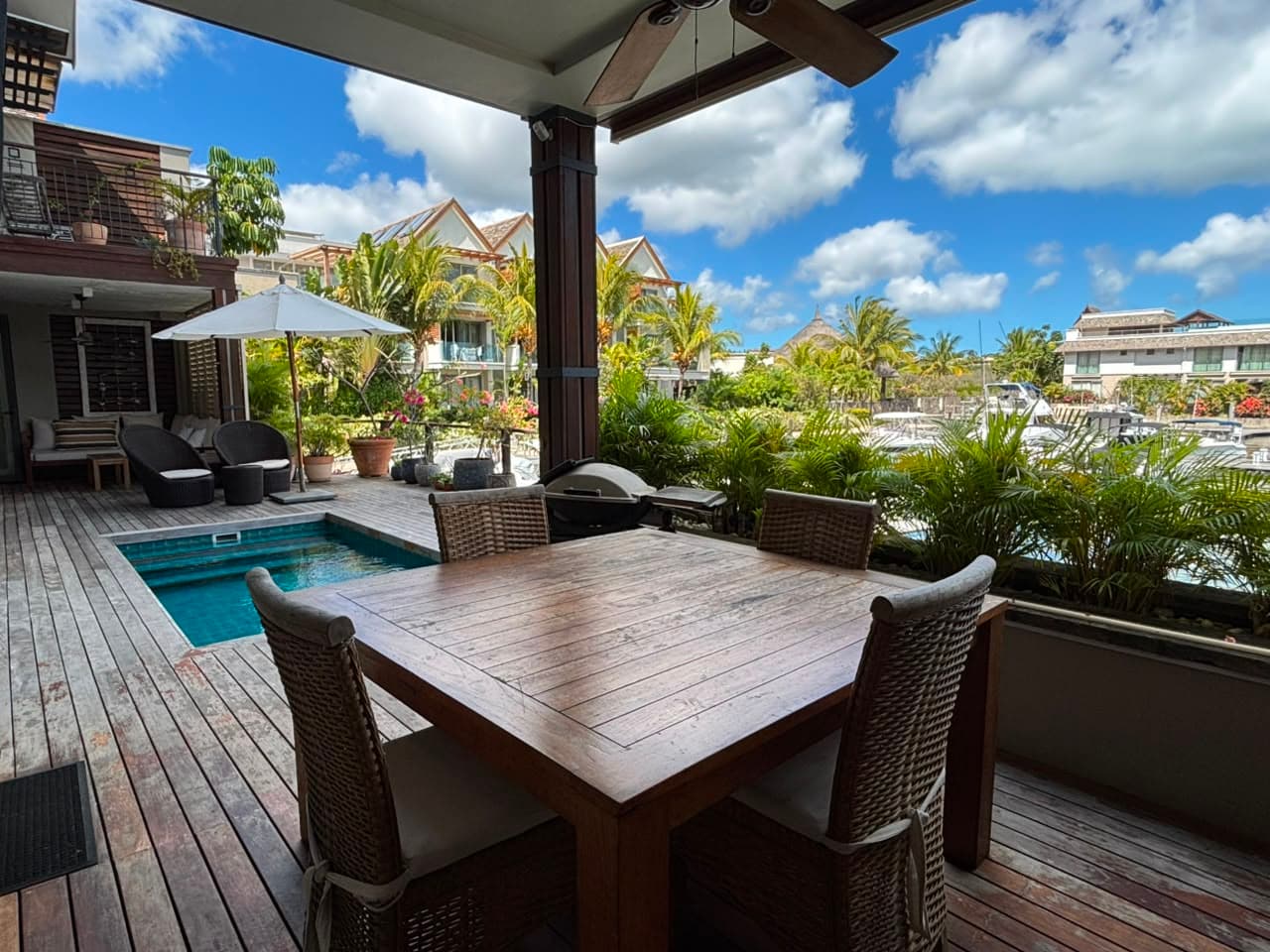
Ultimate Marina Lifestyle – Luxury Waterfront Residence, Private Mooring & Boat
44


Sega music is far more than a soundtrack to Mauritian beach life — it is a centuries-old art form born from hardship, resilience, and cultural defiance, now recognised by UNESCO as part of humanity's intangible heritage. Understanding its history is one of the most powerful ways to conn…
There are moments in Mauritius that stop you entirely — the sun dropping behind the Morne Brabant peninsula, the smell of wood smoke drifting from a beach fire, and then, rising above it all, the unmistakable sound of sega music. Raw, rhythmic, and deeply emotional, sega is not simply entertainment. It is the heartbeat of Mauritian culture, a living archive of the island's complex and often painful past.
For those considering a move to Mauritius — or who have already made the leap — understanding sega is one of the most rewarding ways to connect with the island on a deeper level.
Sega traces its roots to the era of African and Malagasy enslaved peoples brought to Mauritius during French colonial rule in the 17th and 18th centuries. Prohibited from practising their own cultural traditions and stripped of their languages, enslaved people created sega as a form of private expression — a coded language of grief, longing, and resilience.
Originating on the beaches and in the fields after dark, early sega was performed around bonfires using rudimentary instruments crafted from whatever was available. The ravane — a goatskin frame drum — became the genre's defining instrument, its deep, hypnotic pulse providing the foundation for everything that followed. The maravanne, a shaker filled with seeds or pebbles, and the triangle completed the classic trio.
The dancing that accompanied the music was equally significant. Characterised by swaying hips, shuffling bare feet, and a low, grounded posture, sega dance movements were thought to echo the motion of the ocean — a constant reminder of the crossing that had brought enslaved peoples to the island against their will.
For much of the 19th century, sega remained on the social periphery. Colonial authorities viewed it with suspicion, and it was periodically suppressed as morally subversive. Yet its power proved impossible to contain. Following the abolition of slavery in 1835, sega gradually emerged into more public spaces, becoming the music of the Creole community and a symbol of cultural pride.
By the mid-20th century, sega had undergone a remarkable transformation. Artists such as Ti Frère — widely regarded as the grandfather of modern sega — brought the genre to national prominence, blending traditional rhythms with more polished arrangements and emotionally resonant lyrics in Mauritian Creole. His recordings from the 1950s and 1960s remain touchstones of the form, and his legacy is celebrated across the island to this day.
Independence in 1968 gave sega an added dimension of national identity. What had once been suppressed became a source of collective pride, officially recognised as a cornerstone of Mauritian heritage.
In 2014, Sega Tipik — the traditional form of the genre, as distinct from its more commercialised modern variants — was inscribed on UNESCO's Representative List of the Intangible Cultural Heritage of Humanity. This was a defining moment, cementing sega's global status and ensuring ongoing efforts to preserve its most authentic expressions.
Sega Tipik is distinguished by its strict adherence to traditional instruments, the Creole language, and the social context of its performance. Unlike the sega you might hear at a hotel beach party — often upbeat and tourist-friendly — Sega Tipik is slower, more meditative, and deeply communal.
Modern Mauritius has produced a rich variety of sega offshoots. Seggae, pioneered by the late Kaya in the 1990s, fused sega with Jamaican reggae, creating a politically charged sound that resonated deeply with working-class Creole communities. Sega ravanne continues to be performed at cultural festivals and village gatherings, while contemporary artists experiment with electronic production and international influences.
For expats and investors who choose to make Mauritius their home — drawn by the island's favourable tax environment, the Property Development Scheme (PDS), and an exceptional quality of life — sega is part of what makes island living so distinctive. It surfaces at festivals like the Festival Kreol, at sunset beach bars in Grand Baie, and at intimate local gatherings in villages from Mahébourg to Chamarel. It is everywhere, and nowhere else on earth quite sounds like it.
Living in Mauritius means becoming, in some small way, part of this story. The best residential communities on the island — many of them set against the same dramatic coastlines that once hosted those original beach fires — offer not just beautiful homes, but access to a culture that rewards curiosity and genuine engagement.
Whether you are drawn by the music, the landscape, the lifestyle, or the investment opportunity, Mauritius offers something rare: a place where history has texture, and where belonging feels possible.
PropertyFinder Mauritius connects discerning buyers and investors with the finest residential properties across the island, from beachfront villas in Tamarin to estate homes in the hills above Grand Baie. Explore our listings today and take the first step towards a life lived in full colour.
Hand-picked
Riviere Noire · West

Baie du Cap · South
Tamarin · West

Baie du Cap · South
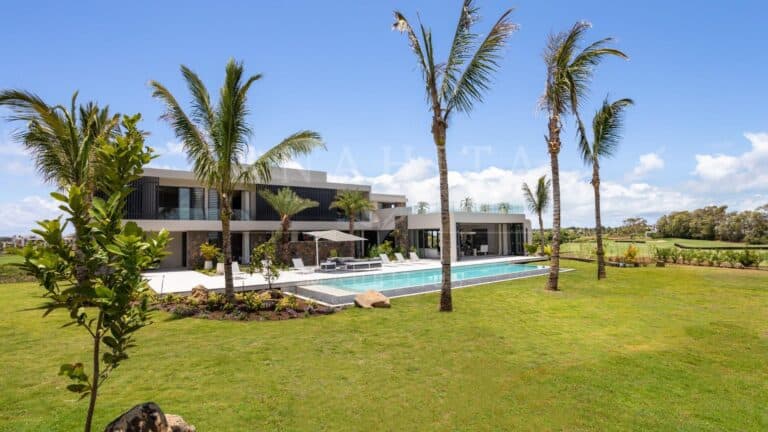
Beau Champ · East
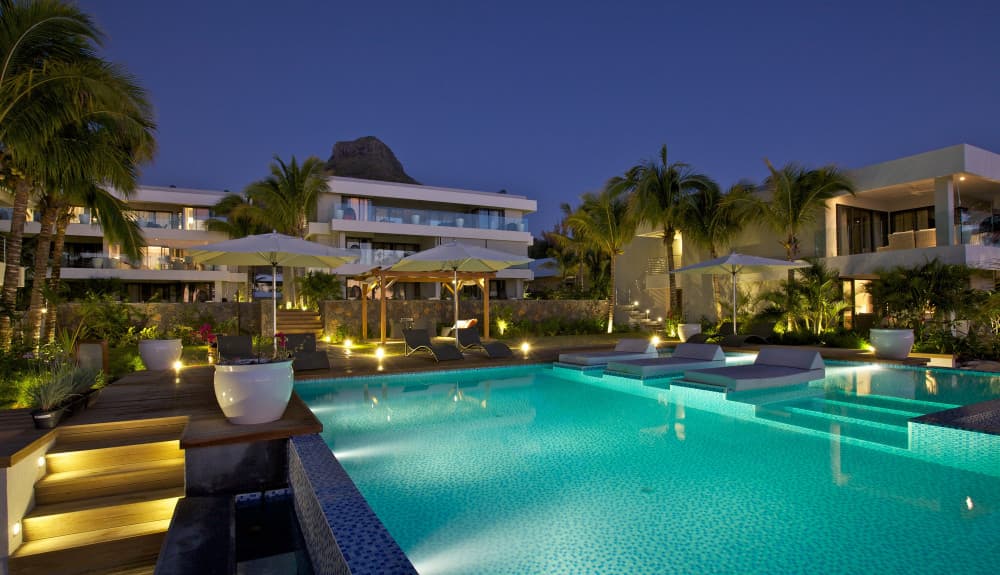
Riviere Noire · West
Explore by region
Explore the site
Market updates, buying guidance and the best new listings, straight to your inbox.
About Mauritius · 28 Aug 2024
Mauritius is one of the safest islands in the Indian Ocean, but that doesn't stop savvy expats from seeking out martial arts and self-defense…
About Mauritius · 26 Aug 2024
Mauritius may be a small island, but its bookshops and online literary scene offer a surprisingly rich experience for expats and book lovers calling…
About Mauritius · 23 Aug 2024
From the UNESCO-listed heights of Le Morne Brabant to the vibrant streets of Grand Baie and the wild interior of Black River Gorges, Mauritius…
About Mauritius · 22 Aug 2024
The Mauritian Wildlife Foundation has spent four decades rescuing the island's rarest species and restoring its native ecosystems — and for those…
About Mauritius · 21 Aug 2024
The brilliantly coloured Mauritius day gecko is far more than a garden curiosity — as a native pollinator, seed disperser, and natural pest…
About Mauritius · 13 Aug 2024
Off the southwestern tip of Mauritius, an extraordinary optical illusion makes the Indian Ocean appear to cascade into an endless abyss — and a…
Browse our current listings or speak to an agent.