FOR RENTExpat
Rs450K/mo
Riviere Noire · West
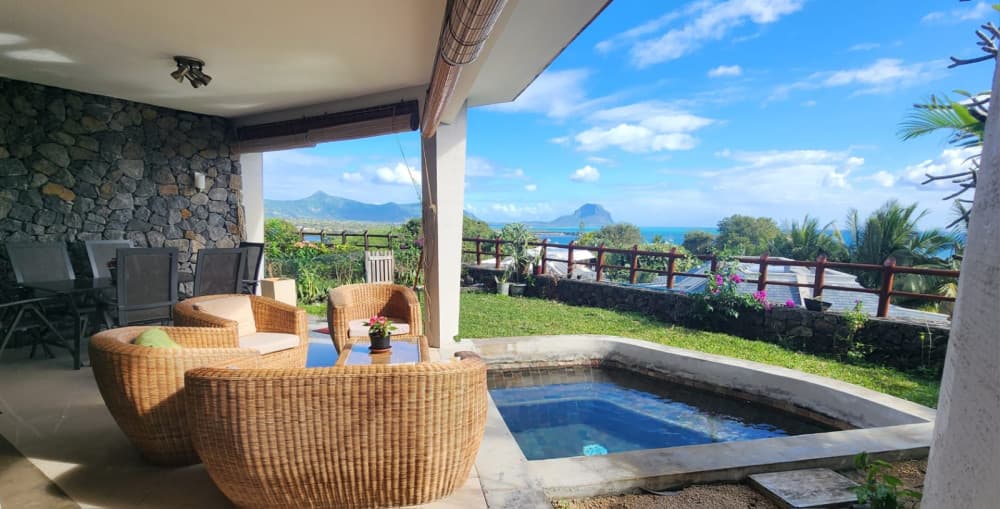
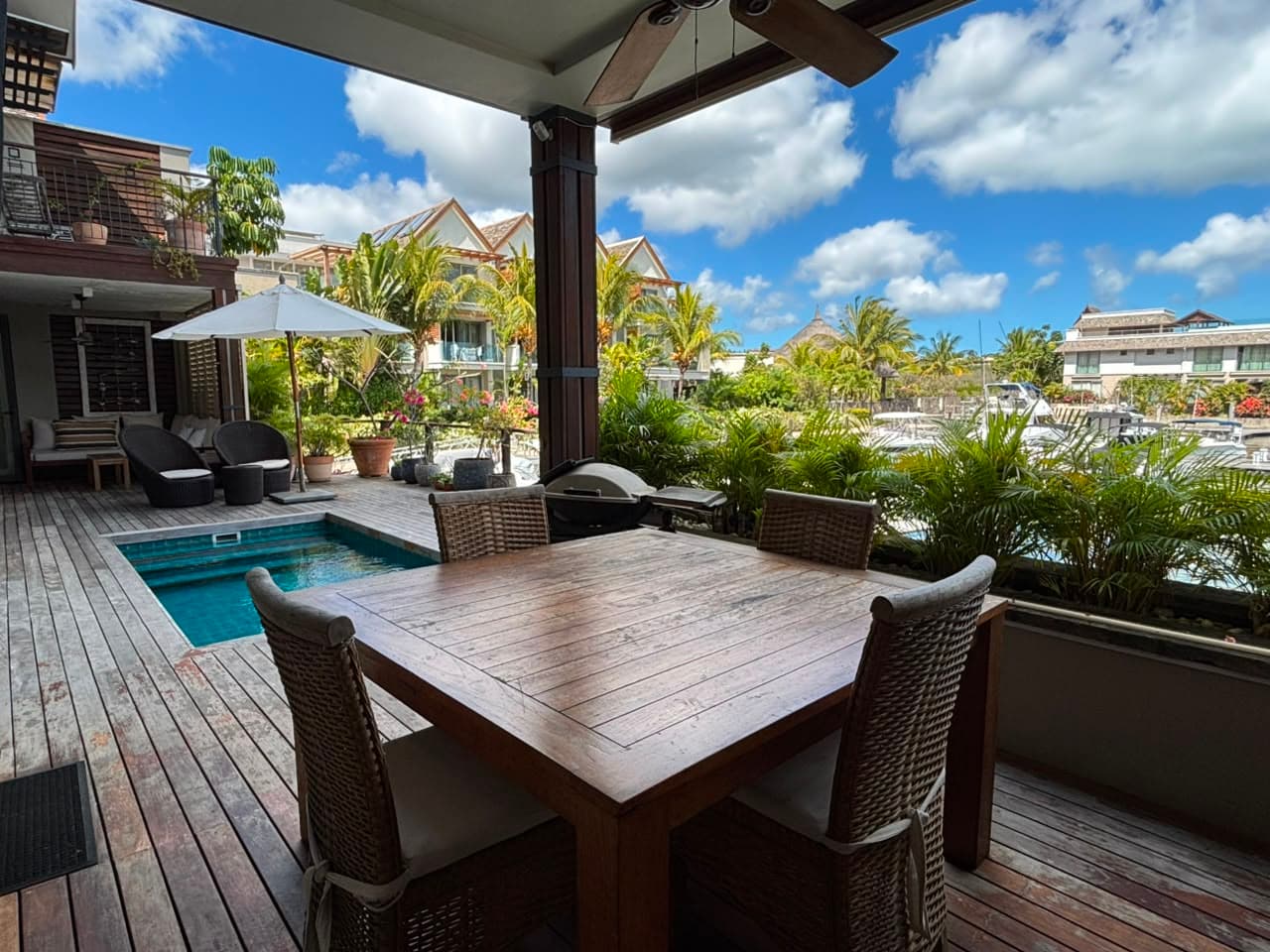
Ultimate Marina Lifestyle – Luxury Waterfront Residence, Private Mooring & Boat
44


The COVID-19 pandemic sent shockwaves through Mauritius's rental market, but what followed was a period of remarkable reinvention — from softening luxury prices to a surge in demand from European remote workers drawn by the island's Premium Visa scheme. Here's how the market shifted, an…
Few global events have reshaped the real estate landscape as dramatically as the COVID-19 pandemic. In Mauritius, a destination long prized by British and European expats for its political stability, favourable tax environment, and exceptional quality of life, the rental market experienced a period of profound — and in many ways, permanent — transformation.
When Mauritius closed its borders in March 2020, the immediate impact on the rental property market was swift and severe. The island's rental sector had historically been driven by two key tenant pools: expatriate professionals on corporate relocation packages, and high-net-worth individuals seeking luxury villas and apartments for extended stays. Both segments essentially evaporated overnight.
Landlords of premium properties in sought-after areas such as Grand Baie, Tamarin, and Beau Champ found themselves facing extended vacancies. Monthly rental prices for high-end villas, which had been commanding between €3,000 and €8,000 per month, softened considerably as supply outpaced demand. For the first time in years, tenants who remained on the island — largely long-term residents and citizens — found themselves in a stronger negotiating position.
By late 2020 and into 2021, something unexpected began to happen. As remote working became normalised across Europe, a new category of prospective tenant emerged: the digital nomad and location-independent professional. Mauritius, recognising this opportunity, launched its Premium Visa in October 2020, allowing foreign nationals to live and work remotely on the island for up to one year.
This was a game-changer for the rental market. Suddenly, a British marketing director or a French tech entrepreneur could legally base themselves in Mauritius without needing a traditional work permit. Demand for well-appointed, long-term rentals with reliable fibre broadband, dedicated home office space, and proximity to amenities began to climb. Properties in residential hubs like Pereybère, Rivière Noire, and Moka — areas offering a blend of community feel and modern infrastructure — saw renewed interest from this new tenant demographic.
The recovery was not uniform across all market segments. The luxury villa rental sector was among the last to rebound fully, given its dependency on international travel. However, when borders finally reopened in late 2021, pent-up demand from high-net-worth individuals — many of whom had spent months reconsidering their lifestyle priorities — drove a significant resurgence.
Perhaps counterintuitively, prime rental prices in the luxury segment not only recovered but in some cases exceeded pre-pandemic levels by 2022. The pandemic had made affluent Europeans acutely aware of what they valued: space, nature, security, and access to healthcare. Mauritius, with its world-class private medical facilities, low crime rate, and unrivalled natural beauty, ticked every box.
The pandemic accelerated several trends that are now embedded in how the Mauritius rental market operates:
For those considering property investment in Mauritius with rental income in mind, the post-COVID landscape presents a genuinely compelling case. The island's tenant base is now more diverse and more financially robust than it was before 2020. The combination of the Premium Visa programme, the Occupation Permit scheme for investors and self-employed professionals, and ongoing infrastructure improvements across the island means that demand for quality rental accommodation shows no sign of retreating.
Landlords who invested in upgrading their properties during the quiet pandemic period — installing solar panels, improving broadband connectivity, and refreshing interiors — have been rewarded with stronger yields and lower vacancy rates. For new investors entering the market, these are instructive signals about where value is being created.
Whether you are a prospective tenant planning a long-term move to the island, or an investor looking to understand the rental yield potential of a property you have in mind, having access to accurate, up-to-date market intelligence is everything.
At PropertyFinder Mauritius, we connect discerning British and European clients with the finest rental properties and investment opportunities across the island. Browse our curated listings or speak with one of our local experts today — and take the first step towards making Mauritius your home.
Hand-picked
Riviere Noire · West

Baie du Cap · South

Tamarin · West

Baie du Cap · South

Beau Champ · East

Riviere Noire · West
Explore by region
Explore the site
Market updates, buying guidance and the best new listings, straight to your inbox.
Renting a Property · 15 Aug 2024
Renting property in Mauritius as a foreigner is a straightforward and rewarding process — but knowing the legal landscape, typical costs, and…
Renting a Property · 25 Jul 2024
Shoba Villas and Residences brings world-class design and five-star amenities to one of Mauritius's most sought-after residential addresses,…
Renting a Property · 8 Jun 2023
A rare luxury long-term rental has emerged on the Mauritius property market, capturing the attention of British and European expats who know just…
Renting a Property · 9 Feb 2023
Finding a pet-friendly rental in Mauritius is entirely achievable, but it requires the right preparation — from navigating the island's strict pet…
Renting a Property · 14 Jan 2023
Owning property in Mauritius as a foreigner comes with unique insurance considerations, from cyclone cover to vacancy clauses and rental liability.…
Renting a Property · 14 Jan 2023
Finding the right rental property in Mauritius means much more than choosing between a beach view and a garden — it requires understanding the…
Browse our current listings or speak to an agent.