FOR RENTExpat
Rs450K/mo
Riviere Noire · West
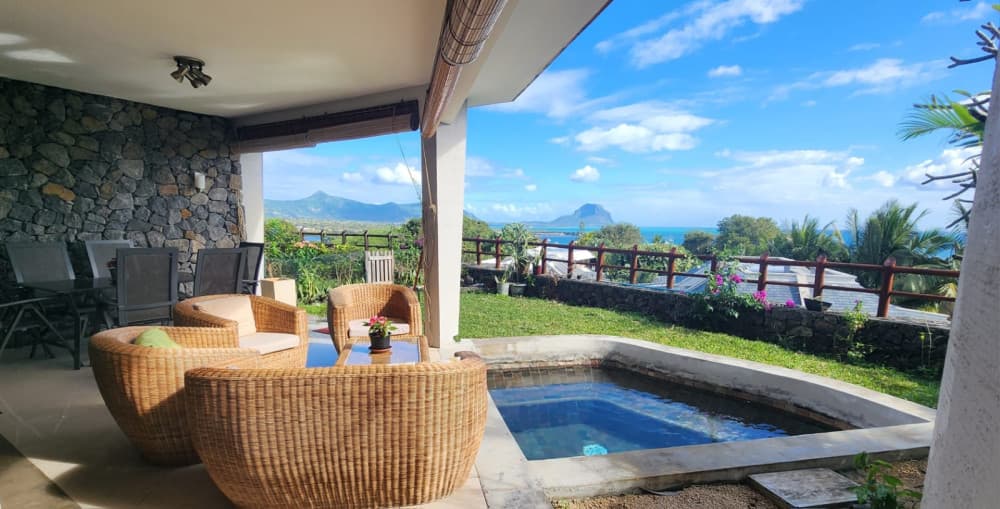
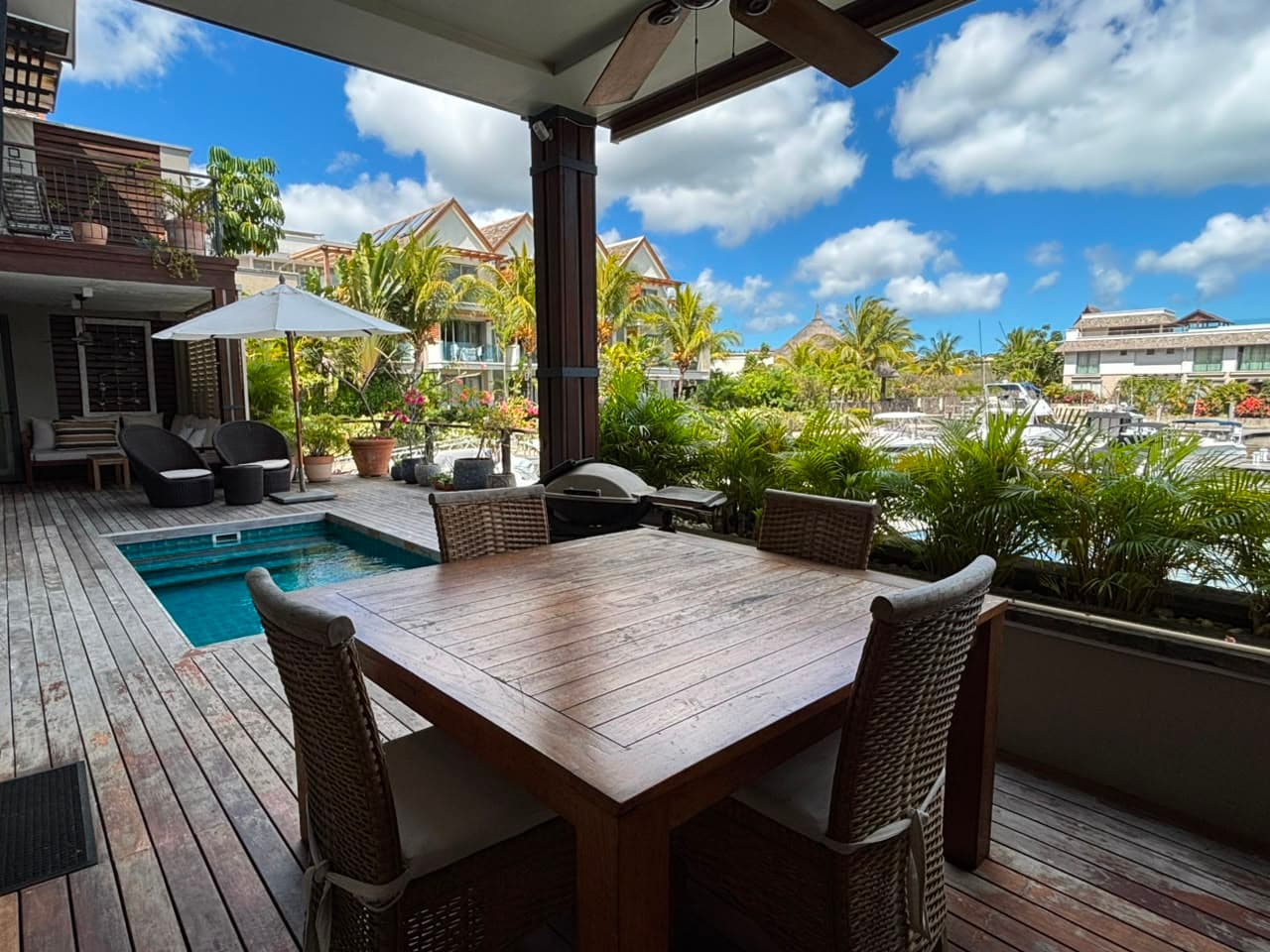
Ultimate Marina Lifestyle – Luxury Waterfront Residence, Private Mooring & Boat
44


Renting property in Mauritius offers expats and investors an exceptional lifestyle opportunity, but navigating the island's legal framework requires careful preparation. From understanding lease agreements under the Civil Code to knowing your rights around deposits and residency, this g…
Mauritius has long been a magnet for European expats and savvy investors seeking a sun-drenched lifestyle with genuine substance behind it — world-class healthcare, political stability, and a business-friendly environment that rewards those who do their homework. If you're considering renting property on the island, whether as a stepping stone before purchasing or as a longer-term lifestyle choice, understanding the legal framework will save you time, money, and more than a few headaches.
The Mauritian rental market is broadly split between short-term holiday lets and long-term residential leases, typically defined as agreements of one year or more. Most British and European expats settling in areas like Grand Baie, Tamarin, or Beau Vallon opt for long-term arrangements, which come with a distinct set of legal considerations compared to a short holiday stay.
While Mauritius does not have a single codified tenancy act equivalent to the UK's Housing Act, rental relationships are governed primarily by the Civil Code of Mauritius, which draws heavily on French civil law traditions. This means that contracts are taken seriously, oral agreements carry legal weight, and both landlord and tenant rights are enforceable in court.
A written lease agreement (contrat de bail) is not strictly mandatory under Mauritian law for short-term rentals, but for any tenancy exceeding one year, it is strongly advisable — and in practice, almost universally expected by reputable landlords. Your lease should clearly state:
Always insist on a written, signed contract, and if possible, have it reviewed by a local notary (notaire) or a Mauritian legal practitioner before signing. This is a relatively modest investment that can prevent significant disputes later.
Your legal right to rent in Mauritius depends on your residency status. Tourist visa holders (typically permitted up to 180 days) can rent property, but landlords and property managers are increasingly alert to tenants who may be working remotely without the appropriate permits.
If you're relocating more permanently, Mauritius offers several attractive pathways — including the Premium Visa, which allows remote workers and retirees to live on the island for up to one year, renewable, without needing a traditional work permit. Those investing in property above certain thresholds may qualify for a Residence Permit, making the island's lifestyle infinitely more accessible.
Always ensure your visa or residency status is in order before signing a long-term lease, as overstaying or working without authorisation can have serious consequences for future permit applications.
Security deposits in Mauritius are typically paid upfront and held by the landlord rather than in a protected scheme (unlike the UK's Tenancy Deposit Scheme). While there is no legal requirement for a protected deposit account, it is worth negotiating clear written terms around deposit return conditions and timescales.
Rent payments are most commonly made by bank transfer, and many landlords of premium properties will expect payments in MUR. However, in expat-heavy markets, some landlords — particularly in luxury villa rentals around the west and north coasts — may quote and accept payments in euros or US dollars. Clarify the currency and payment method explicitly in your contract to avoid exchange rate disputes.
Under the Civil Code, tenants have the right to quiet enjoyment of their rented property, meaning landlords cannot enter without reasonable notice except in genuine emergencies. If disputes arise, the District Court has jurisdiction over most residential tenancy matters, though many disagreements are resolved through negotiation or mediation before reaching this stage.
For serious concerns, the Rent Board of Mauritius — established under the Rent Act — provides a mechanism for resolving disputes between landlords and tenants, particularly regarding rent increases and unlawful eviction.
Perhaps the most practical piece of advice: always work with a registered real estate agent or property management company who understands the local market and legal landscape. In Mauritius, the real estate sector is regulated by the Estate Agents Authority (EAA), and using a licensed agent offers a meaningful layer of consumer protection.
Renting in Mauritius can be an extraordinarily rewarding experience — mornings on a private terrace overlooking the lagoon, a community of like-minded expats, and a quality of life that genuinely lives up to the brochure. Getting the legal foundations right from the start means you can focus on what really matters: enjoying the island life you came here for.
Ready to find your perfect rental in Mauritius? Browse our curated selection of premium properties at PropertyFinder Mauritius, where our expert team is on hand to guide you through every step of the process — from your first viewing to the day you collect your keys.
Hand-picked
Riviere Noire · West

Baie du Cap · South

Tamarin · West

Baie du Cap · South

Beau Champ · East

Riviere Noire · West
Explore by region
Explore the site
Market updates, buying guidance and the best new listings, straight to your inbox.
Renting a Property · 15 Aug 2024
Renting property in Mauritius as a foreigner is a straightforward and rewarding process — but knowing the legal landscape, typical costs, and…
Renting a Property · 25 Jul 2024
Shoba Villas and Residences brings world-class design and five-star amenities to one of Mauritius's most sought-after residential addresses,…
Renting a Property · 8 Jun 2023
A rare luxury long-term rental has emerged on the Mauritius property market, capturing the attention of British and European expats who know just…
Renting a Property · 9 Feb 2023
Finding a pet-friendly rental in Mauritius is entirely achievable, but it requires the right preparation — from navigating the island's strict pet…
Renting a Property · 14 Jan 2023
Owning property in Mauritius as a foreigner comes with unique insurance considerations, from cyclone cover to vacancy clauses and rental liability.…
Renting a Property · 14 Jan 2023
The COVID-19 pandemic sent shockwaves through Mauritius's rental market, but what followed was a period of remarkable reinvention — from softening…
Browse our current listings or speak to an agent.