FOR RENTExpat
Rs450K/mo
Riviere Noire · West
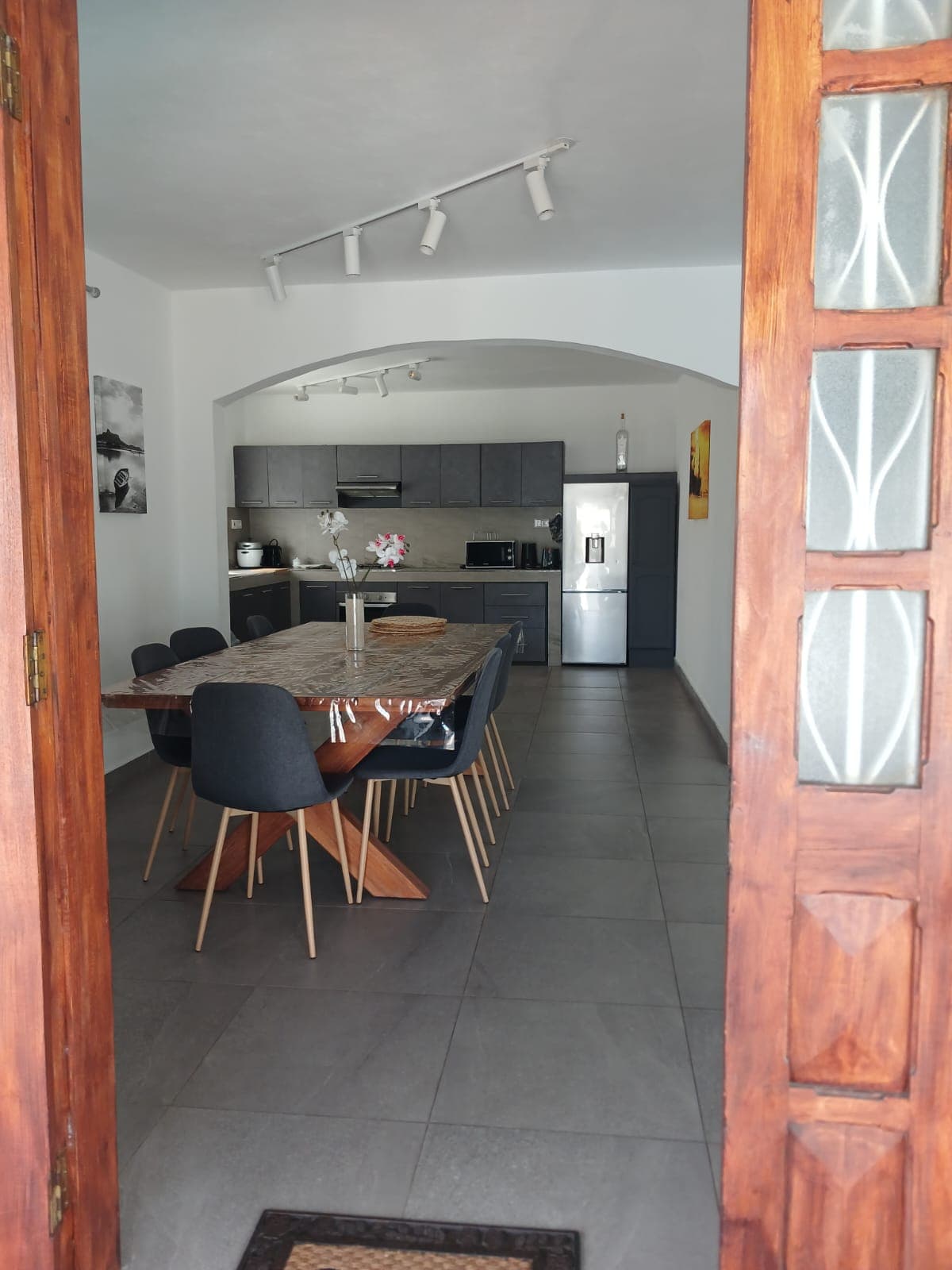
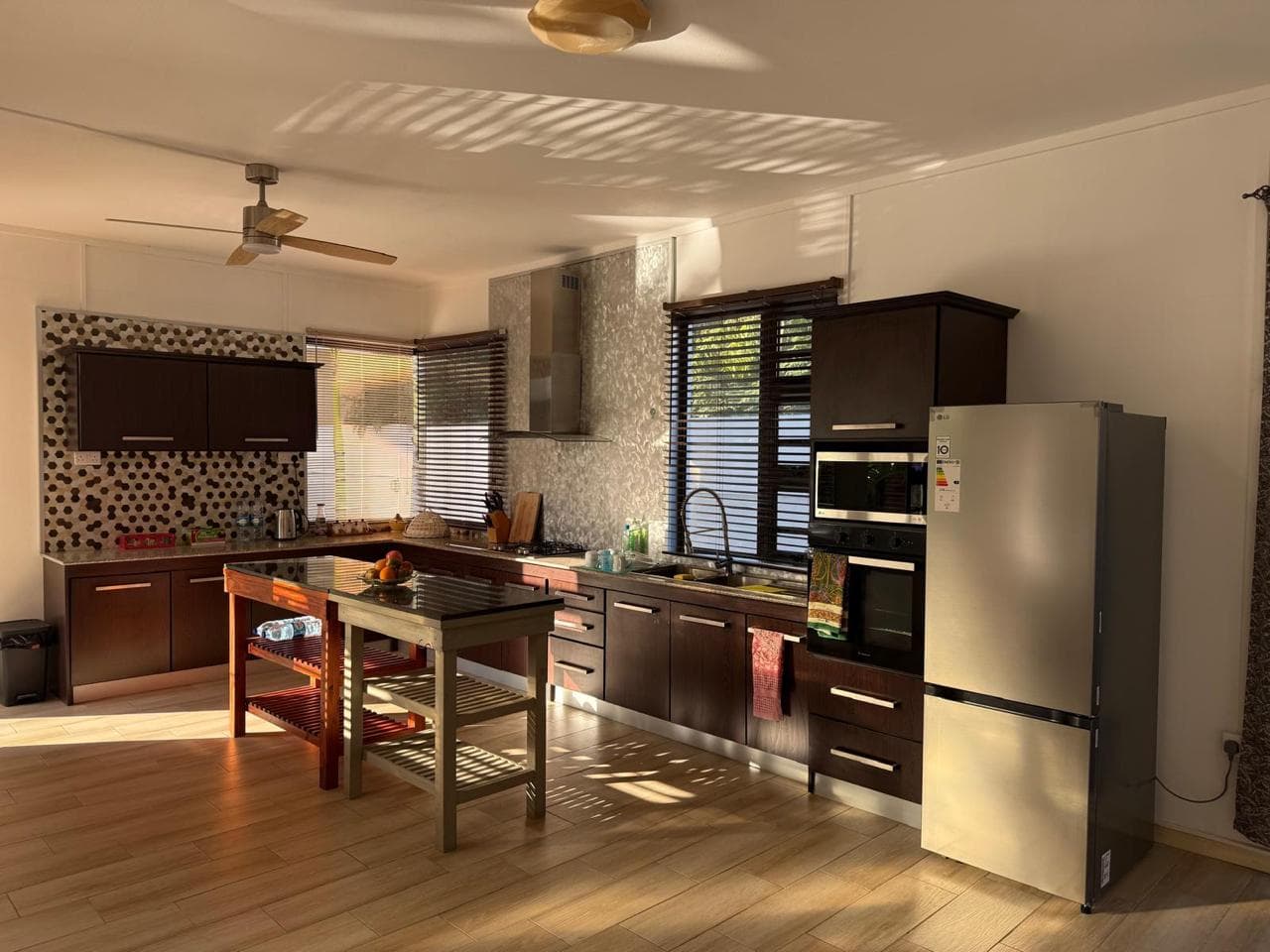
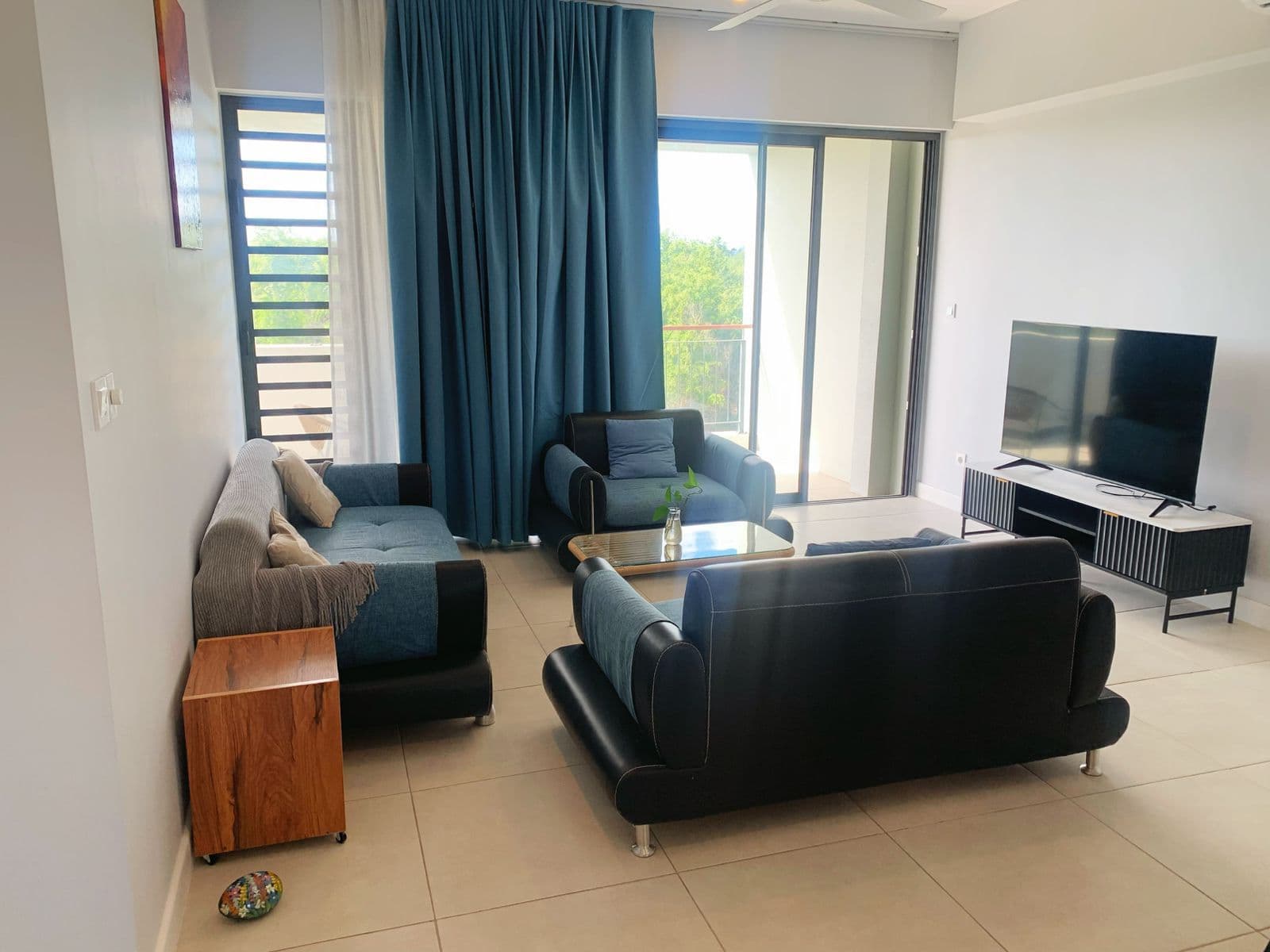
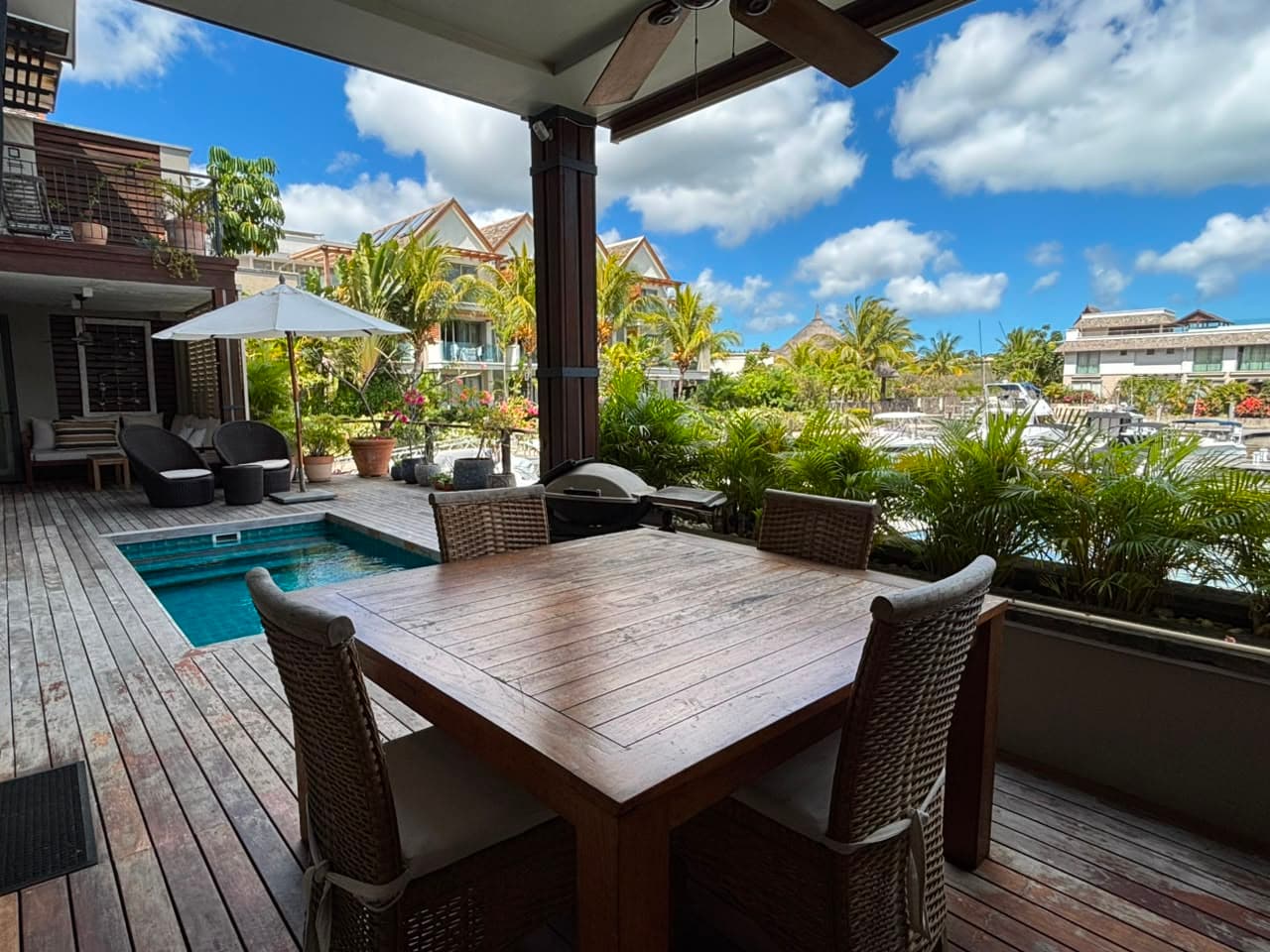
Ultimate Marina Lifestyle – Luxury Waterfront Residence, Private Mooring & Boat
44


Mauritius offers far more than a beautiful backdrop, with progressive personal tax rates (up to 35%) and a 15% corporate tax rate, no capital gains tax, and government-approved schemes that grant foreign buyers full property ownership and residency rights, it has become one of the most…
Mauritius has long captured the imagination of European travellers with its turquoise lagoons and year-round sunshine. But increasingly, it is attracting a sharper kind of attention — from investors and relocating professionals who recognise that this small island in the Indian Ocean punches well above its weight as a real estate destination. Whether you are looking for a holiday home, a rental income property, or a permanent relocation, understanding how the market works is essential before committing your capital.
Beyond the obvious lifestyle appeal, Mauritius offers a genuinely compelling economic environment. The island operates progressive personal income tax rates (0% to 35%), has no inheritance tax, no capital gains tax, and boasts a network of Double Taxation Agreements (DTAs) with over 40 countries, including the UK, France, and Germany. Its currency, the Mauritian Rupee, is freely convertible, and the country consistently ranks among Africa's top destinations for ease of doing business. For British and European investors accustomed to navigating complex tax environments at home, this simplicity is refreshing.
This is where many first-time buyers get confused, so let's be clear. Foreign nationals cannot purchase freehold land in Mauritius freely — but there are well-established, government-approved frameworks that make ownership entirely straightforward.
The primary route is through schemes designed specifically for international buyers:
Working with a reputable local agent and a qualified notaire (notary) is non-negotiable. All property transactions in Mauritius are handled by a notaire, and the conveyancing process, while different from the UK system, is transparent and well-regulated.
Location preference tends to align closely with lifestyle priorities.
Grand Baie and the North remain perennially popular for their vibrant social scene, water sports, and proximity to boutique restaurants and international schools. This is where you will find a strong rental market, particularly for short-term holiday lets.
Tamarin and the West Coast have emerged as a favourite among younger expats and surfers, with a relaxed, village atmosphere and some of the island's most dramatic sunsets. Developments like Tamarina Golf Estate attract buyers seeking privacy and green space.
Beau Champ and the East is home to the legendary Anahita and Heritage developments — established, prestigious communities with world-class golf and beach club access. These appeal to buyers seeking exclusivity and long-term capital stability.
Moka in the Central Plateau is gaining traction among families prioritising access to international schools and a cooler climate, with Smart City infrastructure making it an increasingly attractive long-term bet.
Buyers should budget for registration duties of 5% on the purchase price, plus notary fees of approximately 1–2%. Annual maintenance fees vary by development but typically range from EUR 2,000 to EUR 8,000 for resort-style properties, covering security, landscaping, and communal facilities. Property tax (land transfer tax) applies on resale. A local accountant familiar with both Mauritian and UK or EU tax obligations is a worthwhile investment from day one.
Well-positioned properties in established resort developments can generate gross rental yields of 4–7%, particularly where management is handled through an established on-site rental pool. The island welcomes over 1 million tourists annually, and demand for premium short-term accommodation continues to grow. Some PDS properties are explicitly designed with rental income in mind, offering turnkey management solutions for absentee owners.
For those considering a more permanent move, it is worth noting that purchasing a qualifying property under the PDS effectively unlocks Mauritian residency — a growing draw in a post-pandemic world where location flexibility has become a genuine priority for high-net-worth individuals and remote workers alike.
Mauritius rewards informed investors who take the time to understand its unique framework. The combination of tax efficiency, lifestyle quality, and legal security makes it one of the most attractive real estate markets available to British and European buyers today.
Ready to explore your options? Browse our curated selection of approved developments and resale properties at PropertyFinder Mauritius — where our team of local experts is on hand to guide you from first enquiry to signed deed.
Hand-picked
Riviere Noire · West
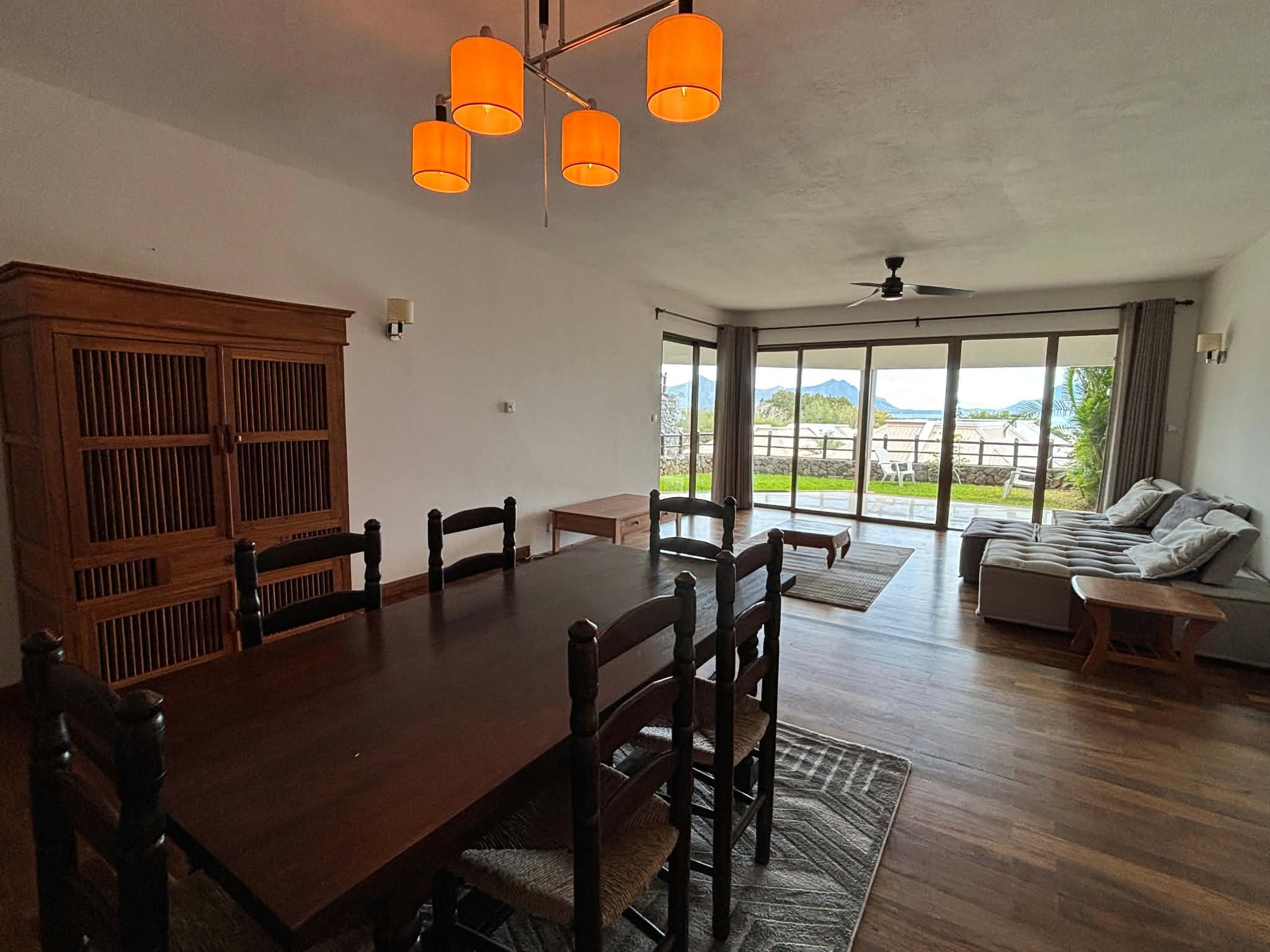
Tamarin · West


Baie du Cap · South

Baie du Cap · South

Riviere Noire · West

Tamarin · West
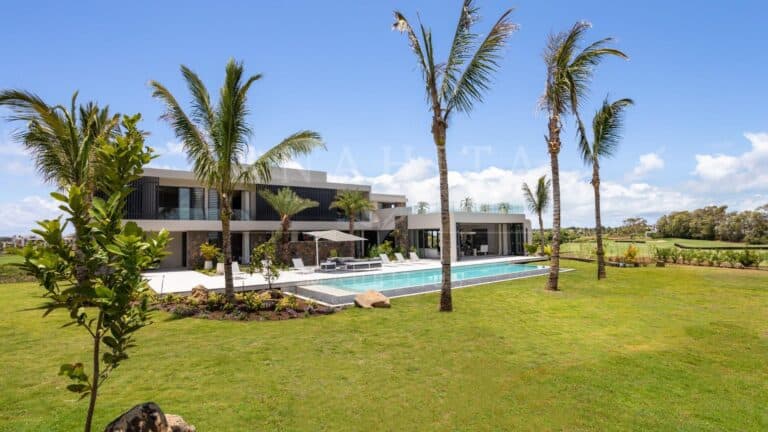
Beau Champ · East
Explore by region
Explore the site
Market updates, buying guidance and the best new listings, straight to your inbox.
Mauritius Real Estate · 2 Nov 2026
How to get a skipper licence in Mauritius, register a pleasure craft, and own a boat as a foreign resident. Fees, exams, insurance and marina…
Mauritius Real Estate · 29 Oct 2026
Discover what it's like to live in Phoenix, Mauritius. Location, amenities, lifestyle, and property options including apartments and houses for sale.
Mauritius Real Estate · 29 Oct 2026
Explore mansions for sale in Mauritius: locations, price ranges, legal frameworks for foreign buyers, and what to expect from the top end of the…
Mauritius Real Estate · 29 Oct 2026
A practical guide to the cost in Mauritius covering housing, food, transport, utilities and taxes to help expats and buyers plan their move.
Mauritius Real Estate · 28 Oct 2026
Looking for lexpress mauritius property listings? Explore verified property for sale in Mauritius, area guides, market news and the best deals…
Mauritius Real Estate · 28 Oct 2026
Use a lease calculator in Mauritius to estimate monthly rent, total lease cost, stamp duty, and VAT. Plain-English guide for tenants and landlords.
Browse our current listings or speak to an agent.