FOR RENTExpat
Rs450K/mo
Riviere Noire · West
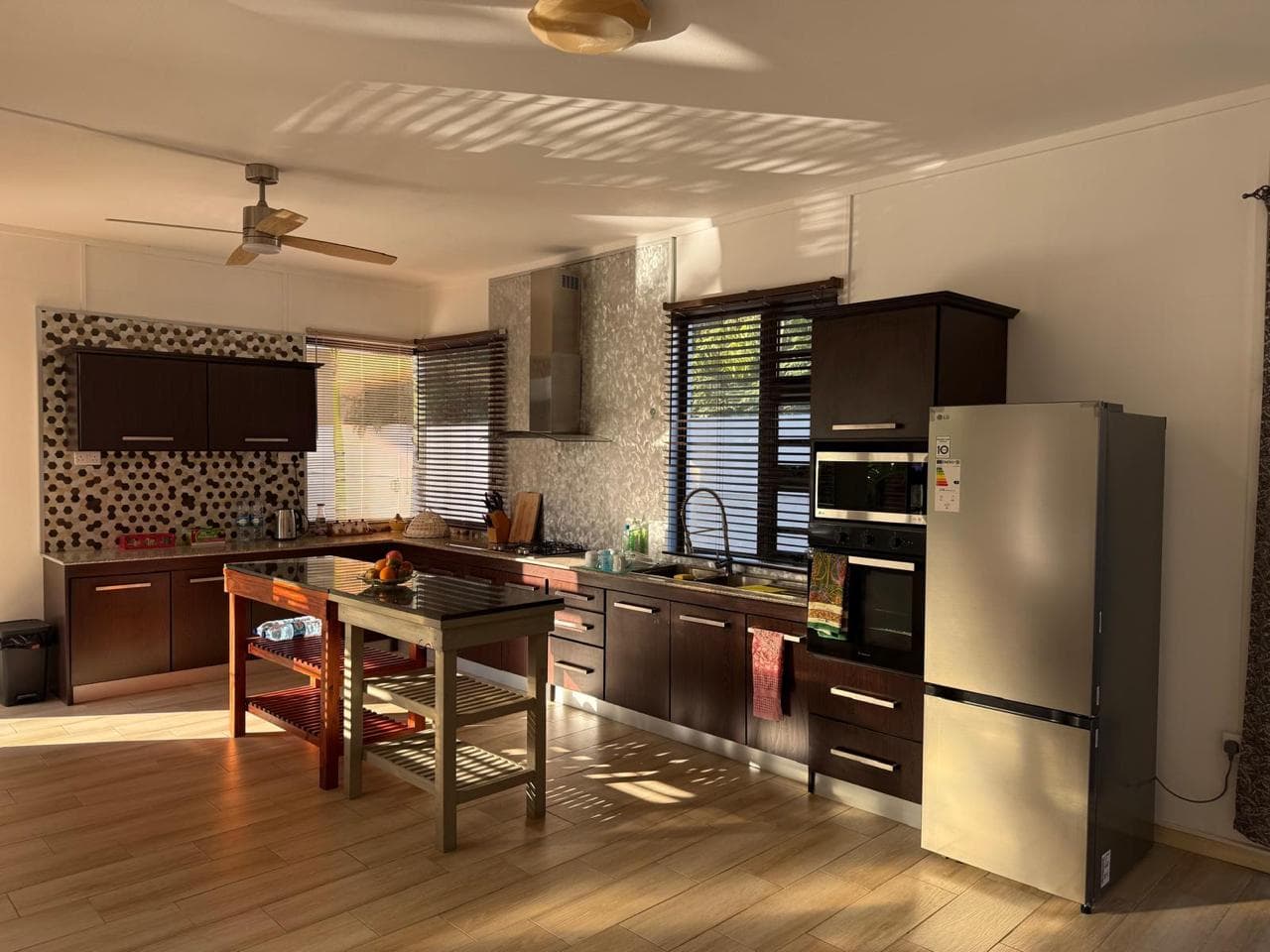
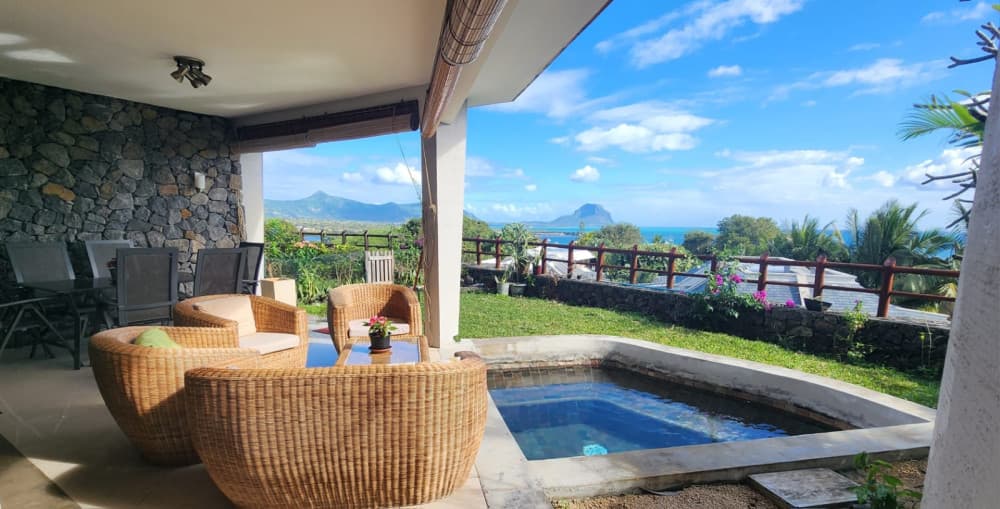
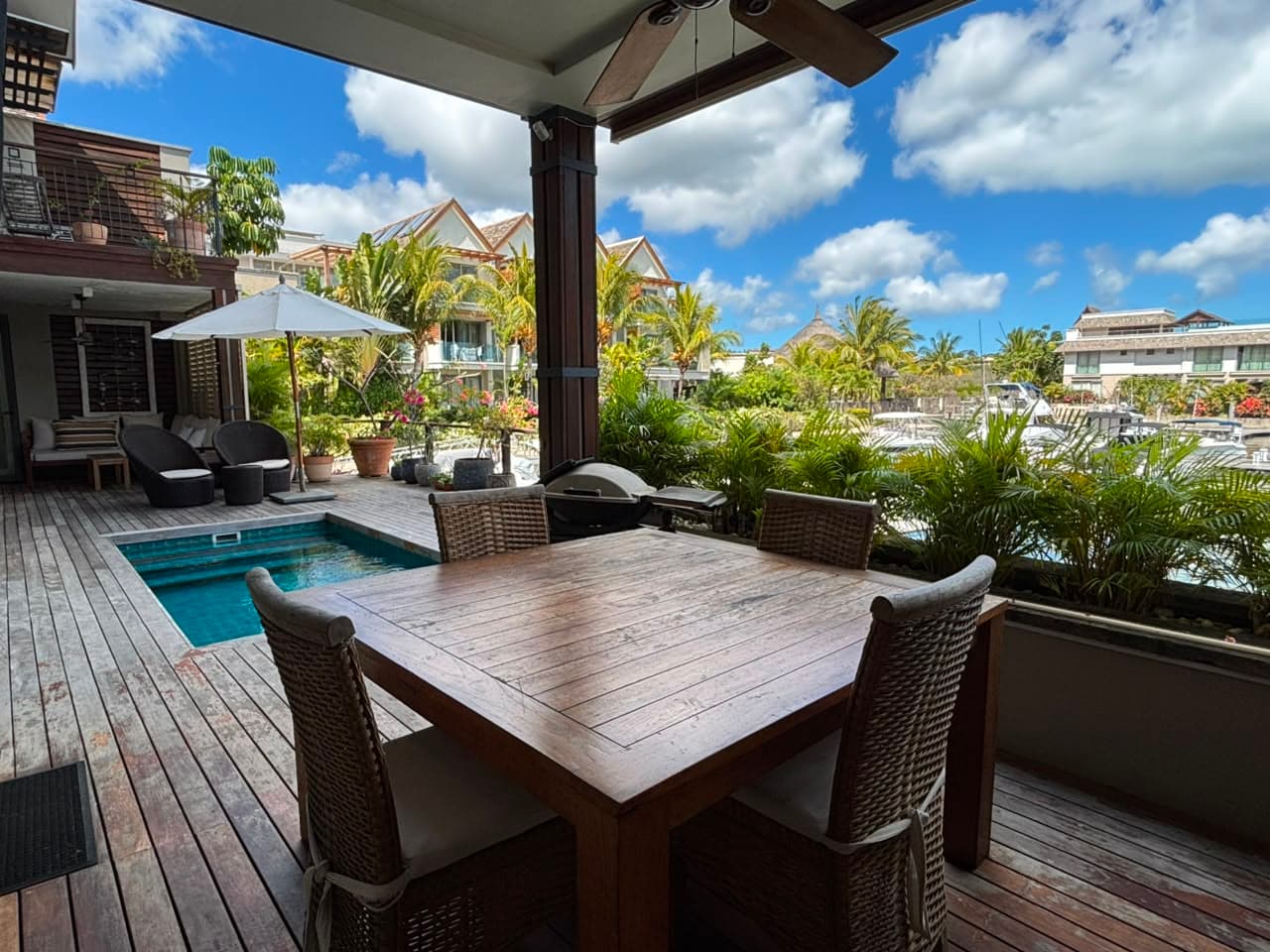
Ultimate Marina Lifestyle – Luxury Waterfront Residence, Private Mooring & Boat
44


From world-class healthcare and exceptional safety to a year-round tropical climate and strong property investment opportunities, Mauritius offers Europeans one of the most rewarding relocation destinations in the world. This guide covers everything you need to know about day-to-day liv…
For British and European expats weighing up a move abroad, few destinations tick as many boxes as Mauritius. This small island nation in the Indian Ocean offers a compelling blend of tropical beauty, political stability, modern infrastructure, and a genuinely welcoming culture. But beyond the postcard scenery, what are the day-to-day living conditions really like? Here is everything you need to know before making your move.
Mauritius enjoys a tropical maritime climate, which means warm temperatures year-round, tempered by refreshing trade winds. The island experiences two main seasons: a warm, humid summer from November to April, with average temperatures around 30°C, and a cooler, drier winter from May to October, when temperatures dip to a comfortable 22–25°C. The west and north coasts — home to some of the island's most sought-after residential areas — tend to be sunnier and drier than the mountainous centre and east coast. For most Europeans, the climate alone represents a transformative upgrade in quality of life.
Healthcare in Mauritius is one of the island's most underappreciated strengths. The public healthcare system is free for all residents, including expatriates holding a valid residence permit, and the quality of care is considered among the best in Africa. Several private hospitals, including the well-regarded Wellkin Hospital and C-Care Clinics, offer world-class facilities with internationally trained specialists. Many expats opt for private health insurance to access these private facilities with shorter waiting times. For those purchasing property under the Premium Visa or Occupation Permit schemes, access to both public and private healthcare is seamless.
Mauritius consistently ranks as one of the safest countries in Africa and the Indian Ocean region. The 2024 Global Peace Index places it comfortably among the continent's most peaceful nations. Petty crime exists, as it does anywhere, but violent crime is rare and expats generally report feeling extremely safe — even in urban areas like Port Louis or Quatre Bornes. This sense of security is a significant draw for families with children and retirees alike, and it underpins the island's growing reputation as a premium destination for long-term property investment.
The cost of living in Mauritius is nuanced. Locally produced goods — fresh fruit, vegetables, fish, and street food — are remarkably affordable. However, imported goods, many European brands, and luxury items attract high import duties and can be considerably more expensive than in the UK or France. Dining out ranges from inexpensive local restaurants called dholl puri stalls to world-class fine dining establishments in Grand Baie and Tamarin. Monthly living costs for a couple living comfortably, excluding rent, typically range between £1,800 and £3,500 depending on lifestyle choices.
Residential property remains strong value relative to comparable island destinations such as the Maldives or Caribbean. With the Mauritian government's Property Development Scheme (PDS) and Smart City Scheme, overseas buyers can legally purchase property and automatically qualify for a residence permit when investing above USD 375,000.
Mauritius has a well-developed education system with both state schools and a growing number of private and international institutions. Schools such as Northfields International High School and the International Preparatory School offer British and IB curricula, making the transition smooth for families relocating from the UK or Europe. The multicultural nature of Mauritian society — a harmonious blend of Hindu, Muslim, Creole, and Chinese communities — creates an enriching environment for children to grow up in.
Despite its small size, Mauritius punches well above its weight in terms of infrastructure. The road network is well maintained, and the newly expanded Metro Express light rail system now connects Port Louis to Curepipe. High-speed fibre broadband is widely available, and Sir Seewoosagur Ramgoolam International Airport offers direct flights to London, Paris, and major European hubs. Remote workers and entrepreneurs will find the connectivity more than adequate, and the island's favourable Global Business tax regime makes it an attractive base for international business.
Perhaps above all else, what defines living conditions in Mauritius is the quality of life. Weekend beach barbecues, sailing in the turquoise lagoon, hiking the Black River Gorges National Park, and evenings at lively beachside restaurants in Flic en Flac — this is the texture of daily life here. The pace is unhurried, the community is warm, and the natural environment is extraordinary.
For expats and investors from Britain and Europe, Mauritius represents something genuinely rare: a place where lifestyle and long-term financial security can grow in the same soil.
Thinking about making Mauritius your next home or investment destination? Explore our curated selection of luxury villas, apartments, and beachfront properties at PropertyFinder Mauritius — your trusted guide to finding the perfect property on the island.
Hand-picked
Riviere Noire · West

Baie du Cap · South
Tamarin · West
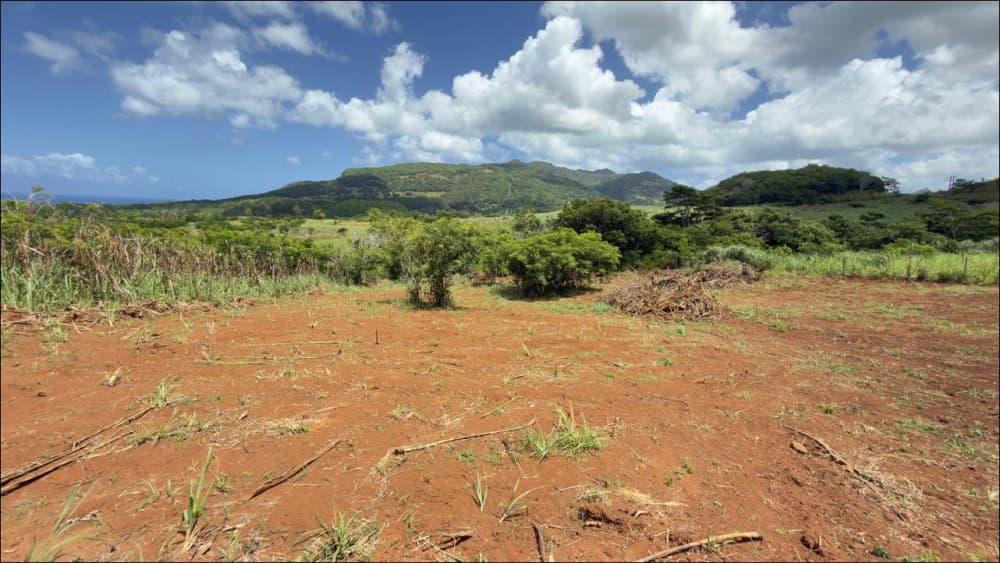
Baie du Cap · South
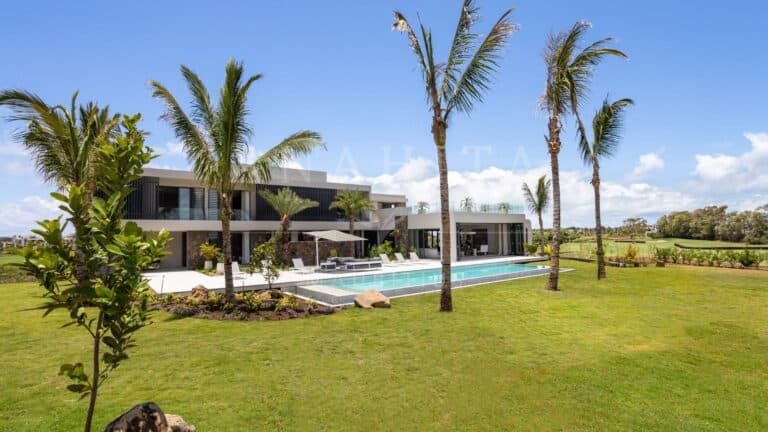
Beau Champ · East
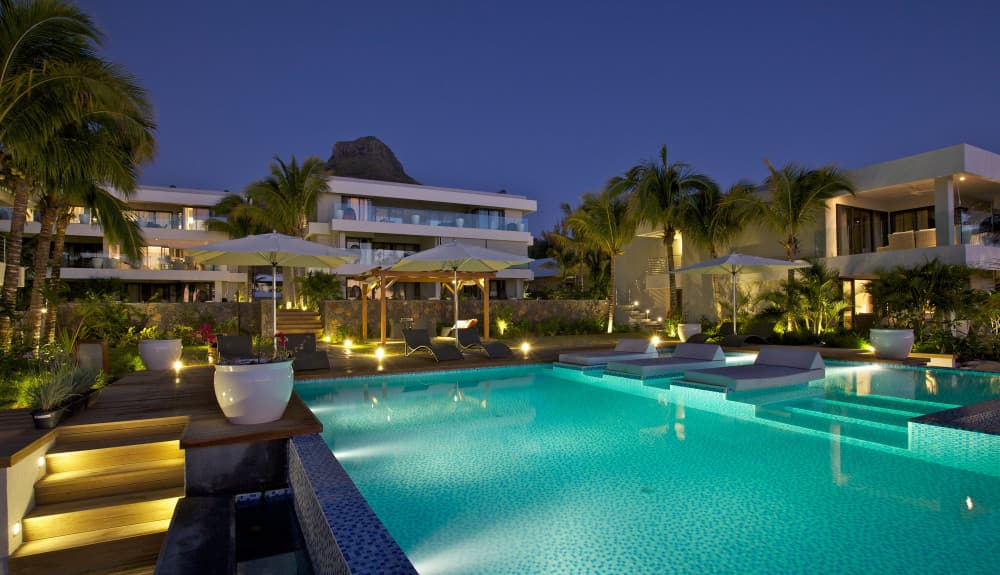
Riviere Noire · West
Explore by region
Explore the site
Market updates, buying guidance and the best new listings, straight to your inbox.
About Mauritius · 28 Aug 2024
Mauritius is one of the safest islands in the Indian Ocean, but that doesn't stop savvy expats from seeking out martial arts and self-defense…
About Mauritius · 26 Aug 2024
Mauritius may be a small island, but its bookshops and online literary scene offer a surprisingly rich experience for expats and book lovers calling…
About Mauritius · 23 Aug 2024
From the UNESCO-listed heights of Le Morne Brabant to the vibrant streets of Grand Baie and the wild interior of Black River Gorges, Mauritius…
About Mauritius · 22 Aug 2024
The Mauritian Wildlife Foundation has spent four decades rescuing the island's rarest species and restoring its native ecosystems — and for those…
About Mauritius · 21 Aug 2024
The brilliantly coloured Mauritius day gecko is far more than a garden curiosity — as a native pollinator, seed disperser, and natural pest…
About Mauritius · 13 Aug 2024
Off the southwestern tip of Mauritius, an extraordinary optical illusion makes the Indian Ocean appear to cascade into an endless abyss — and a…
Browse our current listings or speak to an agent.