FOR RENTExpat
Rs450K/mo
Riviere Noire · West
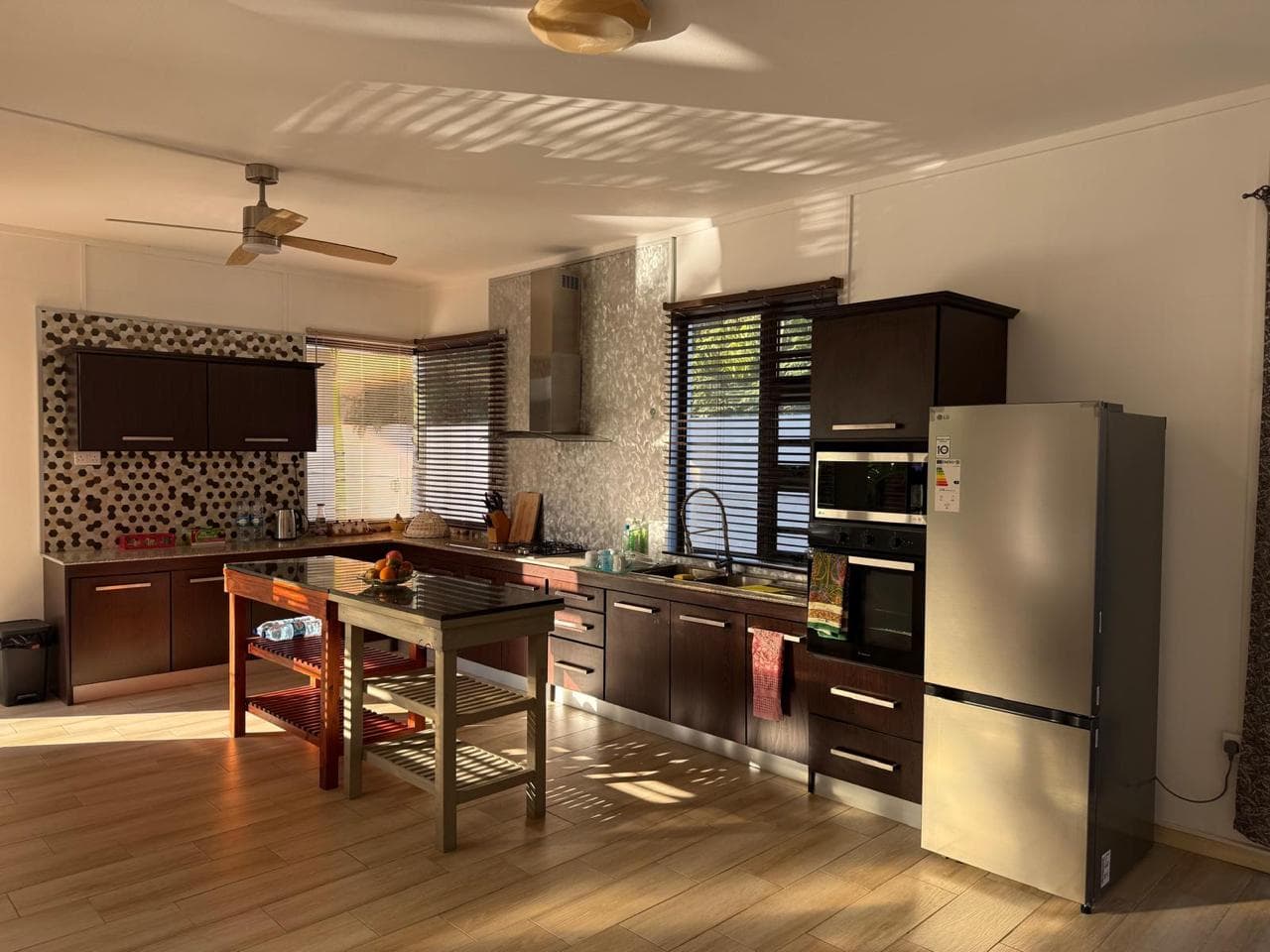
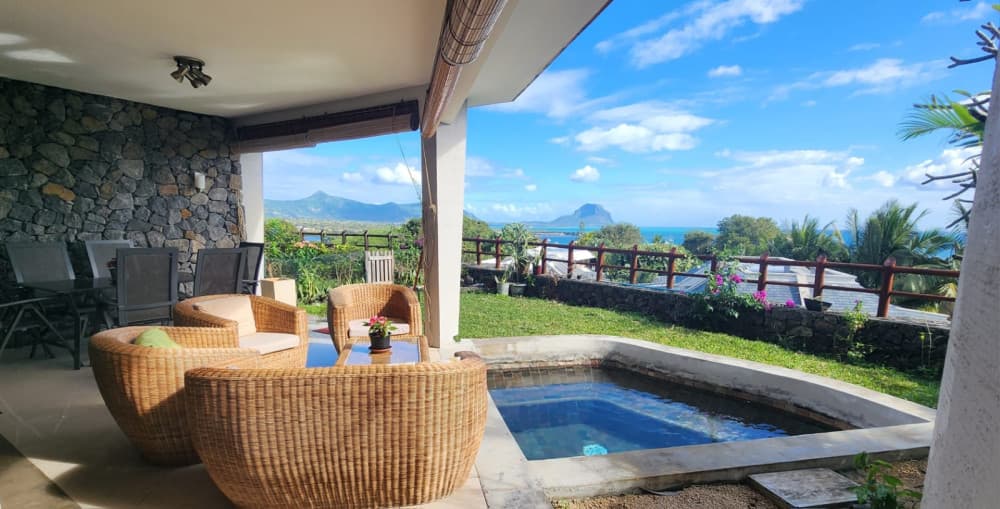
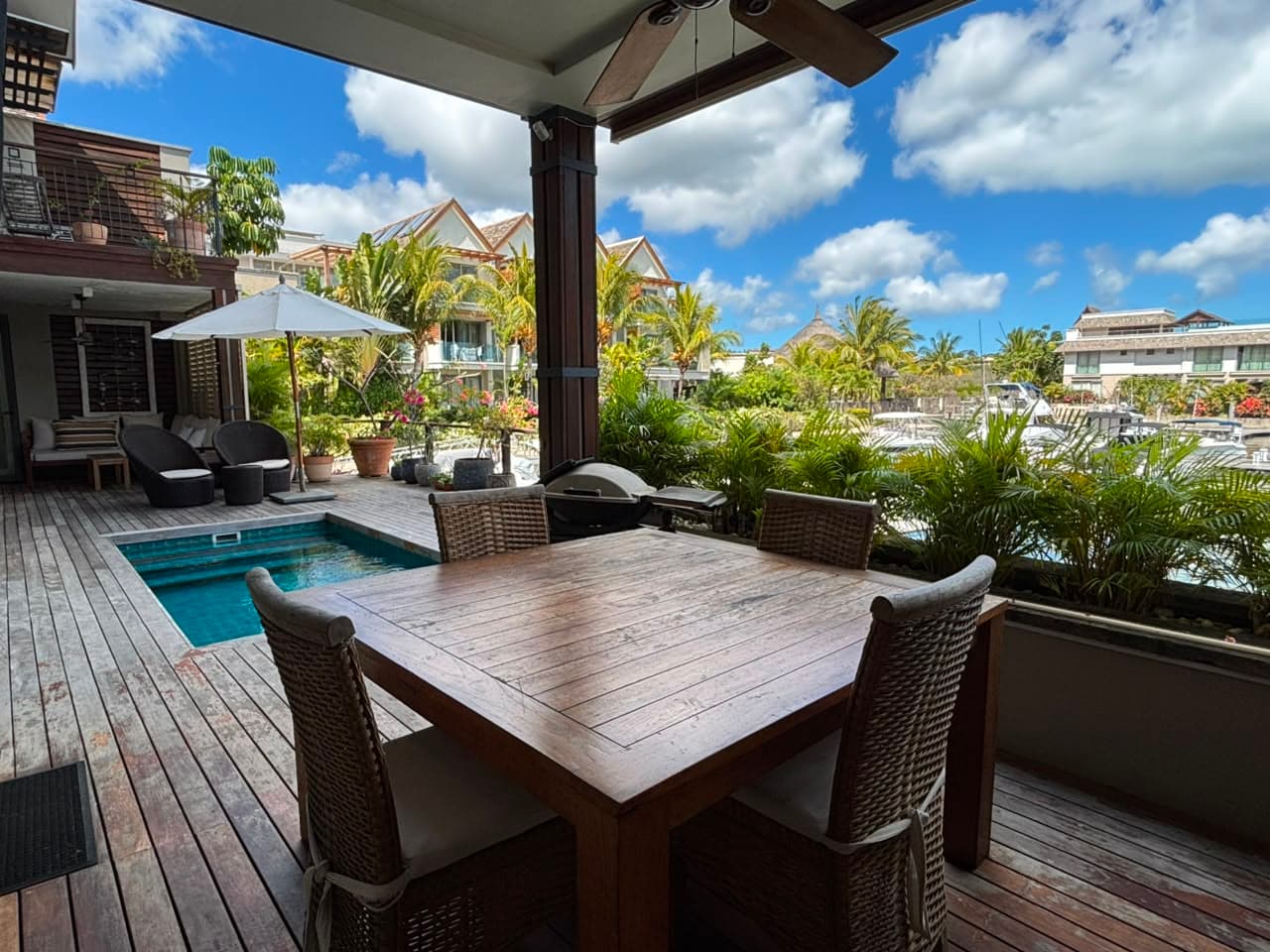
Ultimate Marina Lifestyle – Luxury Waterfront Residence, Private Mooring & Boat
44


Mauritius is a geologically extinct volcanic island whose dramatic origins — from ancient lava flows to iconic craters — have shaped the very landscapes that make it one of the Indian Ocean's most desirable places to live and invest. Discover the fascinating volcanic history beneath thi…
Mauritius is one of the Indian Ocean's most coveted destinations — a place where turquoise lagoons meet lush interior highlands, where colonial architecture sits beside contemporary villas, and where a remarkable geological story lies quietly beneath the surface. For those considering property investment or a new life on this extraordinary island, understanding its volcanic origins adds a compelling layer of depth to the Mauritian experience.
Mauritius is, at its core, a volcanic island. It emerged from the floor of the Indian Ocean approximately 7 to 8 million years ago, the result of volcanic activity associated with what geologists call a hotspot — a plume of superheated mantle rock that punches through the Earth's crust as tectonic plates drift across it. The same hotspot is responsible for the chain of Mascarene Islands, which includes Réunion to the southwest and the now-submerged Saya de Malha Bank.
Unlike the dramatic, still-active peaks of neighbouring Réunion — where Piton de la Fournaise erupts with spectacular regularity — Mauritius is considered geologically extinct. Its last volcanic activity is believed to have occurred roughly 25,000 years ago, making it one of the older, more geologically settled islands in the region.
The island's volcanic past has sculpted every aspect of its terrain. The Central Plateau, sitting at elevations between 300 and 800 metres, was formed by successive lava flows that built up the island's interior over millions of years. Iconic peaks such as Le Pouce (812m), Pieter Both (823m), and the dramatic Trois Mamelles are all remnants of ancient volcanic plugs — the hardened cores of long-dormant volcanoes.
The famous Trou aux Cerfs crater in Curepipe is perhaps the most visible reminder of Mauritius's fiery past. This dormant volcanic crater, roughly 100 metres deep and 200 metres in diameter, is now a serene, forested hollow that visitors can walk around at its rim, gazing down into a lush green bowl. It's a quietly remarkable feature sitting in the heart of one of Mauritius's most established residential towns — a reminder that even in the most civilised of settings, nature's power underpins it all.
Volcanism has given Mauritius two of its most defining physical characteristics. The island is strewn with black basalt rock — the cooled remnant of ancient lava flows — which gives the landscape a rugged, textured beauty, particularly in the agricultural heartland of the interior. Drive through the sugarcane fields of the Plaine Champagne or along the coast near Mahébourg, and you'll see volcanic boulders punctuating the scenery at every turn.
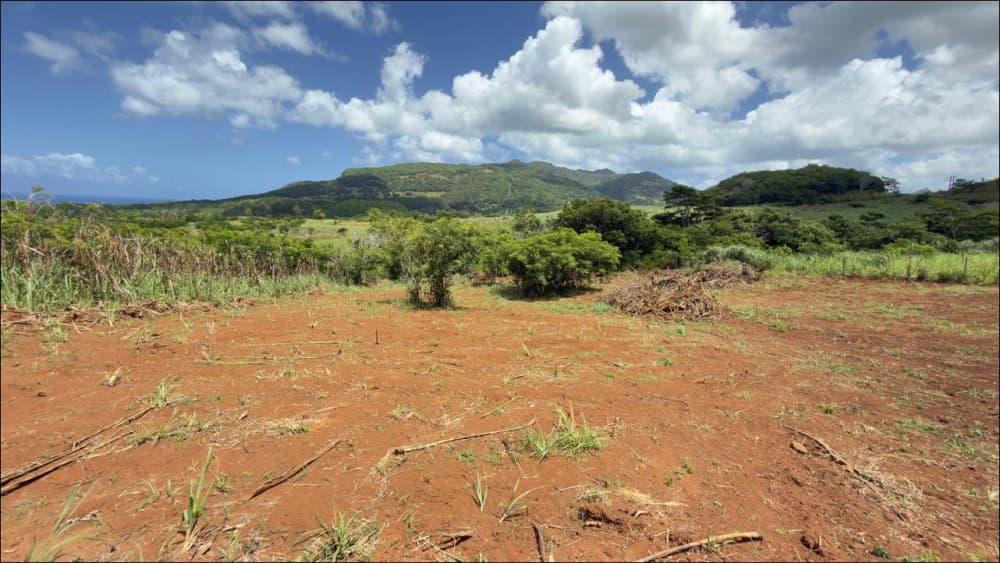
Equally significant is Mauritius's celebrated red laterite soil, formed over millennia through the chemical weathering of volcanic rock. This intensely mineral-rich earth is what allowed the island's sugarcane industry to flourish for centuries, and it continues to support the lush tropical vegetation — flamboyant trees, vanilla orchids, endemic ebony forests — that makes the Mauritian landscape so visually extraordinary. For those investing in villa developments or private estates, particularly in areas like Tamarin, Bel Ombre, or the East Coast, this volcanic soil also supports some of the island's most spectacular landscaped gardens.
This is, understandably, a question that prospective residents and property investors ask. The answer is reassuring: Mauritius presents no credible volcanic risk. The island's hotspot has moved on geologically speaking, and there is no recorded seismic or volcanic activity of consequence in modern history. The Mauritius Meteorological Services monitor the broader region, but the island itself sits well outside any active volcanic zone.
By contrast, Réunion — though similarly beautiful — hosts one of the world's most active volcanoes. The geological maturity of Mauritius is, in many ways, a mark in its favour: a fully formed, stable landmass with extraordinary natural scenery and none of the ongoing geological volatility found elsewhere in the Mascarenes.
There is something grounding about knowing that the island you're choosing to call home — or to invest in — was forged by one of nature's most powerful forces and has had millions of years to settle into the paradise it is today. The volcanic legacy of Mauritius is not a risk factor; it is a gift. It is the reason the island is so green, so geologically diverse, and so breathtakingly beautiful.
From the crater-framed highlands of Curepipe to the black-rock coastlines of the west, this volcanic heritage is woven into every view, every soil type, and every landscape that makes Mauritian property so desirable.
Thinking about making Mauritius your home or investment destination? Explore our curated portfolio of luxury villas, seafront apartments, and IRS/PDS properties at PropertyFinder Mauritius — where island living meets exceptional opportunity.
Hand-picked
Riviere Noire · West

Baie du Cap · South
Tamarin · West
Baie du Cap · South
Beau Champ · East
Riviere Noire · West
Explore by region
Explore the site
Market updates, buying guidance and the best new listings, straight to your inbox.
About Mauritius · 28 Aug 2024
Mauritius is one of the safest islands in the Indian Ocean, but that doesn't stop savvy expats from seeking out martial arts and self-defense…
About Mauritius · 26 Aug 2024
Mauritius may be a small island, but its bookshops and online literary scene offer a surprisingly rich experience for expats and book lovers calling…
About Mauritius · 23 Aug 2024
From the UNESCO-listed heights of Le Morne Brabant to the vibrant streets of Grand Baie and the wild interior of Black River Gorges, Mauritius…
About Mauritius · 22 Aug 2024
The Mauritian Wildlife Foundation has spent four decades rescuing the island's rarest species and restoring its native ecosystems — and for those…
About Mauritius · 21 Aug 2024
The brilliantly coloured Mauritius day gecko is far more than a garden curiosity — as a native pollinator, seed disperser, and natural pest…
About Mauritius · 13 Aug 2024
Off the southwestern tip of Mauritius, an extraordinary optical illusion makes the Indian Ocean appear to cascade into an endless abyss — and a…
Browse our current listings or speak to an agent.