FOR RENTExpat
Rs450K/mo
Riviere Noire · West
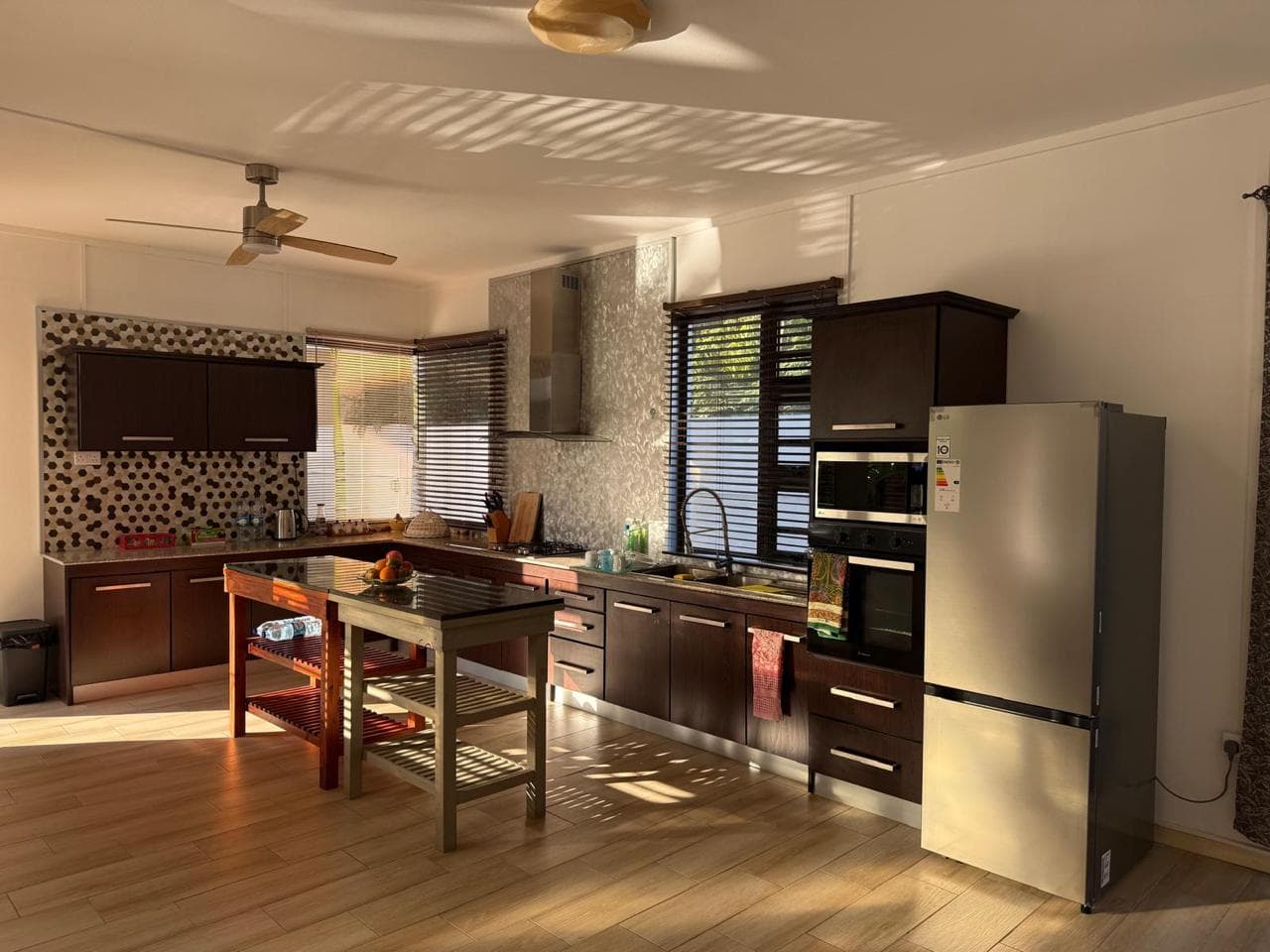
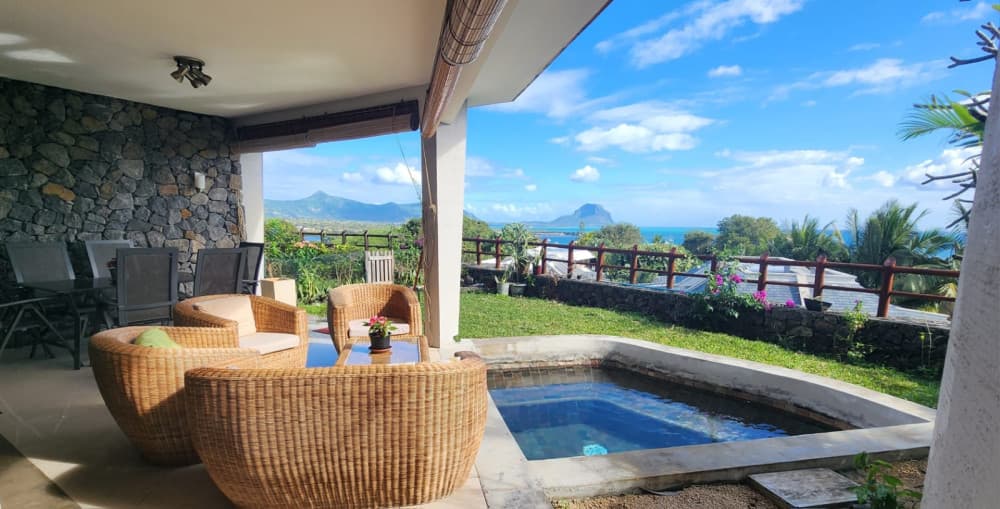
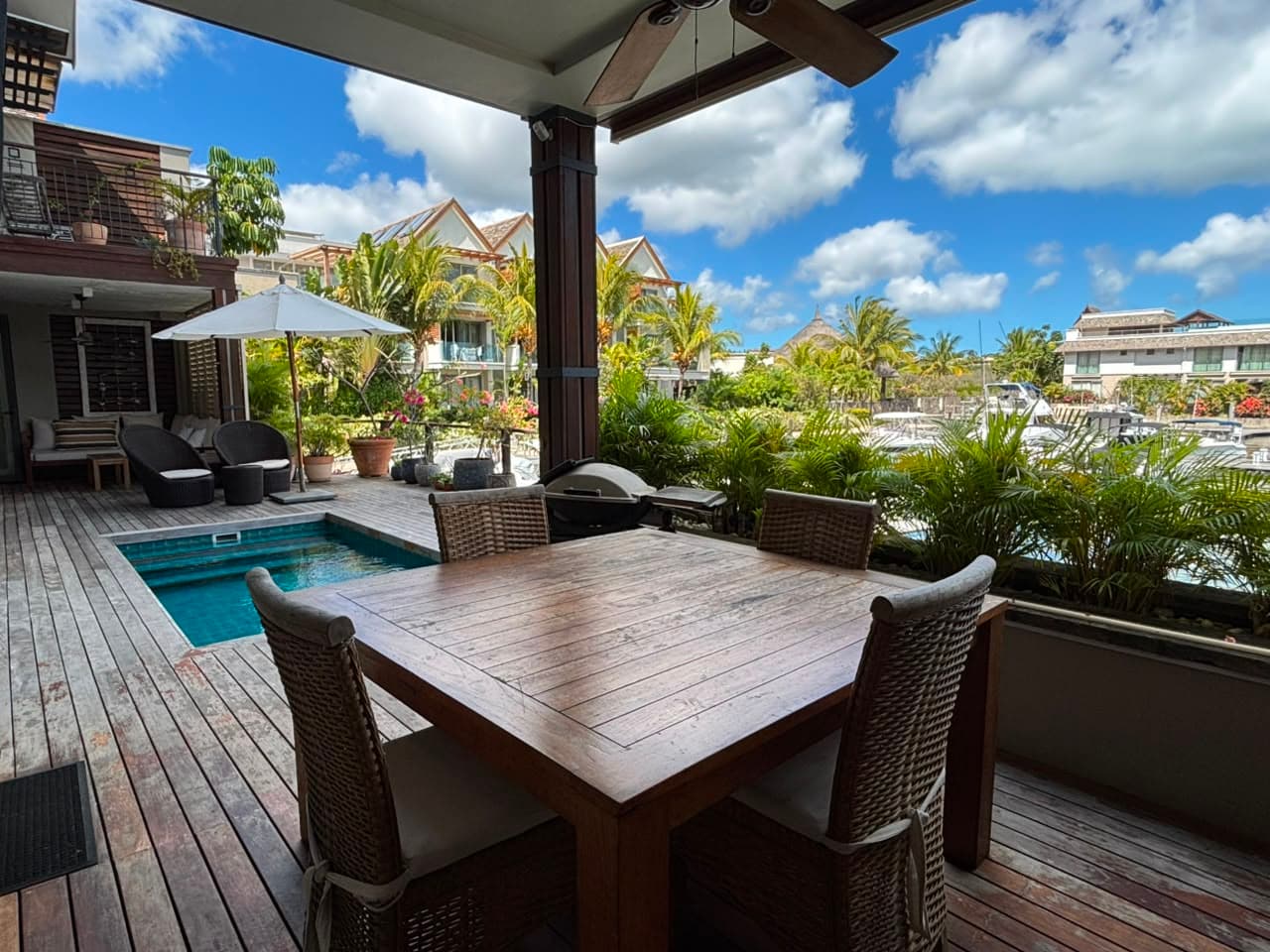
Ultimate Marina Lifestyle – Luxury Waterfront Residence, Private Mooring & Boat
44

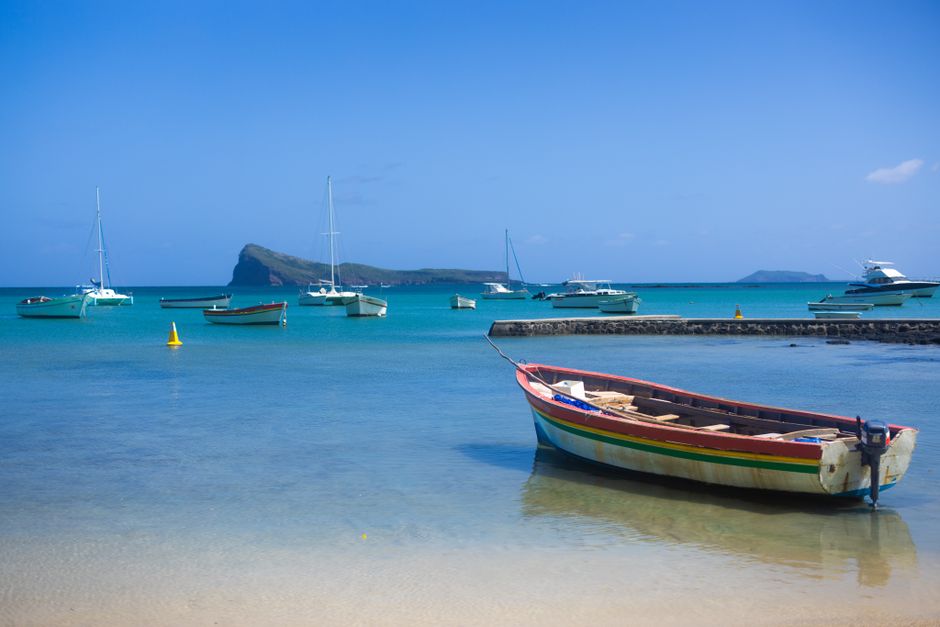
Getting around Mauritius is easier than you might think, with an extensive bus network, reliable taxis, and ride-hailing options covering the island. This guide walks expats and new residents through everything they need to know about local transport — and how your choice of location ca…
One of the first things expats and new residents quickly discover about Mauritius is that getting around the island is an adventure in itself. From colourful buses winding through sugar cane fields to taxis parked outside beachfront villages, the local transport network is rich with character — and with a little know-how, it becomes surprisingly easy to master. Whether you're visiting for the first time or settling into your new island life, here's everything you need to know about navigating Mauritius like a local.
Mauritius has one of the most extensive public bus networks in the Indian Ocean region, operated primarily by four companies: the National Transport Corporation (NTC), Rose Hill Transport (RHT), Triolet Bus Service (TBS), and United Bus Service (UBS). Between them, they cover virtually every corner of the island, making buses the most affordable way to travel.
Fares are exceptionally reasonable — a typical journey rarely exceeds 50 rupees (around £0.90) — and buses run from roughly 5:30am until 11pm. The main bus terminals are located in Port Louis (Immigration Square and Victoria Square), Rose Hill, Curepipe, and Quatre Bornes, serving as interchange hubs for routes across the island.
A word of advice: bus stops are often unmarked, and timetables can be difficult to track down online. The best approach is to ask locals or use the MauBus app, which provides real-time route information and is a genuine game-changer for new residents. Peak hours — typically 7am to 9am and 4pm to 6pm — can see buses become extremely crowded, so if you're commuting regularly, factor that into your morning routine.
For greater flexibility, taxis are widely available and relatively affordable by European standards. There are two main types to be aware of:
For expats living in areas like Grand Baie, Tamarin, or Beau Bassin, having a trusted taxi driver on speed dial is genuinely useful for airport runs, medical appointments, or late-night returns from dinner. Many drivers speak excellent English and French, and it's common to build a reliable relationship with one or two regular drivers.
If you're planning a longer stay or have relocated permanently, renting or purchasing a car offers the most independence. Mauritius drives on the left-hand side of the road — a welcome familiarity for British expats — and international driving licences are accepted for stays of up to one year.
Roads in tourist areas are generally well-maintained, though inland and mountain routes can be narrow and winding. Petrol stations are plentiful, and signage has improved significantly in recent years. Do be mindful of speed cameras, which are widespread, and the strictly enforced drink-driving laws.
For those investing in property in areas such as Rivière Noire, Moka, or the East Coast, having your own vehicle is less a luxury and more a practical necessity — particularly if your villa or apartment sits within one of the island's increasingly popular Integrated Resort Schemes (IRS) or Smart City developments, which tend to be set away from public transport routes.
Uber launched in Mauritius in 2018 and has since become a reliable option in urban areas and tourist corridors. The app works exactly as you'd expect, with upfront pricing and cashless payment — ideal for expats still finding their bearings. It's particularly popular in Port Louis and the northern coastal belt.
Electric scooter hire is also beginning to emerge in busier areas, and cycling infrastructure, while still developing, is improving steadily, especially along coastal paths in the north and west.
Understanding how to move around Mauritius with ease is a surprisingly important part of settling in — and it directly influences where you choose to live. Properties with easy access to the M2 motorway or within walking distance of town centres naturally command a premium for good reason.
At PropertyFinder Mauritius, we help British and European buyers find homes that suit not just their taste, but their lifestyle. Whether you're looking for a sea-view apartment in Grand Baie or a villa in the peaceful hills of Moka, our team can guide you towards properties in locations that make daily life genuinely enjoyable. Explore our listings today and let us help you find your perfect address on this remarkable island.
Hand-picked
Riviere Noire · West

Baie du Cap · South

Tamarin · West

Baie du Cap · South
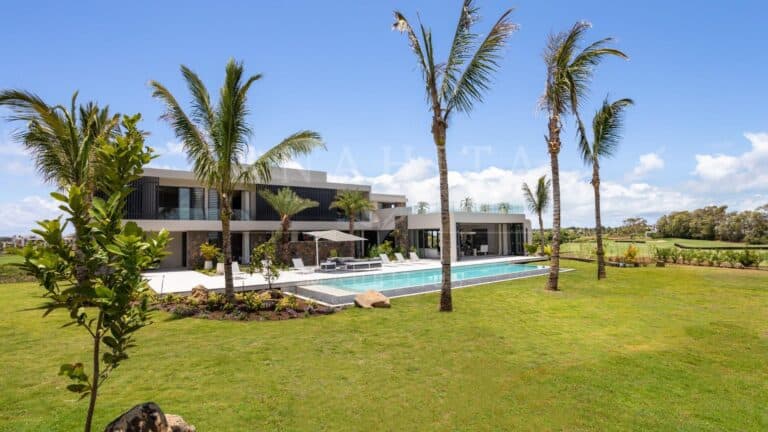
Beau Champ · East
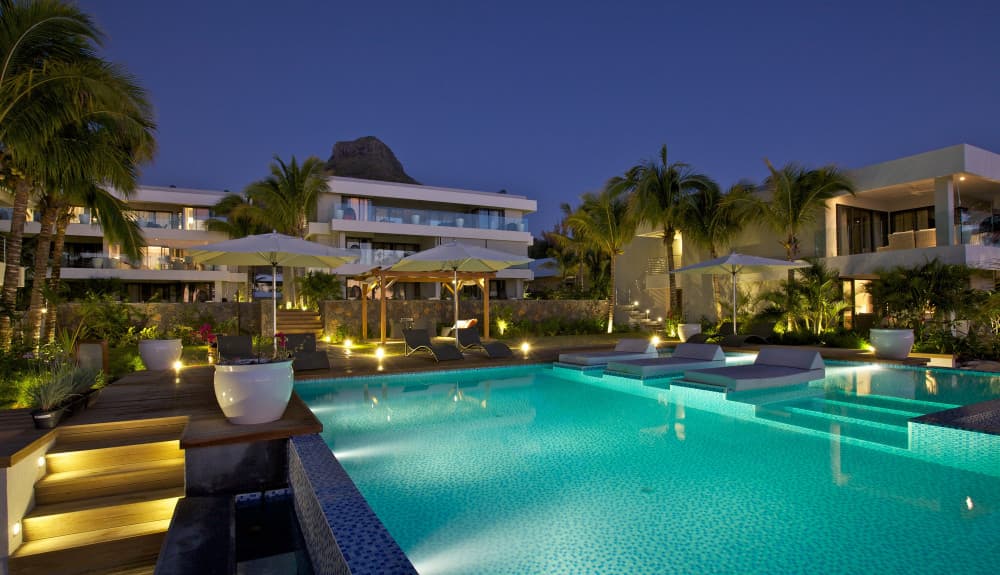
Riviere Noire · West
Explore by region
Explore the site
Market updates, buying guidance and the best new listings, straight to your inbox.
About Mauritius · 28 Aug 2024
Mauritius is one of the safest islands in the Indian Ocean, but that doesn't stop savvy expats from seeking out martial arts and self-defense…
About Mauritius · 26 Aug 2024
Mauritius may be a small island, but its bookshops and online literary scene offer a surprisingly rich experience for expats and book lovers calling…
About Mauritius · 23 Aug 2024
From the UNESCO-listed heights of Le Morne Brabant to the vibrant streets of Grand Baie and the wild interior of Black River Gorges, Mauritius…
About Mauritius · 22 Aug 2024
The Mauritian Wildlife Foundation has spent four decades rescuing the island's rarest species and restoring its native ecosystems — and for those…
About Mauritius · 21 Aug 2024
The brilliantly coloured Mauritius day gecko is far more than a garden curiosity — as a native pollinator, seed disperser, and natural pest…
About Mauritius · 13 Aug 2024
Off the southwestern tip of Mauritius, an extraordinary optical illusion makes the Indian Ocean appear to cascade into an endless abyss — and a…
Browse our current listings or speak to an agent.