FOR RENTExpat
Rs450K/mo
Riviere Noire · West
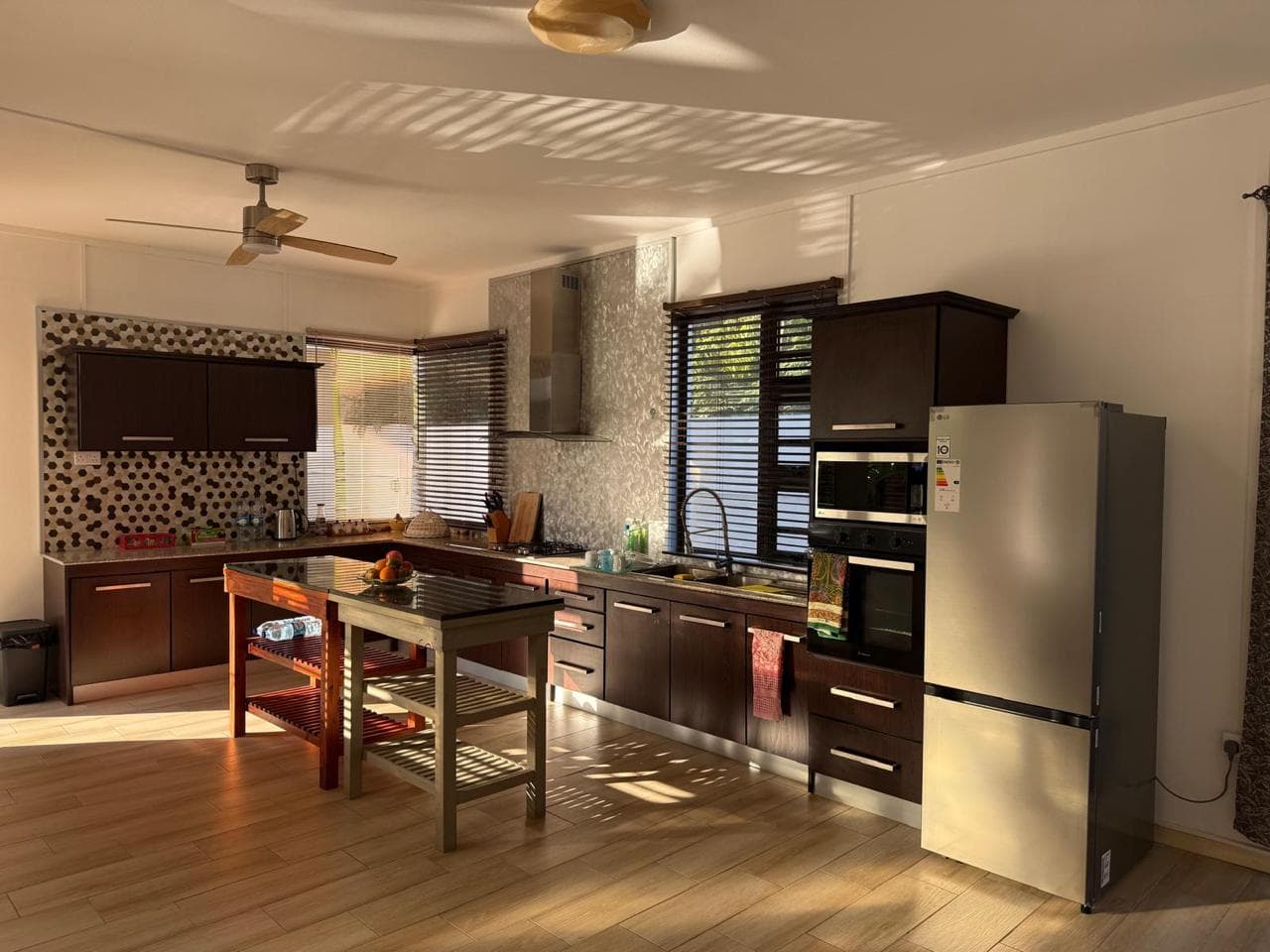
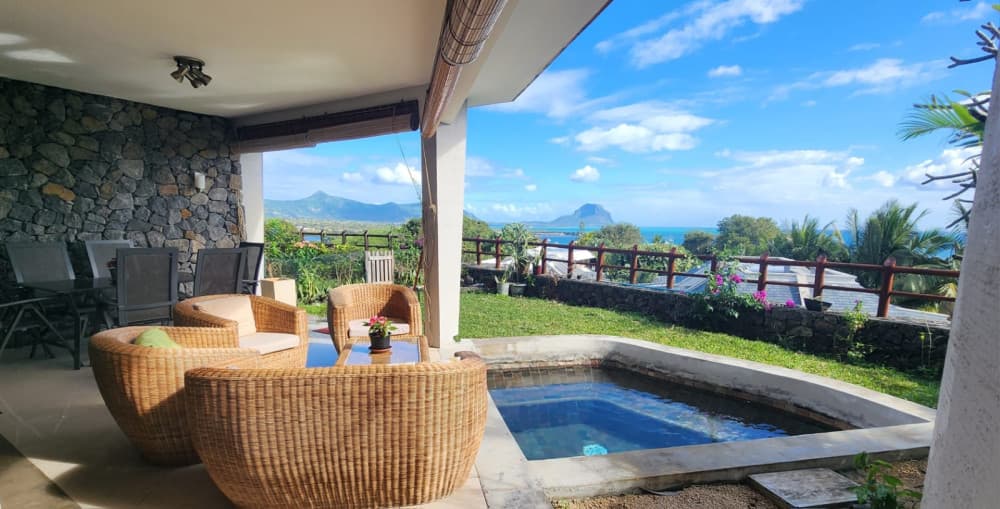
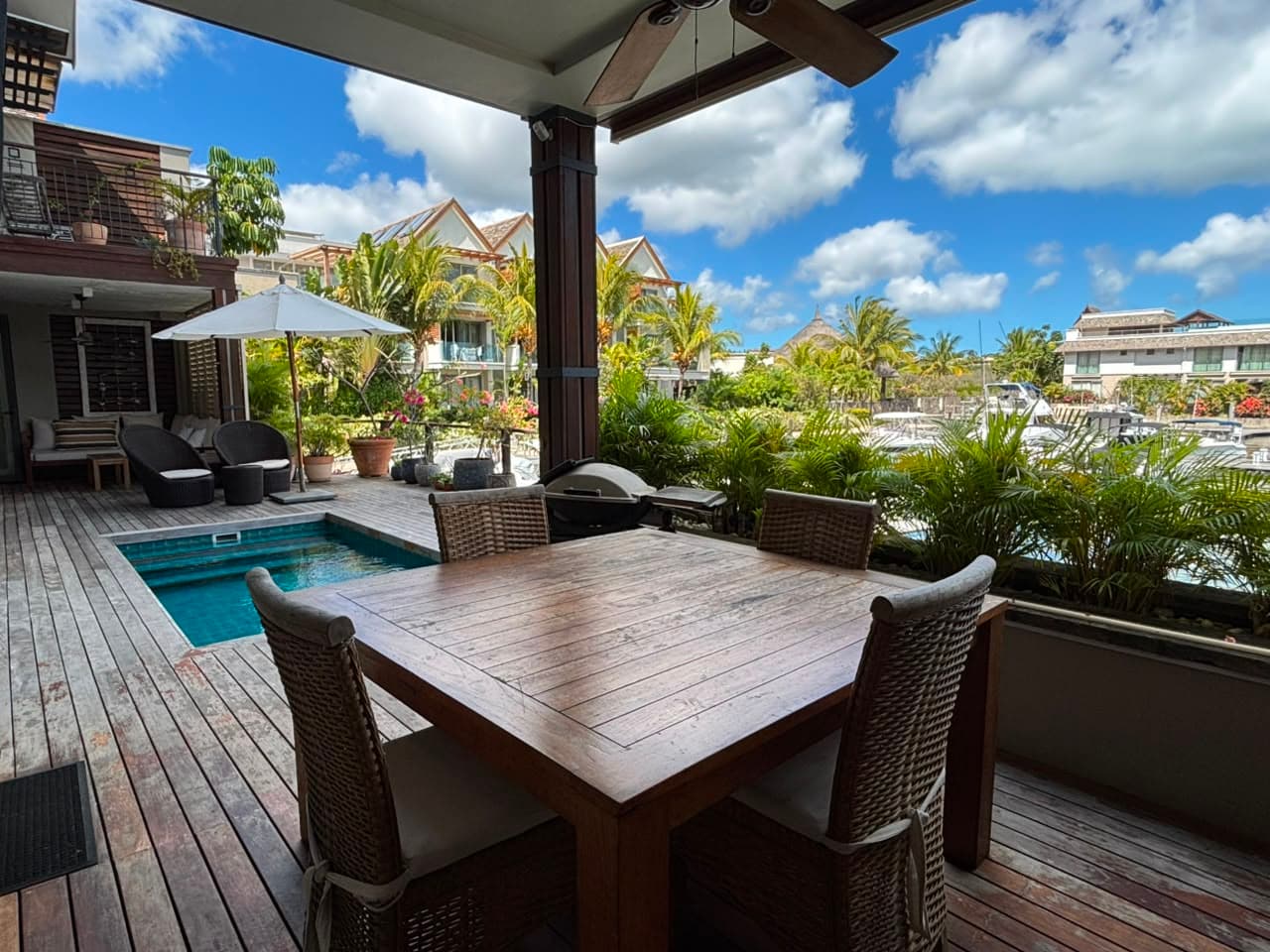
Ultimate Marina Lifestyle – Luxury Waterfront Residence, Private Mooring & Boat
44

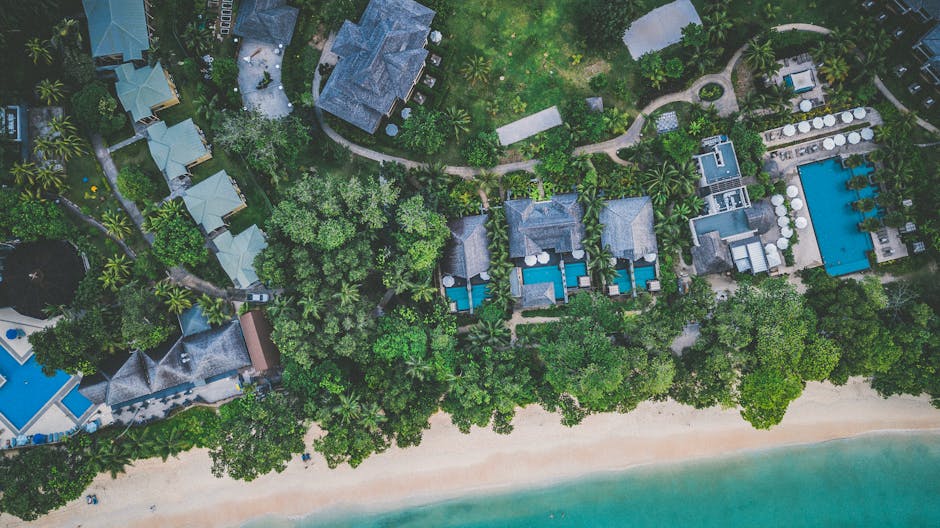
From its diverse coastlines and rich multicultural culture to world-class diving and a highly attractive property investment framework, Mauritius offers British and European expats far more than a beautiful escape. This comprehensive guide explores everything you need to know before mak…
Tucked away in the southwestern Indian Ocean, Mauritius is one of those rare destinations that genuinely lives up to its reputation. With powder-soft beaches framed by turquoise lagoons, a remarkably stable economy, and a multicultural warmth that makes newcomers feel at home almost instantly, it's little wonder that increasing numbers of British and European expats are choosing to do more than simply visit — they're choosing to stay.
Whether you're planning your first exploratory trip or you're seriously weighing up a life change, this guide cuts through the postcard imagery to give you an honest, detailed look at what makes Mauritius so extraordinary.
Mauritius spans just 2,040 square kilometres, yet packs in a remarkable variety of landscapes. The north coast, anchored by Grand Baie, is the social and commercial heartbeat of the island — cosmopolitan, lively, and well-connected. The west coast, particularly the stretch from Tamarin to Le Morne, draws surfers, divers, and those seeking a more laid-back, village atmosphere. The east coast is wilder and windier, beloved for its dramatic scenery and quieter beaches like Belle Mare and Palmar. The south, meanwhile, is where the island reveals its rugged, volcanic soul — think dramatic cliffs at Gris Gris, the natural rock arch at Rochester Falls, and the extraordinary seven-coloured earth at Chamarel.
For property investors, geography is everything. Each coast carries its own lifestyle signature and price point, making it essential to explore all corners before committing.
Mauritius is home to communities with Indian, African, Chinese, and European heritage, all living within a framework of notable social harmony. Creole, Hindi, Tamil, Mandarin, French, and English are all spoken here — and English is an official language, which eases the transition considerably for British arrivals. The local cuisine alone tells this cultural story beautifully: you'll find dholl puri (a beloved street flatbread with split pea filling) served alongside freshly caught grilled fish and Franco-Mauritian patisseries in the same afternoon.
This cultural richness also underpins a strong sense of community that expats often cite as one of the most unexpected pleasures of island life.
Mauritius enjoys a tropical maritime climate with two primary seasons. The warm, humid summer runs from November to April, with temperatures reaching 30–35°C — this is also cyclone season, though the island's infrastructure handles weather events well. The cooler, drier winter from May to October is widely considered the best time to visit, with temperatures hovering around a very comfortable 22–26°C and near-constant sunshine.
For those considering permanent residence, the winter months offer an almost impossibly pleasant quality of daily life, warm enough for the beach, cool enough for outdoor dining and afternoon walks.
The Indian Ocean surrounding Mauritius is a world-class diving destination, with sites like the underwater waterfall illusion off Le Morne and vibrant coral gardens at Blue Bay Marine Park. On land, the Black River Gorges National Park offers serious hiking through endemic forest, where you might spot the rare pink pigeon or echo parakeet. Golf enthusiasts are well catered for, with championship courses at Four Seasons Golf Club at Anahita and the legendary Tamarina Golf Club in the west. For something slower-paced, the historic capital Port Louis rewards exploration — its bustling Central Market, the colourful Chinatown district, and the excellent Natural History Museum are all worth a half-day.
Mauritius has built an increasingly sophisticated framework to attract foreign property investment. Through schemes such as the Property Development Scheme (PDS) and the Smart City Scheme, non-citizens can purchase freehold property — and those investing USD 375,000 or more may qualify for a Mauritius Residency Permit, making the island an even more compelling proposition for lifestyle-driven investors.
The property market here spans everything from sleek beachfront villas in Grand Baie to elegant hillside estates in Beau Bassin and contemporary apartments in the emerging smart cities of Moka and Beau Plan. The cost of living, while not budget, is considerably more favourable than comparable European alternatives — particularly when weighed against the quality of life on offer.
Critically, Mauritius operates with no capital gains tax and no inheritance tax, making it an astute long-term wealth management destination as much as a lifestyle choice.
Flights from London Heathrow to Sir Seewoosagur Ramgoolam International Airport take approximately 11–12 hours, with Air Mauritius and British Airways both operating direct routes. The island drives on the left-hand side, which British visitors will find immediately familiar. Healthcare standards are solid, with both public hospitals and well-regarded private clinics serving the island.
Mauritius is not simply a holiday destination with property attached — it is a fully formed, sophisticated place to build a life. If you're ready to explore what that life could look like, PropertyFinder Mauritius is your trusted starting point. Browse our curated portfolio of luxury villas, apartments, and investment properties, and connect with our expert team who know every corner of this extraordinary island.
Hand-picked
Riviere Noire · West

Baie du Cap · South
Tamarin · West

Baie du Cap · South
Beau Champ · East
Riviere Noire · West
Explore by region
Explore the site
Market updates, buying guidance and the best new listings, straight to your inbox.
About Mauritius · 28 Aug 2024
Mauritius is one of the safest islands in the Indian Ocean, but that doesn't stop savvy expats from seeking out martial arts and self-defense…
About Mauritius · 26 Aug 2024
Mauritius may be a small island, but its bookshops and online literary scene offer a surprisingly rich experience for expats and book lovers calling…
About Mauritius · 23 Aug 2024
From the UNESCO-listed heights of Le Morne Brabant to the vibrant streets of Grand Baie and the wild interior of Black River Gorges, Mauritius…
About Mauritius · 22 Aug 2024
The Mauritian Wildlife Foundation has spent four decades rescuing the island's rarest species and restoring its native ecosystems — and for those…
About Mauritius · 21 Aug 2024
The brilliantly coloured Mauritius day gecko is far more than a garden curiosity — as a native pollinator, seed disperser, and natural pest…
About Mauritius · 13 Aug 2024
Off the southwestern tip of Mauritius, an extraordinary optical illusion makes the Indian Ocean appear to cascade into an endless abyss — and a…
Browse our current listings or speak to an agent.