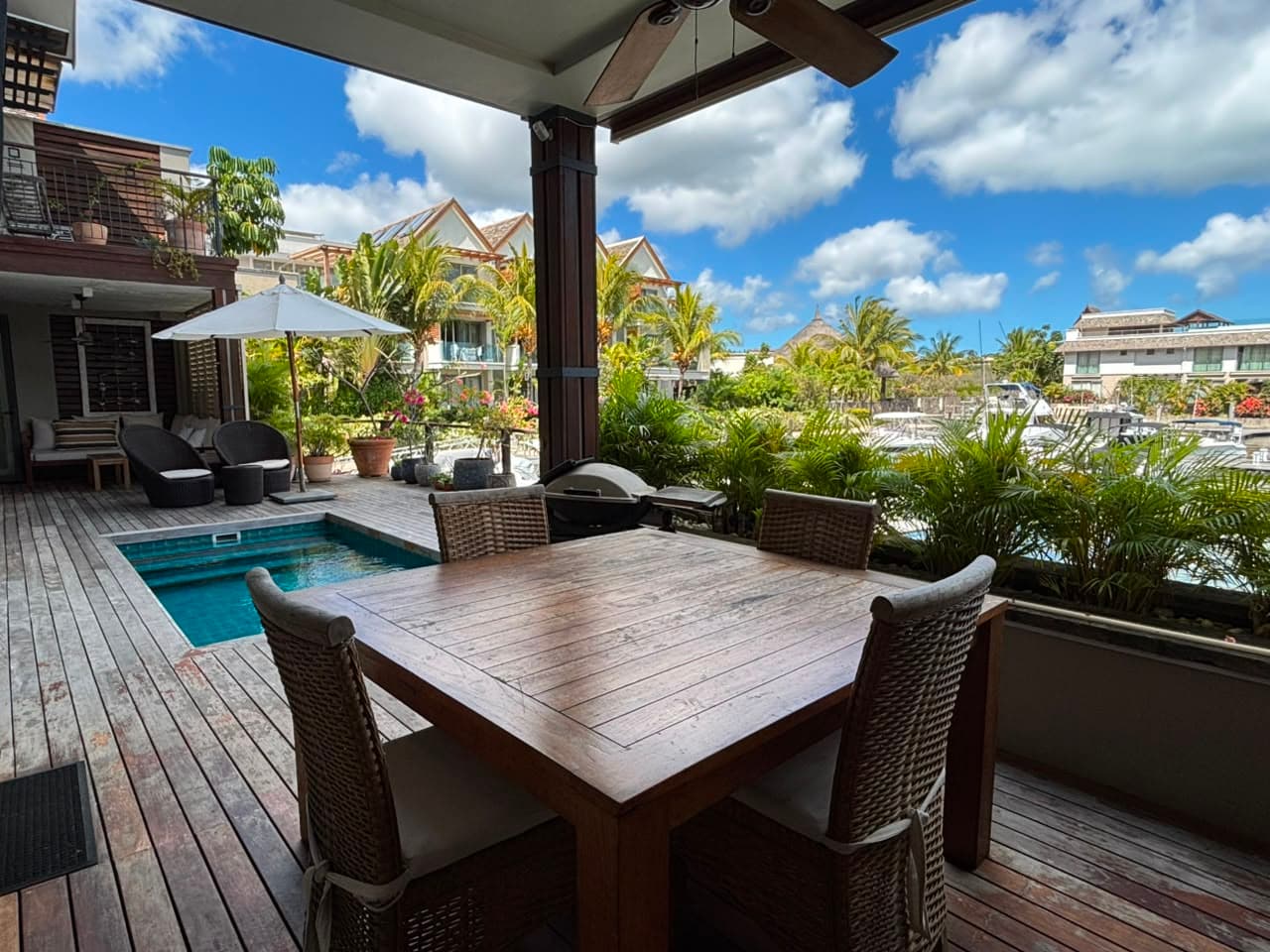
FOR RENTExpat
Rs450K/mo
Riviere Noire · West
Ultimate Marina Lifestyle – Luxury Waterfront Residence, Private Mooring & Boat
44


Nestled along Mauritius's storied western coastline, Albion is a village rich in colonial history, multicultural heritage, and natural beauty that is quietly becoming one of the island's most desirable addresses. Discover what makes this hidden gem so compelling for expats and investors…
Tucked along the sun-drenched western coastline of Mauritius, Albion is a village that rewards those curious enough to look beyond the postcard beaches. Quietly confident, historically layered, and increasingly sought-after by discerning expats and investors, Albion offers a window into the soul of Mauritius that few destinations on the island can match. Whether you are considering a move to the island or simply want to understand what makes this corner of the Black River District so compelling, Albion's story is well worth telling.
The name Albion is itself a clue to the island's colonial past. Derived from the ancient poetic name for Britain, it reflects the period of British colonial rule that shaped Mauritius from 1810 until independence in 1968. Many place names in western Mauritius echo this era — a reminder that the island changed hands between the French and British empires, absorbing the language, architecture, and customs of both. Walking through Albion today, you can still sense those layered influences in the blend of Creole, French, and English spoken in daily life.
Like much of Mauritius, Albion's identity was forged by the sugar cane industry. The fertile plains stretching inland from the coast were once dominated by vast sugar estates, and the rhythms of planting and harvest defined community life for generations. The Albion Sugar Factory, one of the island's most historically significant mills, operated for decades as a cornerstone of the local economy. Though the sugar industry has contracted considerably across Mauritius, the legacy of those estates remains visible in the landscape — rolling fields of cane still frame the village, offering a striking contrast to the turquoise waters just minutes away.
The sea, too, has always been central to Albion's character. Local fishermen have worked these waters for centuries, and the Albion Fishing Port remains an active and atmospheric place to visit, particularly at dawn when the catch is brought in fresh. It is the kind of authentic, unhurried scene that reminds visitors why Mauritius is far more than a resort destination.
Albion is home to a beautifully diverse community that reflects the broader multicultural tapestry of Mauritius. Families of Creole, Indian, Chinese, and European heritage live side by side, celebrating a shared calendar of festivals that ranges from Diwali and Eid to Christmas and Chinese New Year. This cultural plurality is not merely decorative — it is lived, genuine, and one of the most enriching aspects of settling in Mauritius for European expats.
Local temples, mosques, and churches stand in close proximity throughout the area, and the Tamarin and Flic en Flac communities nearby add further cultural depth. The weekly markets and roadside vendors selling dholl puri, fresh coconuts, and tropical fruits speak to a way of life that values community, flavour, and tradition over the transactional pace of European city living.
Beyond its human history, Albion is flanked by some of the island's most spectacular natural scenery. The Albion Lighthouse, perched on the rocky western cliffs, is one of Mauritius's most photographed landmarks and a favourite spot for sunset walks. Built during the colonial era to guide ships navigating the treacherous western reefs, it stands today as both a working navigational aid and a symbol of the area's maritime heritage.
The coral reefs offshore are exceptional for snorkelling and diving, and the consistently calm lagoon makes the coastline ideal for kayaking, paddleboarding, and sailing. For those who prefer land-based pursuits, the nearby Tamarin hills and the trails of the Black River Gorges National Park — just a short drive inland — offer world-class hiking through endemic forest teeming with Mauritian kestrels and echo parakeets.
Albion's combination of authentic culture, natural beauty, and proximity to Grand Baie in the north and Port Louis to the east has made it an increasingly attractive location for property investment in Mauritius. The area sits within reach of international schools, private clinics, and the commercial hub of the capital, while retaining the relaxed, residential atmosphere that draws families and lifestyle-focused buyers. PDS-approved developments and luxury villas in the wider western corridor have attracted significant interest from British and European buyers seeking both a lifestyle upgrade and a sound long-term investment in one of the Indian Ocean's most stable markets.
For those weighing where to put down roots in Mauritius, Albion offers something genuinely rare: a place where history, culture, and modern comfort exist in authentic balance.
Ready to explore property in Albion and the wider western coast of Mauritius? Browse listings on PropertyFinder Mauritius and connect with our expert team to find your perfect home in this remarkable corner of the Indian Ocean.
Hand-picked
Riviere Noire · West

Baie du Cap · South
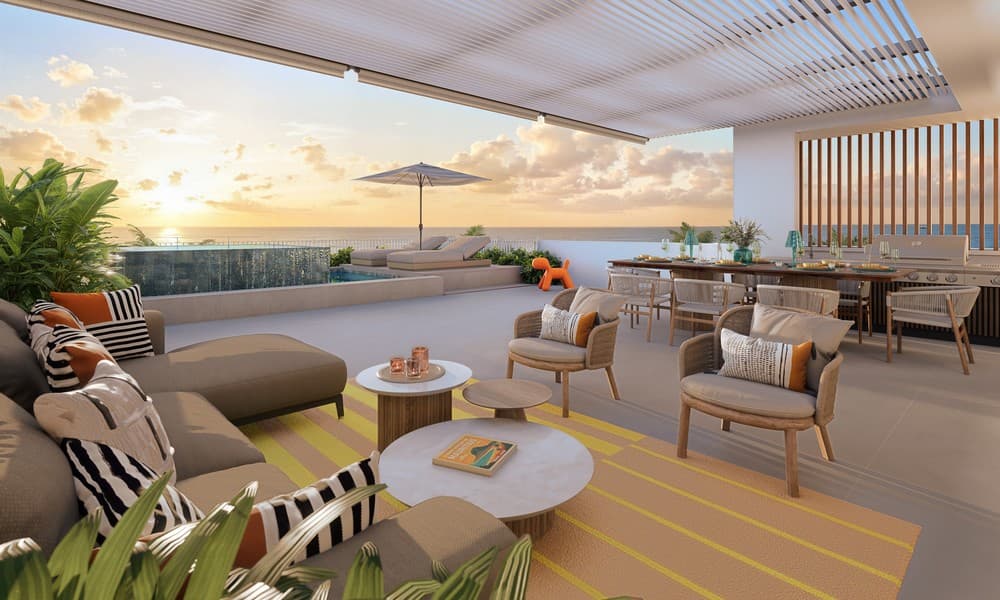
Tamarin · West

Baie du Cap · South
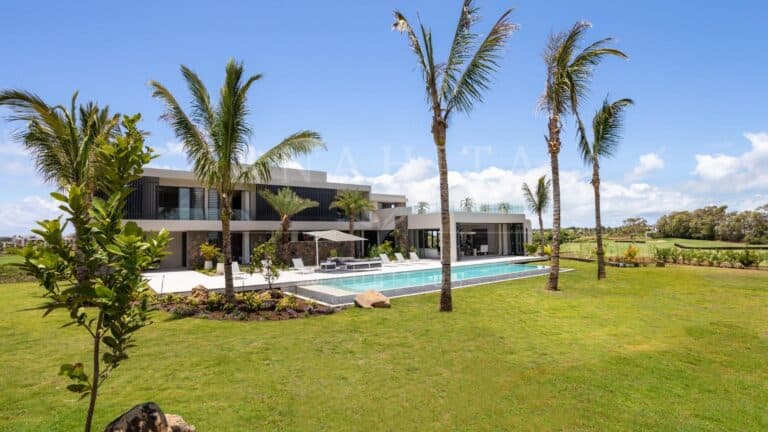
Beau Champ · East

Riviere Noire · West
Explore by region
Explore the site
Market updates, buying guidance and the best new listings, straight to your inbox.
About Mauritius · 28 Aug 2024
Mauritius is one of the safest islands in the Indian Ocean, but that doesn't stop savvy expats from seeking out martial arts and self-defense…
About Mauritius · 26 Aug 2024
Mauritius may be a small island, but its bookshops and online literary scene offer a surprisingly rich experience for expats and book lovers calling…
About Mauritius · 23 Aug 2024
From the UNESCO-listed heights of Le Morne Brabant to the vibrant streets of Grand Baie and the wild interior of Black River Gorges, Mauritius…
About Mauritius · 22 Aug 2024
The Mauritian Wildlife Foundation has spent four decades rescuing the island's rarest species and restoring its native ecosystems — and for those…
About Mauritius · 21 Aug 2024
The brilliantly coloured Mauritius day gecko is far more than a garden curiosity — as a native pollinator, seed disperser, and natural pest…
About Mauritius · 13 Aug 2024
Off the southwestern tip of Mauritius, an extraordinary optical illusion makes the Indian Ocean appear to cascade into an endless abyss — and a…
Browse our current listings or speak to an agent.


