FOR RENTExpat
Rs450K/mo
Riviere Noire · West
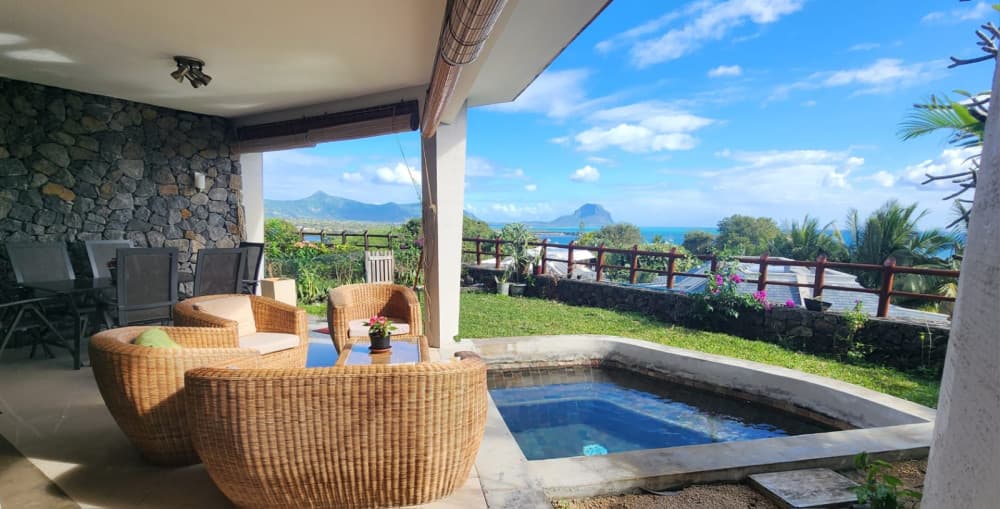
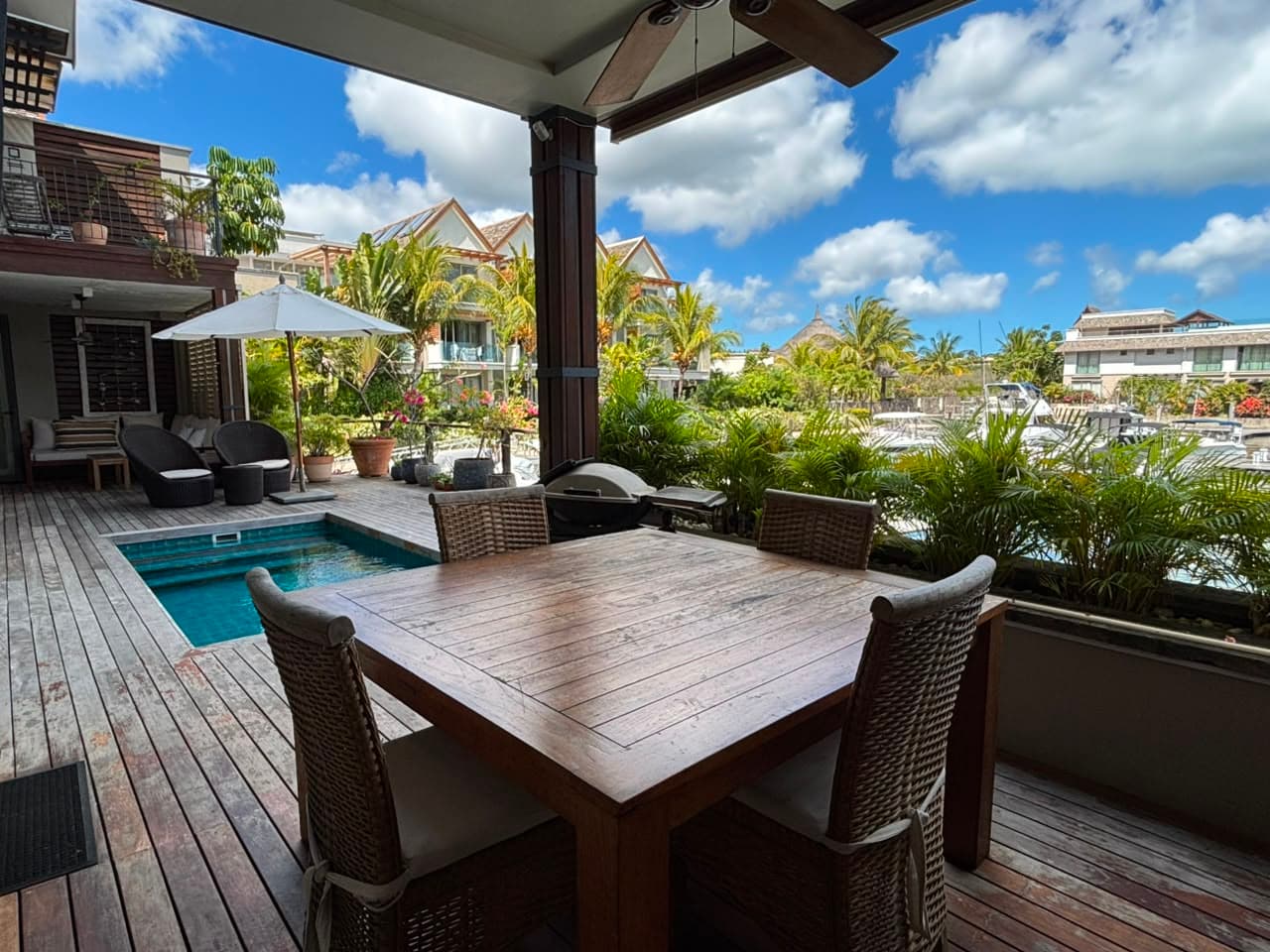
Ultimate Marina Lifestyle – Luxury Waterfront Residence, Private Mooring & Boat
44


Black River district on Mauritius's west coast is far more than a backdrop for beach resorts — it's a region layered with volcanic geology, UNESCO-listed heritage, colonial history, and authentic village life that rewards those who look beyond the obvious. For European expats and invest…
When most people picture Mauritius, they conjure images of postcard-perfect turquoise lagoons and luxury beach resorts. Yet tucked along the island's west coast lies Black River district — known locally as Rivière Noire — a region that quietly holds some of the most compelling cultural, natural, and historical riches on the island. For European expats and investors seeking a deeper connection to Mauritian life beyond the resort corridor, this is where the real story begins.
Black River's story is inseparable from the island's layered colonial past. The district was among the first areas cultivated under Dutch settlement in the 17th century, and later became integral to the French and British sugar plantation economy. Evidence of this heritage is woven into the landscape itself — from the ruins of old sugar mills half-hidden by tropical vegetation to the grand colonial-era plantation houses that still command sweeping views across the sugarcane fields toward the Indian Ocean.
The village of Chamarel, perched in the highlands above the coast, offers one of the most evocative encounters with this history. The recently restored Chamarel Plantation House, dating to the 19th century, now functions as a rum and coffee estate where visitors can trace the agricultural traditions that shaped Mauritian society. It's the kind of living heritage that rewards those who take the time to explore it properly.
No cultural guide to Black River would be complete without mentioning the Seven Coloured Earths of Chamarel — a geological phenomenon that has fascinated scientists and travellers alike for generations. These undulating dunes of volcanic soil, shifting through shades of red, brown, violet, green, blue, purple, and yellow, are not merely a tourist spectacle. They speak to the island's volcanic origins and the same mineral-rich earth that makes the surrounding land so extraordinarily fertile.
Adjacent to the dunes, the Chamarel Waterfall — plunging approximately 100 metres into a forested gorge — is one of the tallest on the island, and remains far less crowded than its fame might suggest. Arriving early on a weekday morning, you may have the viewpoint almost entirely to yourself.
The Black River Gorges National Park, covering over 6,500 hectares of the island's southwest, is the beating green heart of Mauritius. Home to endemic species including the Mauritius kestrel, the pink pigeon, and the rare echo parakeet — all brought back from the brink of extinction through remarkable conservation efforts — the park represents an ecological heritage as significant as any colonial monument.
Hiking trails range from gentle walks through native ebony forest to challenging full-day routes leading to the Piton de la Petite Rivière Noire, the island's highest peak at 828 metres. From the summit on a clear morning, the panorama stretches across the entire island — a perspective few visitors ever witness.
Down on the coast, the small fishing village of La Gaulette retains an authenticity increasingly rare on the Mauritian shoreline. Local fishermen still bring in their catch each morning, and the weekly market draws a genuine cross-section of community life. It's the kind of place where expats who have chosen to build their lives on the west coast find themselves returning to again and again.
Nearby, the Le Morne Brabant peninsula carries a profoundly moving cultural significance. The dramatic basalt monolith — a UNESCO World Heritage Site since 2008 — was a refuge for runaway enslaved people in the 18th and early 19th centuries. The mountain is considered a powerful symbol of resistance and freedom across the entire African diaspora, and the Le Morne Cultural Landscape is observed with deep respect by Mauritians today.
For those considering property investment in Mauritius, Black River district offers a compelling proposition that goes well beyond lifestyle appeal. The west coast benefits from the island's sunniest and driest microclimate, and the area has seen consistent demand from European buyers drawn to its combination of natural beauty, authentic culture, and excellent accessibility to both Port Louis and the main international airport.
Residential developments here range from beachfront villas under the IRS and PDS schemes — which grant residency rights to qualifying foreign buyers — to contemporary apartments positioned to capture those legendary west coast sunsets. Owning property in this part of Mauritius means living alongside one of the island's richest cultural tapestries, not merely visiting it.
Black River is a district that reveals itself gradually, rewarding curiosity and patience with experiences that remain long after you've returned home. Whether you're drawn by the hiking trails, the plantation heritage, the fishing villages, or simply the quality of light on a late afternoon in Chamarel, this corner of Mauritius has a way of feeling unmistakably like somewhere you belong.
Ready to explore what west coast living could look like for you? Browse our curated selection of properties in Black River and across Mauritius at PropertyFinder Mauritius — where expert local knowledge meets the best in island real estate.
Hand-picked
Riviere Noire · West
Baie du Cap · South
Tamarin · West
Baie du Cap · South

Beau Champ · East

Riviere Noire · West
Explore by region
Explore the site
Market updates, buying guidance and the best new listings, straight to your inbox.
About Mauritius · 28 Aug 2024
Mauritius is one of the safest islands in the Indian Ocean, but that doesn't stop savvy expats from seeking out martial arts and self-defense…
About Mauritius · 26 Aug 2024
Mauritius may be a small island, but its bookshops and online literary scene offer a surprisingly rich experience for expats and book lovers calling…
About Mauritius · 23 Aug 2024
From the UNESCO-listed heights of Le Morne Brabant to the vibrant streets of Grand Baie and the wild interior of Black River Gorges, Mauritius…
About Mauritius · 22 Aug 2024
The Mauritian Wildlife Foundation has spent four decades rescuing the island's rarest species and restoring its native ecosystems — and for those…
About Mauritius · 21 Aug 2024
The brilliantly coloured Mauritius day gecko is far more than a garden curiosity — as a native pollinator, seed disperser, and natural pest…
About Mauritius · 13 Aug 2024
Off the southwestern tip of Mauritius, an extraordinary optical illusion makes the Indian Ocean appear to cascade into an endless abyss — and a…
Browse our current listings or speak to an agent.