FOR RENTExpat
Rs450K/mo
Riviere Noire · West
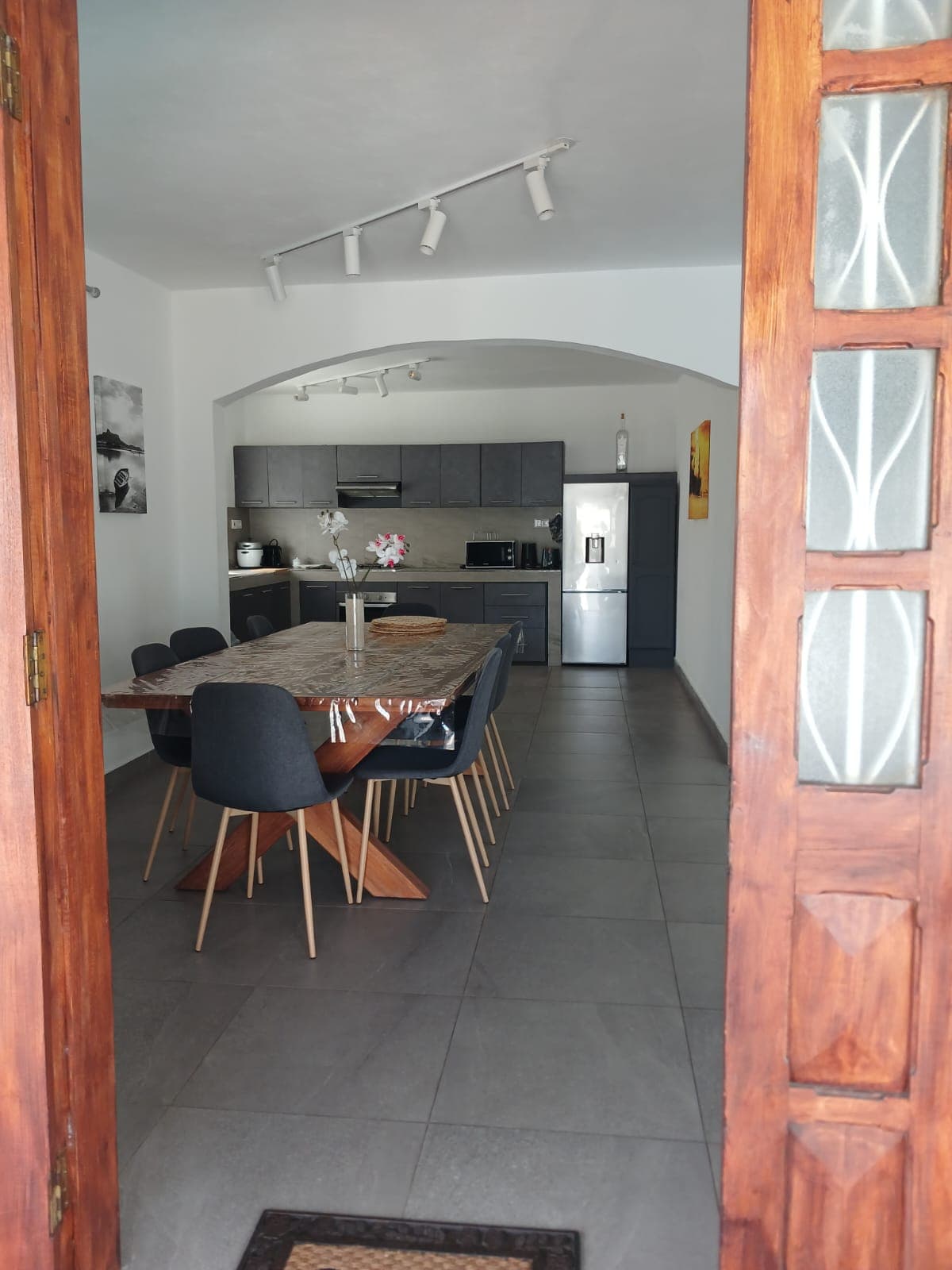
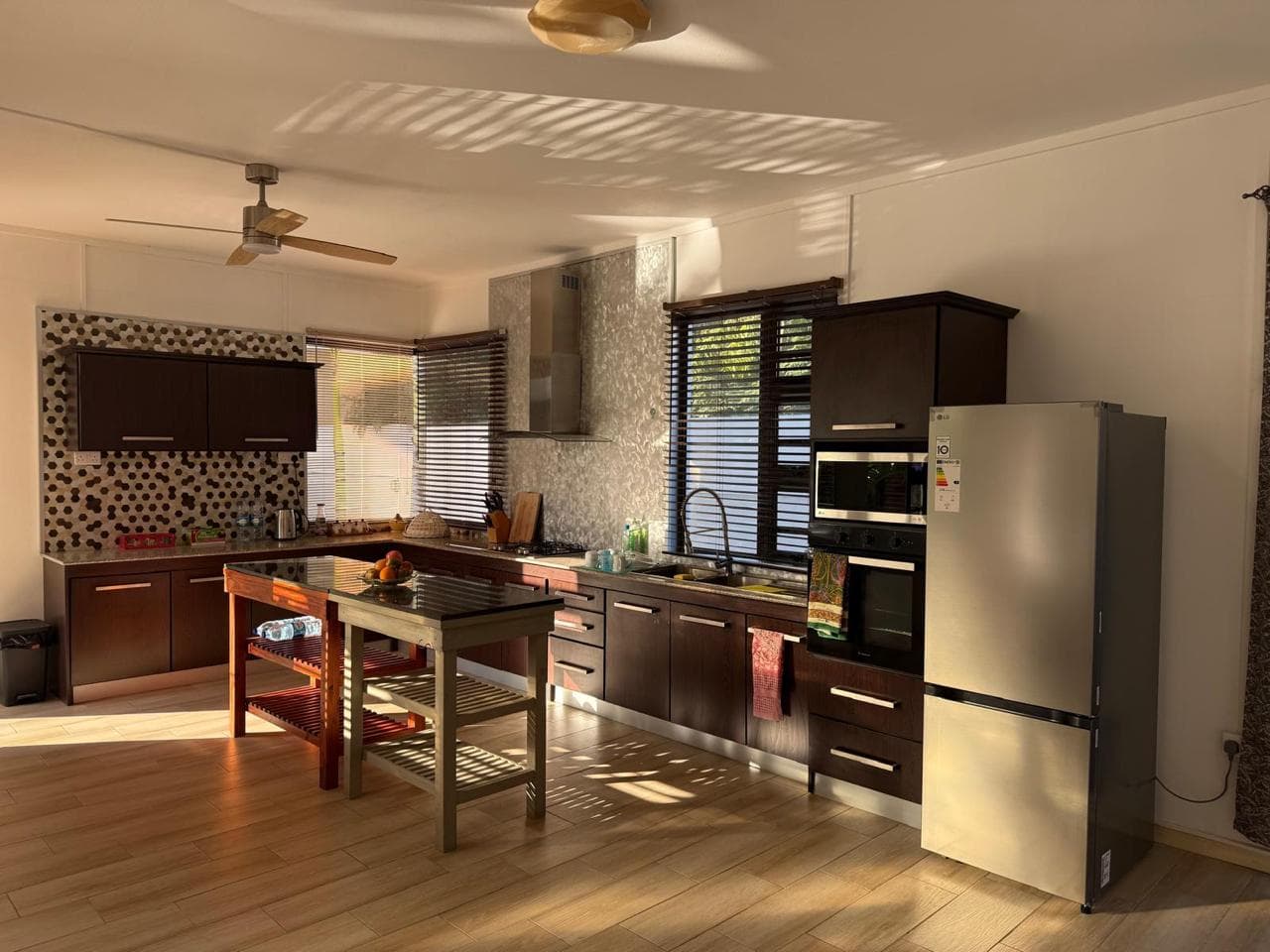
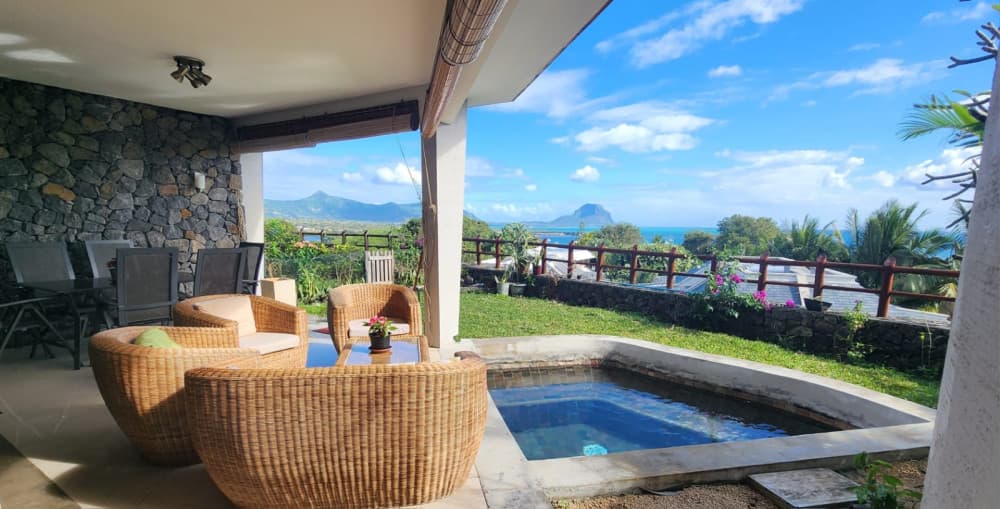
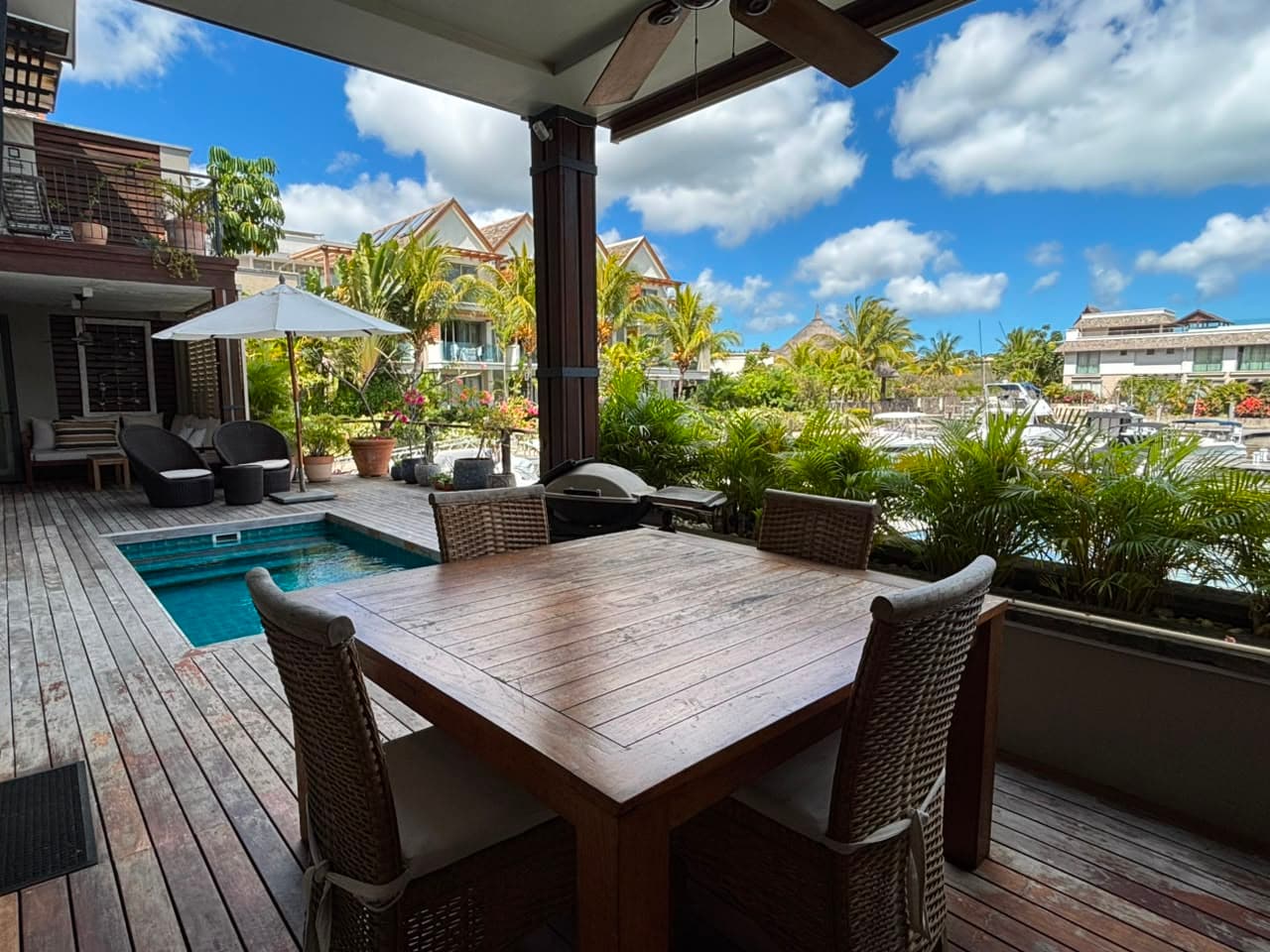
Ultimate Marina Lifestyle – Luxury Waterfront Residence, Private Mooring & Boat
44


The sugarcane fields of Black River tell the story of a nation — from Dutch settlers and Franco-Mauritian estates to a thriving modern property market built on centuries of agricultural heritage. Discover how Mauritius's sweet past is shaping one of the Indian Ocean's most desirable pla…
Drive through the Black River district on any given morning and you'll witness one of the most enduring landscapes in the Indian Ocean — rolling fields of sugarcane stretching toward jagged mountain peaks, their feathery plumes catching the trade winds. It's a scene that has defined Mauritius for nearly four centuries, and nowhere does it resonate more profoundly than in this rugged, sun-drenched district on the island's western coast.
For European visitors and investors drawn to Mauritius, understanding the sugarcane story isn't merely a history lesson — it's essential context for appreciating the island's culture, its land use, and the extraordinary transformation now reshaping districts like Black River into some of the most coveted addresses in the southern hemisphere.
Sugarcane was first introduced to Mauritius by Dutch colonists in the late 17th century, though it was under French rule — and later the British, who took control in 1810 — that the industry became the backbone of the entire economy. By the mid-19th century, sugar accounted for virtually all of Mauritius's export earnings. Grand estates, known locally as domaines, were carved out across the island, and Black River, with its fertile coastal plains and reliable rainfall patterns fed by the Tamarin and Rivière Noire rivers, became one of the most productive sugar-producing regions on the island.
The legacy of this era is still visible in the architecture, the social fabric, and even the names of the roads that wind through the district today.
A small number of powerful Franco-Mauritian families — names like Beau Plan, Mon Désert, and Medine — built vast fortunes on sugar and shaped the physical character of Black River. The Médine Sugar Estate, which spans tens of thousands of acres across the western districts, remains one of the most influential landholders on the island. These historic domaines weren't merely agricultural operations; they were self-contained communities, complete with worker villages, schools, and chapels.
This concentration of land in the hands of a few families has had a direct bearing on the modern Mauritius property market. As sugar's commercial dominance declined from the 1970s onward — squeezed by falling global prices and preferential trade agreements eroding — these estates began diversifying. Land that once grew cane now hosts luxury residential developments, golf courses, beach clubs, and Integrated Resort Schemes (IRS) that have made Black River a magnet for international buyers.
By the early 2000s, Mauritius made a deliberate, government-led pivot away from sugar dependency. The Multi-Annual Adaptation Strategy for the sugar sector, introduced in 2006, acknowledged the inevitable: that the industry needed to contract, modernise, and make way for tourism, financial services, and real estate as the new pillars of prosperity.
Today, sugarcane still covers approximately 45,000 hectares of Mauritius's agricultural land, but production is a fraction of its colonial-era peak. What's changed is how that land is valued. Former cane fields in Black River and neighbouring Tamarin now host some of the island's most prestigious property developments — beachfront villas, smart eco-residences, and integrated communities designed to attract the global high-net-worth individuals and families seeking a permanent or seasonal base in the tropics.
Beyond economics, sugarcane is woven into the cultural identity of Mauritius in ways that visitors quickly come to appreciate. The annual cane harvest — typically running from July to November — still draws communities together. The L'Aventure du Sucre museum, housed in a restored sugar mill in Pamplemousses, tells the full story of the industry with remarkable depth, and is well worth a half-day visit for anyone serious about understanding the island.
In Black River itself, the remnants of old mill infrastructure and colonial-era estate houses serve as atmospheric reminders of this heritage. For expats and investors settling in the district, this layered history adds a richness to daily life that newer, purpose-built resort destinations simply cannot replicate.
The story of sugarcane in Black River is ultimately one of resilience and reinvention — qualities that mirror Mauritius itself. The same fertile land that fed a colonial empire is now nurturing a new generation of opportunity: one measured not in tonnes of raw sugar, but in world-class lifestyle amenities, stable property values, and a quality of life that continues to attract discerning buyers from across Europe and beyond.
For those considering a move to — or investment in — this extraordinary corner of the Indian Ocean, that history is not a relic. It's the foundation everything else is built upon.
Thinking about buying property in Black River or exploring investment opportunities across Mauritius? Browse our curated listings at PropertyFinder Mauritius and let our local experts guide you through one of the most rewarding real estate markets in the world.
Hand-picked
Riviere Noire · West
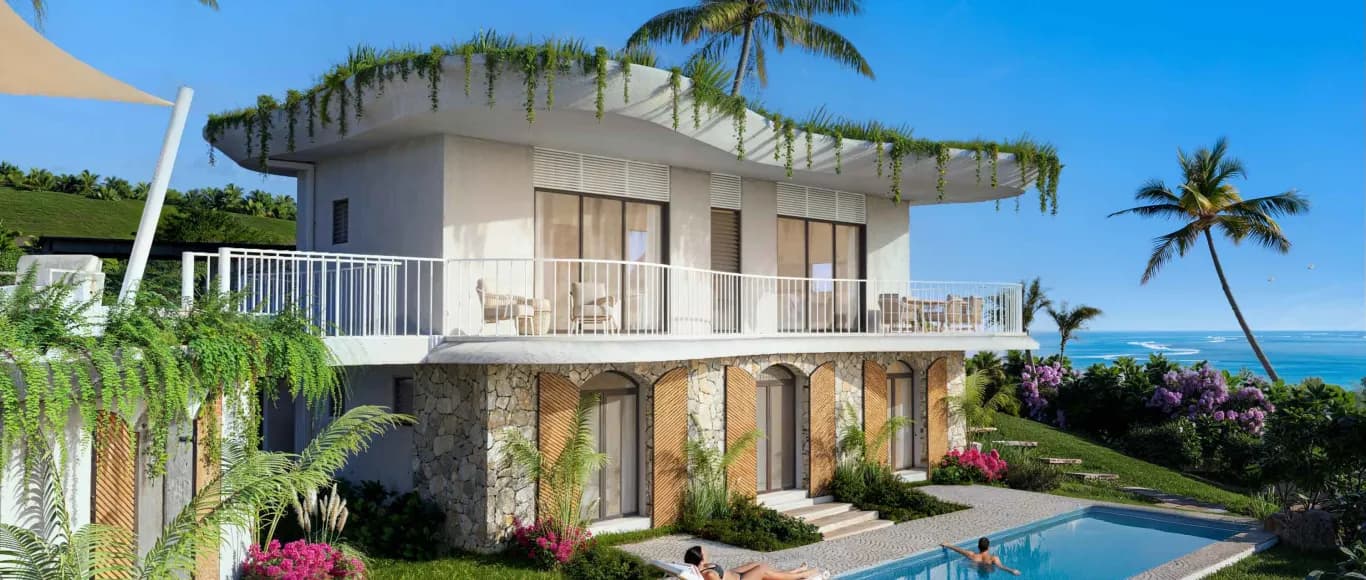
Baie du Cap · South

Tamarin · West
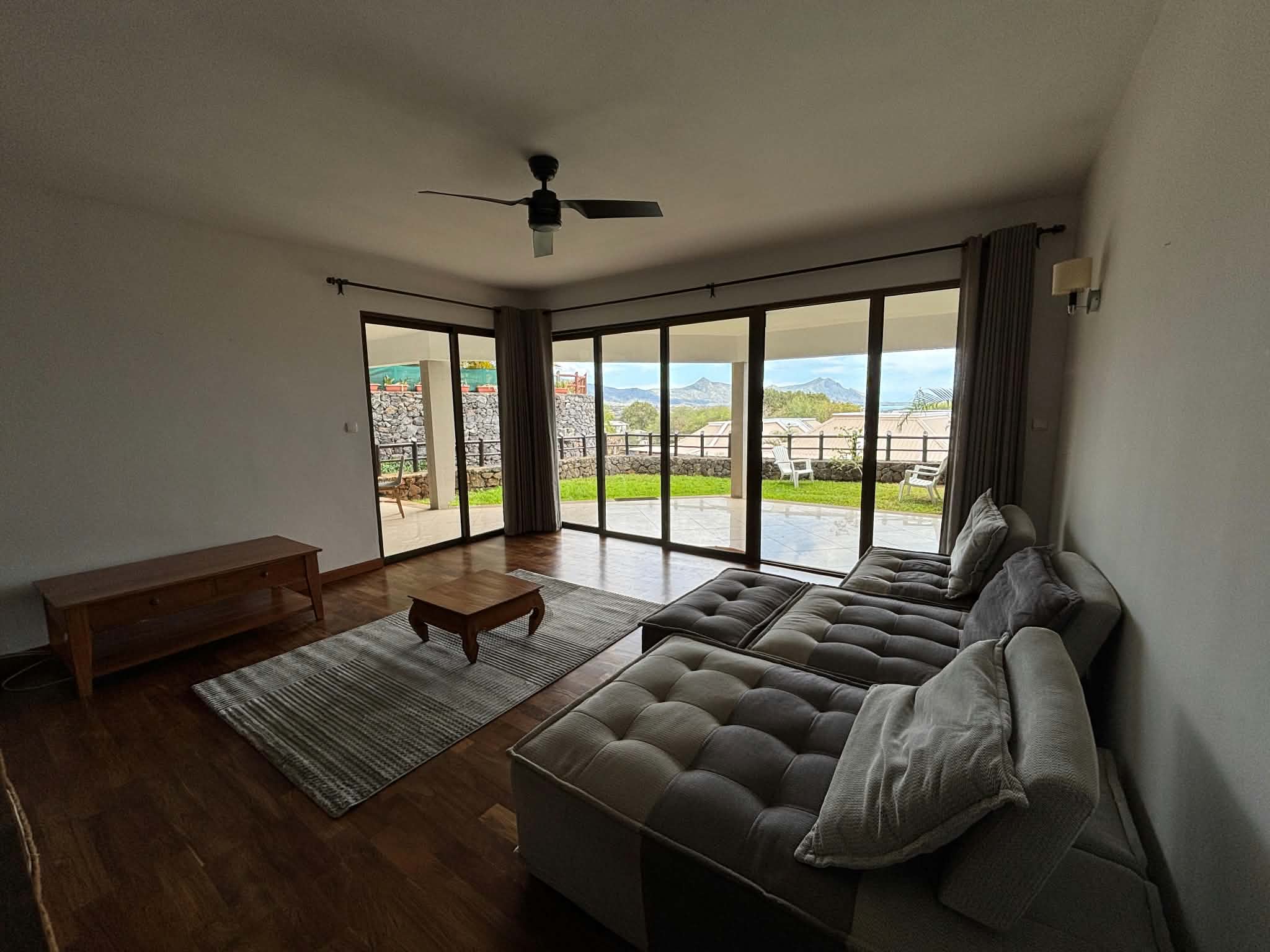
Tamarin · West

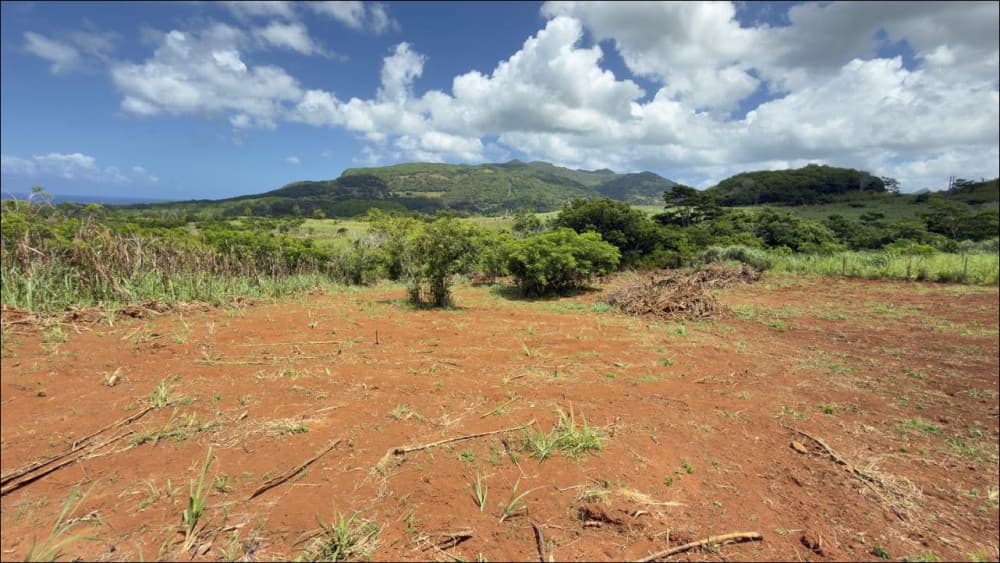
Baie du Cap · South
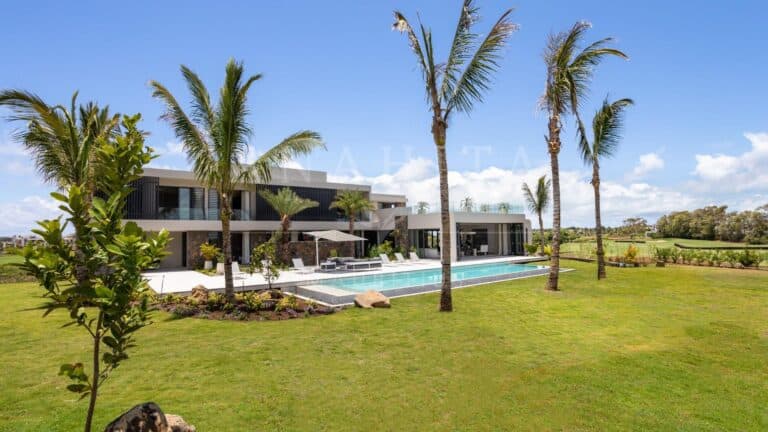
Beau Champ · East
Explore by region
Explore the site
Market updates, buying guidance and the best new listings, straight to your inbox.
About Mauritius · 28 Aug 2024
Mauritius is one of the safest islands in the Indian Ocean, but that doesn't stop savvy expats from seeking out martial arts and self-defense…
About Mauritius · 26 Aug 2024
Mauritius may be a small island, but its bookshops and online literary scene offer a surprisingly rich experience for expats and book lovers calling…
About Mauritius · 23 Aug 2024
From the UNESCO-listed heights of Le Morne Brabant to the vibrant streets of Grand Baie and the wild interior of Black River Gorges, Mauritius…
About Mauritius · 22 Aug 2024
The Mauritian Wildlife Foundation has spent four decades rescuing the island's rarest species and restoring its native ecosystems — and for those…
About Mauritius · 21 Aug 2024
The brilliantly coloured Mauritius day gecko is far more than a garden curiosity — as a native pollinator, seed disperser, and natural pest…
About Mauritius · 13 Aug 2024
Off the southwestern tip of Mauritius, an extraordinary optical illusion makes the Indian Ocean appear to cascade into an endless abyss — and a…
Browse our current listings or speak to an agent.