FOR RENTExpat
Rs450K/mo
Riviere Noire · West
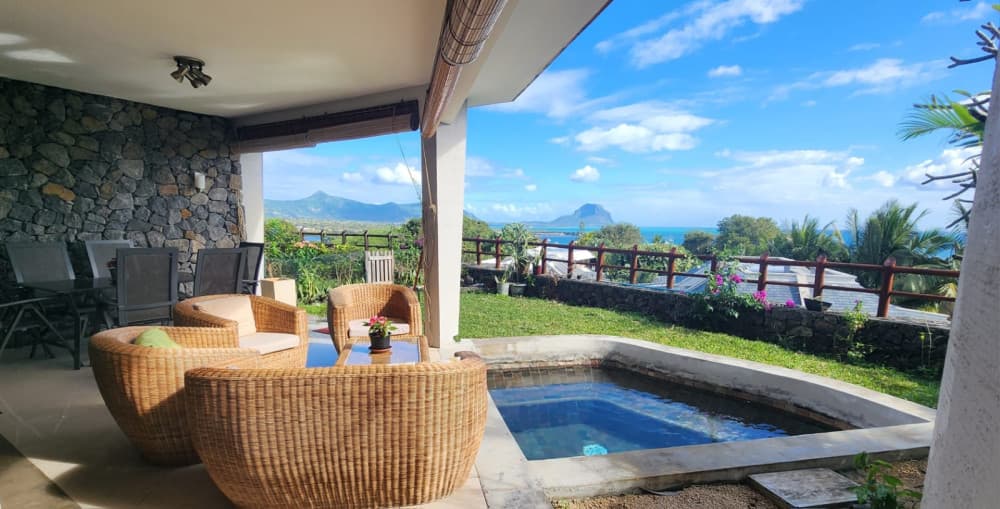
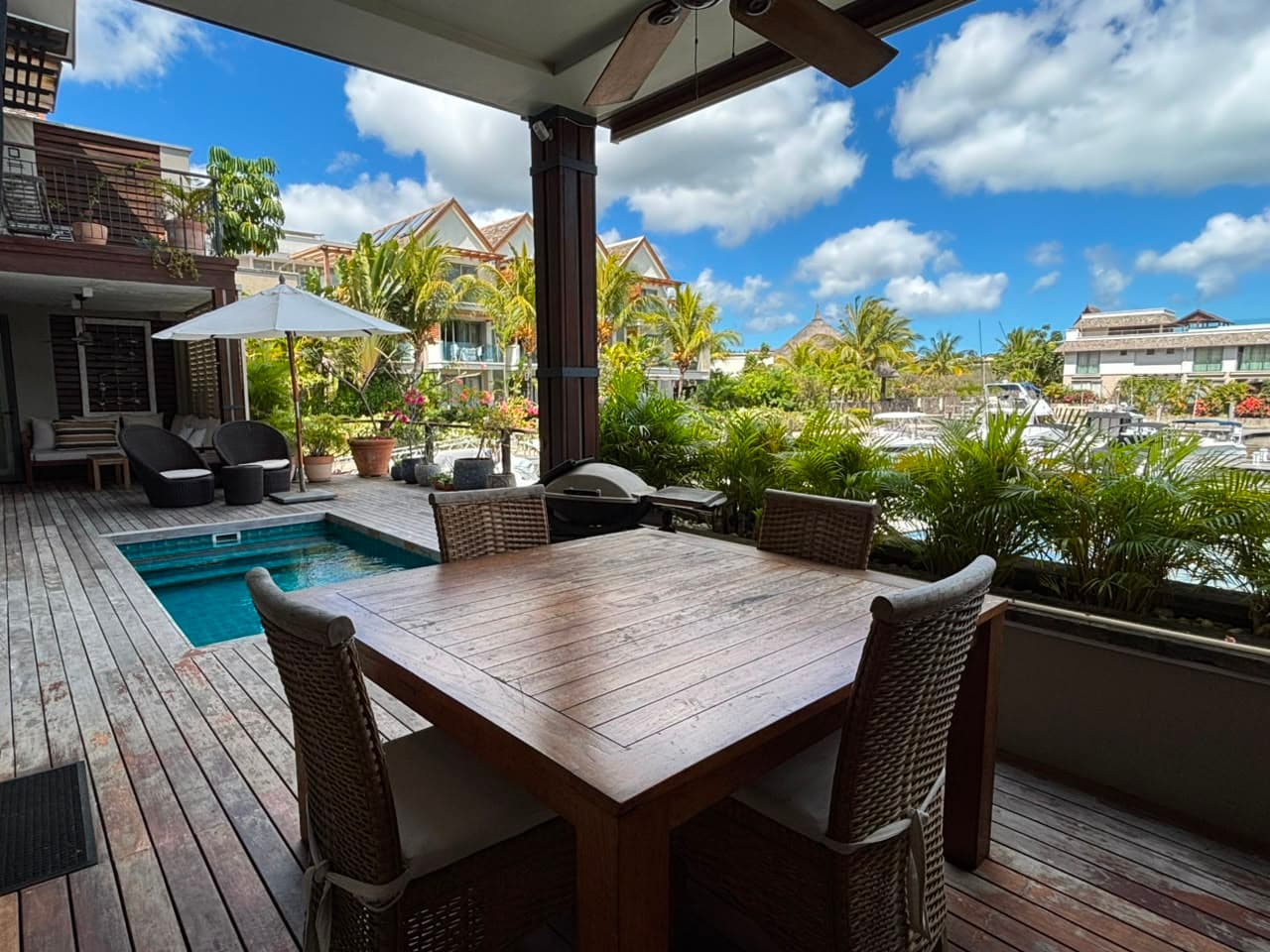
Ultimate Marina Lifestyle – Luxury Waterfront Residence, Private Mooring & Boat
44

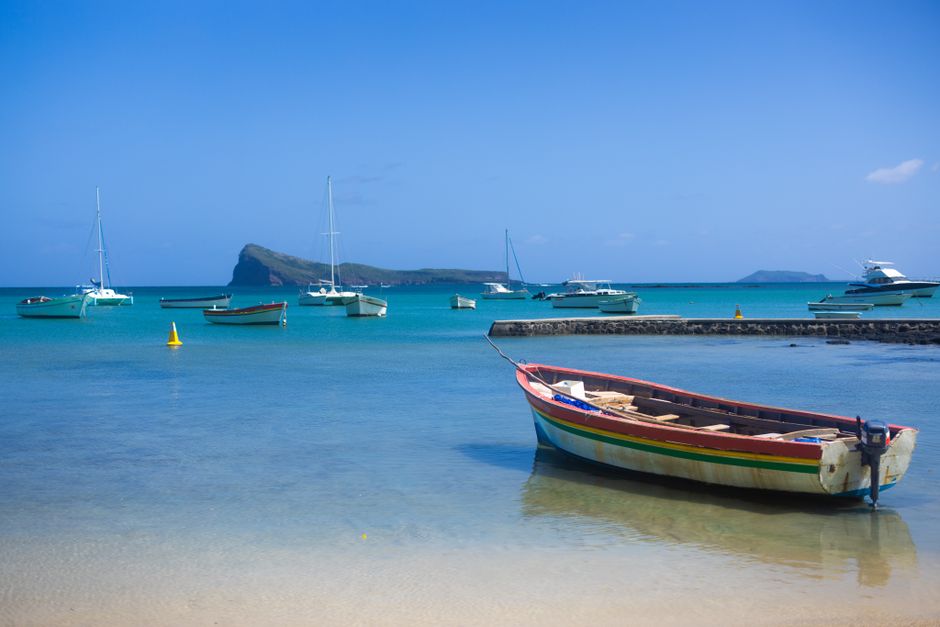
Mauritius is renowned for its stunning coastline, but for British and European investors, its tax system is equally compelling, featuring progressive personal income tax rates topped at 20% (35% above MUR 12 million), a 15% corporate tax rate, zero capital gains tax, and no inheritance or wealth…
For British and European investors eyeing a slice of the Indian Ocean dream, Mauritius offers far more than white-sand beaches and turquoise lagoons. Its tax framework is one of the most investor-friendly in the world — a carefully engineered system that has transformed this small island nation into a genuine financial hub and one of Africa's most competitive economies. Whether you're considering relocating, purchasing property, or establishing a business here, understanding how taxation works in Mauritius is essential groundwork.
Perhaps the single most attractive feature of the Mauritian tax system is its progressive personal income tax, which tops out at just 20% (35% above MUR 12 million). This applies to both individuals and corporations, making it refreshingly simple compared to the graduated, multi-bracket systems common across the UK and Europe. For a British professional accustomed to paying 40% or even 45% on higher earnings, the contrast is striking.
It's worth noting that residents — defined broadly as individuals spending more than 183 days per year in Mauritius — are taxed only on income sourced within the country. Foreign-sourced income remitted to Mauritius may benefit from partial exemptions depending on the nature of the income and applicable Double Taxation Avoidance Agreements (DTAAs). Mauritius has signed DTAAs with over 45 countries, including the UK, France, Germany, and South Africa, providing significant protection against being taxed twice on the same income.
One of the most compelling reasons European investors are drawn to Mauritian real estate is the complete absence of capital gains tax. When you sell a property in Mauritius at a profit, you keep that profit in full. Compare this to the UK, where capital gains on property can reach 28% for higher-rate taxpayers, and the appeal becomes immediately clear.
This makes purchasing a villa in Grand Baie, a beachfront apartment in Tamarin, or a luxury residence in Beau Champ not just a lifestyle decision, but a strategically sound investment. With property values in premium coastal areas showing consistent appreciation, the no-CGT environment meaningfully enhances long-term returns.
Mauritius levies no inheritance tax and no wealth tax. For high-net-worth individuals looking to preserve and transfer generational wealth, this is a significant structural advantage. Estates passed on to heirs are not eroded by the state, and there is no annual levy on assets held — whether those assets are financial instruments, business interests, or property.
This stands in sharp contrast to France, for example, where inheritance tax can reach 45% for direct descendants above certain thresholds, and where wealth taxes have historically applied to real estate holdings above €1.3 million.
Value Added Tax (VAT) in Mauritius sits at a standard rate of 15%, broadly comparable to rates across the EU. Most everyday goods and services fall under this rate, though certain essential items and services benefit from exemptions or zero-rating.
For entrepreneurs and international businesses, the Global Business Licence (GBL) framework is worth exploring. Companies operating under a GBL structure and conducting business primarily outside Mauritius can access an 80% partial exemption on certain categories of income, effectively reducing the applicable tax rate to as low as 3%. This has made Mauritius a favoured jurisdiction for holding companies, fund management operations, and regional headquarters.
Mauritius has actively courted long-stay residents and remote workers through programmes like the Premium Visa and the Occupation Permit for retirees and self-employed professionals. These schemes allow eligible individuals to live and work on the island legally, and once tax residency is established, the benefits of the flat tax system fully apply.
For retirees specifically, the Retired Non-Citizen Permit requires a minimum transfer of $1,500 per month into a Mauritian bank account. Once resident, pension income from abroad is generally not subject to Mauritian income tax unless remitted — a nuance worth discussing with a qualified tax adviser familiar with both your home country and Mauritian law.
The Mauritian tax system didn't happen by accident. It reflects decades of deliberate policy-making designed to attract foreign capital, skilled professionals, and long-term residents. For those considering making Mauritius their primary residence or investment destination, the fiscal environment is as welcoming as the climate.
Of course, individual circumstances vary, and the interaction between Mauritian tax law and your home country's rules can be complex. Always seek independent legal and financial advice tailored to your specific situation before making major decisions.
Ready to explore what Mauritius has to offer beyond the tax advantages? Browse our curated collection of luxury properties and investment opportunities at PropertyFinder Mauritius — your trusted gateway to island living done right.
Hand-picked
Riviere Noire · West

Baie du Cap · South

Tamarin · West

Baie du Cap · South
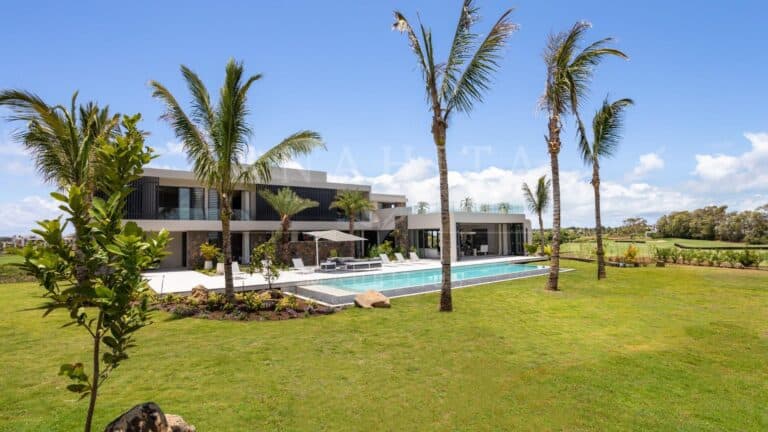
Beau Champ · East

Riviere Noire · West
Explore by region
Explore the site
Market updates, buying guidance and the best new listings, straight to your inbox.
About Mauritius · 28 Aug 2024
Mauritius is one of the safest islands in the Indian Ocean, but that doesn't stop savvy expats from seeking out martial arts and self-defense…
About Mauritius · 26 Aug 2024
Mauritius may be a small island, but its bookshops and online literary scene offer a surprisingly rich experience for expats and book lovers calling…
About Mauritius · 23 Aug 2024
From the UNESCO-listed heights of Le Morne Brabant to the vibrant streets of Grand Baie and the wild interior of Black River Gorges, Mauritius…
About Mauritius · 22 Aug 2024
The Mauritian Wildlife Foundation has spent four decades rescuing the island's rarest species and restoring its native ecosystems — and for those…
About Mauritius · 21 Aug 2024
The brilliantly coloured Mauritius day gecko is far more than a garden curiosity — as a native pollinator, seed disperser, and natural pest…
About Mauritius · 13 Aug 2024
Off the southwestern tip of Mauritius, an extraordinary optical illusion makes the Indian Ocean appear to cascade into an endless abyss — and a…
Browse our current listings or speak to an agent.