FOR RENTExpat
Rs450K/mo
Riviere Noire · West
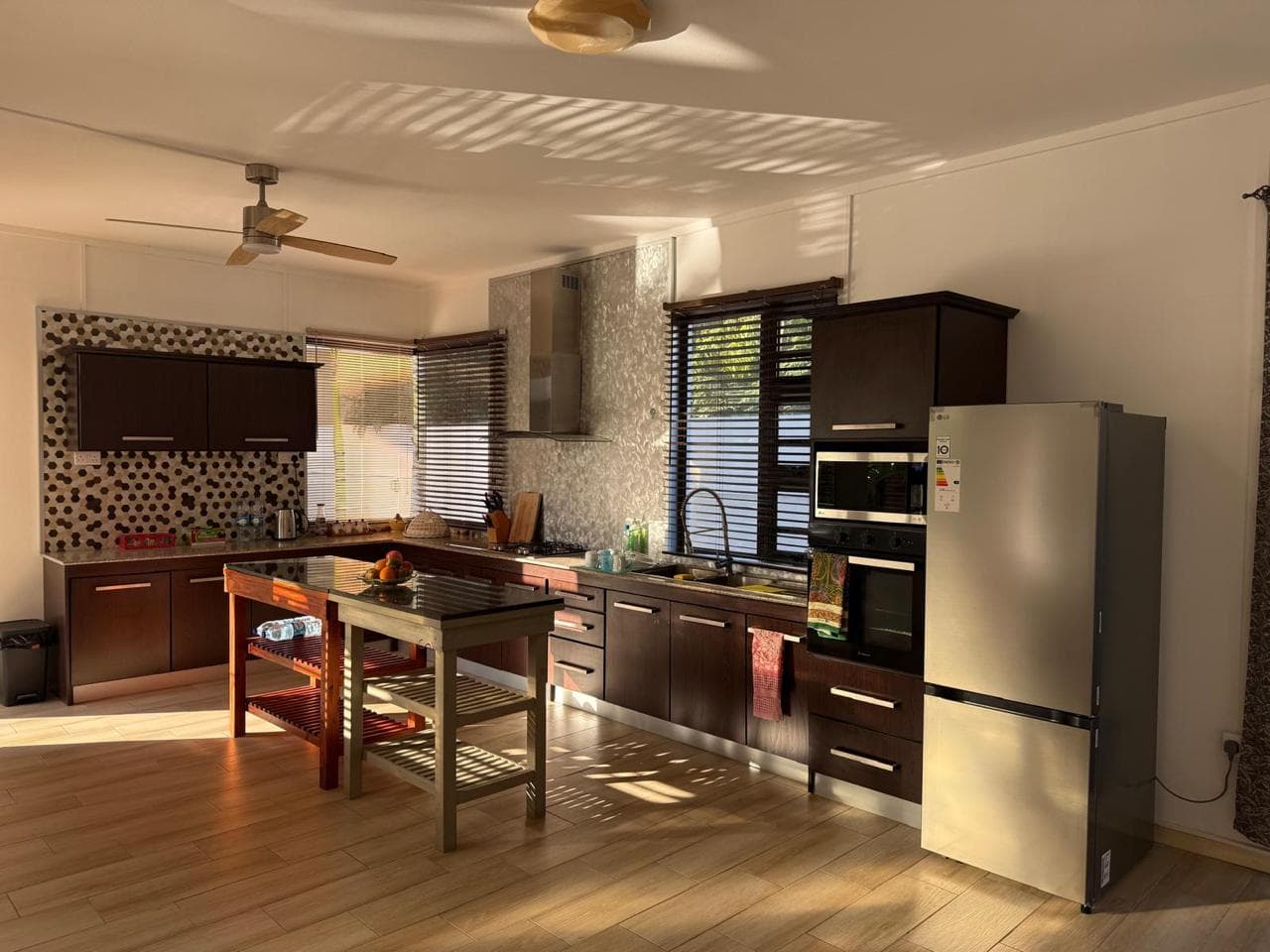
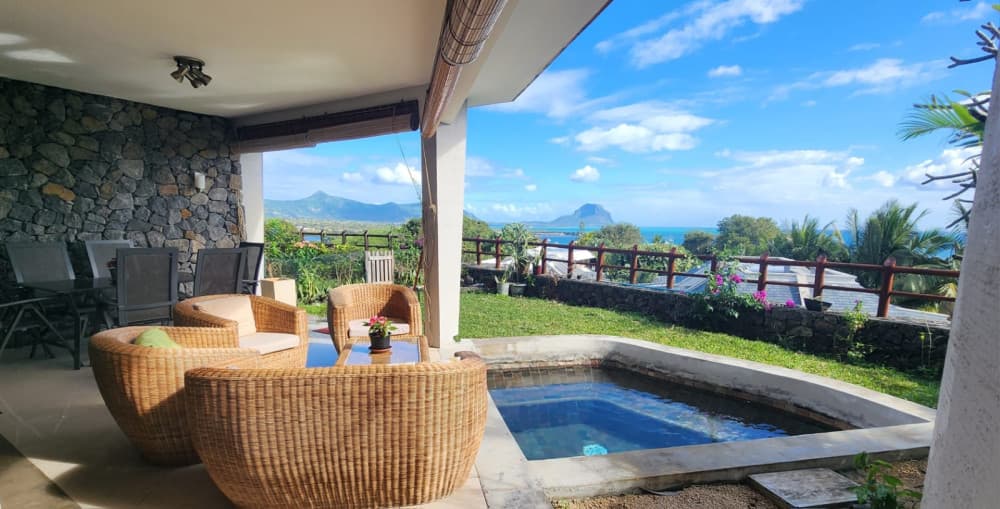
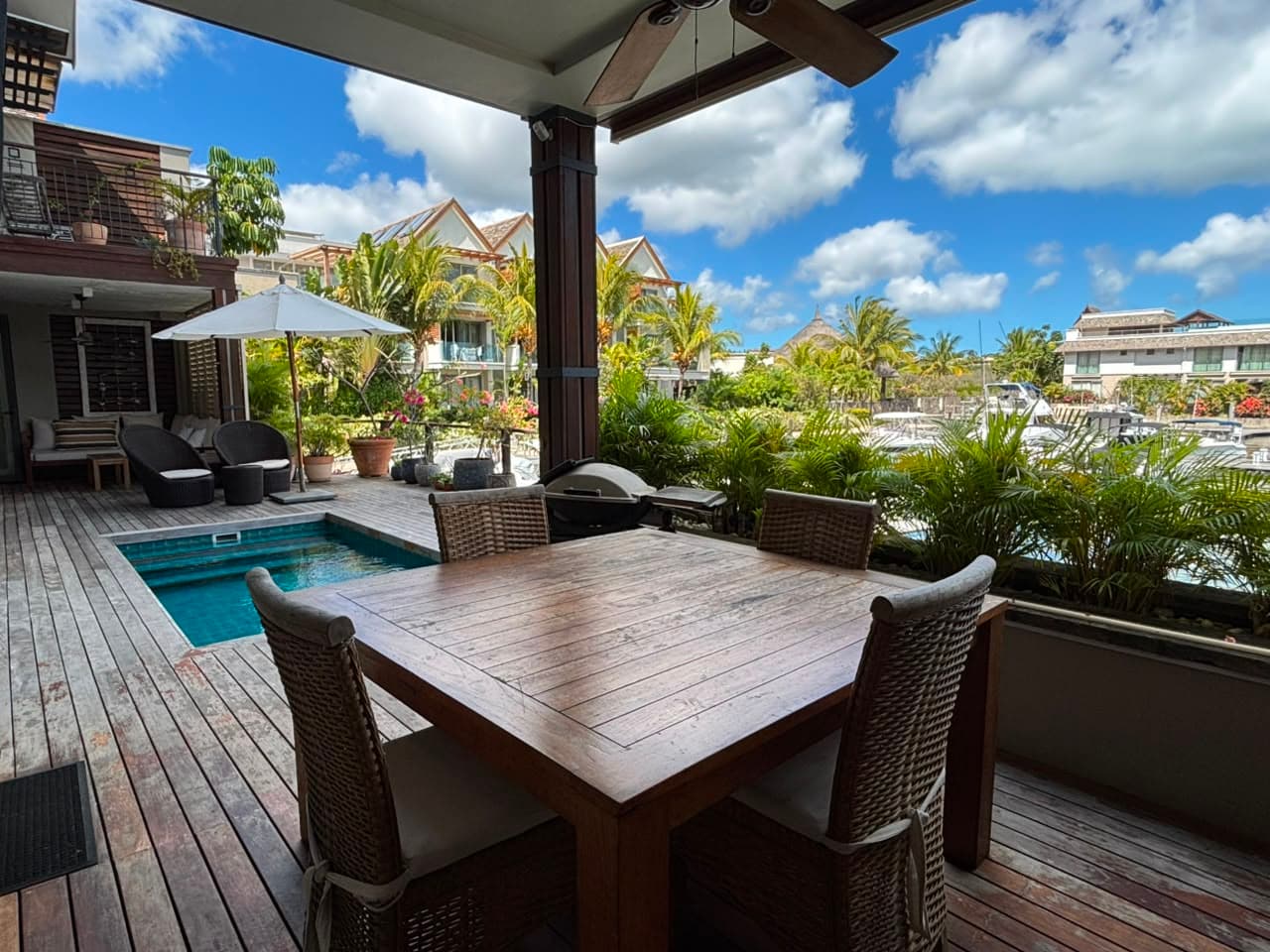
Ultimate Marina Lifestyle – Luxury Waterfront Residence, Private Mooring & Boat
44


The Mauritian rental property market offers compelling opportunities for European investors and expats alike, from high-yield short-term holiday villas on the north coast to long-term expatriate rentals commanding steady returns. Understanding the key drivers, legal frameworks, and loca…
Mauritius has long captured the imagination of European investors and lifestyle seekers — pristine beaches, a stable political climate, generous tax incentives, and a quality of life that is genuinely difficult to replicate elsewhere. But beyond the dream of ownership lies a equally compelling opportunity: the rental property market. Whether you are considering investing in buy-to-let property or relocating and looking to rent before you buy, understanding how this market works is essential to making confident, well-informed decisions.
The Mauritian rental market is driven by two primary tenant profiles, and the distinction matters enormously when evaluating potential returns.
The first is the expatriate long-term rental market. Mauritius hosts a sizeable community of European professionals, particularly from France, the UK, and South Africa, many of whom are employed in financial services, hospitality, and emerging tech sectors. These tenants typically seek well-furnished villas or apartments in coastal areas such as Grand Baie, Tamarin, and Beau Vallon, with leases running from six months to several years. Long-term rentals in prime locations can command between €1,500 and €5,000 per month, depending on size, finishes, and proximity to international schools and amenities.
The second driver is the short-term holiday rental market, which has matured significantly in recent years. Platforms like Airbnb and Booking.com have opened lucrative opportunities for villa owners, particularly in the north and west coasts. A well-managed luxury villa in Pointe d'Esny or Cap Malheureux can generate occupancy rates of 70–85% during peak European winter months, translating into yields that surprise even seasoned investors.
Gross rental yields in Mauritius typically range from 4% to 7%, with the higher end achievable through smart short-term rental management or properties within integrated resort schemes. IRS (Integrated Resort Scheme) and PDS (Property Development Scheme) properties — the routes through which foreigners most commonly purchase real estate in Mauritius — often come with on-site rental management programmes that simplify the process considerably for overseas investors.
It is worth noting that Mauritius imposes no capital gains tax and no inheritance tax, which strengthens the overall investment case beyond the rental income itself. Rental income is subject to progressive income tax rates of 0% to 35% depending on income level, still low by international standards, making net returns genuinely attractive when compared to equivalent investments in the UK or continental Europe.
As with any property market, location is the single most decisive factor in rental performance. The north coast — anchored by Grand Baie — remains the most liquid rental market, popular with both tourists and long-term expats due to its restaurants, beach clubs, marina, and international connectivity. The west coast, particularly around Tamarin and Black River, has grown substantially in appeal, attracting a younger, lifestyle-oriented demographic drawn to surf culture and the dramatic Rempart mountain backdrop.
For those seeking quieter, more exclusive positioning, the east coast — including Belle Mare and Trou d'Eau Douce — offers a premium rental environment anchored by five-star hotel neighbours and some of the island's finest lagoons. Properties here are often associated with luxury resort developments and attract discerning short-stay guests willing to pay a premium.
Foreign nationals can legally rent property in Mauritius without restriction, but purchasing property through which to generate rental income requires adherence to specific acquisition frameworks. The PDS scheme remains the primary route for foreign buyers and allows full ownership of residential property above a minimum investment threshold of USD 375,000. Once purchased, owners are free to place their property on the rental market.
Engaging a qualified notary and property lawyer from the outset is strongly recommended. Lease agreements in Mauritius are typically drafted in either English or French, and understanding your rights and obligations as a landlord — including regulations around security deposits, notice periods, and maintenance responsibilities — will protect your investment over the long term.
Beyond the numbers, there is something that rental yield calculations cannot fully capture: the lifestyle dividend that comes with owning property in Mauritius. Many European investors initially purchase as an investment, then gradually increase the time they spend on the island themselves. The combination of world-class healthcare, excellent international schooling, and the ability to obtain Mauritian residency through property investment above USD 375,000 makes this far more than a purely financial decision.
Whether you are looking to invest in a rental-ready villa, explore long-term leasing options before committing to a purchase, or simply understand what the market currently offers, PropertyFinder Mauritius is your most trusted starting point. Browse our curated listings, connect with vetted local agents, and take the first step towards making Mauritius work for you — both financially and personally.
Hand-picked
Riviere Noire · West

Baie du Cap · South

Tamarin · West

Baie du Cap · South
Beau Champ · East
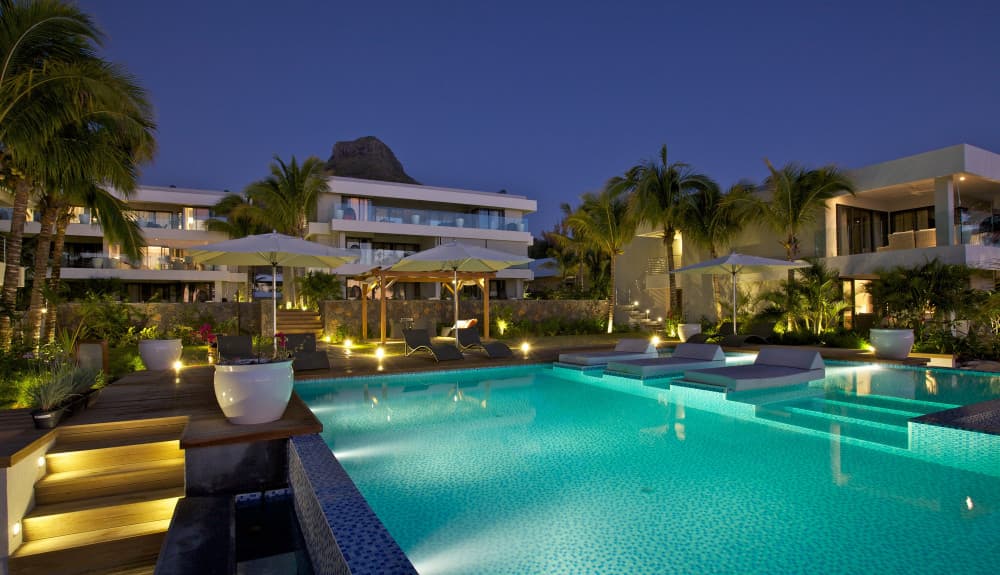
Riviere Noire · West
Explore by region
Explore the site
Market updates, buying guidance and the best new listings, straight to your inbox.
Mauritius Real Estate · 14 Oct 2026
Everything you need to know about house rental in Mauritius: costs, locations, lease rules, and how to find the right property. Updated guide for…
Mauritius Real Estate · 13 Oct 2026
Where to find a business park in Mauritius, what leasing or buying costs, and how foreign companies set up. Covers Ebène, Grand Baie, Pailles and…
Mauritius Real Estate · 12 Oct 2026
A practical guide to business insurance in Mauritius for property owners, landlords, and investors. Covers key cover types, costs, and what to check…
Mauritius Real Estate · 10 Oct 2026
Everything you need to know about getting a skipper license in Mauritius, from exam requirements to costs, plus how it connects to waterfront living.
Mauritius Real Estate · 9 Oct 2026
Find bungalows for rent in Mauritius: coastal, urban, and waterfront options explained, with inspection tips and neighbourhood comparisons.
Mauritius Real Estate · 9 Oct 2026
Explore the business park in Mauritius Riviere Noire, commercial real estate options, waterfront property, and financing routes for foreign buyers.
Browse our current listings or speak to an agent.