FOR RENTExpat
Rs450K/mo
Riviere Noire · West
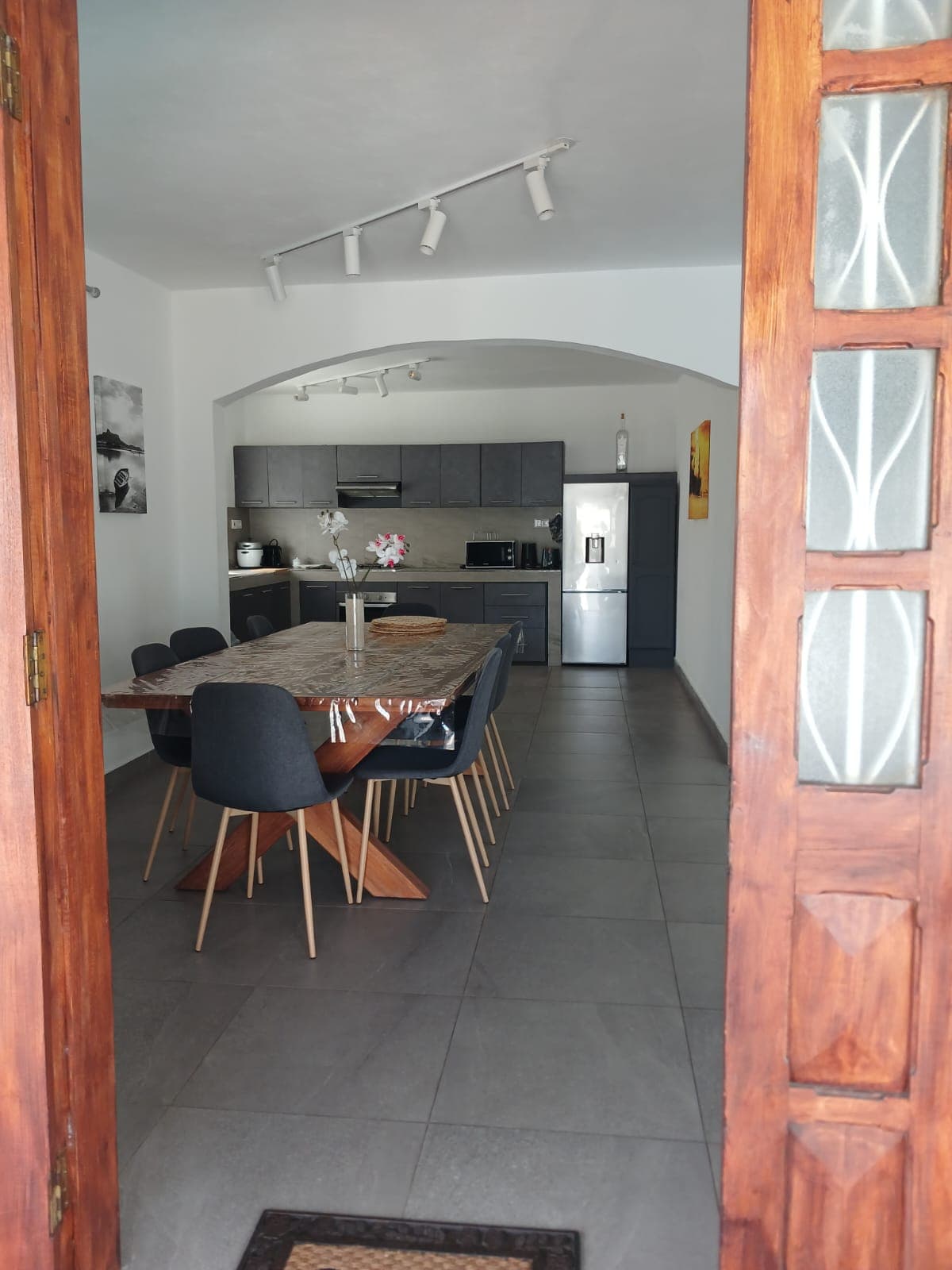
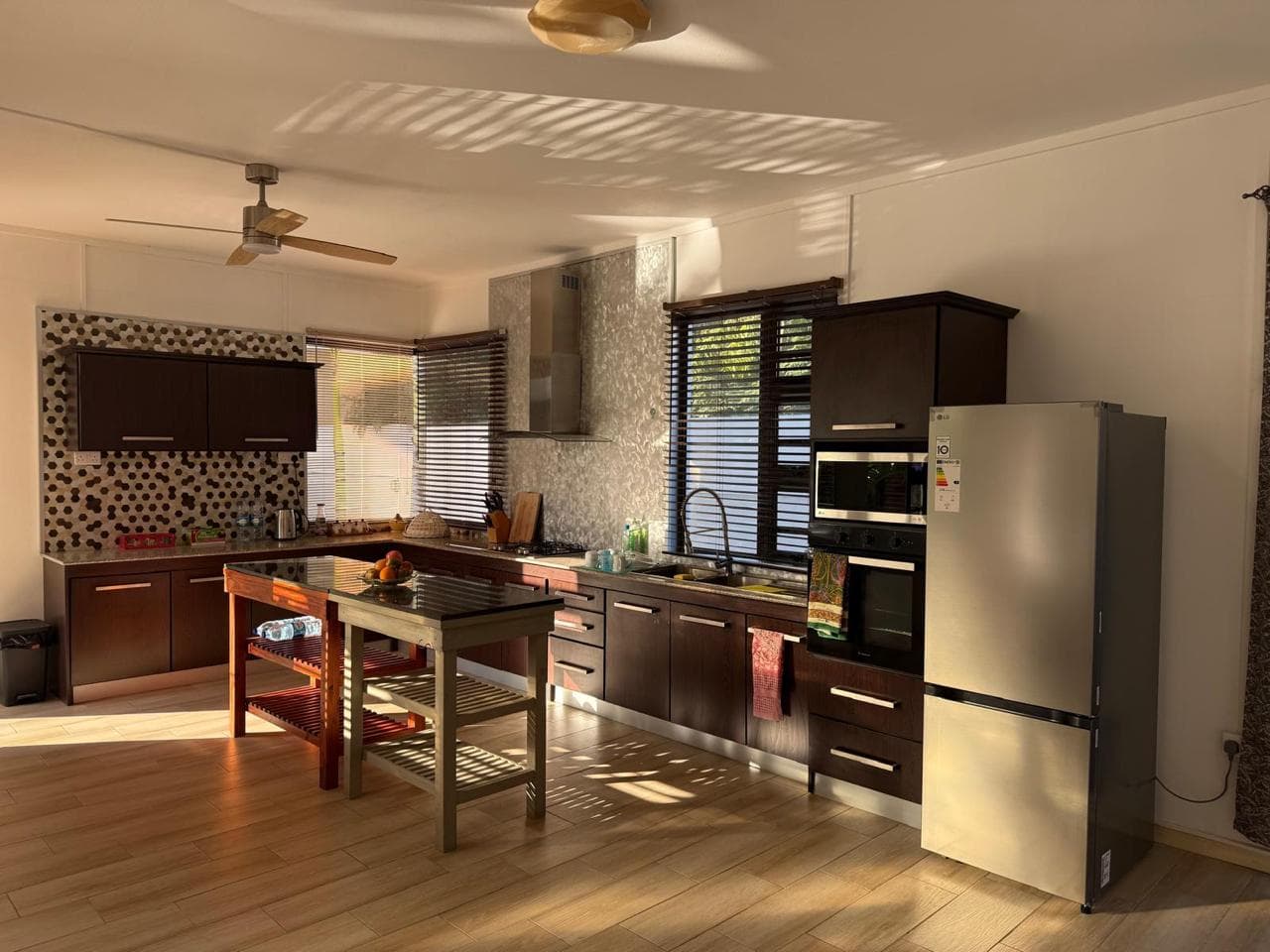
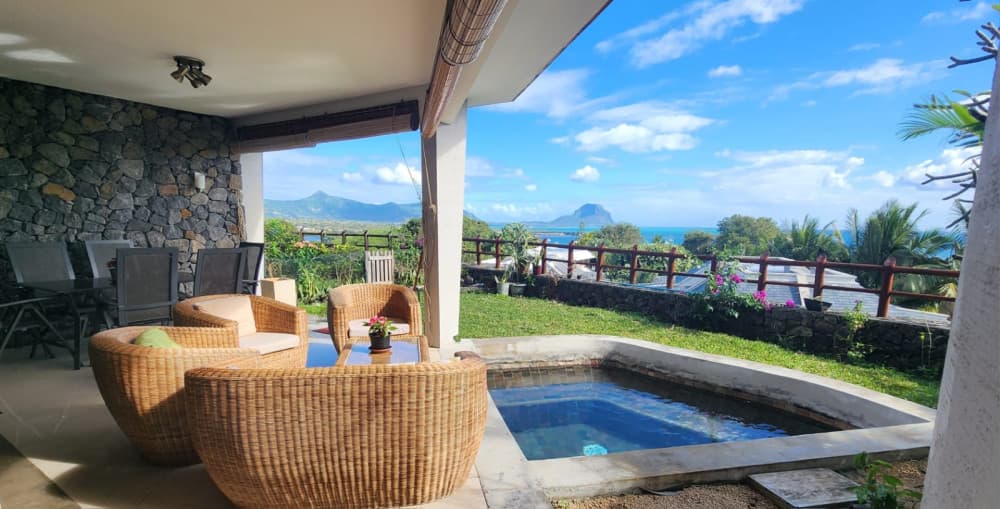
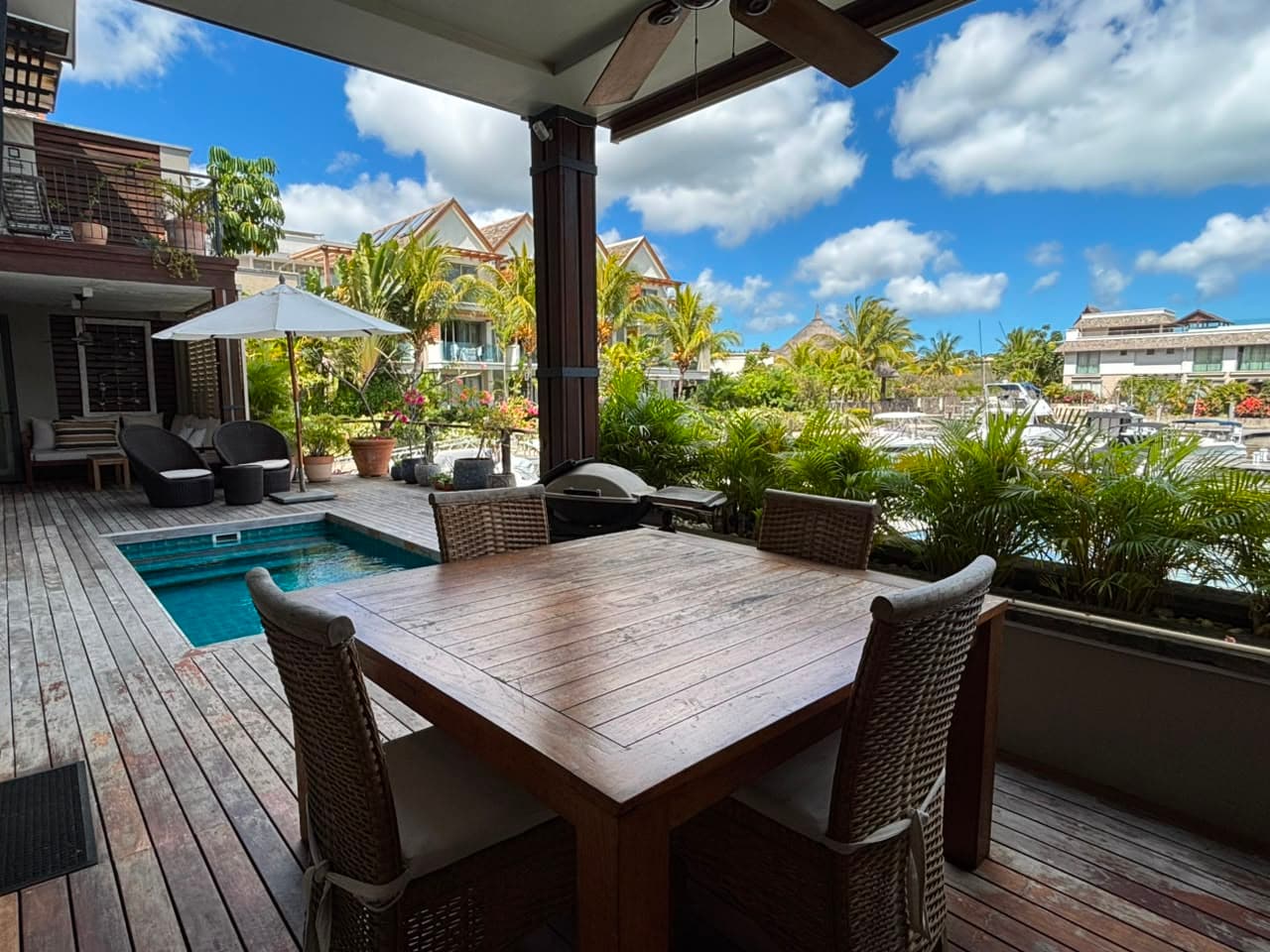
Ultimate Marina Lifestyle – Luxury Waterfront Residence, Private Mooring & Boat
44

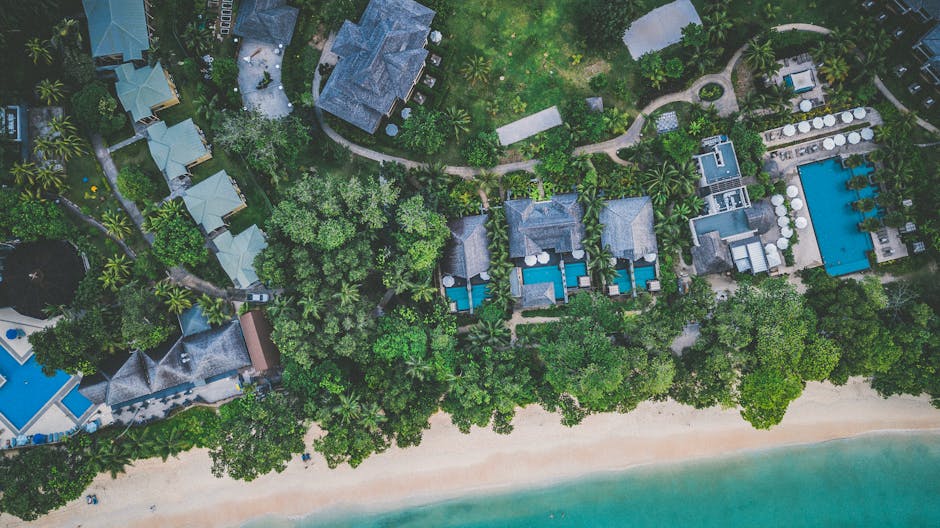
Cyclone season in Mauritius is far less fearsome than it sounds — once you understand the science behind these Indian Ocean storms and the island's world-class warning systems. Discover what every expat and investor should know about living confidently in a tropical climate.
For anyone considering a move to Mauritius — or who already calls this extraordinary island home — the word "cyclone" inevitably enters the conversation. It conjures dramatic images of churning seas and bent palm trees. Yet the reality of cyclone season in Mauritius is far more nuanced than the headlines suggest, and understanding the science behind these storms can transform anxiety into informed confidence.
A tropical cyclone is essentially a massive, rotating storm system that forms over warm ocean waters. In the Indian Ocean, these systems are classified as cyclones — the same phenomenon known as hurricanes in the Atlantic and typhoons in the Pacific. What they share is a defining characteristic: a low-pressure centre, known as the eye, surrounded by towering spiral bands of thunderstorms.
Cyclones are powered by heat and moisture drawn from the ocean surface. When sea surface temperatures exceed 26.5°C — a threshold easily met in the southwest Indian Ocean — warm, moist air rises rapidly, cools, and condenses, releasing enormous amounts of energy. The Coriolis effect, caused by Earth's rotation, sets the storm spinning anticlockwise in the Southern Hemisphere, creating that iconic spiral structure visible from satellite imagery.
Mauritius sits within the Southwest Indian Ocean basin, one of the world's six recognised tropical cyclone basins. This region is monitored by Météo-France La Réunion, the official Regional Specialised Meteorological Centre (RSMC) for the area, which tracks and names all tropical systems that develop between the African coastline and 90°E longitude.
The basin's cyclone season officially runs from 1 November to 30 April, with peak activity typically occurring between January and March. Climate patterns such as the Madden-Julian Oscillation (MJO) — a pulse of enhanced rainfall that travels eastward around the tropics every 30 to 60 days — play a significant role in triggering cyclone formation during this window.
On average, the Southwest Indian Ocean sees between nine and eleven named tropical systems per season, though only a fraction of these ever directly threaten Mauritius.
One of the most reassuring aspects of life in Mauritius is the island's exceptionally well-organised cyclone warning system, managed by the Mauritius Meteorological Services (MMS). Warnings are issued in four escalating classes:
This tiered system gives residents and property owners ample time to prepare, and the national broadcaster, MBC, provides continuous updates throughout any warning period. Most modern properties — particularly villas and apartments built to contemporary standards in Integrated Resort Schemes (IRS) and Smart City developments — are engineered to withstand winds exceeding 250 km/h, a testament to the robust building codes enforced across the island.
Here's the perspective that seasoned Mauritius residents often share with newcomers: a direct hit from a major cyclone is a relatively rare event. The island has experienced significant impacts from storms such as Cyclone Hollanda in 1994 and Cyclone Dina in 2002, but such direct strikes are the exception, not the rule.
Far more commonly, Mauritius experiences the outer bands of distant systems — periods of heavy rain, gusty winds, and rough seas that last a day or two before conditions return to the island's famously glorious sunshine. Many expats who have lived here for years describe cyclone warnings as a rather convivial affair: stocking the pantry, gathering neighbours, and riding out a blustery evening with a good bottle of wine.
For property investors, this context matters enormously. Well-constructed homes in Mauritius retain their structural integrity through cyclone seasons year after year, and comprehensive home insurance — which routinely covers cyclone damage — is both widely available and sensibly priced.
Choosing the right property in Mauritius means factoring in elevation, aspect, and construction quality — all of which influence how a home performs during adverse weather. Properties on the sheltered western and northern coasts, such as those around Grand Baie, Tamarin, and Balaclava, historically experience less wind exposure than the more exposed eastern coastline.
Ultimately, understanding cyclones is part of embracing the full, authentic experience of island life. The same warm Indian Ocean that nurtures these storms also produces the turquoise lagoons, the world-class diving, and the year-round warmth that make Mauritius one of the most coveted addresses on the planet.
Ready to find a property built for the Mauritius lifestyle — sun, sea, and cyclone-resilient living included? Explore our curated collection of luxury homes, villas, and apartments at PropertyFinder Mauritius, and let our local experts guide you to the perfect investment with confidence.
Hand-picked
Riviere Noire · West
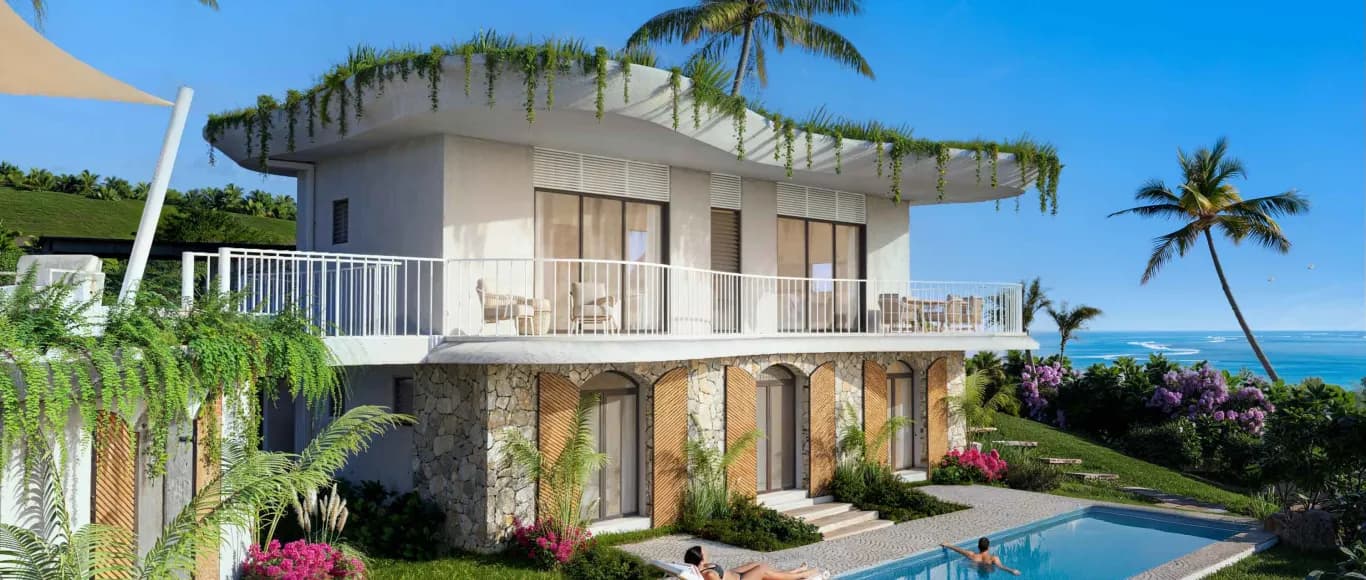
Baie du Cap · South

Tamarin · West
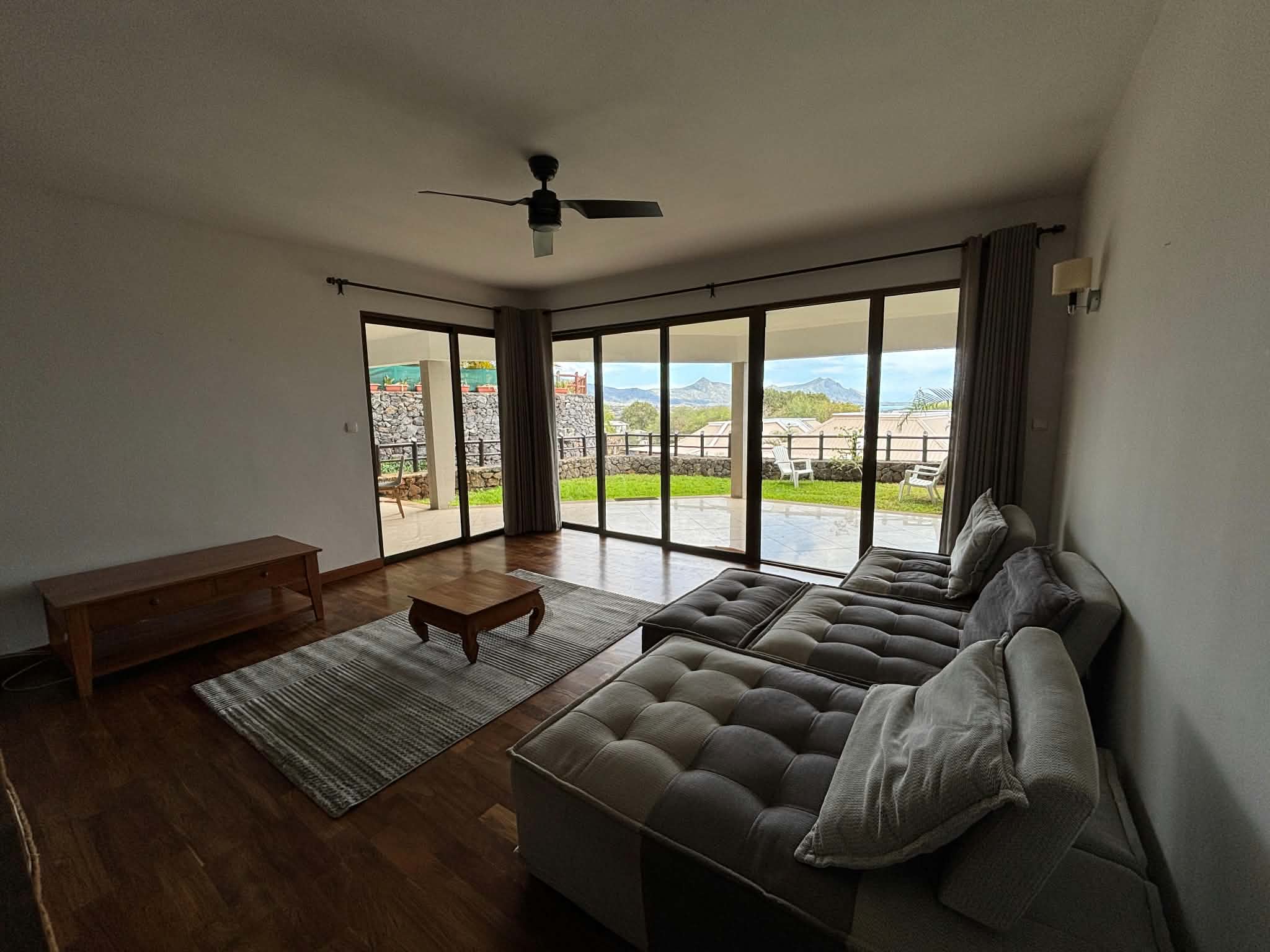
Tamarin · West

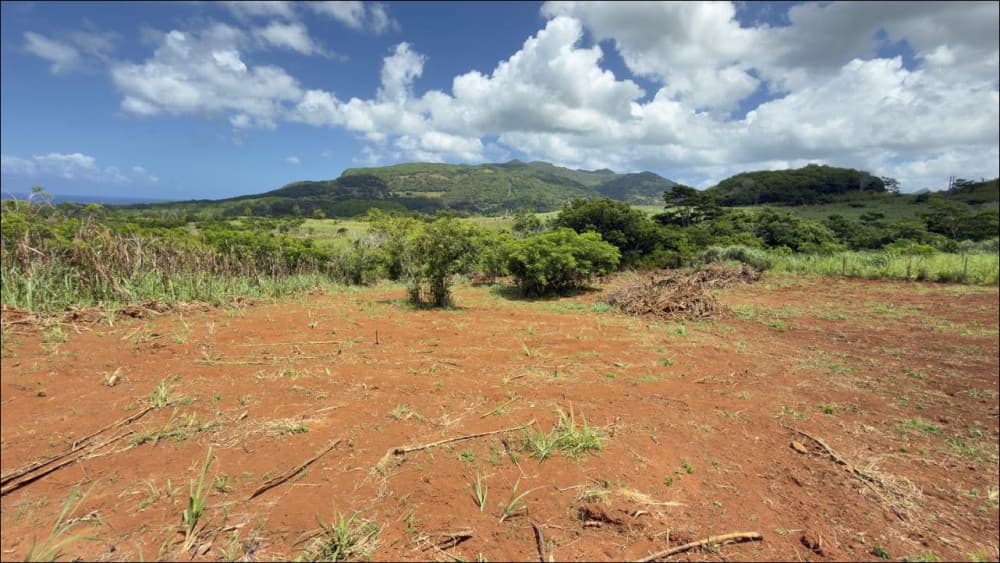
Baie du Cap · South
Beau Champ · East
Explore by region
Explore the site
Market updates, buying guidance and the best new listings, straight to your inbox.
About Mauritius · 28 Aug 2024
Mauritius is one of the safest islands in the Indian Ocean, but that doesn't stop savvy expats from seeking out martial arts and self-defense…
About Mauritius · 26 Aug 2024
Mauritius may be a small island, but its bookshops and online literary scene offer a surprisingly rich experience for expats and book lovers calling…
About Mauritius · 23 Aug 2024
From the UNESCO-listed heights of Le Morne Brabant to the vibrant streets of Grand Baie and the wild interior of Black River Gorges, Mauritius…
About Mauritius · 22 Aug 2024
The Mauritian Wildlife Foundation has spent four decades rescuing the island's rarest species and restoring its native ecosystems — and for those…
About Mauritius · 21 Aug 2024
The brilliantly coloured Mauritius day gecko is far more than a garden curiosity — as a native pollinator, seed disperser, and natural pest…
About Mauritius · 13 Aug 2024
Off the southwestern tip of Mauritius, an extraordinary optical illusion makes the Indian Ocean appear to cascade into an endless abyss — and a…
Browse our current listings or speak to an agent.