FOR RENTExpat
Rs450K/mo
Riviere Noire · West
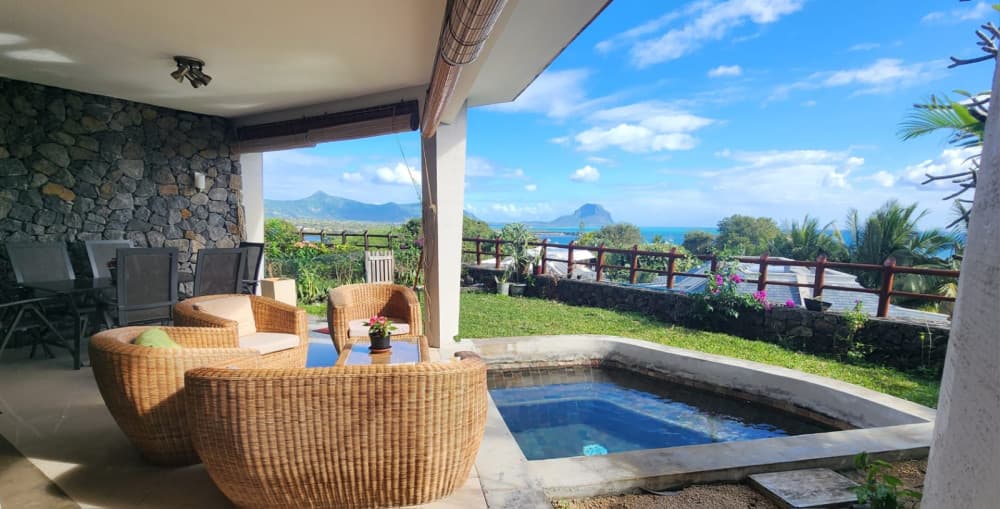
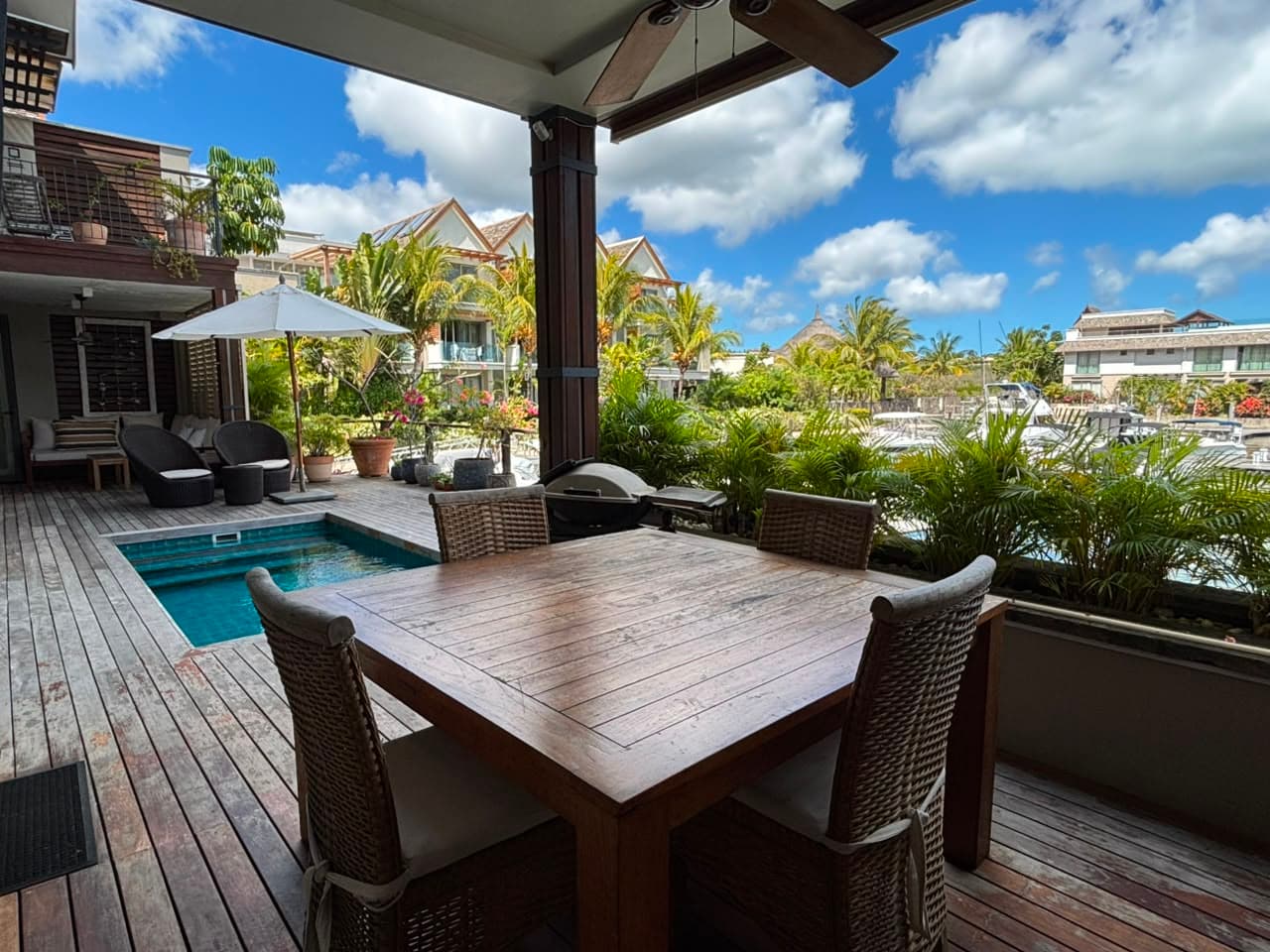
Ultimate Marina Lifestyle – Luxury Waterfront Residence, Private Mooring & Boat
44


Mauritius is far more than a postcard-perfect island — it's a centuries-old tapestry of cultures, languages, and histories that makes it one of the world's most compelling places to live and invest. From its colonial past to its modern-day allure for British and European expats, discove…
There is something quietly extraordinary about Mauritius. Beyond the turquoise lagoons and swaying palms that grace every travel brochure lies an island of remarkable depth — a place shaped by centuries of migration, colonial ambition, and cultural fusion. For British and European expats considering a move here, understanding this layered history isn't just intellectually rewarding; it fundamentally enriches the experience of living on the island.
Mauritius was uninhabited until the 16th century, a fact that sets it apart from most of the world's island nations. The Dutch arrived first in 1598, naming the island after Prince Maurice of Nassau, but it was the French who truly shaped its early colonial identity. From 1715, French settlers established sugar plantations that would define the island's economy for centuries, importing enslaved people from Madagascar and the African continent to work the land.
The British took control in 1810, following the Napoleonic Wars, and the island's layered identity deepened further. Abolition of slavery in 1835 brought a new wave of indentured labourers from India, whose descendants today form the majority of the population. Chinese traders and craftspeople followed. Creole, Franco-Mauritian, Indo-Mauritian, and Sino-Mauritian communities gradually wove together to create one of the most genuinely multicultural societies on earth.
This history is not merely academic. Walk through Port Louis, the capital, and you'll pass a colonial-era courthouse, a vibrant Chinese quarter, mosques, Hindu temples, and Catholic churches — often within the same few streets. The island's past is alive in its architecture, its cuisine, and its people.
Mauritius achieved independence in 1968 and became a republic in 1992, yet its multicultural foundations remain its greatest strength. Kreol Morisien is the most widely spoken language, but English is an official language and used in business and government — a significant practical comfort for British expats settling here.
The island's cultural calendar reflects its diversity magnificently. Diwali illuminates the streets in autumn. Chinese New Year brings lion dances to Port Louis. Eid is observed with community feasts, and Christmas and Easter are widely celebrated. There is a genuine spirit of coexistence here that many expats find both surprising and deeply appealing.
This cultural richness also expresses itself through food. Mauritian cuisine is a culinary map of the island's history — dholl puri (a street food staple with Indian roots), Creole rougaille, fresh seafood grilled with garlic and lemon, and French-inspired pâtisseries sit side by side in local markets and upscale restaurants alike.
Mauritius has steadily positioned itself as one of the Indian Ocean's most sought-after destinations for high-net-worth individuals and families. The reasons are pragmatic as much as emotional. The island operates under a stable democracy, maintains a transparent legal system based on both French civil law and English common law, and has established itself as a reputable international financial centre.
For property investors and those relocating, the Integrated Resort Scheme (IRS) and Property Development Scheme (PDS) have been transformative. These frameworks allow non-citizens to purchase freehold property in designated luxury developments — and upon investing a minimum of USD 375,000, buyers qualify for Mauritian residency. It is a remarkably straightforward pathway compared to many European residency-by-investment programmes.
The lifestyle dividend is considerable. British expats frequently cite the quality of international schools, the island's private healthcare facilities, and the roughly 300 days of sunshine per year as decisive factors. Add a 20% flat income tax rate and no inheritance or capital gains tax, and the financial case becomes compelling.
Neighbourhoods like Grand Baie in the north have become hubs of expat life — cosmopolitan, well-serviced, and sociable. The west coast, from Tamarin to Black River, attracts those seeking a quieter, more nature-oriented lifestyle, popular with surfers and families alike. The east coast, with its dramatic scenery and prestigious estate developments, appeals to those prioritising exclusivity and tranquillity.
The most successful expat stories in Mauritius share a common thread: people who took the time to understand the island before they arrived. Those who engage with its history, respect its cultural mosaic, and integrate — even partially — into local life consistently report a richer, more rewarding experience than those who treat it purely as a backdrop.
Mauritius rewards curiosity. And for those considering property investment or relocation, the combination of heritage, lifestyle, and genuine opportunity is difficult to match anywhere in the world.
Ready to explore what Mauritius has to offer you? At PropertyFinder Mauritius, we connect discerning buyers and investors with the finest properties across the island — from beachfront villas to prestigious estate residences. Browse our listings or speak with one of our expert advisors today to begin your Mauritian journey.
Hand-picked
Riviere Noire · West
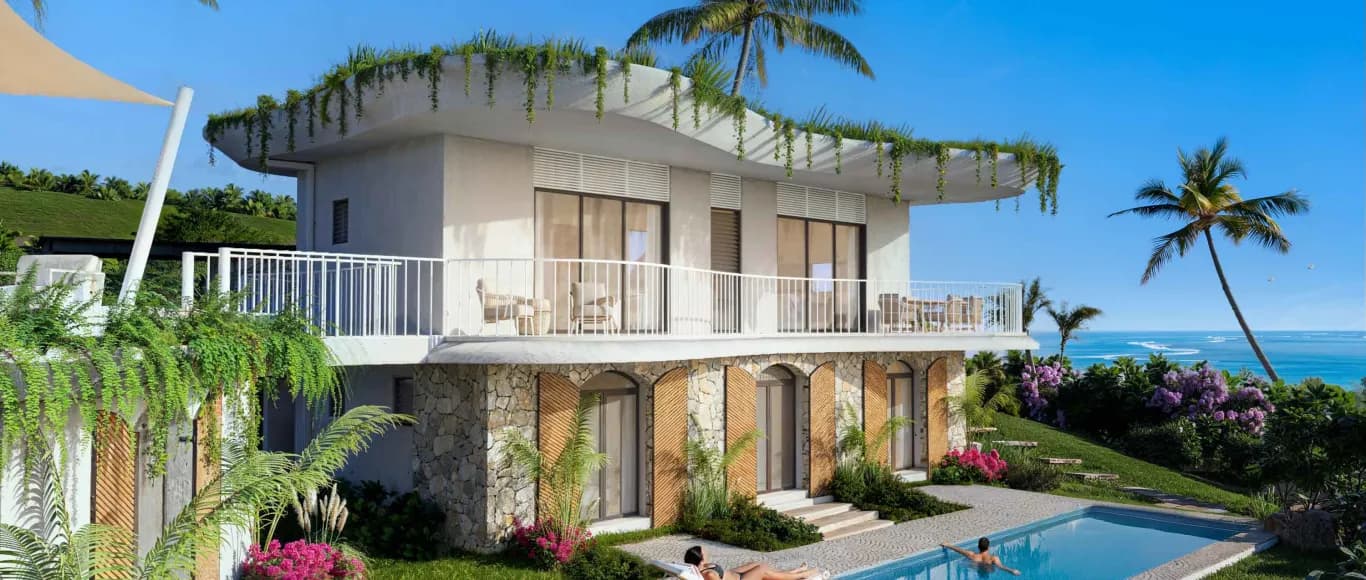
Baie du Cap · South
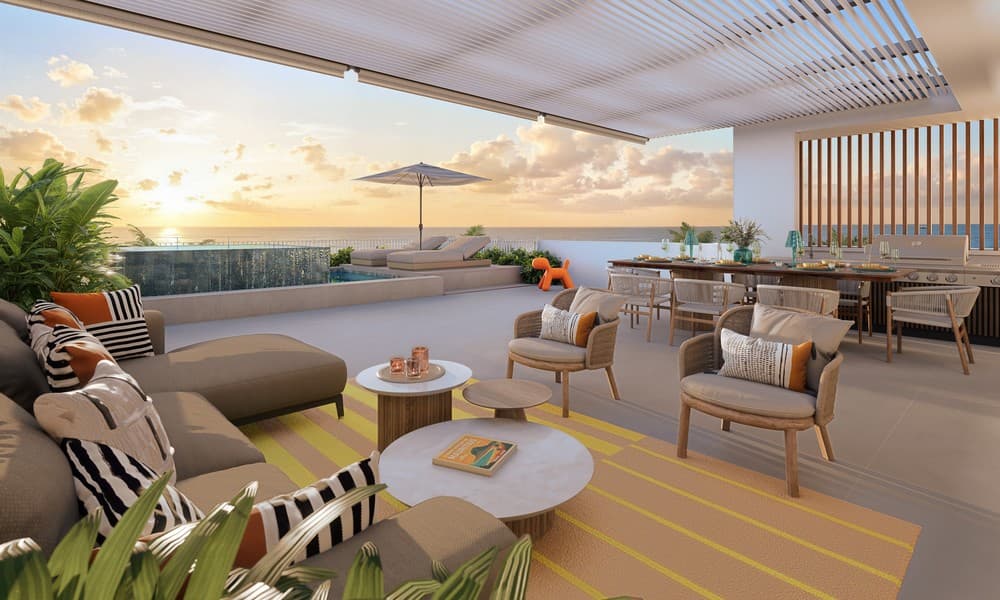
Tamarin · West
Baie du Cap · South

Beau Champ · East

Riviere Noire · West
Explore by region
Explore the site
Market updates, buying guidance and the best new listings, straight to your inbox.
About Mauritius · 28 Aug 2024
Mauritius is one of the safest islands in the Indian Ocean, but that doesn't stop savvy expats from seeking out martial arts and self-defense…
About Mauritius · 26 Aug 2024
Mauritius may be a small island, but its bookshops and online literary scene offer a surprisingly rich experience for expats and book lovers calling…
About Mauritius · 23 Aug 2024
From the UNESCO-listed heights of Le Morne Brabant to the vibrant streets of Grand Baie and the wild interior of Black River Gorges, Mauritius…
About Mauritius · 22 Aug 2024
The Mauritian Wildlife Foundation has spent four decades rescuing the island's rarest species and restoring its native ecosystems — and for those…
About Mauritius · 21 Aug 2024
The brilliantly coloured Mauritius day gecko is far more than a garden curiosity — as a native pollinator, seed disperser, and natural pest…
About Mauritius · 13 Aug 2024
Off the southwestern tip of Mauritius, an extraordinary optical illusion makes the Indian Ocean appear to cascade into an endless abyss — and a…
Browse our current listings or speak to an agent.