FOR RENTExpat
Rs450K/mo
Riviere Noire · West
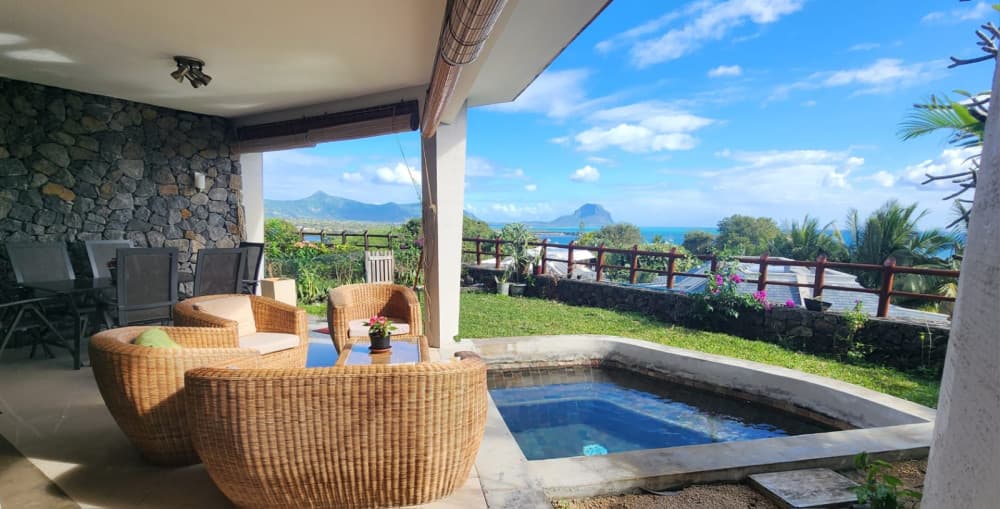
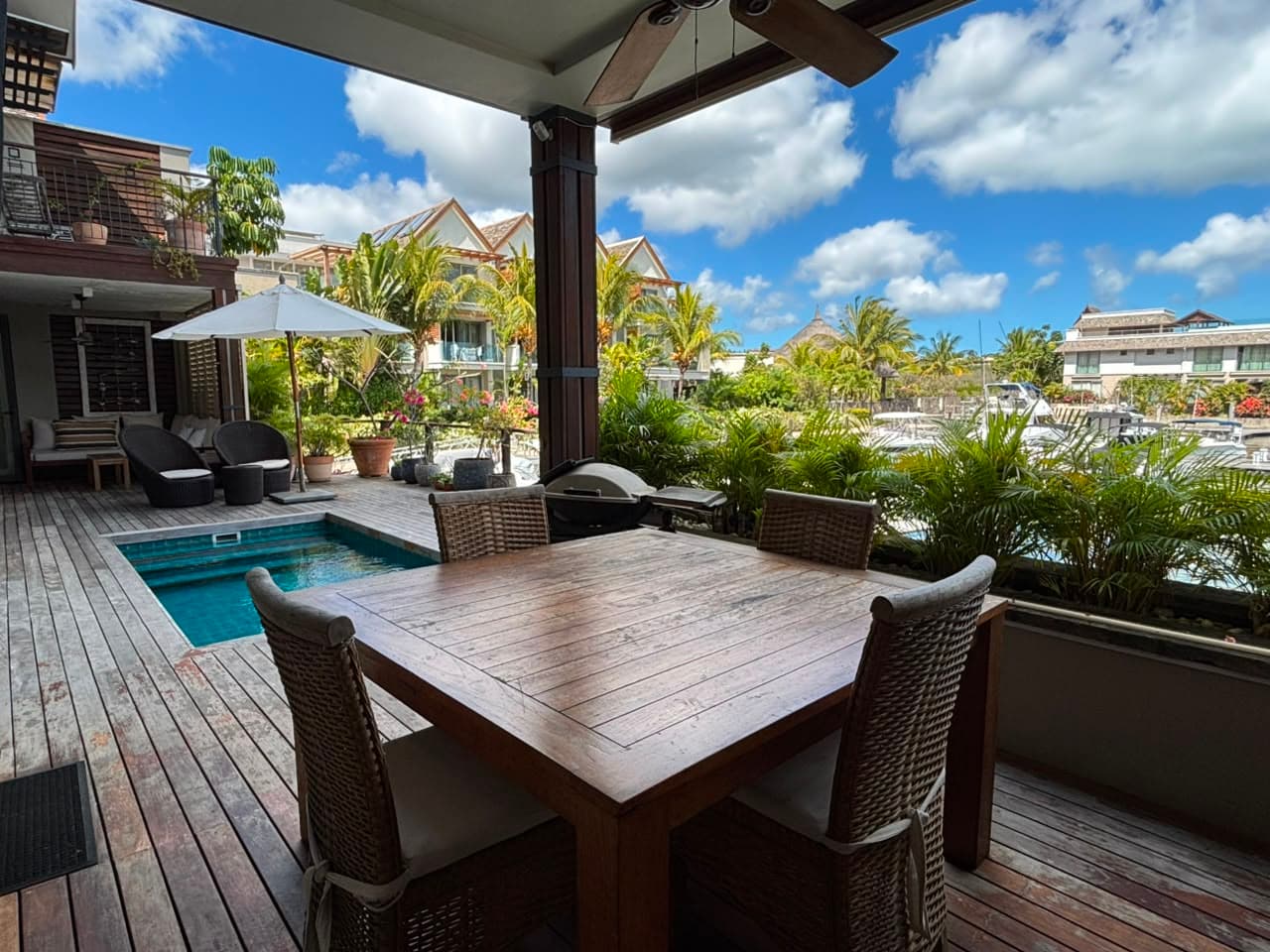
Ultimate Marina Lifestyle – Luxury Waterfront Residence, Private Mooring & Boat
44


The west coast of Mauritius is a region of extraordinary depth — where UNESCO-listed heritage sites, colonial sugar estates, and vibrant Creole fishing villages converge along one of the Indian Ocean's most beautiful coastlines. For expats and investors considering a move to the island,…
The west coast of Mauritius is far more than a postcard backdrop of turquoise lagoons and flame-hued sunsets. It is a living, breathing tapestry of colonial ambition, cultural fusion, and maritime heritage — one that has quietly shaped the identity of this island nation over more than three centuries. For British and European expats and investors drawn to this stretch of coastline, understanding its history and culture isn't just enriching; it's essential context for why so many choose to make it home.
The west coast, stretching from Flic en Flac in the north down through Tamarin, Black River (Rivière Noire), and on to the rugged cliffs near Le Morne, was among the first parts of Mauritius to be systematically settled and cultivated. The Dutch, who made landfall on the island in 1638, recognised the natural harbours along this coastline as strategically invaluable. They were followed by the French, whose influence proved far more enduring.
Under French colonial rule from 1715, the west coast became an agricultural powerhouse. Sugar cane estates spread across the piedmont plains between the Rempart Mountain range and the sea. The grand plantation houses — some of which still stand today, lovingly restored — are a defining architectural feature of the region. Places like Médine Sugar Estate, founded in the 19th century and still operational, offer a visceral connection to this colonial agricultural past.
When the British took control of the island in 1810 following the Battle of Grand Port, they wisely chose to retain French civil law, the French language, and many existing land rights. This pragmatic decision created the remarkable cultural layering that characterises Mauritius today — and the west coast in particular, where Franco-Mauritian families maintained vast landholdings for generations.
No discussion of the west coast's cultural history is complete without acknowledging Le Morne Brabant, the dramatic basalt peninsula that rises from the island's southwestern tip. In 2008, it was inscribed as a UNESCO World Heritage Site — not for its geology alone, but for its profound human story.
During the era of slavery, Le Morne's near-vertical cliffs provided refuge for Maroon communities — enslaved people who had escaped the brutal plantation system and sought freedom in the mountain's labyrinthine caves and ledges. Their story is one of extraordinary resilience, and the site remains a deeply sacred symbol of the struggle for freedom across the Indian Ocean world. The Le Morne Cultural Landscape is now a place of national remembrance, and visiting it offers a perspective on Mauritius that goes far beyond its resort reputation.
The twin villages of Tamarin and Black River sit at the mouth of the island's only true river estuary and have long been the heartland of Creole fishing culture on the west coast. Salt was once harvested in the shallow pans near Tamarin Bay — the old salt flats are still partially visible — while Black River's sheltered harbour has been the departure point for deep-sea fishermen for generations.
Today, this stretch of coastline has evolved into one of the most desirable addresses on the island, attracting an international community of surfers, yacht owners, divers, and remote workers. Yet the soul of the original fishing villages persists. The weekly Black River market, the colourful pirogues still moored at the quayside, and the family-run Creole restaurants serving rougaille and vindaye are a reminder that authentic Mauritian life carries on, comfortably coexisting with the cosmopolitan lifestyle that has taken root here.
What makes the west coast particularly compelling for those considering property investment in Mauritius is this cultural depth. Unlike resort enclaves that exist in a kind of pleasant isolation, communities such as Flic en Flac, Tamarin, and Black River are genuinely integrated into Mauritian civic and cultural life. Residents attend the Cavadee processions at the nearby Tamil temple in Bambous, celebrate Eid with neighbours, and watch the pirogue races during national festivals. This is a place where diversity is not a concept but a daily lived experience.
The Black River Gorges National Park, which forms the green hinterland of the west coast, adds another dimension — one of ecological heritage, with endemic species found nowhere else on Earth, from the Mauritius kestrel to the pink pigeon.
The west coast's combination of natural beauty, historical depth, and vibrant multicultural identity makes it one of the most compelling regions in the Indian Ocean for those seeking both a lifestyle upgrade and a sound long-term investment. Property values in Flic en Flac and Black River have shown consistent appreciation, driven by international demand for villas, smart apartments, and PDS-scheme residences that grant foreign buyers the right of residency.
If you're ready to explore what life on Mauritius's west coast could look like for you, PropertyFinder Mauritius is your expert starting point. Browse our curated selection of luxury properties across the west coast — from oceanfront villas in Tamarin to contemporary residences in Flic en Flac — and connect with our team to begin your journey.
Hand-picked
Riviere Noire · West
Baie du Cap · South
Tamarin · West
Baie du Cap · South

Beau Champ · East

Riviere Noire · West
Explore by region
Explore the site
Market updates, buying guidance and the best new listings, straight to your inbox.
About Mauritius · 28 Aug 2024
Mauritius is one of the safest islands in the Indian Ocean, but that doesn't stop savvy expats from seeking out martial arts and self-defense…
About Mauritius · 26 Aug 2024
Mauritius may be a small island, but its bookshops and online literary scene offer a surprisingly rich experience for expats and book lovers calling…
About Mauritius · 23 Aug 2024
From the UNESCO-listed heights of Le Morne Brabant to the vibrant streets of Grand Baie and the wild interior of Black River Gorges, Mauritius…
About Mauritius · 22 Aug 2024
The Mauritian Wildlife Foundation has spent four decades rescuing the island's rarest species and restoring its native ecosystems — and for those…
About Mauritius · 21 Aug 2024
The brilliantly coloured Mauritius day gecko is far more than a garden curiosity — as a native pollinator, seed disperser, and natural pest…
About Mauritius · 13 Aug 2024
Off the southwestern tip of Mauritius, an extraordinary optical illusion makes the Indian Ocean appear to cascade into an endless abyss — and a…
Browse our current listings or speak to an agent.