FOR RENTExpat
Rs450K/mo
Riviere Noire · West
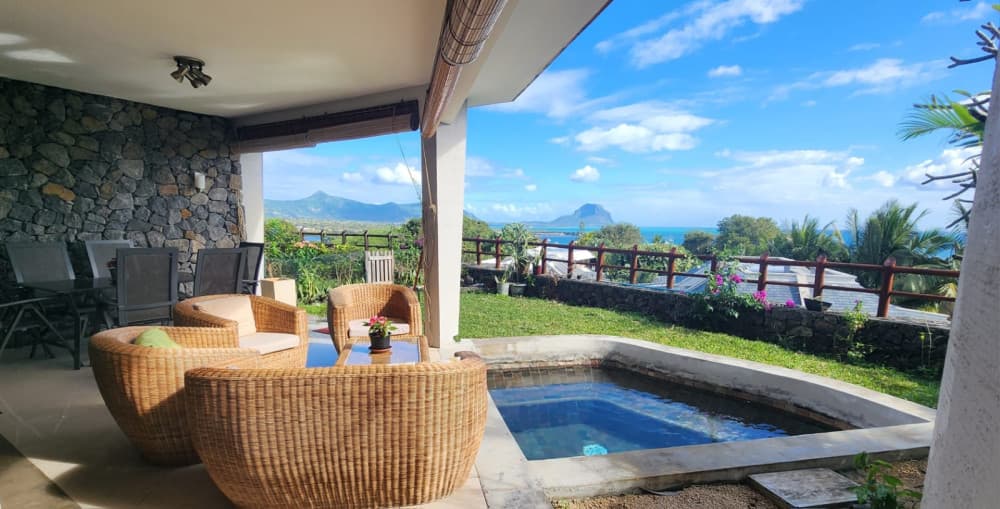
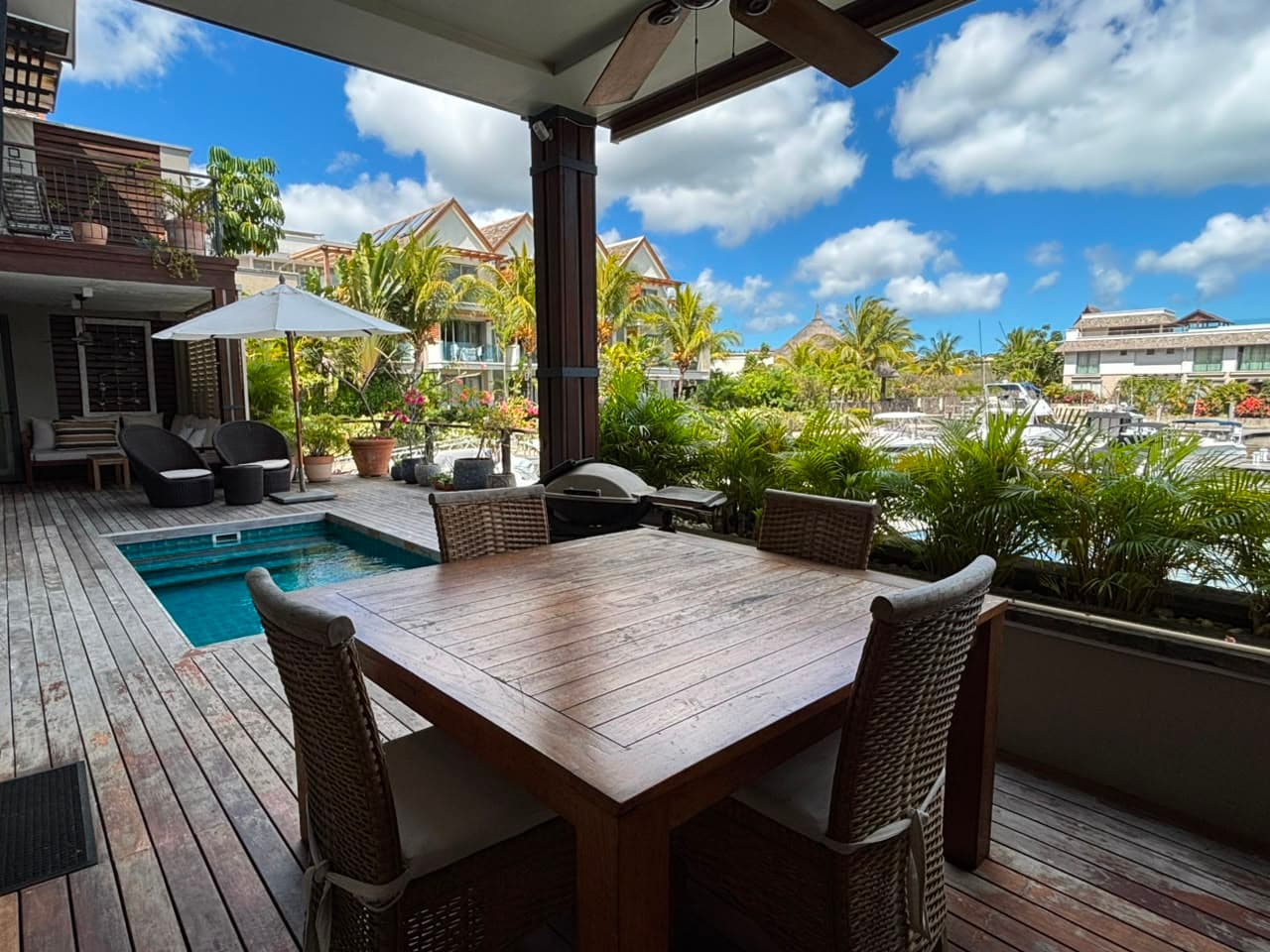
Ultimate Marina Lifestyle – Luxury Waterfront Residence, Private Mooring & Boat
44


Buying property in Mauritius means working with a notary — a state-appointed legal officer whose role goes far beyond paperwork. Here's everything you need to know before you sign.
If you're considering buying property in Mauritius, you'll quickly encounter a word that is central to every real estate transaction on the island: notary. For British and European buyers accustomed to solicitors, conveyancers, or notaires, the role can seem familiar yet subtly different. Understanding exactly what a notary does — and why their involvement is not optional — is one of the most important steps you can take before signing anything.
In Mauritius, the legal system is rooted in the Napoleonic Code, inherited from French colonial rule, which means the country operates a civil law framework rather than the common law system used in the United Kingdom. Within this framework, a notary (known locally as a notaire) is a highly trained legal professional appointed by the state. They are not simply a witness or an administrator — they are an officer of the law.
A notary's core function is to draft, authenticate, and register legally binding documents, including property deeds, wills, marriage contracts, and company statutes. When it comes to real estate, the notary is the person who prepares the Deed of Sale (Acte de Vente), ensures the title is clean and unencumbered, verifies the identity of all parties, and registers the transaction with the Registrar-General. Without a notary, a property sale in Mauritius has no legal standing.
Unlike in the UK, where buyers and sellers typically each appoint their own solicitor, in Mauritius it is common — and legally accepted — for a single notary to act for both parties. This is because the notary's duty of impartiality is enshrined in law; they represent neither the buyer nor the seller, but rather the integrity of the transaction itself.
This matters enormously for foreign investors. Whether you are purchasing a luxury villa through a PDS scheme (Property Development Scheme), a beachfront apartment under an IRS or RES framework, or a freehold property as a resident, the notary is your primary safeguard against fraud, disputed ownership, and irregular title chains.
Before the Deed of Sale is signed, your notary will conduct thorough due diligence, including:
This is a question that often arises, and the distinction is worth clarifying. A lawyer (avocat) in Mauritius represents your interests and can advise you on negotiation strategy, disputes, or complex legal questions. A notary, on the other hand, drafts and authenticates official acts and ensures the transaction is legally watertight for all parties. For most straightforward property purchases, engaging a notary is sufficient. For more complex acquisitions — particularly those involving corporate structures, inheritance planning, or large-scale developments — working with both is advisable.
Notary fees in Mauritius are regulated by law and calculated as a percentage of the property's purchase price. They are typically borne by the buyer and generally range between 1% and 1.5% of the transaction value, though this can vary depending on the complexity of the deal. Registration duties and other government levies are separate and also typically the buyer's responsibility. Your notary should provide a clear, itemised breakdown of all costs before you proceed — if they don't, ask.
While any registered notary in Mauritius is legally qualified to handle a property transaction, it pays to work with one who has demonstrable experience with foreign buyers and international property schemes. The nuances of PDS eligibility, residency permits linked to property purchases, and cross-border fund transfers all benefit from a notary who understands the full picture of expat investment on the island.
Ask your real estate agent for recommendations, seek referrals from other buyers in your network, or consult the Chamber of Notaries of Mauritius for a list of registered practitioners.
Buying property in Mauritius is one of the most rewarding decisions you can make — whether you're seeking a sun-drenched holiday home, a permanent relocation, or a sound long-term investment in one of the Indian Ocean's most stable economies. But like any significant financial commitment, it deserves the right professional guidance from the very start.
Your notary is not a formality. They are the legal cornerstone of your purchase.
Ready to find your perfect property in Mauritius? Browse our curated collection of villas, apartments, and land at PropertyFinder Mauritius, where our team is on hand to connect you with trusted legal professionals, verified listings, and everything you need to invest with confidence.
Hand-picked
Riviere Noire · West

Baie du Cap · South

Tamarin · West

Baie du Cap · South

Beau Champ · East

Riviere Noire · West
Explore by region
Explore the site
Market updates, buying guidance and the best new listings, straight to your inbox.
Buying a Property · 29 Jul 2026
Who can buy, the PDS and Smart City schemes, residence permits, the buying process step by step, costs, financing and tax for foreign buyers.
Buying a Property · 19 Aug 2024
Harmonie Golf Estate on Mauritius's scenic west coast offers a rare opportunity to invest in sustainably designed luxury villas within an…
Buying a Property · 9 Aug 2024
Mauritius has evolved well beyond its reputation as a holiday destination — today it offers British and European investors a rare combination of…
Buying a Property · 8 Aug 2024
Mauritius is fast becoming one of the Indian Ocean's most attractive destinations for rental property investment, offering foreign buyers political…
Buying a Property · 29 Jul 2024
Eco Savannah is one of Mauritius's most compelling residential developments, blending sustainable architecture with luxury villa living in the…
Buying a Property · 22 Jul 2024
Les Salines in Black River, a Beachcomber resort, offers branded apartments to foreign buyers under approved schemes. Here is what to verify.
Browse our current listings or speak to an agent.