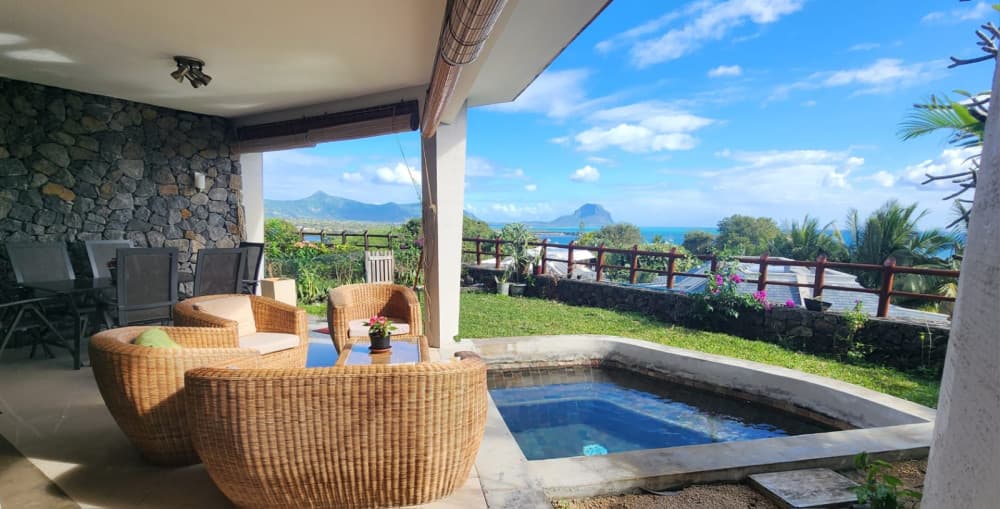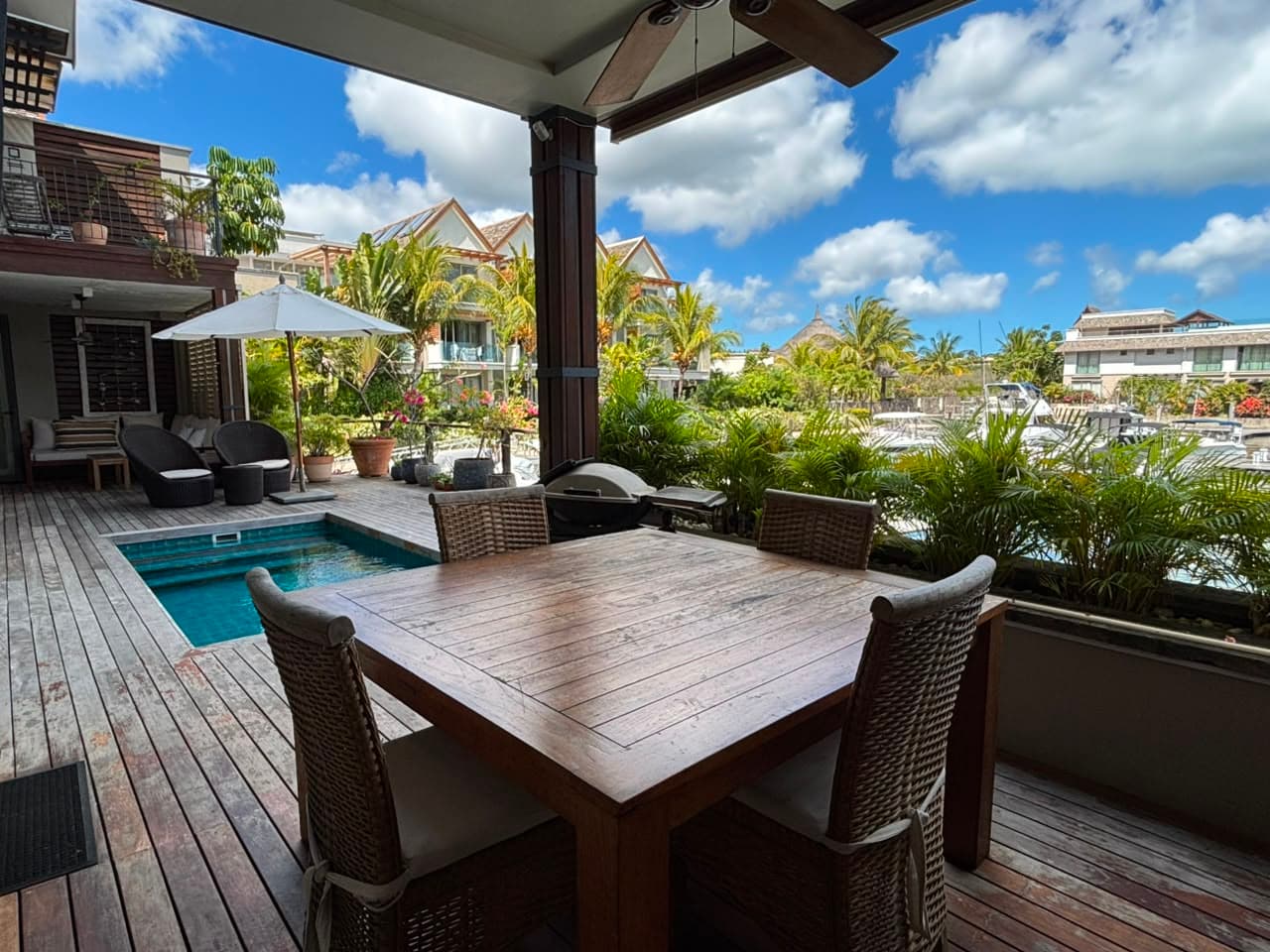
FOR RENTExpat
Rs450K/mo
Riviere Noire · West
Ultimate Marina Lifestyle – Luxury Waterfront Residence, Private Mooring & Boat
44


Mauritius is an increasingly popular destination for South Africans seeking stable property investment and a better quality of life, but buying as a foreign national involves specific legal frameworks, exchange control regulations, and tax considerations. This guide breaks down everythi…
Mauritius has long captured the imagination of South Africans seeking a better quality of life, political stability, and a sound investment environment. With its Indian Ocean setting, world-class amenities, and increasingly accessible property market, the island is no longer just a holiday destination — it's a serious relocation and investment option. But buying property as a foreign national comes with its own set of rules. Here's what South Africans specifically need to know before signing anything.
Foreign nationals, including South Africans, cannot purchase freehold property on the open market in Mauritius without restriction. However, the government has created several approved investment frameworks specifically designed to allow foreign ownership. The primary routes are:
The minimum purchase price for most PDS properties is USD 375,000, which also qualifies the buyer and their dependants for a Mauritian residence permit — a significant drawcard for South Africans considering a full relocation.
This is where South Africans face a unique consideration. Under South African Reserve Bank (SARB) exchange control regulations, South African residents are subject to annual allowances when transferring money offshore:
For a property priced at USD 375,000 — currently equivalent to roughly ZAR 6.8 to 7 million depending on the exchange rate — most buyers will need to use their Foreign Investment Allowance and obtain the necessary tax clearance. It's essential to work with a South African forex specialist alongside your Mauritian legal team to structure transfers correctly and avoid penalties.
Property transactions in Mauritius are governed by a Napoleonic civil law system, which differs significantly from South Africa's common law framework. All property transfers are handled by a notary (notaire), who acts as a neutral party rather than representing either buyer or seller.
The typical purchase process involves:
The entire process typically takes three to six months from offer to transfer. Legal and notary fees generally amount to around 5% of the purchase price, and there is no capital gains tax in Mauritius on property sales — a notable advantage for investors.
Mauritius and South Africa have a Double Taxation Agreement (DTA) in place, which means income earned and taxed in Mauritius is not taxed again in South Africa — provided you meet the residency requirements. Mauritius has a progressive personal income tax rate of 0% to 35%, and there is no inheritance tax, wealth tax, or capital gains tax. For South Africans accustomed to a top marginal rate of 45%, the fiscal environment here is a compelling reason to consider formally emigrating or restructuring assets.
If you're planning to spend more than 183 days per year in Mauritius, you may qualify as a tax resident. This is worth discussing with a cross-border tax advisor who understands both jurisdictions.
Beyond the legal and financial mechanics, it's worth acknowledging what draws South Africans here in such numbers. Mauritius offers political stability, a low crime rate, excellent private schooling, and a strong expat community — including a well-established South African contingent. English is widely spoken, the food culture is vibrant, and the standard of living at the luxury end of the market rivals anywhere in the world.
Developments like those on the west and north coasts — from Grand Baie to Tamarin — offer beautifully designed homes with ocean views, beach club access, and property management services that make ownership genuinely hassle-free, whether you're living here full-time or using it as a holiday asset.
Buying property in Mauritius as a South African is entirely achievable — but it requires the right guidance from the outset. At PropertyFinder Mauritius, we list the finest approved developments and resale properties across the island, and our team understands the specific needs of South African buyers navigating this market. Browse our listings today and take the first step toward making Mauritius more than just a dream.
Hand-picked
Riviere Noire · West
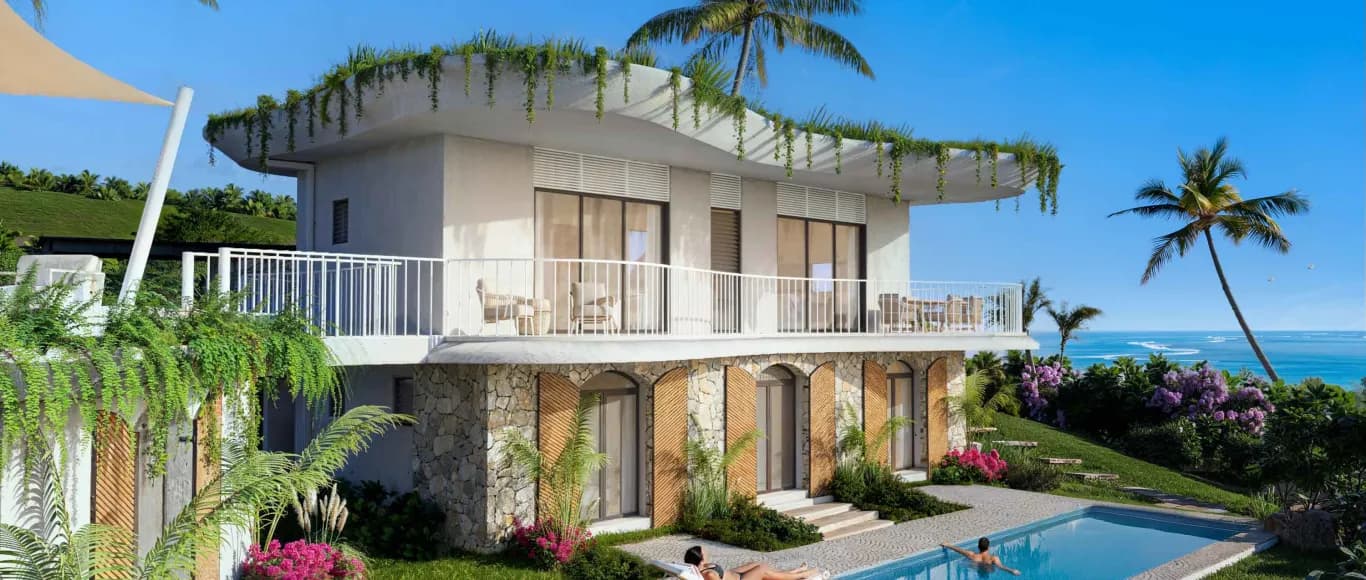
Baie du Cap · South
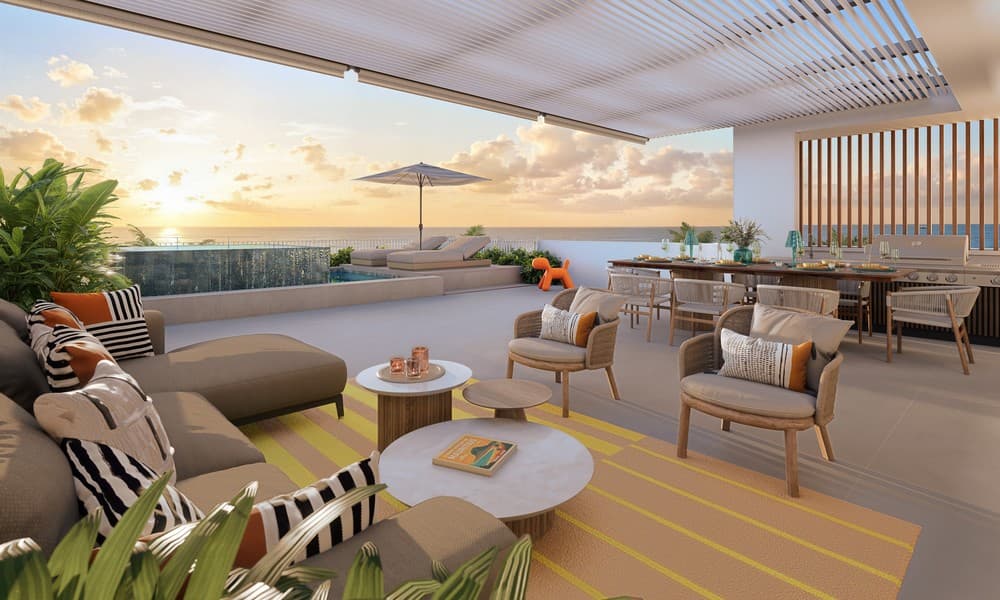
Tamarin · West

Baie du Cap · South

Beau Champ · East

Riviere Noire · West
Explore by region
Explore the site
Market updates, buying guidance and the best new listings, straight to your inbox.
Buying a Property · 29 Jul 2026
Who can buy, the PDS and Smart City schemes, residence permits, the buying process step by step, costs, financing and tax for foreign buyers.
Buying a Property · 19 Aug 2024
Harmonie Golf Estate on Mauritius's scenic west coast offers a rare opportunity to invest in sustainably designed luxury villas within an…
Buying a Property · 9 Aug 2024
Mauritius has evolved well beyond its reputation as a holiday destination — today it offers British and European investors a rare combination of…
Buying a Property · 8 Aug 2024
Mauritius is fast becoming one of the Indian Ocean's most attractive destinations for rental property investment, offering foreign buyers political…
Buying a Property · 29 Jul 2024
Eco Savannah is one of Mauritius's most compelling residential developments, blending sustainable architecture with luxury villa living in the…
Buying a Property · 22 Jul 2024
Les Salines in Black River, a Beachcomber resort, offers branded apartments to foreign buyers under approved schemes. Here is what to verify.
Browse our current listings or speak to an agent.