FOR SALEExpat
€1.0M
Baie du Cap · South
Bioclimatic Villa in Mauritius – 3-Bedroom Luxury Home with Private Pool
33

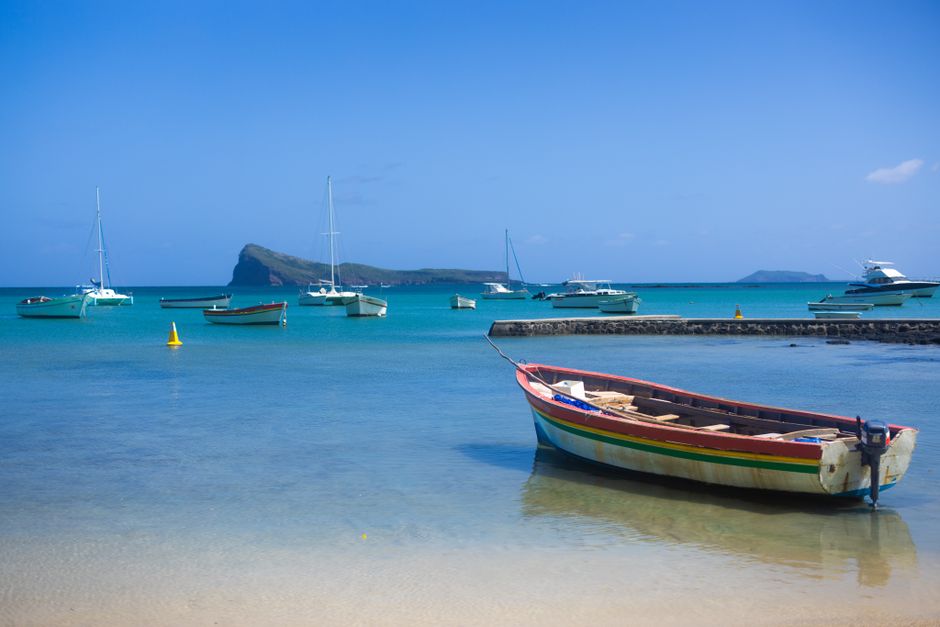
Buying property in Mauritius as a foreign national is entirely possible — but it comes with a specific set of rules, schemes, and legal steps that every prospective buyer must understand before making a move. From government-approved purchase frameworks and automatic residency permits t…
Mauritius has long captured the imagination of European investors and lifestyle seekers alike — and for good reason. With its stable political climate, favourable tax environment, and a quality of life that genuinely rivals the world's finest destinations, the island offers something increasingly rare: a place where smart investment and exceptional living comfortably coexist. But before you sign anything, there are a few essential things every buyer should understand.
Foreign nationals cannot freely purchase any property on the island. Mauritius has a structured framework that permits overseas buyers to invest through specific government-approved schemes. The most prominent of these is the Property Development Scheme (PDS), which replaced the earlier IRS and RES frameworks. Under PDS, foreigners can buy luxury residential units within integrated, resort-style developments, provided the property is valued at a minimum of USD 375,000.
Other relevant schemes include the Smart City Scheme, designed around mixed-use urban developments blending work, life, and leisure, and the Ground +2 Apartment Scheme, which allows foreigners to purchase apartments in buildings of at least three floors. Each scheme has its own eligibility criteria, so understanding which applies to your desired property is a critical first step.
One of the most compelling incentives for buyers is the automatic residency permit that accompanies a qualifying property purchase. When you acquire a property worth USD 375,000 or more through an approved scheme, you and your dependants are entitled to a Mauritian residence permit — valid for the duration of your property ownership. This is a significant draw for British and European buyers looking to establish a long-term base in the Indian Ocean, whether for retirement, remote working, or simply a second home in the sun.
The property purchasing process in Mauritius broadly follows a structure familiar to those who have bought in France, as the island's legal system retains strong Napoleonic influences.
Notary fees typically run at around 1–2% of the purchase price, while registration duties are set at 5% for most residential transactions. Budget accordingly — these are non-negotiable costs.
Mauritius has a growing number of local and international banks offering mortgage products to foreign buyers, including HSBC, AfrAsia Bank, and MCB (Mauritius Commercial Bank). Loan-to-value ratios for non-residents typically range from 60–70%, so expect to bring meaningful equity to the table. Some developers also offer structured payment plans, particularly during off-plan purchases, which can ease cash flow considerably.
It's worth noting that Mauritius operates a territorial tax system — meaning income generated outside the island is generally not subject to local taxation. Combined with a flat corporate tax rate of 15% and no capital gains tax, the financial case for investing here is genuinely compelling.
Location matters enormously in Mauritius, and different areas attract distinctly different buyer profiles. Grand Baie in the north remains a social hub with excellent amenities and international schools nearby. Tamarin and Black River on the west coast attract a younger, more active crowd drawn by surf culture and natural reserves. The south-east coast, around Bel Ombre and Blue Bay, offers a quieter, more secluded luxury experience with some of the island's most spectacular lagoons. Meanwhile, Pereybere and the northern tip appeal to buyers seeking a relaxed village atmosphere with easy beach access.
Understanding the lifestyle each region offers — and how it aligns with your own — will help ensure your investment delivers both financially and personally.
Perhaps the most important piece of advice: never navigate this process alone. Engage a qualified local notary, a reputable estate agent familiar with the foreign buyer framework, and ideally a financial adviser experienced in cross-border property transactions. The Mauritian market rewards those who take a measured, well-informed approach.
Whether you're drawn by the island's sun-drenched lifestyle, its investor-friendly tax framework, or simply the dream of waking up to turquoise waters, Mauritius offers a property market unlike anywhere else in the world. Ready to explore your options? Browse our curated collection of approved luxury properties at PropertyFinder Mauritius and let our expert team guide you every step of the way.
Hand-picked
Baie du Cap · South

Riviere Noire · West

Tamarin · West

Riviere Noire · West

Beau Champ · East

Tamarin · West

Baie du Cap · South
Explore by region
Explore the site
Browse our current listings or speak to an agent.