FOR RENTExpat
Rs65K/mo
Political stability, progressive tax, modern healthcare, and clear residency routes: here is why South Africans are choosing Mauritius in 2026.
For South Africans weighing an international move, Mauritius consistently sits near the top of the shortlist. The reasons go well beyond climate. A stable democracy, a transparent tax system, accessible residency pathways, modern infrastructure, and a four-hour flight home make the island a genuinely practical choice for professionals, investors, business owners, and retirees alike. This guide sets out the core factors driving that decision in 2026.
Mauritius ranks among the most politically stable countries on the African continent. It operates under a functioning multiparty democracy with an independent judiciary and consistent rule of law. For South Africans accustomed to navigating elevated crime rates and institutional uncertainty, the contrast is immediate. Day-to-day life in Mauritius is predictable and secure, and that sense of order matters enormously to families, retirees, and business owners making long-term commitments.
Relocating to Mauritius does not mean cutting ties with home. Direct flights from Johannesburg take roughly four hours, and the island sits in a similar time zone to South Africa, which keeps business calls and family contact straightforward. For professionals working across both markets, or business owners who need to travel regularly, that proximity removes one of the most common objections to international relocation.
Mauritius has no capital gains tax and no inheritance or estate duty. For South Africans who face capital gains tax, estate duty, and donations tax at home, that alone changes long-term financial planning considerably.
Personal income tax in Mauritius is progressive. From the income year beginning 1 July 2026, the structure is as follows:
Corporate tax has a 15% headline rate. VAT is also 15%. Mauritius maintains a network of double taxation agreements, including one with South Africa, which can reduce the risk of being taxed twice on the same income.
Tax rules change with each national Budget. Always confirm current rates, thresholds, and your personal position with the Mauritius Revenue Authority (MRA) and a qualified tax adviser before making decisions.
Mauritius offers several structured routes for South Africans who want to live on the island legally and long-term.
Foreign nationals employed by a Mauritian company can apply for a Professional Occupation Permit, provided their monthly salary meets the minimum threshold, currently set at MUR 50,000 across all sectors. Permits are valid for ten years and renewable.
Entrepreneurs setting up or investing in a Mauritian business can apply for an Investor Occupation Permit. The minimum initial investment required is USD 100,000. This permit is also valid for ten years and renewable, giving business owners the long-term certainty they need.
Foreign nationals who purchase residential property through an approved government scheme (such as a Property Development Scheme or Smart City Scheme) at a minimum value of USD 375,000 qualify for a residence permit linked to that property. This is one of the most direct routes for retirees and investors who want residency without establishing a business or taking employment.
Mauritius offers a dedicated Residence Permit for Retired Non-Citizens, providing a structured and long-term option for South Africans over 50 who meet the income transfer requirements. Dependents can be included under the same application.
For current eligibility criteria, fees, and processing requirements, consult the Economic Development Board (EDB) directly at edbmauritius.org.
Mauritius punches above its size when it comes to infrastructure. Private hospitals and clinics offer a standard of care that compares well with what South Africans expect at home. Fibre-optic internet is widely available. Roads are maintained, utilities are reliable, and international supermarkets stock familiar brands.
For families, the international school sector is well developed. British curriculum, French curriculum, and International Baccalaureate programmes are all available, meaning children of relocating professionals can continue their education without significant disruption.
Mauritius has built a reputation as a regional financial and business hub. Sectors actively recruiting skilled professionals include financial services, information technology, hospitality, engineering, and professional services. The regulatory environment is designed to attract foreign investment: company registration is straightforward, and the legal framework is predictable.
For South African entrepreneurs, Mauritius offers a base from which to operate across Africa and into Asia, supported by a growing number of bilateral trade and investment agreements.
English is an official language in Mauritius and is used across business, government, and education. South Africans find the transition to daily life relatively smooth as a result. The island's multicultural population, which includes communities with Indian, African, European, and Chinese heritage, creates a society that is broadly open and welcoming to newcomers. There is also a well-established South African expat community across the island, with professional networks, social groups, and schools where familiar faces are not hard to find.
For South Africans at the property search stage, PropertyFinder Mauritius lists residential properties across the island's main lifestyle areas, including Grand Baie, Tamarin, Beau Champ, and the west coast. Whether you are looking for a villa under an approved scheme that qualifies for residency, a rental property while you settle in, or a long-term investment, PropertyFinder Mauritius provides a straightforward way to explore what is available across price points and locations.
Yes. South Africans can purchase residential property in Mauritius through approved government schemes such as the Property Development Scheme (PDS) or Smart City Scheme. These purchases must meet a minimum value of USD 375,000 and qualify the buyer for a residence permit.
Personal income tax in Mauritius is progressive. From the income year starting 1 July 2026: 0% on the first MUR 500,000, 10% up to MUR 1,000,000, 20% up to MUR 12,000,000, and 35% above that. There is no capital gains tax and no inheritance tax. Confirm current rates with the Mauritius Revenue Authority.
Processing times vary depending on the permit category and completeness of the application. The Economic Development Board (EDB) manages Occupation Permit applications and publishes current processing guidelines on its website.
Mauritius consistently records low crime rates by regional standards. It operates a stable democratic system with an independent judiciary. Most South African families who relocate report a significant improvement in their sense of day-to-day security.
No. Mauritius residency and South African citizenship are separate matters. You can hold a Mauritius residence or occupation permit while retaining your South African passport. Tax residency is a separate question and should be discussed with a qualified adviser familiar with both jurisdictions.
The minimum initial investment is USD 100,000. The permit is valid for ten years and is renewable. Confirm current requirements with the Economic Development Board before applying.
Hand-picked
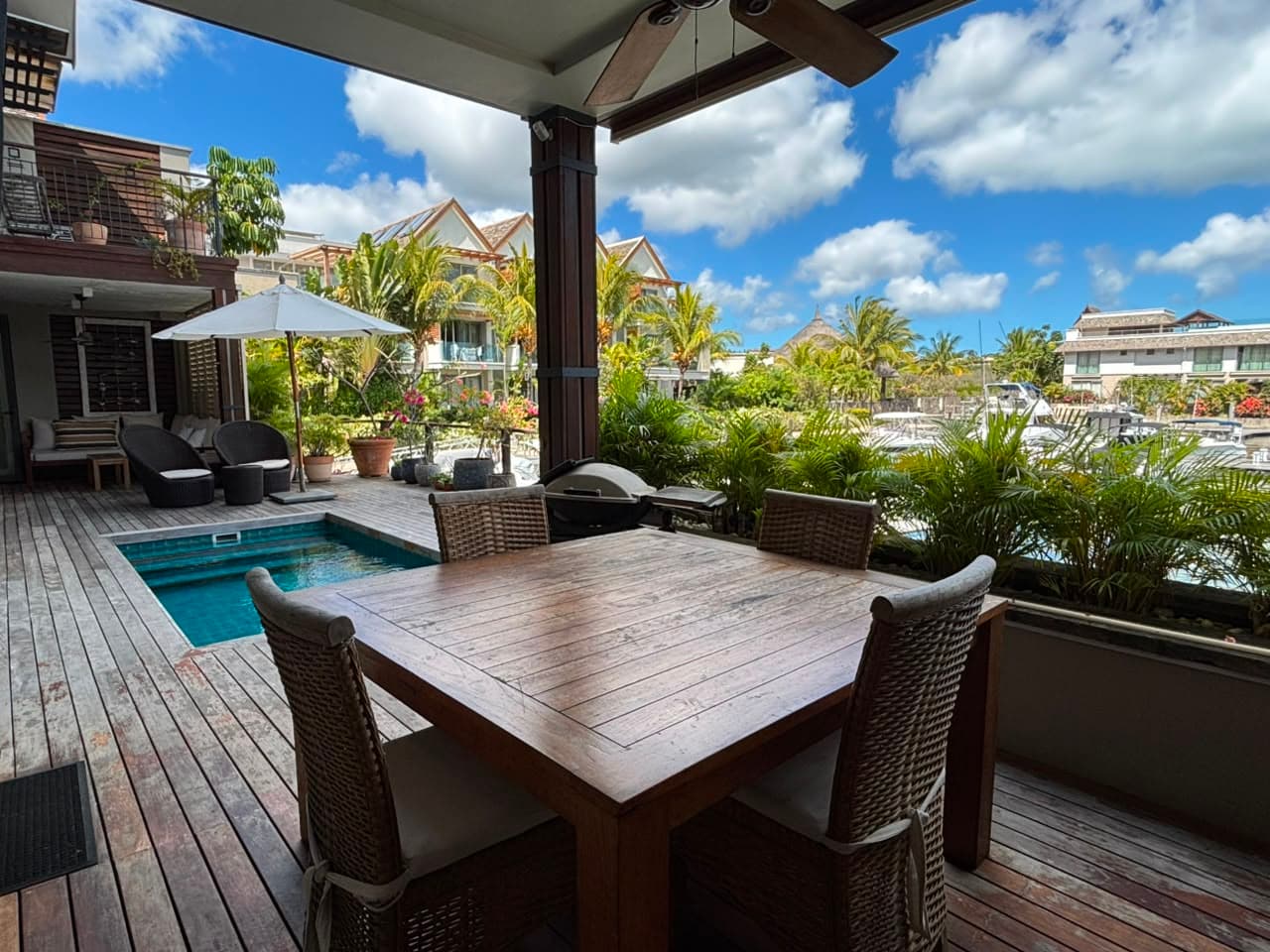
Riviere Noire · West

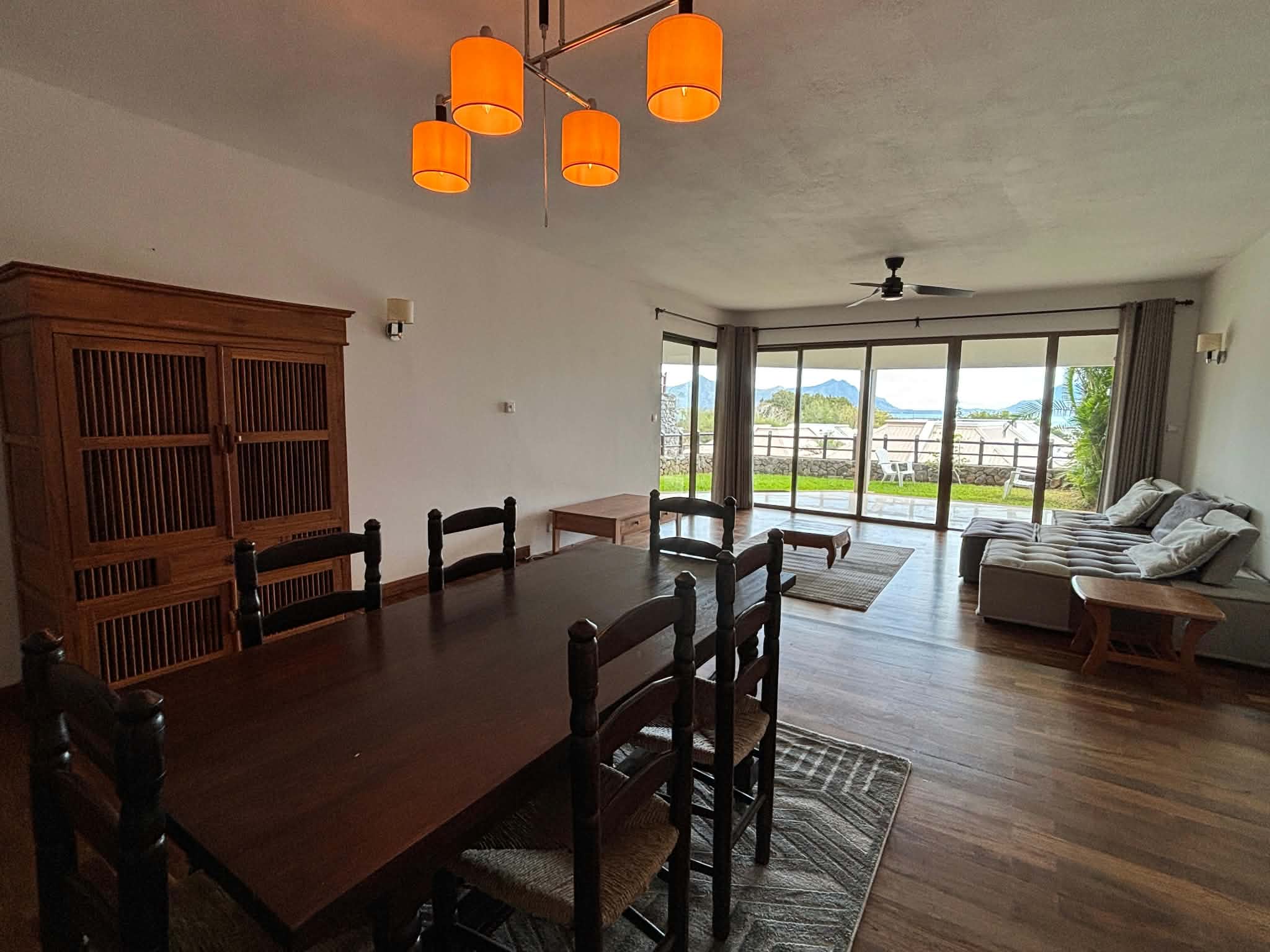
Tamarin · West

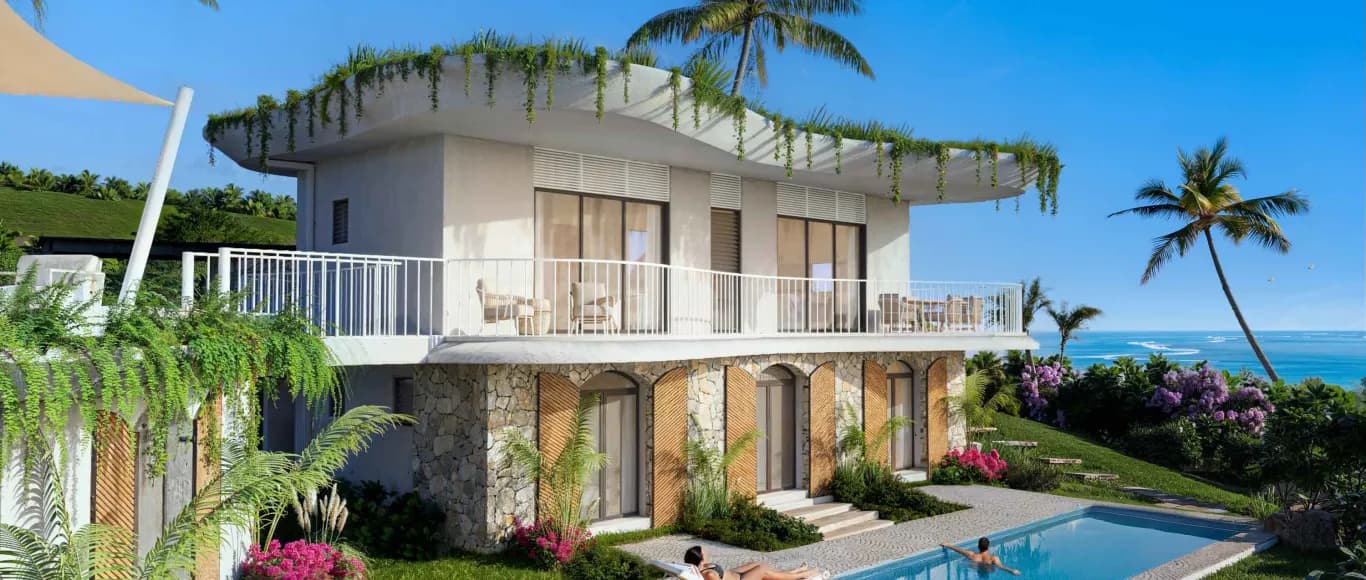
Baie du Cap · South
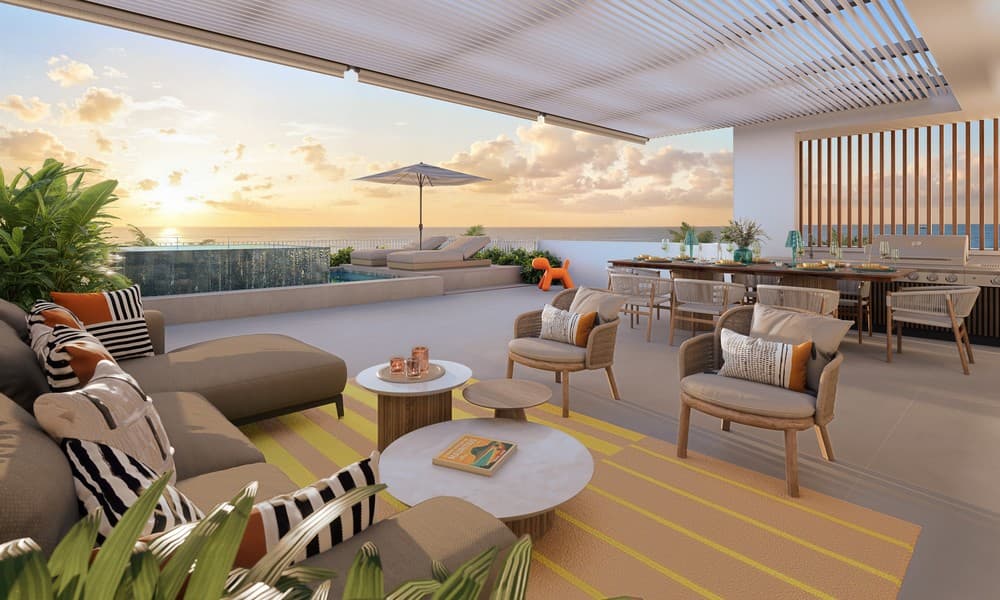
Tamarin · West
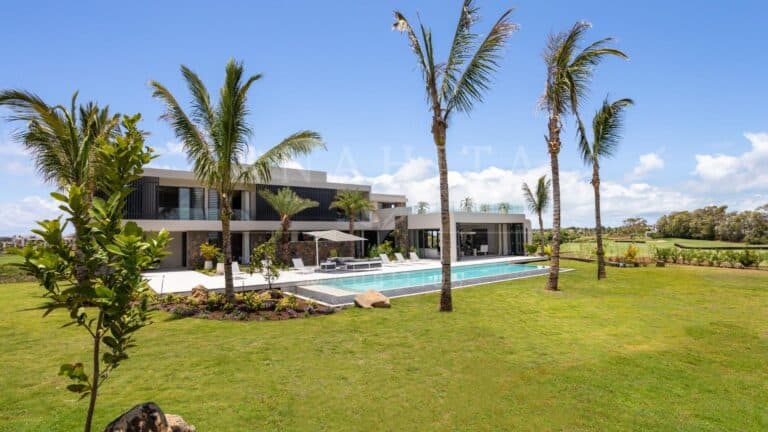
Beau Champ · East

Baie du Cap · South
Explore by region
Explore the site
Market updates, buying guidance and the best new listings, straight to your inbox.
Mauritius Real Estate · 21 Oct 2026
Discover Beaubassin, Mauritius: location, lifestyle, amenities, and property opportunities for buyers and renters in this quiet east-coast…
Mauritius Real Estate · 20 Oct 2026
Browse holiday apartments in Mauritius for rent or sale. Discover top areas, what to budget, and how the buying process works for foreign nationals.
Mauritius Real Estate · 20 Oct 2026
Understand Mauritius land size, local measurement units like arpents and toises, and what they mean for buying residential or farm land in Mauritius.
Mauritius Real Estate · 20 Oct 2026
What is the Smart City Scheme in Mauritius, which projects exist, and how do foreign buyers qualify for residency? Clear answers and costs in one…
Mauritius Real Estate · 20 Oct 2026
Step-by-step guide to the legal process of buying property in Mauritius: eligibility, preliminary agreement, notary deed, duties and title…
Mauritius Real Estate · 20 Oct 2026
Explore property in Flacq District, Mauritius: area guide, neighbourhoods, price ranges, apartments for rent, houses for sale, and buying tips for…
Browse our current listings or speak to an agent.