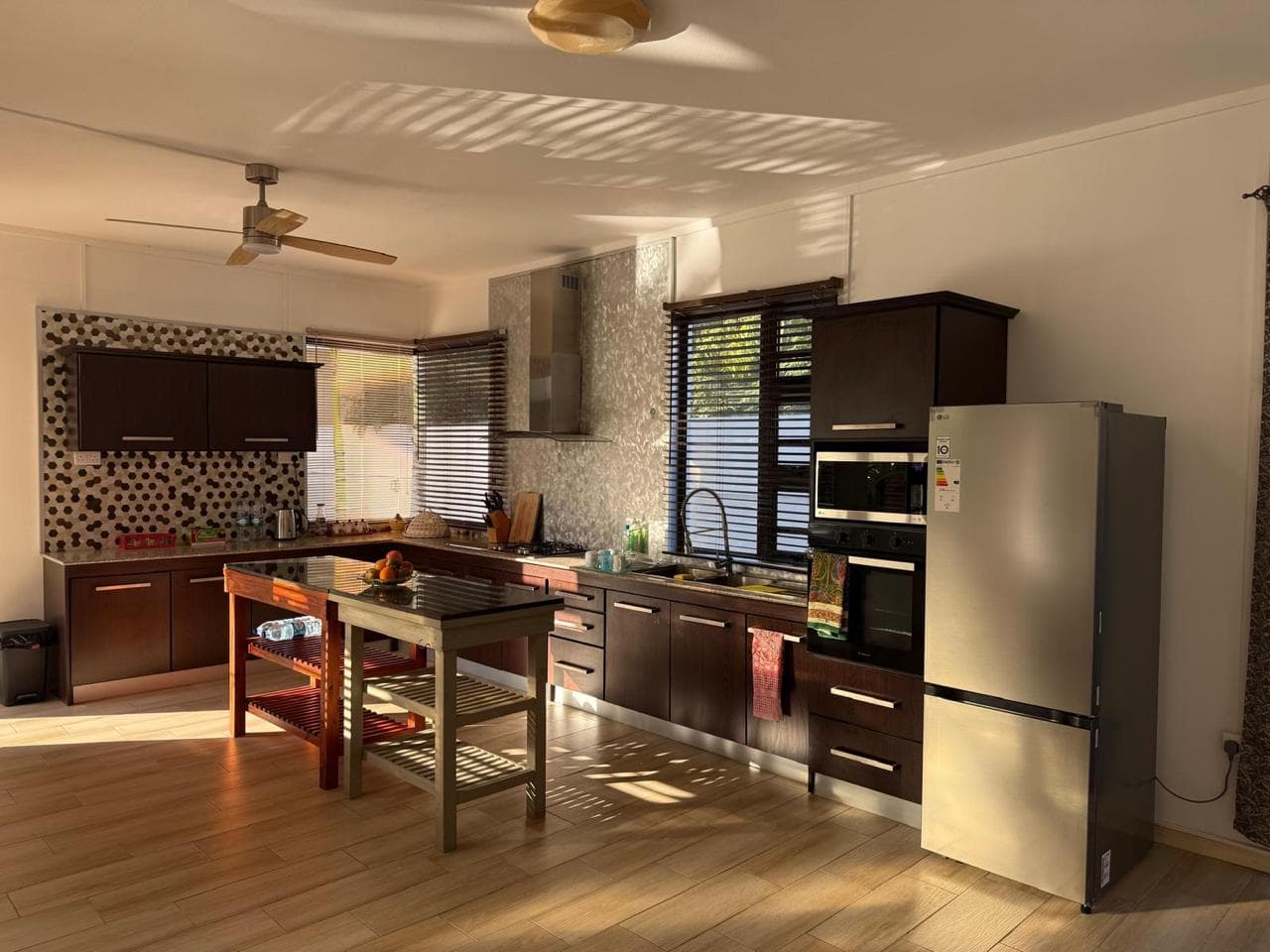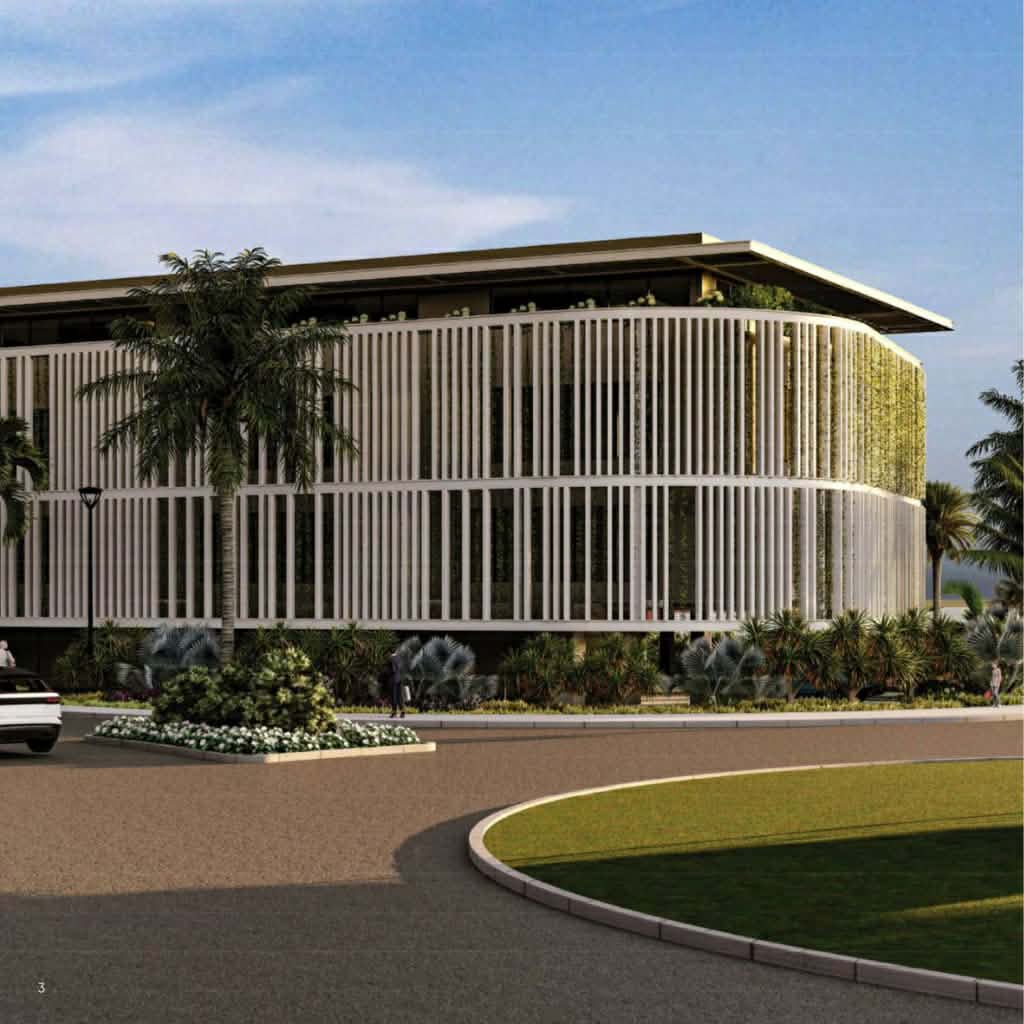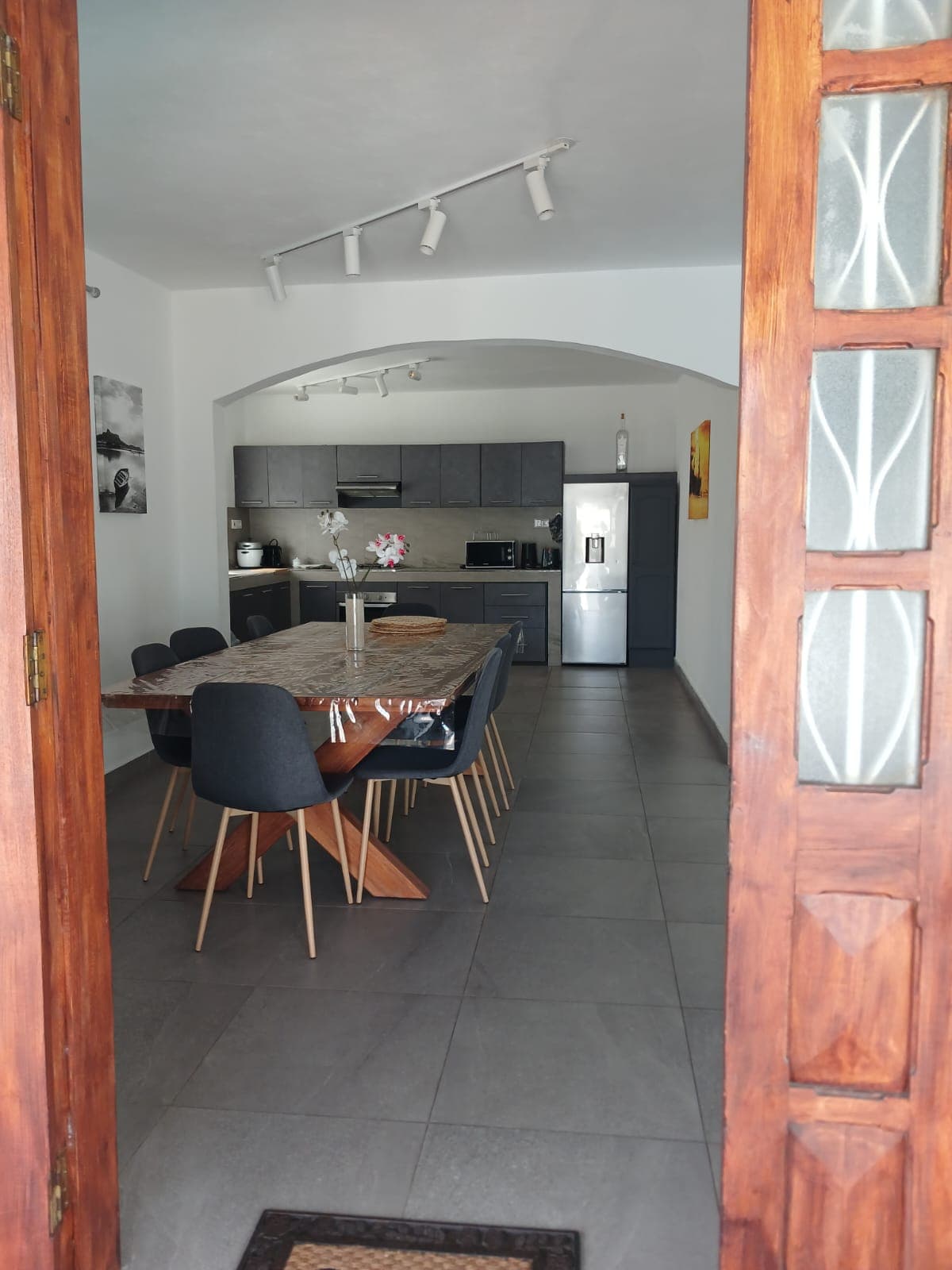
FOR RENTExpat
Rs65K/mo

From the buzzing north coast to the laid-back west, Mauritius has a neighborhood for every lifestyle and budget. Here are the top areas to consider when buying property in 2024.
The best neighborhoods in Mauritius depend on your lifestyle priorities and budget — Grand Baie suits those who want vibrant social life and amenities, Tamarin and Black River attract surfers and nature lovers, while Beau Champ on the east coast offers exclusive resort-style living. Foreign buyers can purchase in any of these areas through qualifying schemes such as the Property Development Scheme (PDS), which also unlocks Mauritian residency when you invest USD 375,000 or more.
Grand Baie is consistently the most searched area for property in Mauritius. It offers a dense cluster of restaurants, boutiques, water-sports operators, and the island's best nightlife. Apartment prices start around MUR 6 million (≈ USD 135,000) for a studio, while luxury villas in gated communities can exceed USD 2 million. The nearby villages of Pereybere and Cap Malheureux add a quieter, more residential feel while keeping you minutes from Grand Baie's conveniences.
The west coast has become a magnet for remote workers and active families. Tamarin's famous surf break, the Black River Gorges National Park, and a thriving expat café culture make this one of the island's fastest-growing property markets. Townhouses in PDS developments here typically start at USD 375,000, qualifying buyers for a residence permit. Rivière Noire (Black River) village itself retains an authentic Mauritian character rarely found in more developed areas.
The east coast is synonymous with calm turquoise lagoons and upscale integrated resorts. The Anahita Golf & Spa Resort in Beau Champ is a flagship PDS development where villas are priced from approximately USD 500,000 to over USD 3 million. Residents enjoy access to a championship golf course, a five-star hotel, and a private beach club. This area suits buyers seeking a lock-up-and-leave second home with full management services.
Not every buyer wants a beachfront lifestyle. Moka and the adjacent Ebène Cybercity district appeal to professionals and families who prioritise schools, hospitals, and business connectivity. The Moka Smart City is one of Mauritius's flagship Smart City Scheme projects, offering apartments and villas from around USD 200,000, with the added benefit that Smart City properties also qualify for residency. Bagatelle Mall, Wellkin Hospital, and several international schools are all within a short drive.
The south is Mauritius's best-kept secret. Bel Ombre combines dramatic scenery — sugarcane fields meeting a sheltered lagoon — with the Heritage Resorts integrated development. Property prices here are competitive relative to the north, and the area's relative quietness is itself a selling point for buyers escaping busy resort towns. Expect villa prices from around USD 400,000 in PDS-approved schemes.
In short: choose Grand Baie for convenience and social life, Tamarin for an active outdoor lifestyle, Beau Champ or Bel Ombre for resort exclusivity, and Moka for urban practicality. Every one of these neighborhoods offers qualifying PDS or Smart City properties, meaning your purchase can double as a pathway to Mauritian residency.
Our team at PropertyFinder Mauritius knows every street, development, and price trend across the island. Get in touch with us today to arrange a viewing or ask any questions — we're happy to match you with the right area for your lifestyle and budget. You can also browse our current listings for sale in Mauritius to start exploring what's available right now.
```htmlFor many property buyers in Mauritius, investment potential is just as important as lifestyle amenities. Understanding which neighborhoods offer the strongest return on investment (ROI) requires examining rental yields, capital appreciation trends, and market demand patterns across different regions. This section breaks down the financial performance of Mauritius's prime neighborhoods to help you make data-driven investment decisions.
Mauritius's property market presents two distinct investment pathways: neighborhoods focused on strong rental yields and those experiencing robust capital appreciation. These categories often appeal to different investor profiles.
High-Yield Rental Neighborhoods typically offer annual rental yields between 4% and 6%, making them attractive for investors seeking consistent cash flow. Grand Baie and Flic en Flac have historically maintained strong rental demand from tourists and expatriates, with furnished apartments and villas commanding premium nightly or monthly rates. A property purchased for ₨5 million in these areas can generate ₨250,000 to ₨300,000 annually in rental income—particularly during peak tourism seasons (July to September and December to January).
Capital Appreciation Markets prioritize long-term value growth over immediate rental returns. Neighborhoods like Tamarin, Mont Choisy, and the emerging areas of Cascavelle have experienced annual appreciation rates of 5% to 8% over the past five years. While rental yields may be lower (2% to 4%), property values have increased substantially, benefiting investors with longer time horizons.
Tourism Seasonality: Properties in Grand Baie, Belle Mare, and Flic en Flac experience significant seasonal fluctuation. A vacation rental generating ₨50,000 monthly during peak season may earn only ₨15,000 in off-season months. Sophisticated investors account for this 40-50% variance when calculating annual returns.
Development Pipeline: Neighborhoods benefiting from upcoming infrastructure projects—new roads, shopping centers, or medical facilities—typically experience accelerated capital appreciation. Keep informed about government development plans and private sector announcements that could impact your chosen area's trajectory.
Foreign Ownership Regulations: The Mauritian government restricts foreign property ownership to designated freehold zones and requires approval for property values exceeding specific thresholds. These regulations directly impact buyer pools and, consequently, property appreciation rates. Neighborhoods with fewer restrictions typically see stronger capital growth.
Currency Considerations: If you're investing with foreign currency, Mauritian rupee depreciation against major currencies can enhance your ROI when converting back. Conversely, rupee appreciation reduces returns. This currency variable adds complexity to long-term ROI projections for overseas investors.
Beyond location appeal and financial returns, successful property acquisition in Mauritius requires understanding the legal landscape that varies subtly between neighborhoods and property types. This section demystifies the regulatory requirements that foreign buyers must navigate.
Mauritius categorizes property ownership into distinct legal frameworks, and your chosen neighborhood determines which applies:
Grand Baie and Coastal Enclaves: Properties within 500 meters of the coastline may be subject to coastal zone regulations restricting certain modifications and requiring environmental clearances for major renovations. Verify setback requirements and potential future beachfront regulations before purchase.
Tamarin and Western Neighborhoods: These areas have experienced agricultural-to-residential zoning transitions. Confirm your property's current zoning classification and future development plans, as some neighborhoods may revert to agricultural use if development conditions change.
Pamplemousses and Central Districts: Properties further inland typically have fewer restrictions but may lack the foreign ownership-friendly frameworks of designated coastal zones. Additional due diligence regarding land titles and historical ownership claims is advisable.
Integrated Resort Developments: Some neighborhoods feature properties within branded resort communities (offering rental guarantees and shared amenities). These developments operate under special licenses and may impose additional restrictions on owner flexibility and modification rights.
Regardless of neighborhood choice, all foreign property buyers must verify:
Properties valued above ₨10 million (approximately USD 225,000) in non-designated zones or foreign ownership above specified percentages in certain developments require Board of Investment approval. This process involves:
Documentation Phase (Week 1-2): Submit completed application forms, property valuation reports, proof of funds, identification documents, and beneficial ownership declarations. Your local legal representative typically coordinates this submission.
Review Phase (Week 3-6): The Board evaluates your application against foreign investment criteria. They assess your financial capacity and may request additional documentation regarding fund sources and business background.
Approval and Registration (Week 7-8): Upon approval, you receive formal certification enabling property registration under foreign ownership. This document must accompany your registration application at the Registrar of Deeds.
Plan your acquisition timeline accounting for this 8-week window, particularly if your residency, employment, or visa status depends on timely property acquisition.
While financial considerations and legal frameworks matter tremendously, property selection ultimately impacts your daily quality of life. This section helps you align neighborhood characteristics with your lifestyle priorities through detailed community profiles.
Flic en Flac consistently emerges as the premier neighborhood for families prioritizing activity, education, and community engagement. The neighborhood stretches along a spectacular 3-kilometer beach with calm waters ideal for young swimmers, numerous water sports schools teaching paddleboarding and windsurfing, and weekly beach events during summer months.
Educational Accessibility: Three international schools operate within the neighborhood (offering Cambridge, IB, and French curricula), plus quality private tuition centers for examination preparation. Parents can navigate school runs within 10-15 minutes from most residential areas.
Daily Convenience: The Flic en Flac shopping district offers supermarkets, restaurants, medical clinics, and retail shops within walkable distance from many properties. Young families particularly appreciate the outdoor play areas, including Flic en Flac Beach Club's family-oriented facilities and several well-maintained public parks.
Social Community: The neighborhood maintains active expat communities with regular networking events, family gatherings, and organized activities. The Flic en Flac Community Association facilitates newcomer integration and organizes seasonal events.
Property Characteristics: Family homes in Flic en Flac typically feature 3-4 bedrooms with generous outdoor space, community security features (gated developments), and proximity to schools. Expect price ranges from ₨4 million to ₨12 million depending on location specificity and amenities.
Tamarin appeals to buyers seeking refined living away from busier beach areas—a neighborhood where exclusivity, natural beauty, and sophisticated tranquility define the lifestyle.
Natural Environment: Tamarin's dramatic coastal cliffs, hiking trails, and protected beach coves create an active outdoor lifestyle centered on nature appreciation. The village atmosphere, despite proximity to Port Louis, provides genuine peace while maintaining essential services.
Gastronomic Excellence: The neighborhood punches above its weight regarding restaurants and food culture. Multiple acclaimed dining establishments (several with ocean views) attract both residents and visitors seeking culinary experiences, making the neighborhood feel cosmopolitan despite its intimate scale.
Cultural and Artistic Community: Tamarin hosts numerous galleries, artist studios, and cultural centers. The neighborhood attracts creative professionals and culturally engaged residents who appreciate intellectual engagement and artistic expression.
Wellness Orientation: Yoga studios, holistic health practitioners, and wellness centers concentrate in Tamarin, reflecting the community's health-conscious demographic. Many residents prioritize wellness activities like sunrise yoga overlooking the ocean.
Property Characteristics: Properties in Tamarin typically emphasize architectural individuality and natural integration rather than standardized resort aesthetics. Expect contemporary architectural styles, eco-friendly features, and gardens showcasing native plants. Price range: ₨6 million to ₨25 million+ for premium estates.
Grand Baie functions as Mauritius's cosmopolitan epicenter—the neighborhood for globally-minded professionals and investors who prioritize international amenities and constant activity.
Expat Infrastructure: The neighborhood essentially operates as an international village with expatriates representing 40-50% of residents. Multinational companies, international schools, foreign banks, and international business services concentrate here, creating seamless integration for relocating professionals.
Entertainment and Nightlife: Grand Baie offers restaurants spanning global cuisines, nightclubs, cocktail bars, and entertainment venues that operate year-round and particularly thrive during tourism seasons. The social calendar remains perpetually active.
Shopping and Services: Premium shopping centers, international brand stores, and specialized service providers create a lifestyle feel comparable to major international cities. Healthcare facilities including private hospitals cater to international standards.
Investment Rental Potential: For property owners willing to manage vacation rentals or corporate accommodations, Grand Baie presents reliable income opportunities from consistent tourism demand.
Property Characteristics: Properties range from modern apartments in complexes with shared amenities to waterfront villas. The neighborhood suits both investor profiles and owner-occupiers seeking cosmopolitan living. Prices: ₨2.5 million to ₨20 million depending on waterfront access and development level.
Cascavelle represents Mauritius's new frontier for lifestyle-conscious buyers seeking emerging neighborhoods with growth energy while maintaining accessible pricing compared to established areas.
Development Momentum: New restaurants, retail spaces, and recreational facilities continually open, creating a neighborhood feeling of positive transformation and rising amenity standards. Investors and residents collectively shape the community's character.
Diversity and Youth: The neighborhood attracts younger professionals and families attracted by newer architecture, modern facilities, and lower price points than established neighborhoods. A diverse demographic creates cosmopolitan energy without Grand Baie's tourism overlay.
Proximity Advantage: Strategic location between Grand Baie (north) and Flic en Flac (south) offers access to established amenities while maintaining distinct neighborhood identity and pricing advantages.
Future Potential: Anticipated infrastructure improvements and commercial development make Cascavelle appealing to lifestyle buyers who don't mind modest present-day amenities in exchange for anticipated future enhancement and capital appreciation.
Property Characteristics: Properties tend toward contemporary architecture and newer construction, attracting buyers desiring modern living standards. Prices: ₨2 million to ₨8 million, making entry-level property acquisition most accessible in this neighborhood category.
```Hand-picked
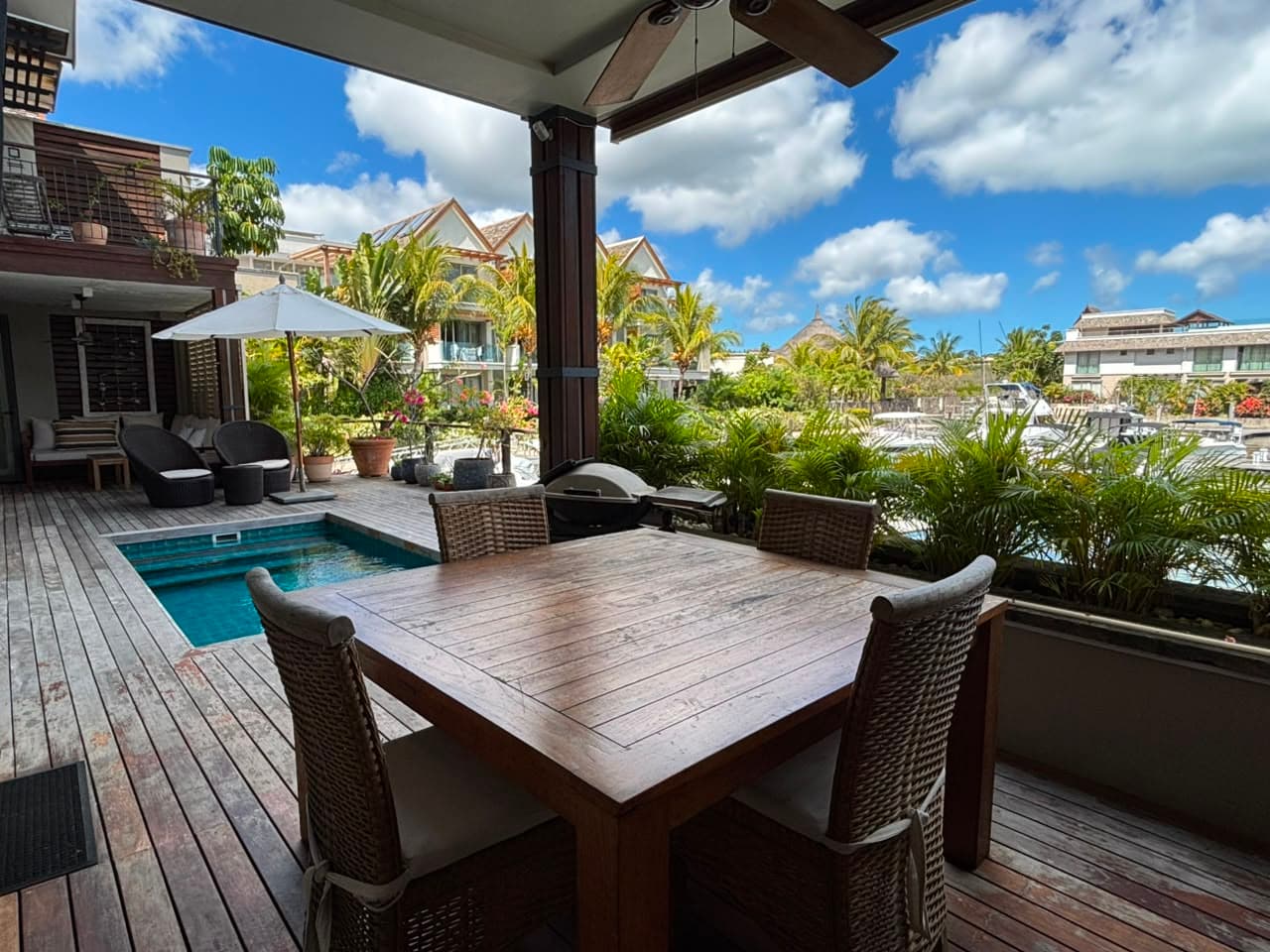
Riviere Noire · West

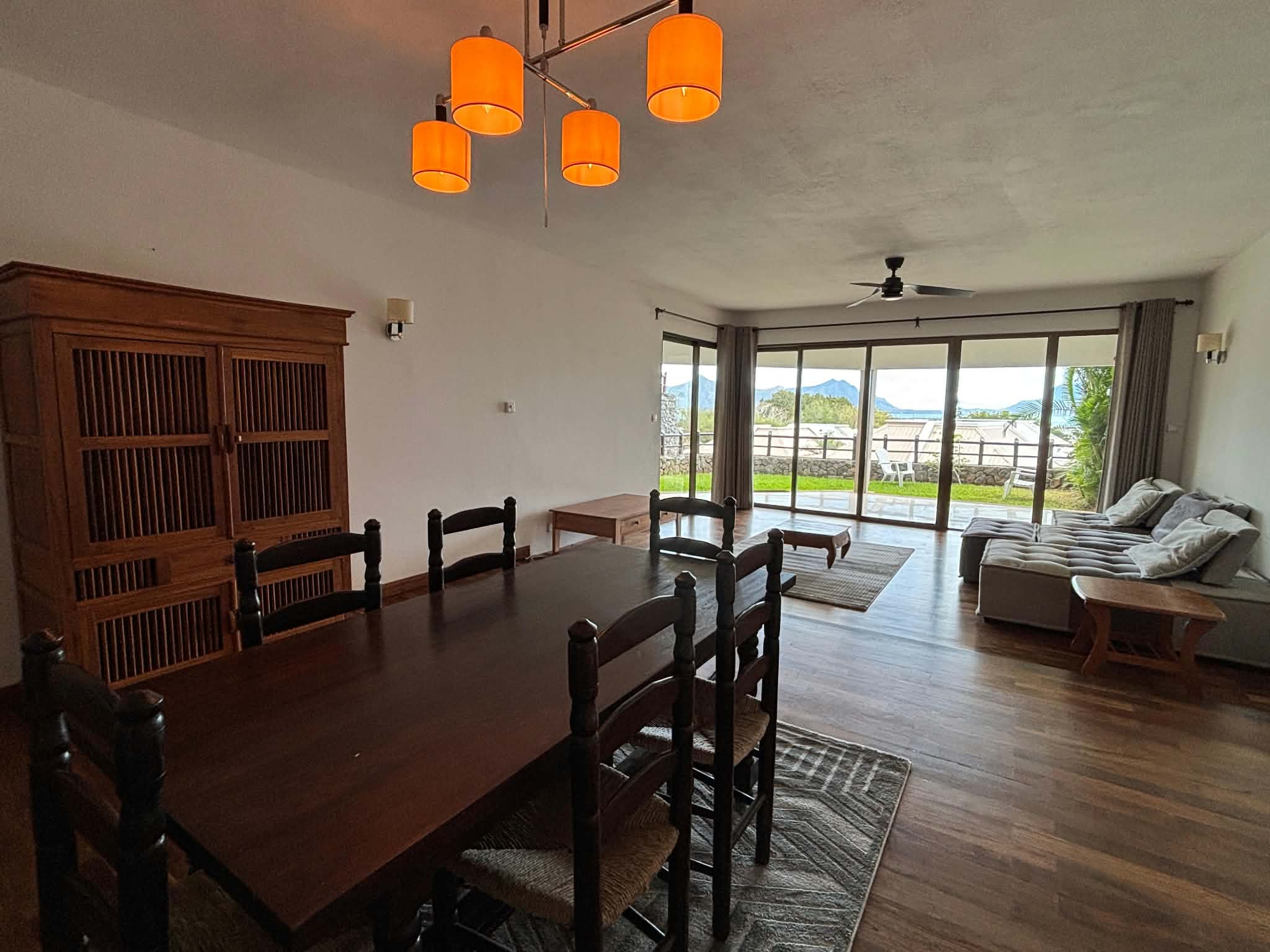
Tamarin · West

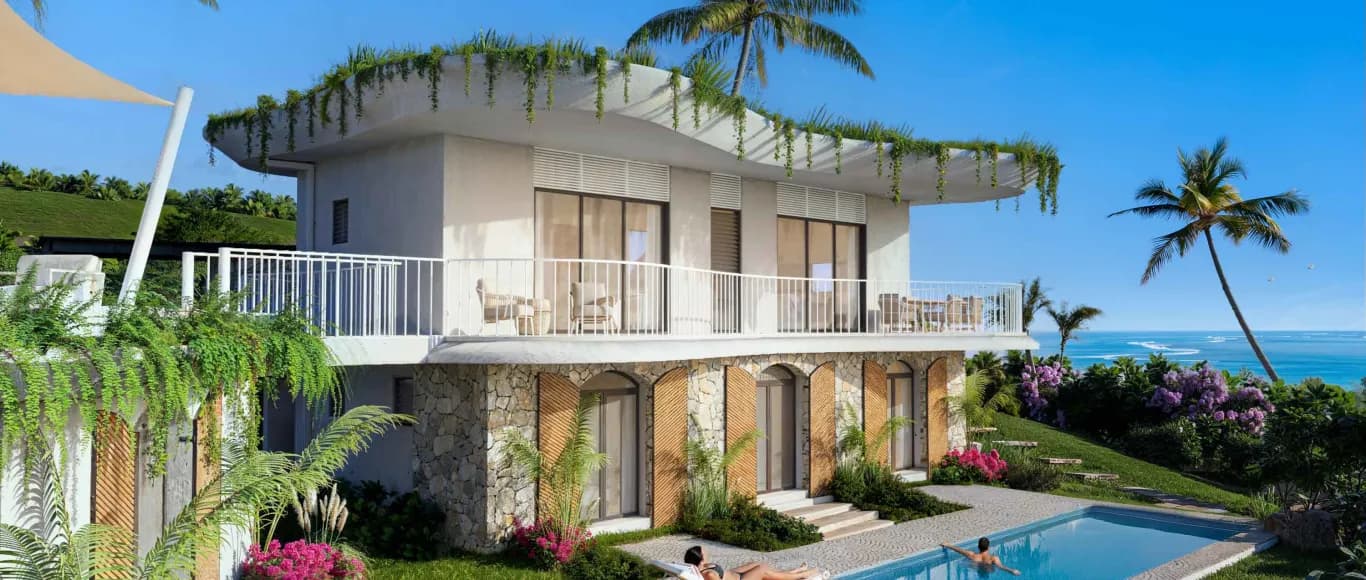
Baie du Cap · South
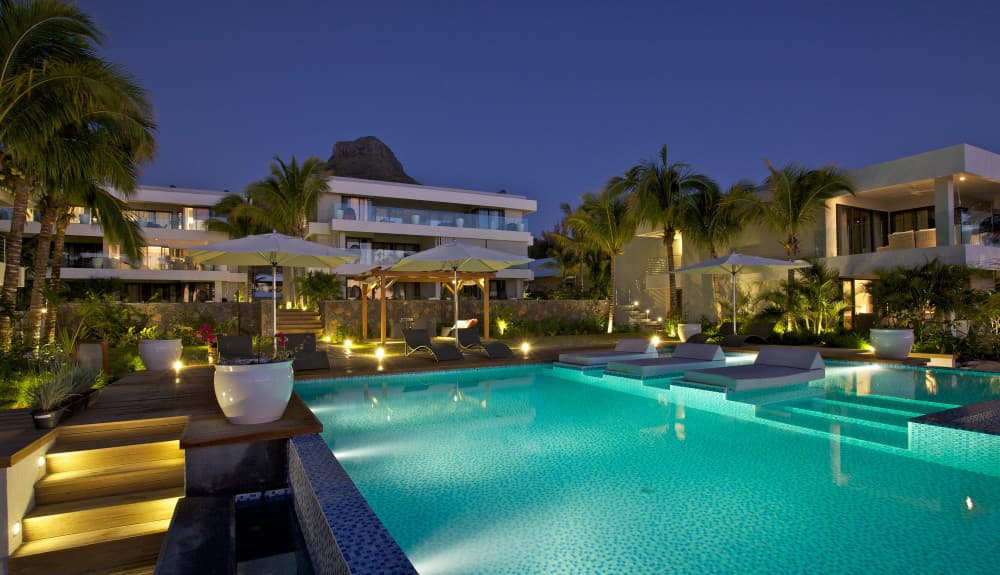
Riviere Noire · West
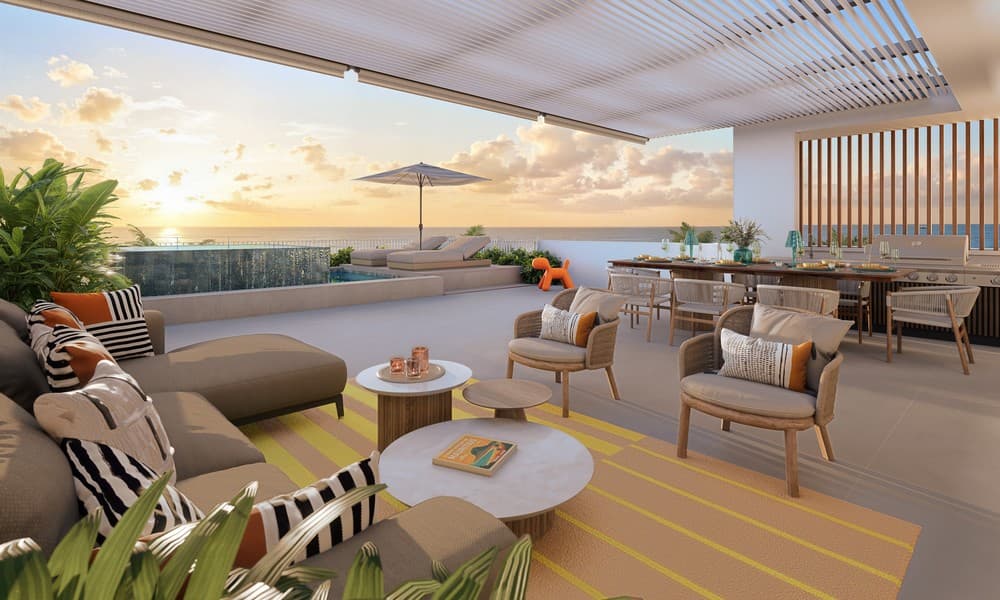
Tamarin · West
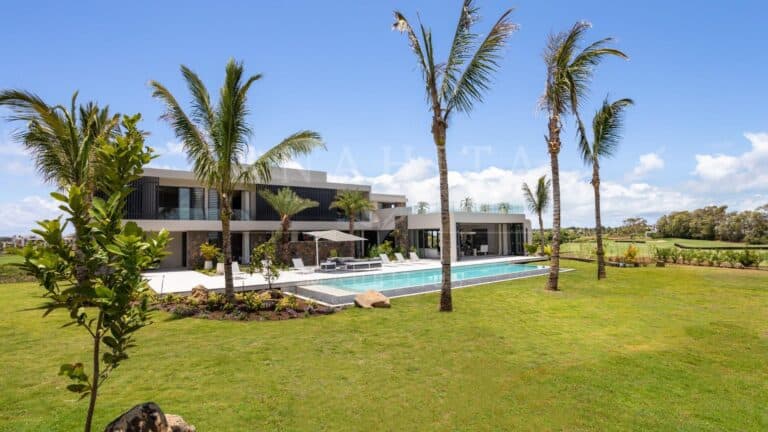
Beau Champ · East
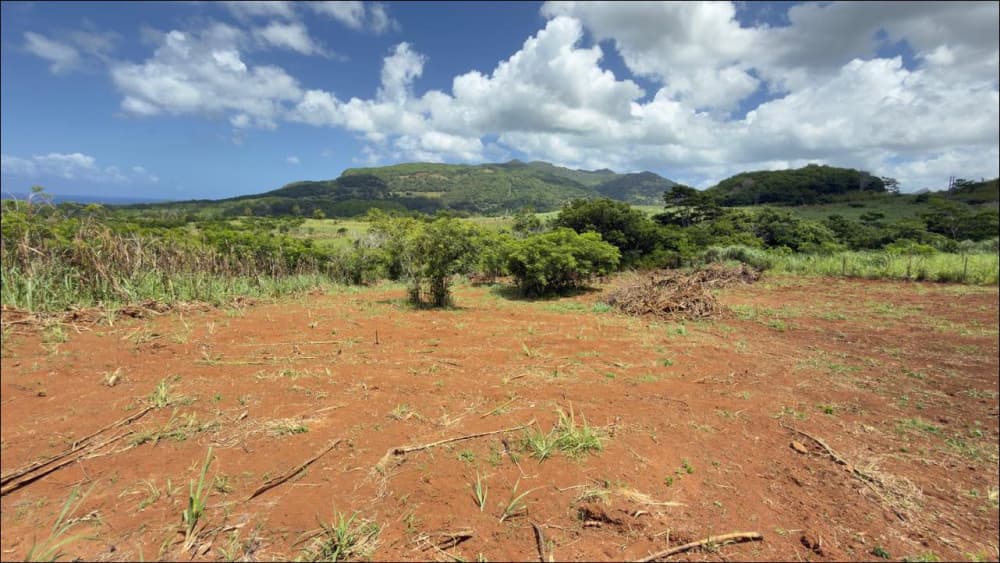
Baie du Cap · South
Explore by region
Explore the site
Market updates, buying guidance and the best new listings, straight to your inbox.
Mauritius Property Guides · 24 Jul 2026
From Grand Baie boutiques to Port Louis commercial hubs, retail property in Mauritius offers strong footfall and growing consumer demand. Here's…
Mauritius Property Guides · 23 Jul 2026
Quatre Bornes is one of Mauritius's most sought-after towns for renters, offering a cool climate, excellent amenities, and strong transport links at…
Mauritius Property Guides · 23 Jul 2026
New property listings in Mauritius move fast. Learn where the freshest homes, villas and apartments appear first, what to expect on price, and how…
Mauritius Property Guides · 23 Jul 2026
A practical guide for owners who want to sell a Mauritius property quickly: pricing, paperwork, presentation and a smooth notary-led completion.
Mauritius Property Guides · 23 Jul 2026
Tamarin is one of Mauritius's most sought-after addresses, blending surf-beach lifestyle with strong investment fundamentals. Here is everything you…
Mauritius Property Guides · 23 Jul 2026
PropertyFinder Mauritius is the island's dedicated property portal, connecting buyers, investors and renters with verified listings across every…
Browse our current listings or speak to an agent.