FOR RENTExpat
Rs450K/mo
Riviere Noire · West
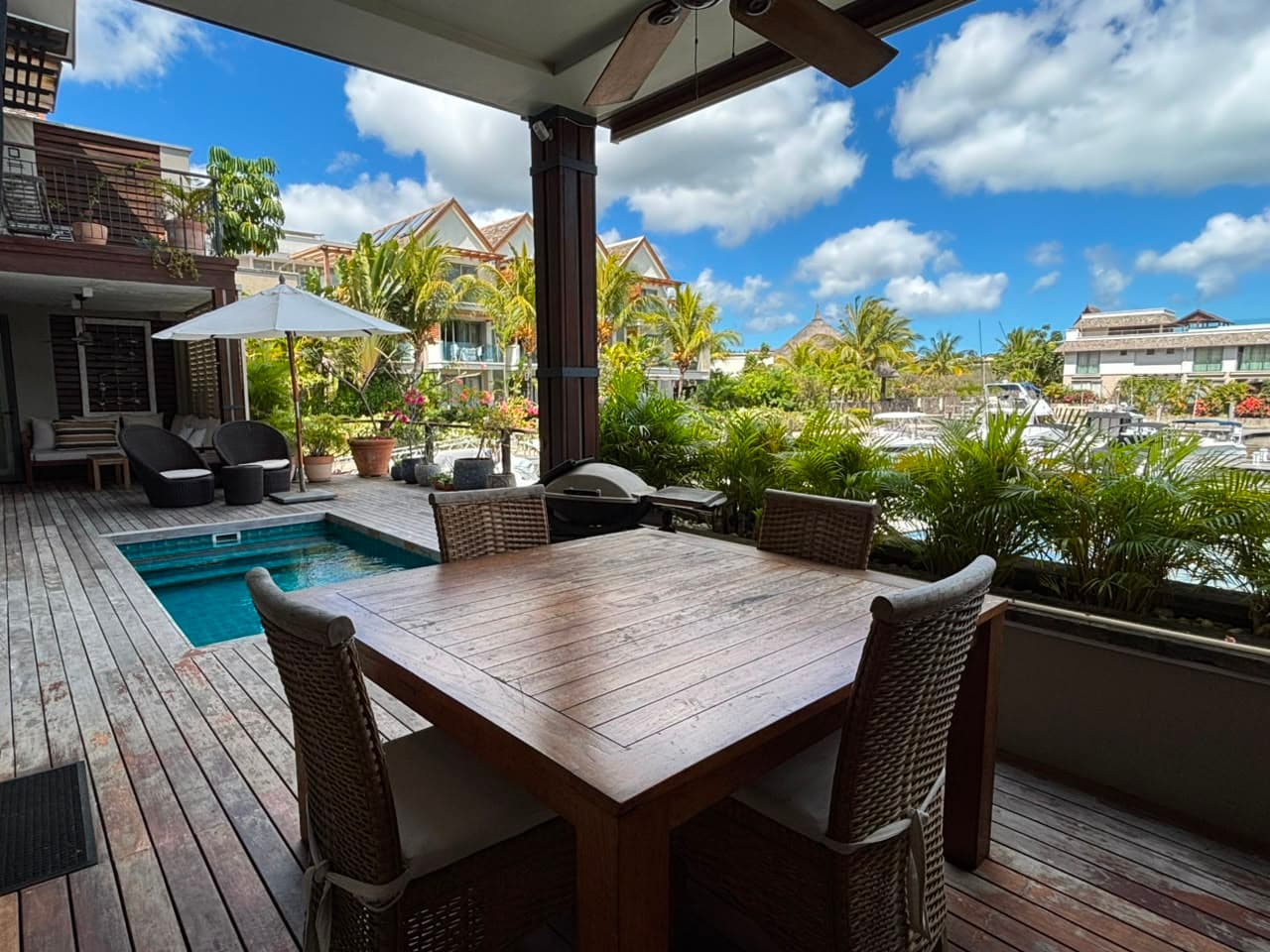
Ultimate Marina Lifestyle – Luxury Waterfront Residence, Private Mooring & Boat
44


Should you buy or rent property in Mauritius? This plain-English guide covers costs, process, and what foreign nationals need to know before deciding.
Deciding whether to buy or rent property in Mauritius is one of the first real decisions you will face as a foreign national considering a move or investment here. The right answer depends on your timeline, your tax position, your appetite for Mauritian property law, and how confident you are that Mauritius fits your long-term plans. This guide lays out both paths clearly so you can make an informed choice, and know exactly what each route costs and involves.
In property search terms, 'buy rent' simply means evaluating both the purchase and rental markets side by side before committing. In Mauritius, this comparison is especially important for foreign nationals because buying is legally more restricted than renting. Renting is open to anyone; buying requires you to use one of a handful of approved frameworks, such as the Property Development Scheme (PDS), the Smart City Scheme, or the Ground+2 apartment scheme, and to meet a minimum investment threshold.
Understanding that distinction early prevents wasted time and misdirected budgets.
Renting in Mauritius carries almost no legal restrictions for foreign nationals. You sign a lease, pay a deposit (typically one to three months' rent), and you are in. There is no government approval, no minimum spend, and no notarial deed required.
Rental prices vary significantly by location and property type:
Prices quoted to foreign tenants are almost always in MUR, though some landlords dealing with expatriates price in euros or US dollars. Always confirm the currency in writing.
Renting makes more sense if:
Foreign nationals cannot buy freehold land or older residential property on the open market. They must purchase through one of the government-approved schemes. The most common for residential buyers is the Property Development Scheme (PDS), which replaced the earlier IRS and RES frameworks.
Beyond the purchase price, budget for:
Total transaction costs for a foreign buyer typically run to 6–8% of the purchase price on top of the agreed price.
| Factor | Buying | Renting | |---|---|---| | Legal restrictions for foreigners | Yes, approved schemes only | None | | Minimum spend | USD 375,000 (PDS) | No minimum | | Residency benefit | Yes, at qualifying threshold | No | | Transaction costs | 6–8% of price | 1–3 months deposit | | Capital at risk | Yes | No | | Flexibility | Low (illiquid asset) | High | | Time to complete | 3–6 months | Days to weeks |
Whether you are buying or renting, a reliable property search platform saves considerable time. A good platform should list properties across all approved PDS developments as well as the open rental market, allow filtering by region, price, and property type, and present accurate, up-to-date listings rather than stale inventory.
Property Finder Mauritius is a dedicated property search service covering both the buy and rent markets on the island. It lists residential sales within approved foreign-buyer schemes alongside rental properties across all major regions. Users can filter by price range, number of bedrooms, and location, and can contact agents directly through the platform.
Assuming any property is available to foreign buyers. Only properties within approved schemes can be purchased by non-citizens. Enquiring about open-market properties and then discovering this restriction wastes time for everyone.
Underestimating transaction costs. The 5% registration duty alone on a USD 500,000 property is USD 25,000. Factor this in before comparing the cost of buying versus renting over your expected stay.
Signing a lease before confirming visa status. If you are relocating on a work permit or occupation permit, confirm the permit is in place before committing to a long lease. Visa delays are not uncommon.
Choosing a location based on one visit. The west coast, north, and east of Mauritius have meaningfully different weather patterns, commute times, and community feels. Renting first in your target area before buying is a well-worn strategy for good reason.
Hand-picked
Riviere Noire · West

Baie du Cap · South
Tamarin · West

Baie du Cap · South
Beau Champ · East

Riviere Noire · West
Explore by region
Explore the site
Market updates, buying guidance and the best new listings, straight to your inbox.
Mauritius Real Estate · 14 Oct 2026
Everything you need to know about house rental in Mauritius: costs, locations, lease rules, and how to find the right property. Updated guide for…
Mauritius Real Estate · 13 Oct 2026
Where to find a business park in Mauritius, what leasing or buying costs, and how foreign companies set up. Covers Ebène, Grand Baie, Pailles and…
Mauritius Real Estate · 12 Oct 2026
A practical guide to business insurance in Mauritius for property owners, landlords, and investors. Covers key cover types, costs, and what to check…
Mauritius Real Estate · 10 Oct 2026
Everything you need to know about getting a skipper license in Mauritius, from exam requirements to costs, plus how it connects to waterfront living.
Mauritius Real Estate · 9 Oct 2026
Find bungalows for rent in Mauritius: coastal, urban, and waterfront options explained, with inspection tips and neighbourhood comparisons.
Mauritius Real Estate · 9 Oct 2026
Explore the business park in Mauritius Riviere Noire, commercial real estate options, waterfront property, and financing routes for foreign buyers.
Browse our current listings or speak to an agent.