FOR RENTExpat
Rs450K/mo
Riviere Noire · West
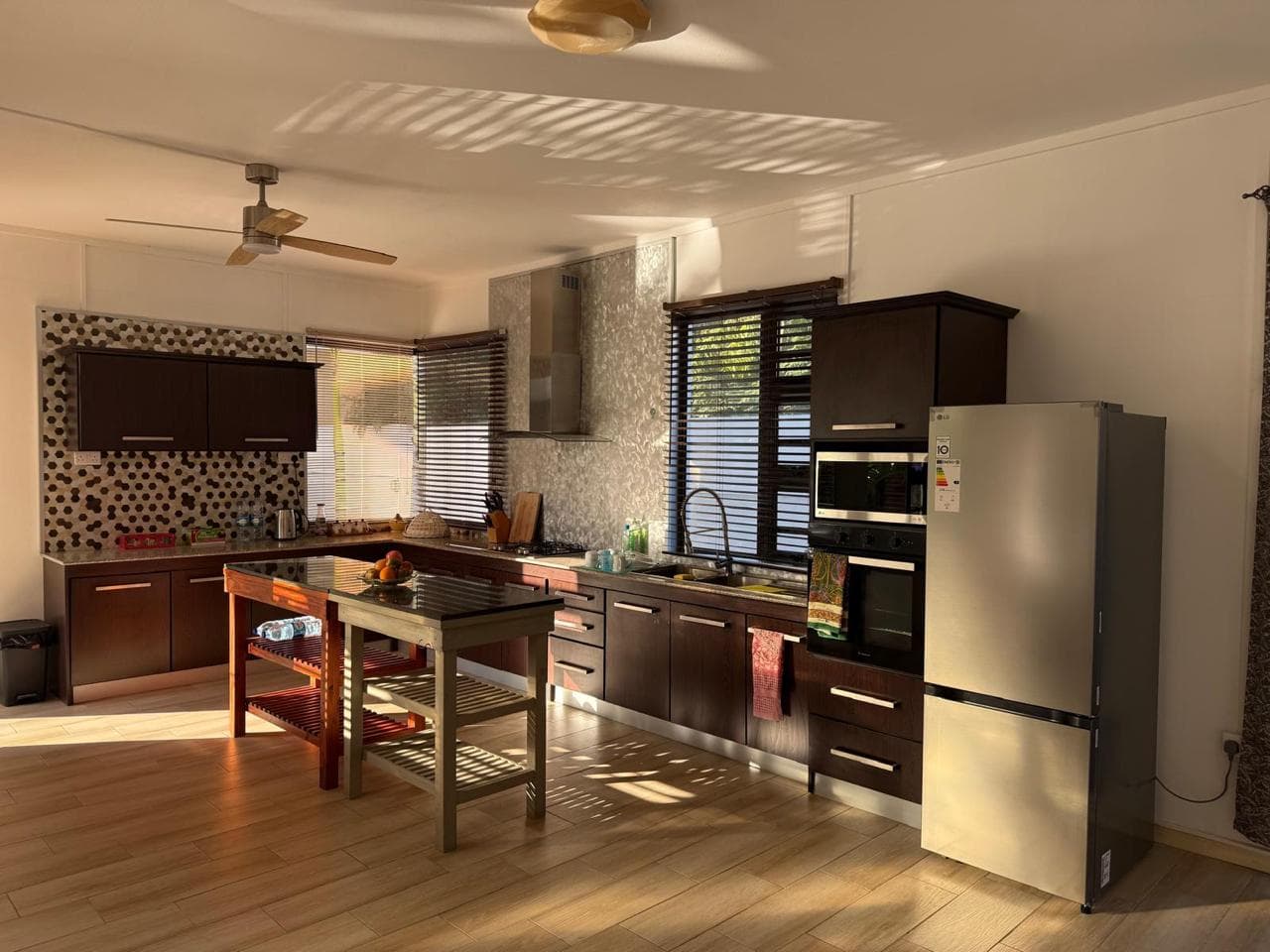
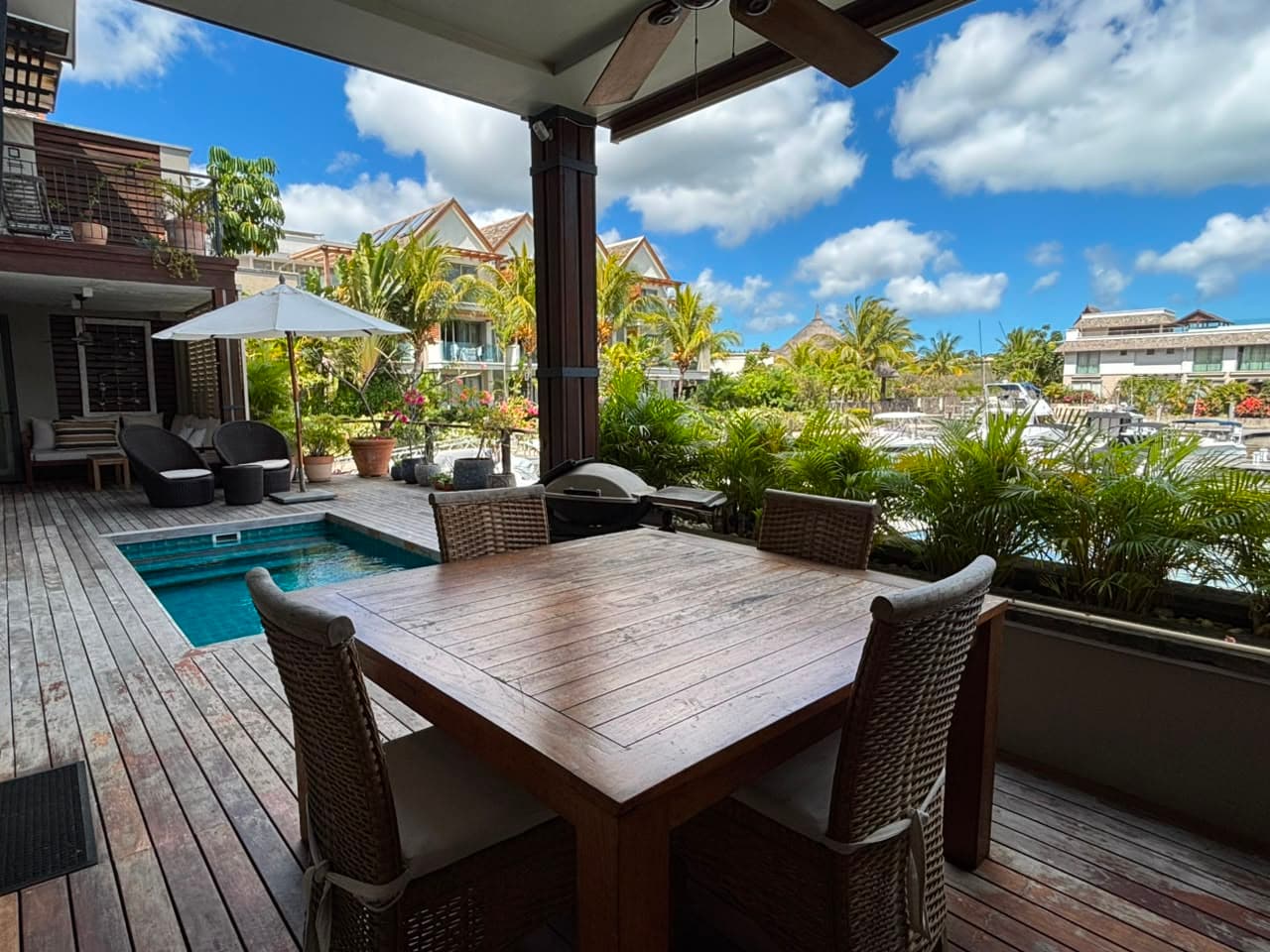
Ultimate Marina Lifestyle – Luxury Waterfront Residence, Private Mooring & Boat
44

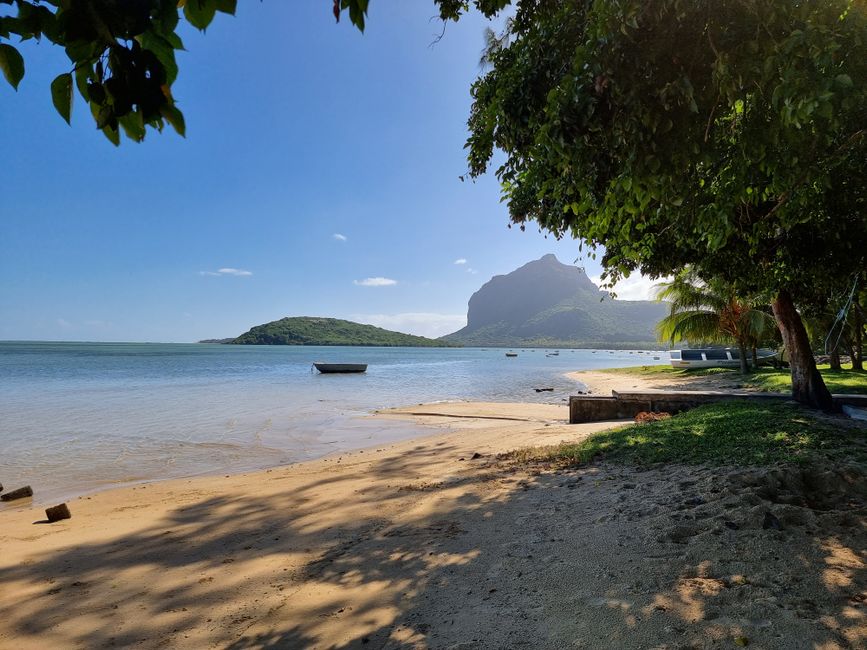
Everything you need to know about house rental in Mauritius: costs, locations, lease rules, and how to find the right property. Updated guide for 2025.
Renting a house in Mauritius is straightforward once you understand how the local market is structured. Prices, lease terms, and the quality of available stock vary considerably by district, property type, and whether you are renting furnished or unfurnished. This guide covers the rental market from end to end: where to look, what to expect to pay, what a lease should contain, and how the process works for foreign nationals.
The Mauritius rental market is largely private and unregulated in terms of pricing. There is no government-set rent control mechanism for residential property, so rents are set by landlords and negotiated directly. Most transactions happen through estate agents, though private landlords also advertise directly.
Demand is driven by several groups: expatriate professionals on Occupation Permits, retirees on Residence Permits, digital nomads on the Premium Visa, and Mauritian nationals relocating for work. This mix keeps demand relatively stable across the year, with a modest uptick around the start of the school year (January) and the northern hemisphere summer.
Leases are typically for one year, renewable. Six-month leases exist but are less common for standalone houses and usually attract a premium. Month-to-month arrangements are available mainly for serviced guest houses or short-stay properties rather than standard residential rentals.
The most practical ways to find a house in Mauritius are:
Licensed estate agents. Using a registered agent is the most reliable route. Agents hold keys, arrange viewings, and can advise on fair market rents for a given area. Agent fees are usually paid by the landlord, so tenants typically pay nothing for the search service, though this varies.
Online property portals. Several Mauritian property listing platforms carry hundreds of rental listings at any given time, filterable by district, price, and number of bedrooms. These are the fastest way to get a sense of the market before committing to viewings.
Social media and expat groups. Facebook groups for expatriates in Mauritius are active and often carry off-market listings. Quality varies, and due diligence is essential, but genuine deals do appear.
Word of mouth. In smaller communities, particularly on the west and south coasts, landlords still prefer personal referrals. Networking through a local employer or community often surfaces properties before they are formally listed.
Rents in Mauritius are quoted in Mauritian rupees (MUR) per month. The figures below are indicative ranges for a standalone house (three to four bedrooms, furnished) as of mid-2025. Prices shift with exchange rates and local demand, so treat these as orientation points rather than guarantees.
The north is the most popular area among expatriates and retirees. Grand Baie has the densest concentration of restaurants, shops, international schools, and leisure facilities. A three-bedroom house here typically rents from around MUR 60,000 to MUR 120,000 per month depending on proximity to the lagoon and the quality of finishes. Gated estate properties at the upper end can exceed that range.
The west coast attracts surfers, families, and professionals who want space and a quieter pace than the north. Tamarin and Riviere Noire (Black River) offer a good mix of standalone villas and modest family homes. Rents for a three-bedroom house start from around MUR 45,000 and rise to MUR 90,000 or more for properties with a pool and sea views.
Slightly more affordable than Grand Baie, this stretch of coastline appeals to buyers and renters who want proximity to the beach without the bustle. Expect rents for a three-bedroom house from MUR 40,000 to MUR 80,000.
The central plateau is where many Mauritian professionals live. Moka and Ebene are close to the cyber city business district and have good road links. Rents are generally lower than the coast: a three-bedroom house from MUR 30,000 to MUR 60,000. The cooler climate and lower humidity appeal to some, though beach access requires a drive.
The south east remains the most affordable coastal area. Mahebourg has a genuine local character and is increasingly popular with long-stay visitors and remote workers. A house here can rent for MUR 25,000 to MUR 50,000 per month, though the range widens significantly for premium properties.
Port Louis is the capital and the commercial centre. Residential rentals here are less common among expatriates, who tend to prefer coastal or central plateau locations. However, guest houses in Port Louis serve short-stay visitors and business travellers well. A guest house in Port Louis typically charges per night rather than per month and operates more like a small hotel than a residential rental.
Most houses rented to expatriates in Mauritius are offered furnished, meaning they include beds, sofas, kitchen appliances, and often air conditioning units. Fully furnished properties are practical for people arriving without shipping containers, and they are the norm at the mid-to-upper price range.
Unfurnished properties are more common in the lower price brackets and in areas with a predominantly local tenant base. If you are planning a long stay of two years or more and want to bring your own furniture, an unfurnished property gives you more flexibility and can be cheaper per month. Factor in the cost and logistics of furnishing, however, before assuming the saving is worthwhile.
Mauritius does not have a single codified residential tenancy act equivalent to those found in the UK or South Africa. Lease agreements are governed by the general principles of contract law under the Civil Code. This makes the written lease document more important, not less, because the terms you agree to are the terms that will apply.
A well-drafted lease for a house in Mauritius should include:
Have any lease reviewed by a local notary or lawyer before signing, particularly for longer tenancies or high-value properties.
Foreign nationals can rent property in Mauritius without restriction. There is no requirement to hold a specific visa or permit simply to rent a home. However, your right to live in that home depends on your immigration status.
If you are entering on a tourist visa (typically 60 days, extendable to 180 days in a calendar year), you can rent a house for a short stay. For longer stays, you will need an appropriate permit:
For permit and visa queries, the Economic Development Board (EDB) is the official authority.
Some people arrive intending to rent and end up buying. Others plan to buy but rent first to understand which area suits them. Both are sensible strategies.
Renting gives you flexibility and requires no capital commitment beyond a deposit. It is the right choice if you are new to Mauritius, unsure of your preferred location, or in Mauritius on a fixed-term contract.
Buying gives you stability, the potential for capital appreciation, and (at the right price threshold) a route to residency. Foreign nationals can buy property in Mauritius through approved schemes including the Property Development Scheme (PDS) and Smart City developments. Prices under these schemes start from USD 375,000. Under the Finance Act 2026, non-citizens buying under PDS, Smart City, RES, or G+2 schemes pay the standard 5% registration duty (buyer) and 5% land transfer tax (seller). There is no capital gains tax on property in Mauritius.
If you are weighing up renting versus buying, a useful approach is to rent in your preferred area for six to twelve months before committing to a purchase. This gives you direct experience of the neighbourhood, the commute, the neighbours, and the seasonal variation in the area.
For a full breakdown of the purchase process, see our guide to buying property in Mauritius as a foreign national.
Inspect before you sign. Visit the property in person, or arrange a video walkthrough if you are still overseas. Check air conditioning units, water pressure, the condition of the pool (if any), and the state of the electrical wiring. Note any existing damage in writing before you move in.
Clarify who pays for what. Electricity bills in Mauritius can be significant if air conditioning is used heavily. Confirm whether electricity is included in the rent or billed separately. Most leases bill utilities separately.
Understand the deposit terms. A deposit of two months rent is common. Confirm in writing the conditions under which it will be returned and the timeline for return at the end of the lease.
Check internet connectivity. Fibre broadband is available in most urban and coastal areas through providers such as Emtel and MyT (Mauritius Telecom), but coverage is not universal. If reliable internet is essential for work, verify the connection speed at the property before signing.
Factor in cyclone season. The cyclone season runs roughly from November to April. Check that the property has functioning storm shutters or cyclone-rated windows, and confirm what the landlord's obligations are in the event of storm damage.
Budget for a car. Public transport in Mauritius covers main routes but is limited for coastal and rural areas. Most expatriate tenants find a car essential. Factor the cost of a vehicle into your overall monthly budget alongside rent.
The house rental market in Mauritius is active, varied, and accessible to foreign nationals. Rents range from under MUR 25,000 per month in the south to well over MUR 100,000 per month in premium north coast locations. The process of finding and securing a rental is similar to most markets: search, view, negotiate, sign a lease, and pay a deposit. The key differences from markets like the UK or South Africa are the absence of rent control, the importance of a carefully drafted lease, and the need to align your rental with your immigration status. Work with a licensed agent, have your lease reviewed, and take the time to visit several areas before committing to a location.
For personalised property search support, Property Finder Mauritius lists verified rental properties across all districts.
Hand-picked
Riviere Noire · West

Baie du Cap · South

Tamarin · West

Baie du Cap · South

Beau Champ · East
Riviere Noire · West
Explore by region
Explore the site
Market updates, buying guidance and the best new listings, straight to your inbox.
Mauritius Real Estate · 13 Oct 2026
Where to find a business park in Mauritius, what leasing or buying costs, and how foreign companies set up. Covers Ebène, Grand Baie, Pailles and…
Mauritius Real Estate · 12 Oct 2026
A practical guide to business insurance in Mauritius for property owners, landlords, and investors. Covers key cover types, costs, and what to check…
Mauritius Real Estate · 10 Oct 2026
Everything you need to know about getting a skipper license in Mauritius, from exam requirements to costs, plus how it connects to waterfront living.
Mauritius Real Estate · 9 Oct 2026
Find bungalows for rent in Mauritius: coastal, urban, and waterfront options explained, with inspection tips and neighbourhood comparisons.
Mauritius Real Estate · 9 Oct 2026
Explore the business park in Mauritius Riviere Noire, commercial real estate options, waterfront property, and financing routes for foreign buyers.
Mauritius Real Estate · 9 Oct 2026
Curepipe, Quatre Bornes, Vacoas-Phoenix, Rose Hill: what foreign buyers need to know about property in central Mauritius, prices, legal routes, and…
Browse our current listings or speak to an agent.