FOR RENTExpat
Rs450K/mo
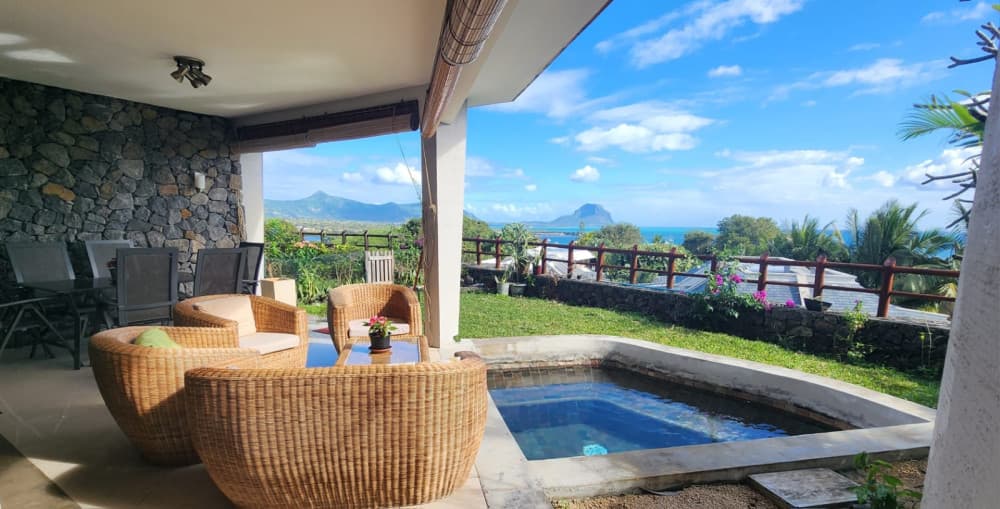
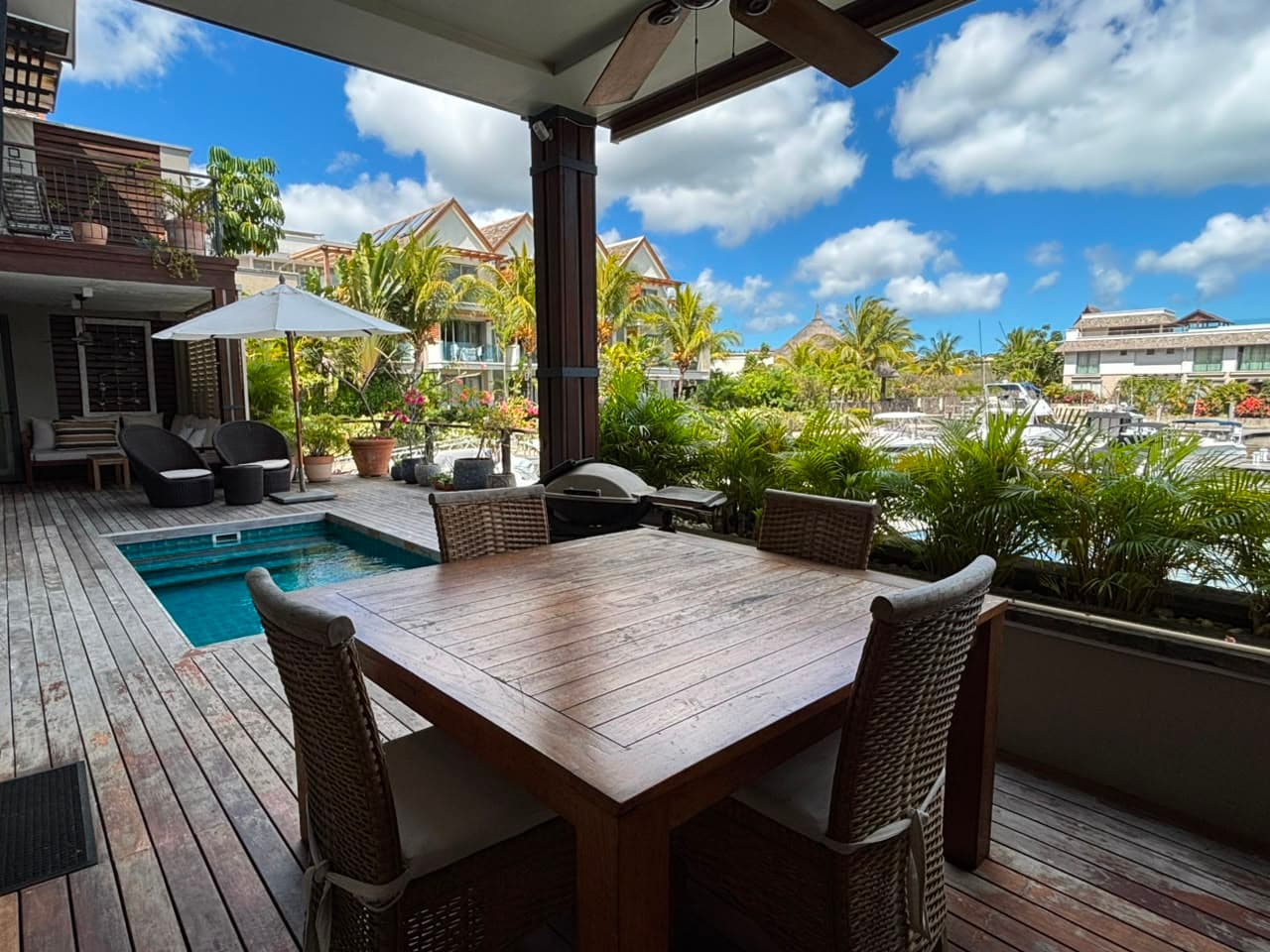
Riviere Noire · West
Ultimate Marina Lifestyle – Luxury Waterfront Residence, Private Mooring & Boat
44


A practical guide to investment in Mauritius properties — covering trends, affordable areas, rental yields, new construction, and what foreign buyers need to know.
Investment in Mauritius properties offers foreign nationals a legally accessible route into a stable, dollar-linked real estate market with consistent rental demand, transparent ownership frameworks, and a growing pipeline of new construction. Whether you are buying to let, relocating for work, or diversifying a portfolio, understanding the market structure, the most active areas, and the practical costs involved will help you make a well-grounded decision.
Mauritius has built its appeal on political stability, a low-tax environment, and a government that actively courts foreign capital. The country has no capital gains tax on property, no inheritance tax, and a progressive personal income tax rate of 0 to 35 percent, with corporate tax at 15 percent. For investors who intend to earn rental income, these conditions are materially better than most European or Southern African alternatives.
The Mauritian rupee is managed against a basket of currencies, which provides relative predictability for investors pricing in US dollars, euros, or British pounds. Property transactions above USD 375,000 also qualify the buyer for a Mauritian residence permit, which adds a practical immigration benefit on top of the financial return.
Real estate trends in Mauritius over the past three years show a clear shift toward mid-market apartments and townhouse developments, driven partly by remote workers relocating from Europe and South Africa and partly by a growing professional class within the island itself.
Key trends to note:
Not every part of the island commands premium prices. For investors working with a tighter budget, or for tenants searching for value, several areas in Mauritius offer affordable apartments without sacrificing access to employment or amenities.
Situated in the central plateau, Quatre Bornes and Vacoas are among the most affordable urban areas on the island. Flats for rent in Mauritius are consistently cheaper here than in coastal zones, and the area is well connected by road to both Port Louis and the south. Local schools, hospitals, and markets make it a practical base for families.
Rose Hill sits adjacent to Quatre Bornes and offers a similar price profile. It has a large local population, a functioning commercial centre, and strong demand from Mauritian professionals who prefer renting close to work rather than commuting from the coast.
Curepipe is cooler in temperature and slightly elevated, which some residents prefer. Apartment prices here are among the lowest on the island for furnished units. The area attracts long-term tenants, which suits landlords in Mauritius who want stable occupancy over short-term premium returns.
To rent a house in Port Louis is to position yourself at the commercial and administrative heart of Mauritius. The capital holds the main port, the financial district, government offices, and the headquarters of most large employers on the island.
Rental demand in Port Louis is driven primarily by professionals and expatriates on corporate packages. A furnished two-bedroom apartment in a secure building typically rents for between MUR 35,000 and MUR 65,000 per month, depending on the building specification and proximity to the central business district. Unfurnished units are available at lower rates and suit tenants who plan to stay for more than a year.
For investors, Port Louis offers reliable occupancy rates but lower capital appreciation compared to coastal areas. It is a yield-first market rather than a growth market.
New construction in Mauritius is active across several segments. The government has encouraged development through the Property Development Scheme (PDS) and the Smart City Scheme, both of which allow foreign nationals to purchase property directly.
Smart City projects, in particular, are large-scale mixed-use developments that include residential units, office space, retail property in Mauritius, schools, and leisure facilities within a single master-planned zone. Moka, in the central region, is the most established example. Tamarin on the west coast is another active zone.
Buying off-plan in a new development carries the usual risks: construction delays, specification changes, and the possibility that the surrounding infrastructure does not develop as quickly as the developer's marketing suggests. Buyers should review the developer's track record, confirm the building permit is in place, and use a notary to verify that the land title is clean before signing any reservation agreement.
The townhouse market in Mauritius sits between standalone villas and apartment blocks. A townhouse in Mauritius for rent typically offers two or three bedrooms, a small private garden or terrace, and shared facilities such as a pool or gym within a gated compound.
This format appeals strongly to families and to professionals who want more space than an apartment provides but do not need the maintenance commitment of a full villa. Monthly rents for a townhouse in a managed compound range from MUR 45,000 in inland areas to MUR 120,000 or more in premium coastal locations.
For a landlord in Mauritius, townhouse compounds offer a practical middle ground: the management company handles common area maintenance, security, and often tenant placement, reducing the administrative burden on the individual owner.
Retail property in Mauritius is a smaller but active segment of the commercial real estate market. Demand is concentrated in established shopping corridors in Port Louis, Quatre Bornes, and Grand Baie, as well as within the newer Smart City developments.
Foreign investors can own retail property through a Mauritian company, and the rental income is taxable at the standard corporate rate. Yields on well-located retail units can exceed those of residential property, but vacancy risk is higher, and tenant quality matters significantly. Investors entering this segment should work with a local commercial agent who has documented experience in lease negotiation and tenant vetting.
Investment in Mauritius properties is accessible, legally structured, and financially competitive when compared with many other international markets. The key is matching your investment type, whether that is a flat for rent in an affordable inland area, a townhouse in a coastal compound, or retail property in a Smart City development, to a realistic assessment of your yield expectations, holding period, and risk tolerance. The legal framework is clear, the market data is available, and the process is well established for foreign buyers who take the time to understand it.
Hand-picked
Riviere Noire · West

Baie du Cap · South
Tamarin · West

Baie du Cap · South
Beau Champ · East

Riviere Noire · West
Explore by region
Explore the site
Market updates, buying guidance and the best new listings, straight to your inbox.
Mauritius Real Estate · 14 Oct 2026
Everything you need to know about house rental in Mauritius: costs, locations, lease rules, and how to find the right property. Updated guide for…
Mauritius Real Estate · 13 Oct 2026
Where to find a business park in Mauritius, what leasing or buying costs, and how foreign companies set up. Covers Ebène, Grand Baie, Pailles and…
Mauritius Real Estate · 12 Oct 2026
A practical guide to business insurance in Mauritius for property owners, landlords, and investors. Covers key cover types, costs, and what to check…
Mauritius Real Estate · 10 Oct 2026
Everything you need to know about getting a skipper license in Mauritius, from exam requirements to costs, plus how it connects to waterfront living.
Mauritius Real Estate · 9 Oct 2026
Find bungalows for rent in Mauritius: coastal, urban, and waterfront options explained, with inspection tips and neighbourhood comparisons.
Mauritius Real Estate · 9 Oct 2026
Explore the business park in Mauritius Riviere Noire, commercial real estate options, waterfront property, and financing routes for foreign buyers.
Browse our current listings or speak to an agent.